Zaickz Moz, Andres Cedillo, Gerardo Reyes Bustamante

BROWSE ALL FROM THIS PHOTOGRAPHER HERE
↓

The Chromatic Canvas: 10 Vibrant Courts Activating Community Space

Audio available

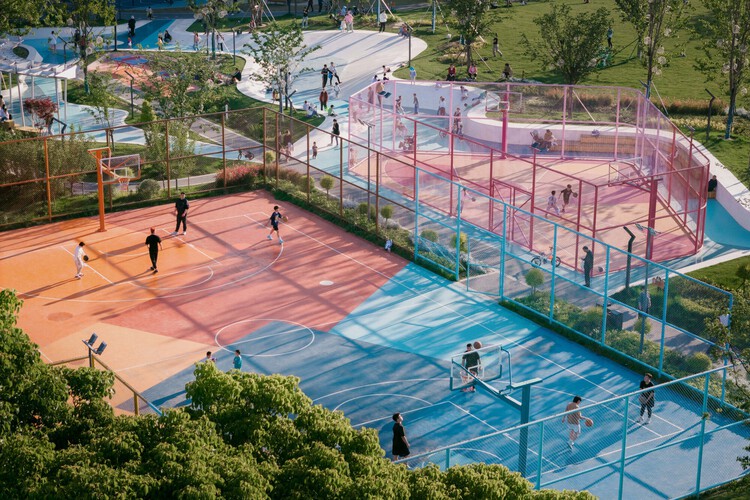
Unlike most popular sports, the origin of basketball has a precise year and creator: it was invented in 1891 in the United States by Canadian physical education instructor James Naismith as an indoor sport for athletes at Springfield College during the winter, after the end of the football season. The sport quickly expanded beyond U.S. borders, being included in the Olympic Games in 1936 and achieving international popularity after the Second World War. As basketball became more widespread, it also left the controlled environment of gymnasiums and began occupying a wide range of locations: playgrounds, public plazas, school courtyards, driveways, and backyard patios became informal courts for play and community life, reinforcing the role of physical activity as a catalyst for social interaction and neighborhood regeneration.


The Chromatic Canvas: 10 Vibrant Courts Activating Community Space - Imagen 1 de 4The Chromatic Canvas: 10 Vibrant Courts Activating Community Space - Imagen 2 de 4The Chromatic Canvas: 10 Vibrant Courts Activating Community Space - Imagen 3 de 4The Chromatic Canvas: 10 Vibrant Courts Activating Community Space - Imagen 4 de 4The Chromatic Canvas: 10 Vibrant Courts Activating Community Space - More Images+ 6

Subscriber Access

Architecture and Agency: Rethinking Authorship Through Participatory Design

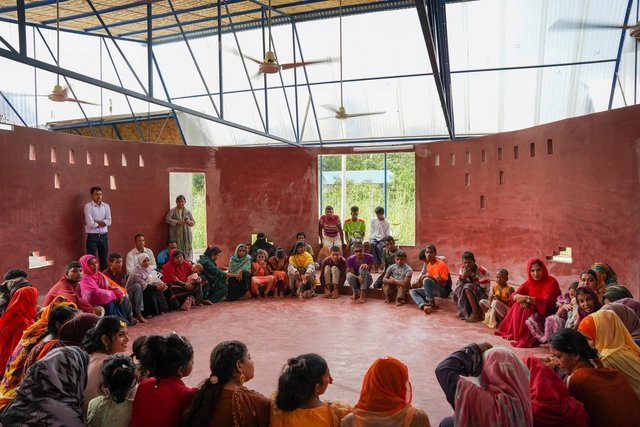
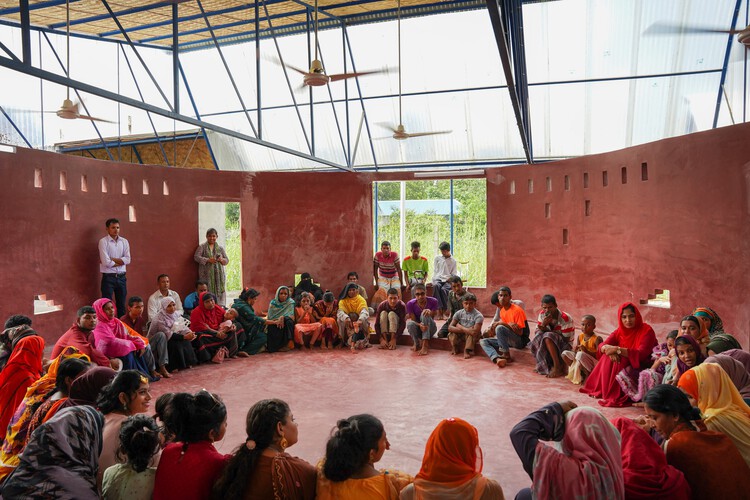
Architecture has historically produced many iconic buildings shaped by singular visions—often designed unilaterally for users, communities, and cities. While this top-down approach has enabled strong formal coherence and conceptual clarity, it has also prioritized authorship over engagement. The result: projects that may be celebrated as visionary, yet often feel disconnected from the everyday realities of those who inhabit them.

Designing for others is inherently complex. As architects, we are frequently tasked with creating environments for communities with whom we may have no personal or cultural familiarity. This distance, however, can offer valuable objectivity. It allows us to engage diverse perspectives with fresh eyes, critically analyzing the needs and constraints of multiple stakeholders. Through this process, the discipline of architecture has advanced—pushing boundaries in spatial thinking, material innovation, and structural experimentation.

Architecture and Agency: Rethinking Authorship Through Participatory Design - More Images+ 29

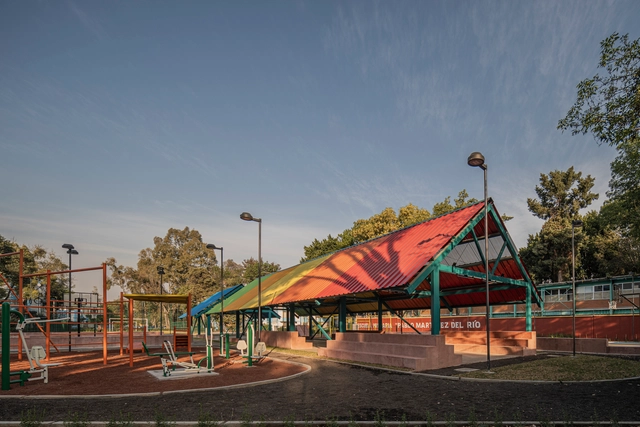
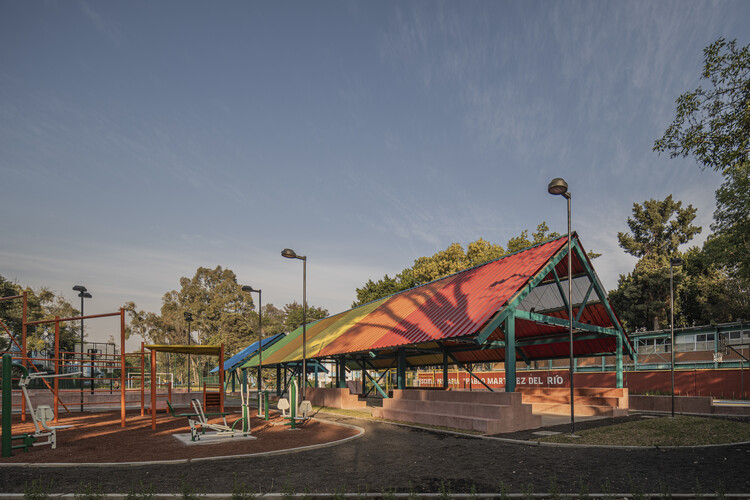
Housing Unit Infonavit CTM Culhuacán Square / AMASA Estudio, Andrea López + Agustín Pereyra

Housing Unit Infonavit CTM Culhuacán Square / AMASA Estudio, Andrea López + Agustín Pereyra - More Images+ 23

•
Ciudad de México, Mexico
  • Architects: AMASA Estudio
  • Area Area of this architecture project Area:  4180 m²
  • Year Completion year of this architecture project Year:  2024