
_R.jpg?1605583060&format=webp&width=230&height=230&crop=true)
_B.jpg?1605582969&format=webp&width=230&height=230&crop=true)


-
Architects: ARCity Office
- Area: 1000 m²
- Year: 2019


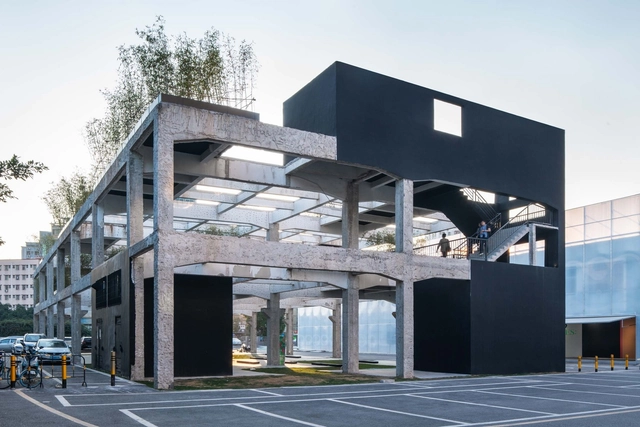

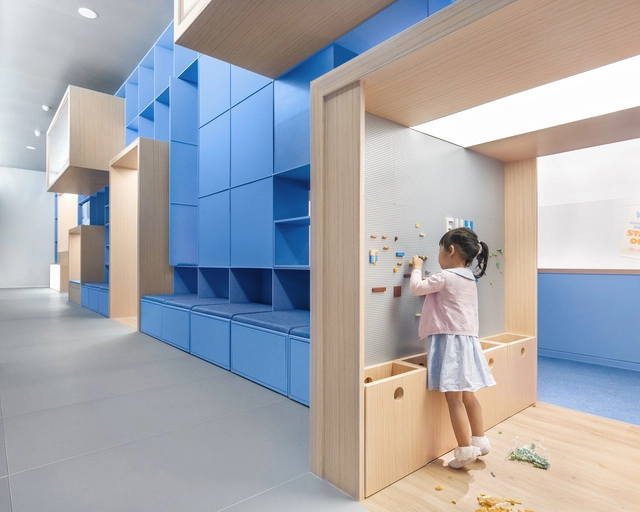
It is unquestionable that environments directly influence the behavior and emotions of their users. Human beings spend approximately 90% of their lives indoors, making it imperative that the spaces we inhabit stimulate positive behavior and emotions, or at least don't influence us negatively. There exists a specific term describing the stimuli that the brain receives from its environment: neuroarchitecture. Several studies have been published on this topic, most focusing on its impact on work environments. This article approaches this concept through a different, yet essential lens: emphasizing its importance in the design of spaces for children in early childhood.







.jpg?1561295003&format=webp&width=230&height=230&crop=true)
.jpg?1561295133&format=webp&width=230&height=230&crop=true)
