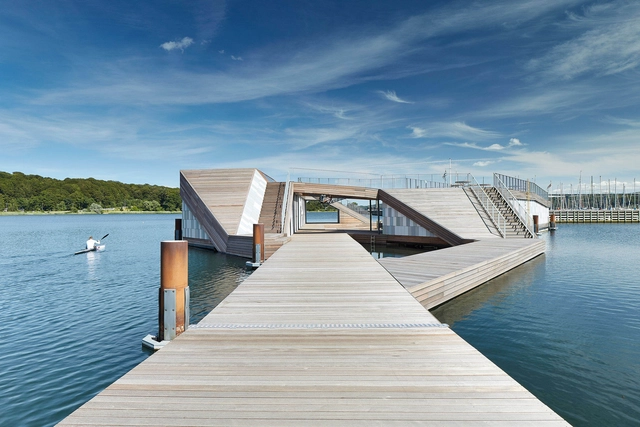
Søren Aagaard

BROWSE ALL FROM THIS PHOTOGRAPHER HERE

Off the Mainland: Floating Architecture Projects Redefining the Built Environment

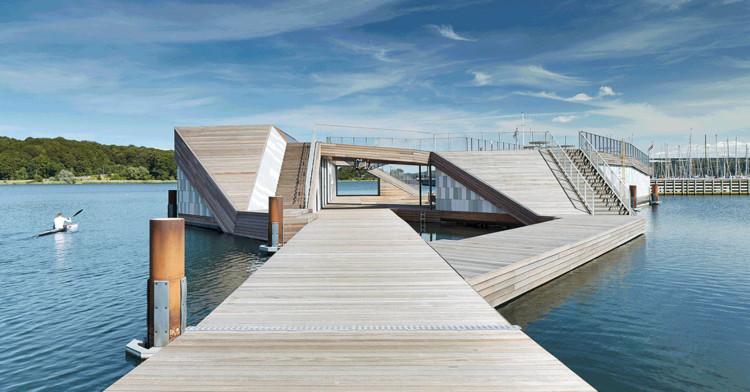
Building above water means doing away with a part of construction that is quite literally the basis of most of our built environment: the foundation. In a world dominated by water, currents, and shifting levels are variables that simply cannot be ignored, which is why the most emblematic feature these projects share is their adaptability.

Instead of robust, deep bases – such as piles or caissons – designed to anchor architecture into the earth, floating structures frequently employ solutions like concrete pontoons or plastic drums to prevent the building from sinking. These are typically paired with anchoring systems to "fix" the structures, even if only temporarily, to a specific location.

Off the Mainland: Floating Architecture Projects Redefining the Built Environment  - More Images+ 23

Making Infrastructure Visible: When Systems Become Architecture

For centuries, large-scale infrastructure operated in the background. Ports, power plants, and energy facilities were positioned at the edges of cities, designed primarily for efficiency, and rarely considered part of civic life. Their function was indispensable, yet their architectural presence remained secondary. These structures supported urban growth and global exchange while maintaining a spatial distance from everyday urban experience.

Today, this condition is gradually shifting. As global trade intensifies and energy systems expand in complexity, the buildings that coordinate and house these networks are becoming more visible within the urban landscape. Rather than remaining neutral containers for technical operations, they begin to assert spatial identity. Infrastructure is no longer only operational; it is increasingly institutional, symbolic, and urban. The architecture that supports these systems now participates in how cities project themselves.

Making Infrastructure Visible: When Systems Become Architecture - More Images+ 6

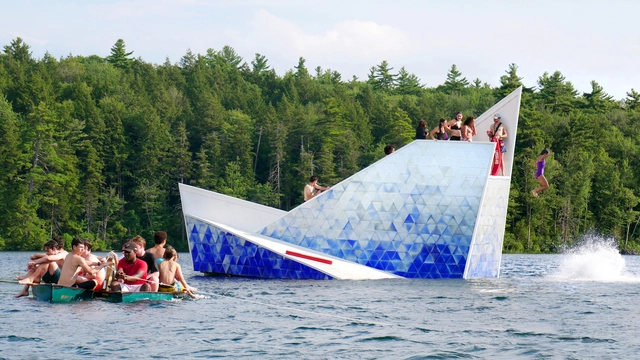
Why Doesn't Floating Architecture Sink?

Subscriber Access | 

The aquatic environment has always fascinated dreamers and researchers. Around 1960, in the midst of the fierce space race of the Cold War, French explorer Jacques Cousteau developed equipment such as the Aqualung to unravel the depths of the sea, which remained as unexplored as outer space itself. He even stated that in 10 years we could occupy the seabed as “aquanauts” or “oceanautas,” where it would be possible to spend long periods extracting mineral resources and even growing food. Sixty years later, the seabed is still reserved for few, and mankind has been more concerned with plastic in the oceans and rising sea levels than colonizing the ocean floor. But being close to a body of water continues to attract most people. Whether out of interest or in response to risks of flooding and over-population, some have turned to utopian proposals and floating architecture, examples of which have been featured in the ArchDaily project archive. But what are the fundamental differences between building houses on land versus on water, and how do these buildings remain on the surface rather than sinking?

Why Doesn't Floating Architecture Sink? - More Images+ 10

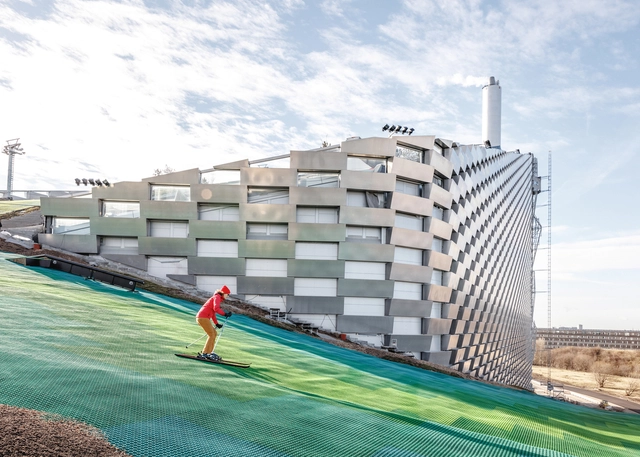
CopenHill: The Story of BIG's Iconic Waste-to-Energy Plant

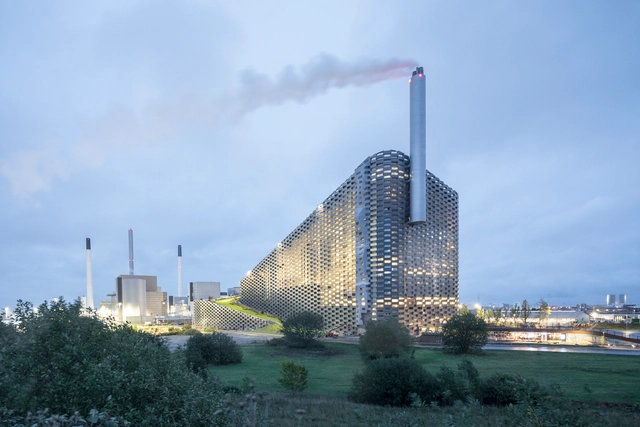
Nearly a decade in the making, the landmark CopenHill waste-to-energy plant first imagined by Bjarke Ingels Group has finally opened in Copenhagen. ArchDaily initially covered BIG's project in January 2011, and the waste-to-energy plant would later include hedonistic ideas of the world’s first steam ring generator and crowdfunding through Kickstarter. Today, the project has fulfilled many of its promises, and CopenHill stands as a modern architectural zeitgeist reflecting BIG's own evolution.
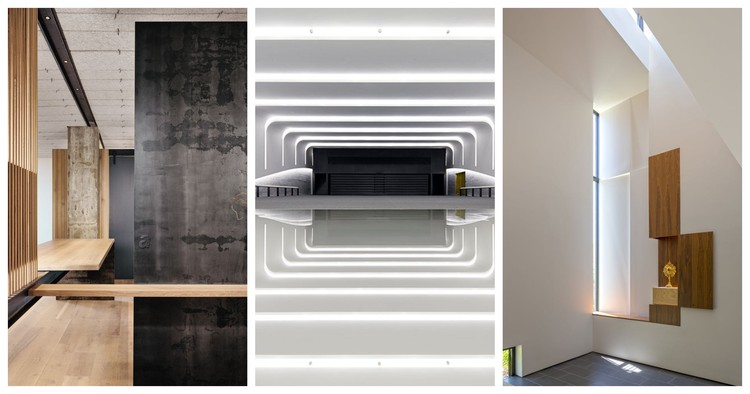
CopenHill: The Story of BIG's Iconic Waste-to-Energy Plant - More Images+ 9

CopenHill Energy Plant and Urban Recreation Center / BIG

CopenHill Energy Plant and Urban Recreation Center / BIG - More Images+ 14

Copenhagen, Denmark
  • Area Area of this architecture project Area:  41000
  • Year Completion year of this architecture project Year:  2019
  • Manufacturers Brands with products used in this architecture project
    Manufacturers:  Kalwall®, Unidrain

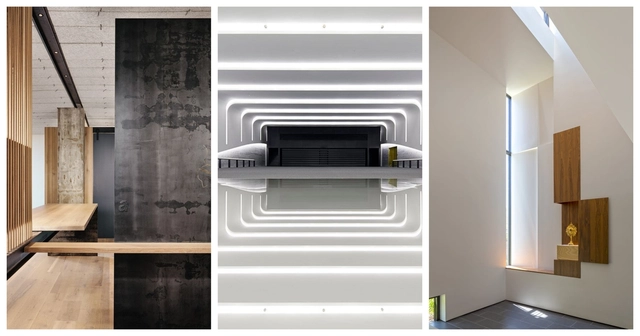
Damesalen, Københavns Universitet / Mikkelsen Architects

Damesalen, Københavns Universitet / Mikkelsen Architects - More Images+ 22

  • Area Area of this architecture project Area:  400
  • Year Completion year of this architecture project Year:  2017
  • Manufacturers Brands with products used in this architecture project
    Manufacturers:  Dow Building Solutions, Bobrick Washroom Equipment, Okalux

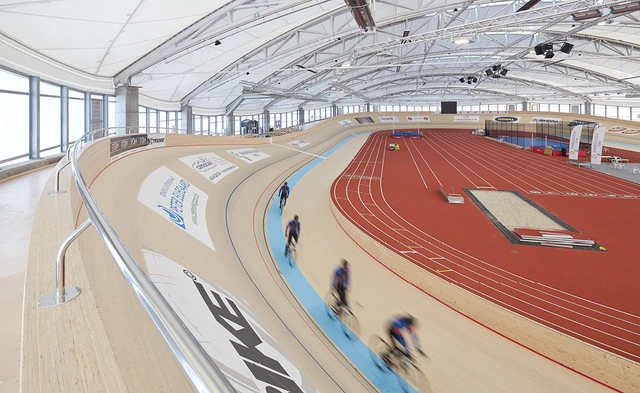
Thorvald Ellegaard Arena / Mikkelsen Architects

Thorvald Ellegaard Arena / Mikkelsen Architects - More Images+ 10

  • Area Area of this architecture project Area:  7200
  • Year Completion year of this architecture project Year:  2014
  • Manufacturers Brands with products used in this architecture project
    Manufacturers:  HANS JØRGENSEN & SØN Entreprenører A/S, Junek Velodromes, Taiyo

The Floating Kayak Club / FORCE4 Architects

The Floating Kayak Club / FORCE4 Architects - More Images+ 14

  • Architects: FORCE4 Architects
  • Area Area of this architecture project Area:  500
  • Year Completion year of this architecture project Year:  2015
  • Manufacturers Brands with products used in this architecture project
    Manufacturers:  STENI, Bankirai FSC, Knauf, Marine Tek, Velfac