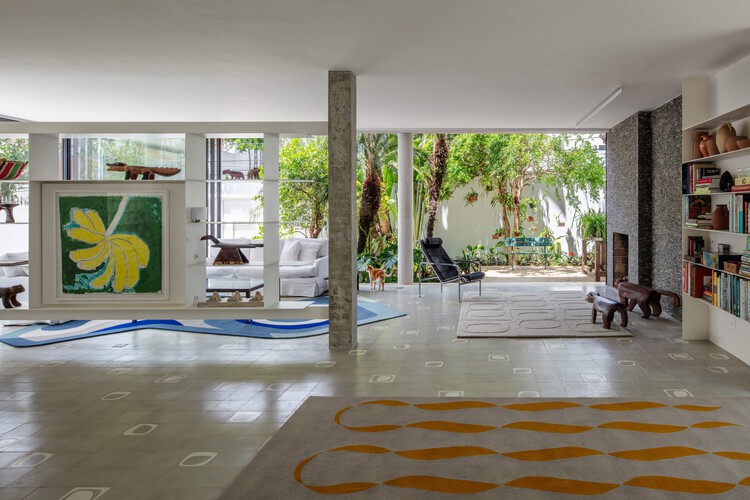
-
Architects: Ana Sawaia Arquitetura
- Area: 411 m²
- Year: 2025
-
Manufacturers: REKA


Over the past two weeks, the ArchDaily Brasil community has nominated more than 14,000 projects, resulting in 15 finalists representing some of the most iconic architectural works published over the last year. Now in its 10th edition, the Obra do Ano Award recognizes the best of architecture in Portuguese-speaking countries, chosen by the readers themselves. The finalists offer a snapshot of the current state of architecture, spanning residential, urban, cultural, and other programs.
Representing Brazil and Portugal, the 15 projects reflect the needs of their specific contexts through creative solutions proposed by local architects. From interior renovations to large-scale urban interventions, and from single-family homes to community projects, the selection is diverse, yet united by a common thread: recognition from the public, who seek to see their own aspirations represented.
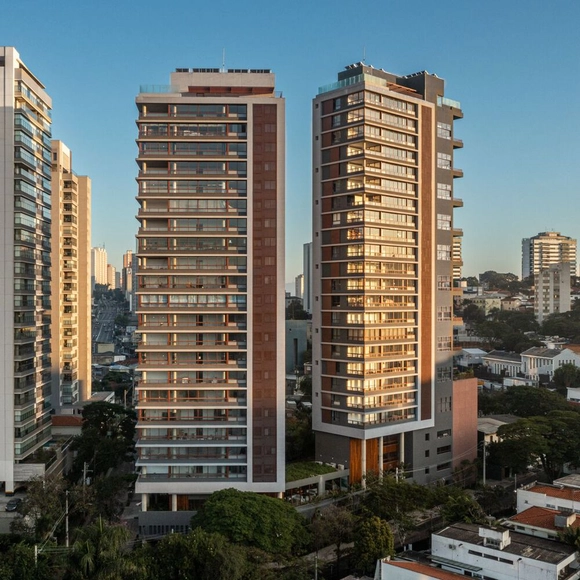
Three Brazilian projects have been chosen as the winners of the 2026 Obra do Ano Award by ArchDaily Brasil's readers. After three weeks of public voting, more than 700 projects were narrowed down to 15 finalists, concluding the process with three grand winners that represent the very best of Lusophone architecture.

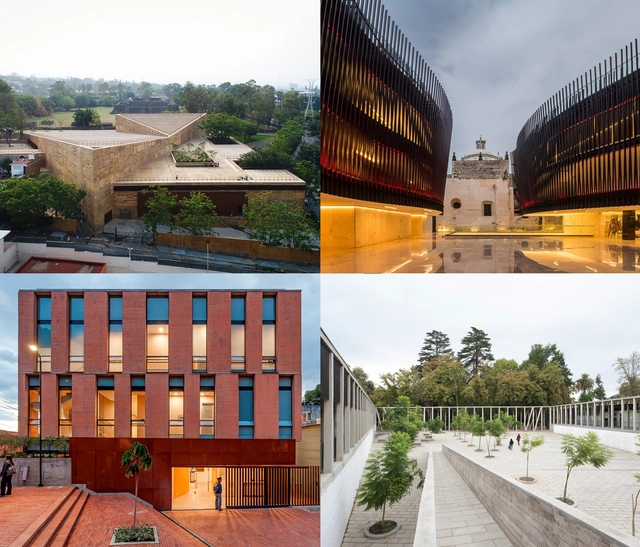
The ‘Rogelio Salmona Latin American Architecture Prize: open spaces / collective spaces’ seeks to recognize built works of architecture that create significant spaces for citizens, helping to foster more welcoming cities. Unlike previous editions, this year two categories were established: Latin America and Colombia.
From the 42 submissions, the jury—comprising Sol Camacho (Brazil/Mexico), Nicolás Campodónico (Argentina), Carlos Campuzano (Colombia), Carlos Jiménez (Spain/Colombia), and Mauricio Rocha (Mexico)—selected 26 Latin American works to be published, featured, and exhibited during this 2024 edition. The final awards ceremony will take place on October 24 of this year.
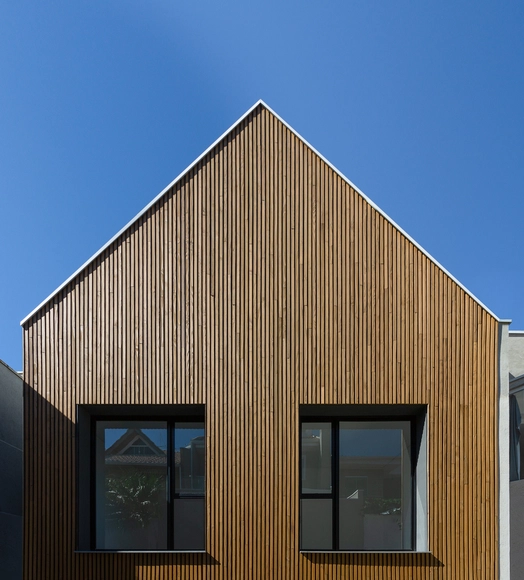
Wood is an incredibly common material in the construction industry, utilized across various stages and for multiple purposes. Below, we explore its potential to shape residential facades through 17 examples of Brazilian houses.
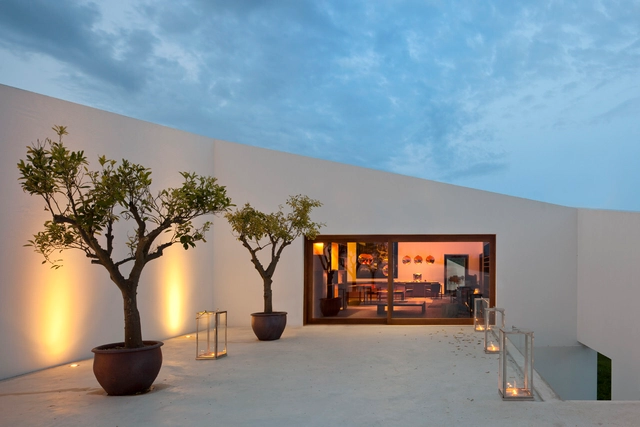
No País dos Arquitectos is a podcast created by Sara Nunes, who also runs the architectural film production company Building Pictures. The podcast aims to profile the professionals, projects, and stories behind leading contemporary Portuguese architecture. With just over 10 million inhabitants, Portugal is a fascinating country when it comes to this professional field, and its architectural output far exceeds what its population or territorial scale might suggest.
In this episode, Sara talks with Marcio Kogan, Diana Radomysler, and Suzana Glogowski of Studio MK27 about the use of the muxarabi (wooden latticework) and the influences of Portuguese colonialism and Brazilian modernism on the firm's work. Listen to the full interview and read an excerpt of the conversation below:

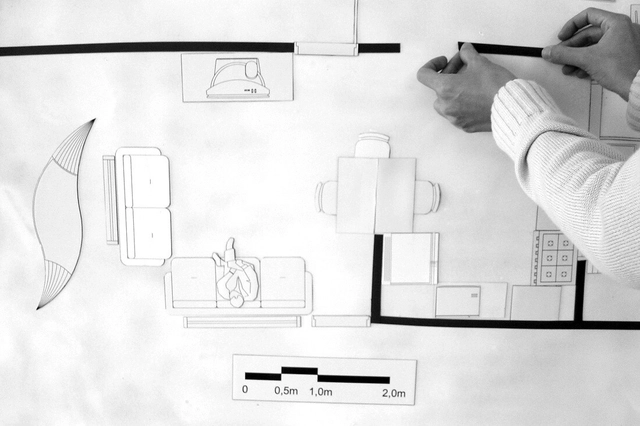
The vulnerability found in countries on the periphery of capitalism, such as Brazil, has wide-ranging consequences that are evident both in statistics and in how the occupied territory is shaped. Peripherization and the struggle to access fundamental rights—such as healthcare, education, and housing—are among these consequences. Addressing these challenges falls to organized social groups striving to build alternatives within this context, as seen in social movements and Usina CTAH, an architectural practice dedicated to providing technical assistance to organized social groups.
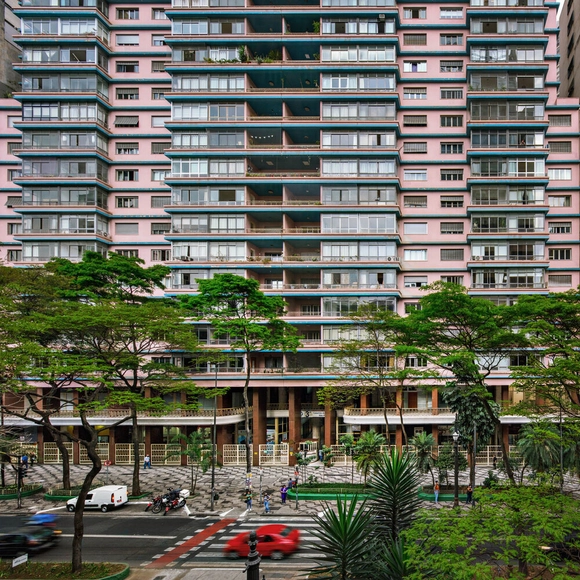
Bretagne, Louvre, Viadutos, Planalto. These are just some of the projects designed by Artacho Jurado, a controversial figure in São Paulo's architectural scene. With a particular focus on decorative elements, the self-taught architect was highly criticized by the professional establishment at the time, yet embraced by the public. Today, his work continues to garner increasing attention as a vision that reached beyond the modern canon, and his buildings have become symbols of São Paulo's urban landscape. Exploring his architecture, the exhibition Artacho Jurado, architect?, curated by Abilio Guerra, is on view at Chácara Lane, Museu da Cidade de São Paulo, through April 2022.
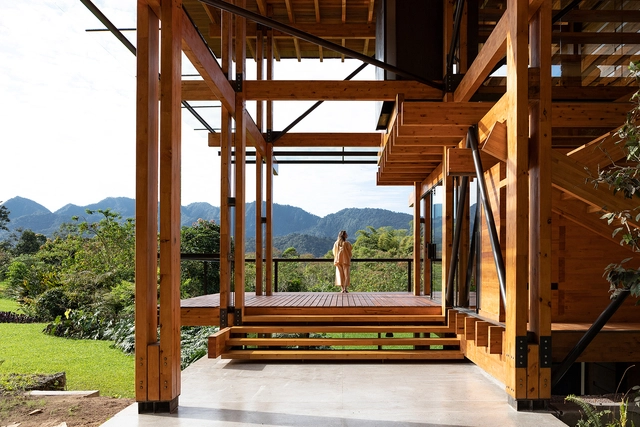
The Pan-American Architecture Biennial of Quito (BAQ2022) will take place at the Casa de la Cultura Ecuatoriana until November 18. Organized by the Colegio de Arquitectos del Ecuador, Provincial de Pichincha (CAE-P), the biennial has been held since 1978, aiming to foster dialogue, exchange, and reflection on architecture and the contemporary city. This edition's theme, "Inflexions: Looking Back," aims to provide a space for discussion and debate on architecture surrounding turning points in history.
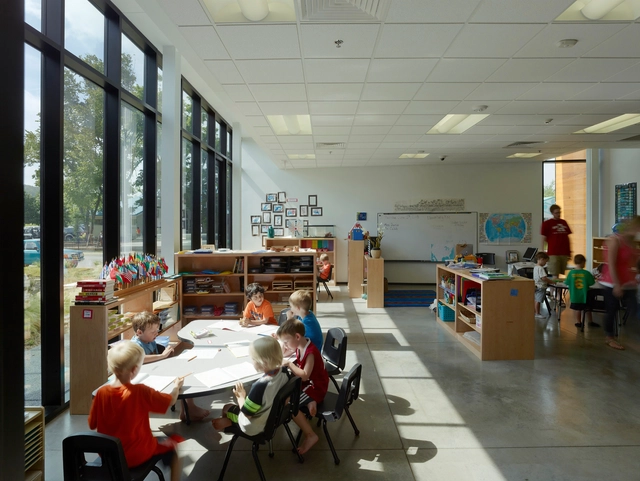
It could be argued that indoor air quality has never received its due attention throughout history. While atmospheric pollution has been considered a threat since the time of Hippocrates in 400 BC, becoming a tangible concern with industrialization during the Industrial Revolution, little is said about comfort conditions in indoor environments. This issue is increasingly critical given that humanity spends about 90% of its time indoors, and the quality of these spaces directly affects long-term well-being and health. In fact, Indoor Environmental Quality (IEQ) encompasses far more than just indoor pollution. It refers to a balance between air quality, acoustics, lighting, temperature, and other factors that contribute to a pleasant and, above all, healthy environment for occupants. Under the motto “every space can be a healthy space,” Armstrong has developed solutions to help improve the environments where we spend the most time, such as educational and healthcare facilities, offices, and homes.
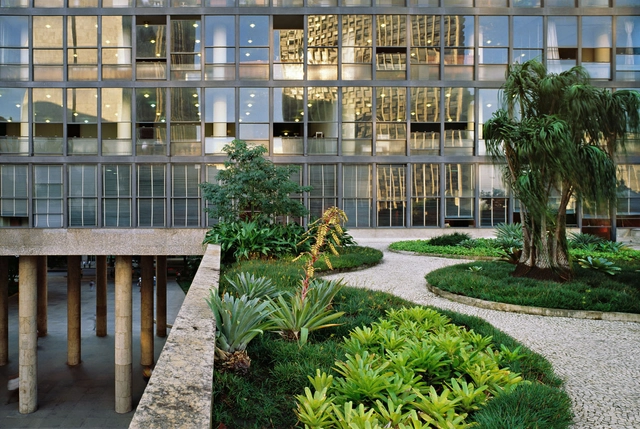
The Gustavo Capanema Palace, located in Rio de Janeiro and recognized as a benchmark for Brazilian architecture and arts, is scheduled to reopen to the public in 2024. On the 15th of this month, the National Institute of Historic and Artistic Heritage (Iphan) presented a new proposal for the building's use. From the ground floor to the rooftop terrace, the building will be transformed into a series of spaces dedicated to exhibitions on art and the formation of Brazilian society, while also hosting administrative operations for agencies linked to the Ministry of Culture.
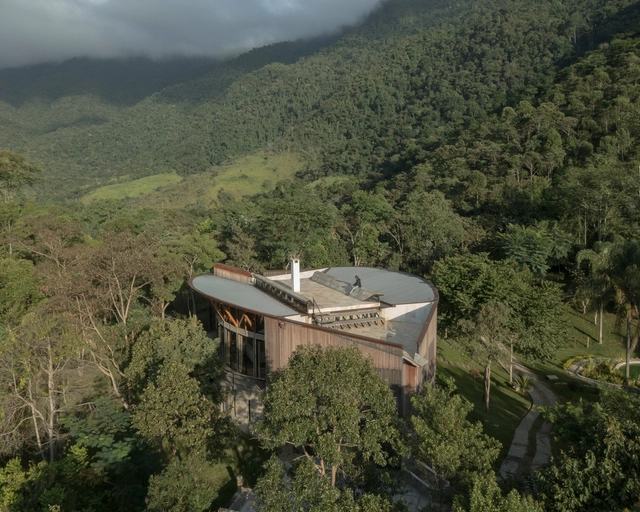
ArchDaily's curation team strives daily to present our readers with the most significant, inspiring, and innovative projects, expanding the knowledge and repertoire of students and architects worldwide. From small renovations to projects designed from scratch, residential architecture is a constant in the daily practice of most firms. Year after year, we see the deep interest this typology sparks: it remains the most popular category among our audience.