

-
Architects: Vladimir Radutny Architects
- Area: 10500 ft²
- Year: 2020
-
Manufacturers: Archisesto, Arclinea, Jeld-Wen
-
Professionals: Louis Shell Structures, G Corp, One World Consulting
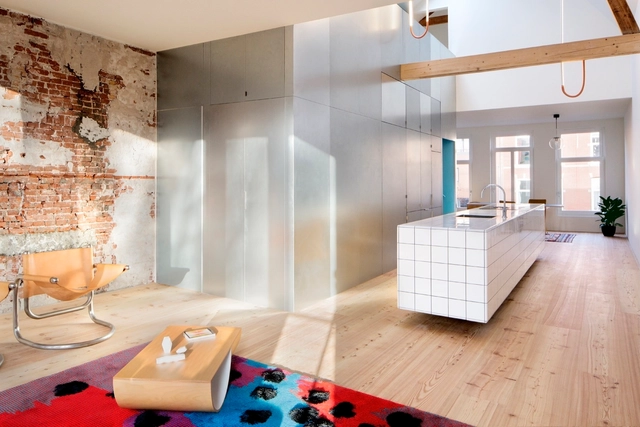
Islands are an essential part of any larger kitchen layout, increasing counter space, storage space, and eating space as well as offering a visual focal point for the kitchen area. Serving a variety of functions, they can be designed in a variety of different ways, with some incorporating stools or chairs, sinks, drawers, or even dishwashers and microwaves. To determine which elements to include and how to arrange them, designers must determine the main purpose or focus of the island. Will it primarily serve as a breakfast bar, a space to entertain guests, an extension of the kitchen, or as something else? And with this function in mind, how should it enhance the kitchen workflow vis-à-vis the rest of the area? These considerations, combined with basic accessibility requirements, necessitate that the design of the island be carefully thought out. Below, we enumerate some of the essential factors of kitchen island design.
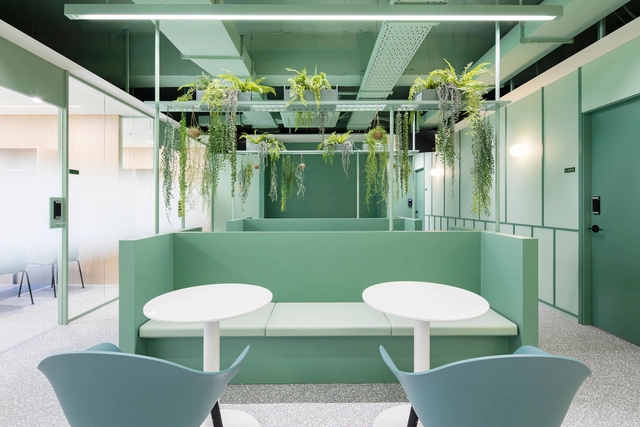
Offices have evolved tremendously in recent years. They are becoming more and more like a domestic space, incorporating new color palettes, flexible furnishings, warm textures, and even greenery as part of the design. In the latter case, it is not simply an aesthetic addition, but the greenery is integrated in such a way that it completely transforms and enhances the work experience of the people inside. How can plants become protagonists of the workspace? Let's review 7 cases that creatively integrate them in favor of the well-being of users.
Building Information Modeling (BIM) is an increasingly common acronym among architects. Most offices and professionals are already migrating or planning to switch to this system, which represents digitally the physical and functional characteristics of a building, integrating various information about all components present in a project. Through BIM software it is possible to digitally create one or more accurate virtual models of a building, which provides greater cost control and efficiency in the work. It is also possible to simulate the building, understanding its behavior before the start of construction and supporting the project throughout its phases, including after construction or dismantling and demolition.