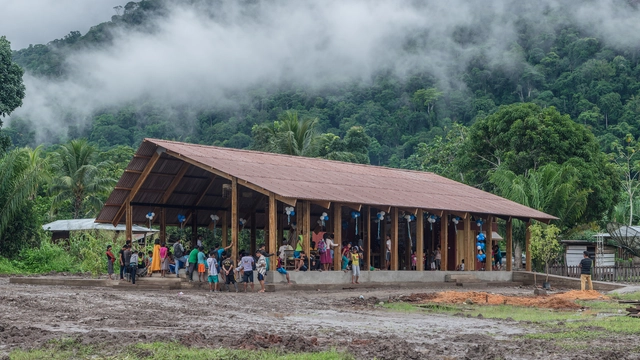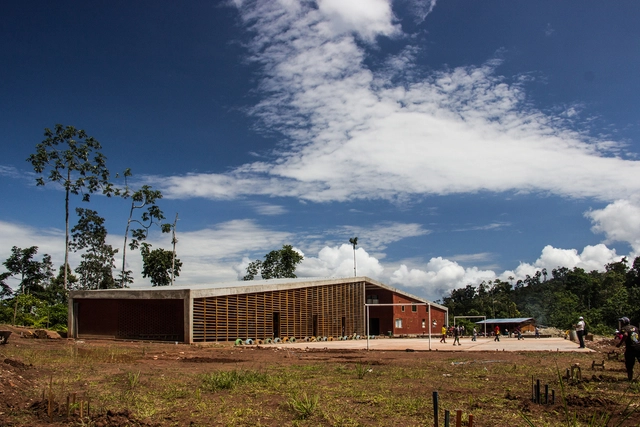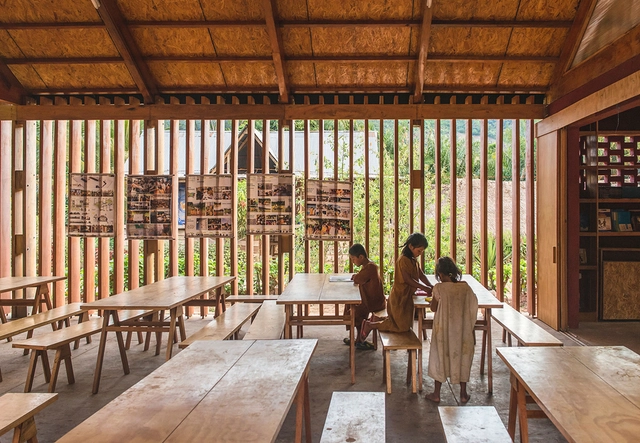


Cross-ventilation, solar radiation control, rainwater harvesting, indirect natural lighting, graywater treatment and reuse, and solar energy harnessing through panels are some of the passive strategies that allow for greater thermal and environmental comfort at low energy costs. When based on a proper understanding of a site's geographical and climatic conditions, these bioclimatic principles can significantly optimize building performance and foster the development of better interior spaces.