-
Architects: Plastique Fantastique
- Area: 300 m²
- Year: 2026
-
Manufacturers: Bulgari
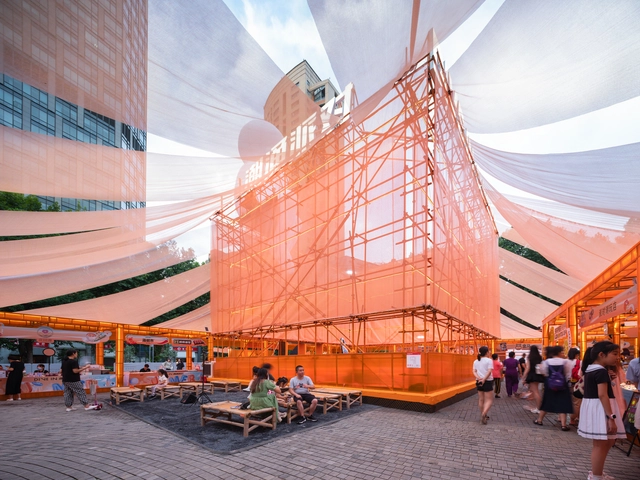
Ephemeral architectures, characterized by their temporary and flexible nature, have emerged as powerful tools for revitalizing urban spaces and fostering architectural creativity. These transient installations transform public areas, engaging communities, and prompting reflections on the potential futures of our cities. By temporarily transforming environments, ephemeral architectures encourage both architects and the public to reimagine the possibilities of urban living. This dynamic interplay, between the temporary and the permanent, challenges traditional architectural practices and opens up new avenues for sustainable and inclusive urban development.
It is inevitable that heavy, static structures come to mind when we think of architecture. However, columns, beams, and slabs are by no means the only elements that define it.
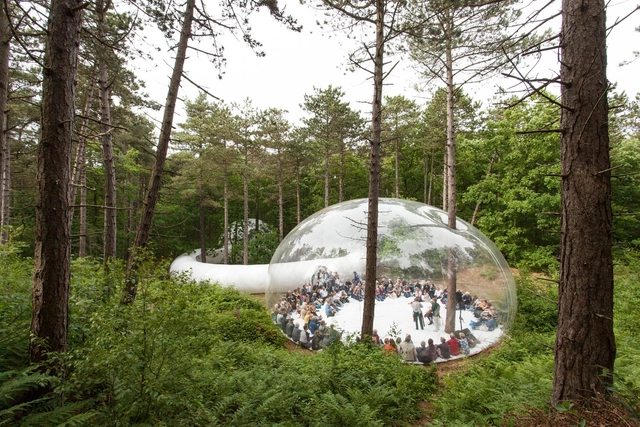
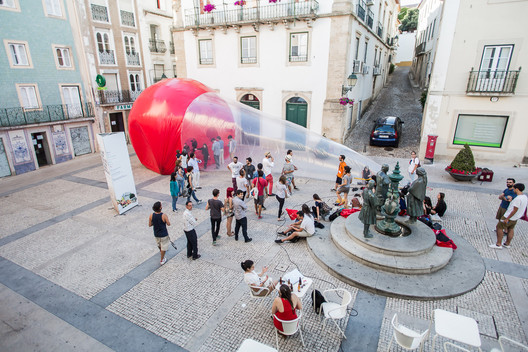
Pneumatic architecture is characterized by lightweight, flexible materials supported on fixed bases. Due to their lightweight nature, these structures cannot support themselves on their own; instead, they span openings through the injection of air. In other words, they are structures shaped by pneumatic membranes inflated by air systems that operate much like a hot-air balloon or historic zeppelins filled with a gas less dense than air. These systems fall into two main categories: those supported by internal air pressure and those stiffened by it.