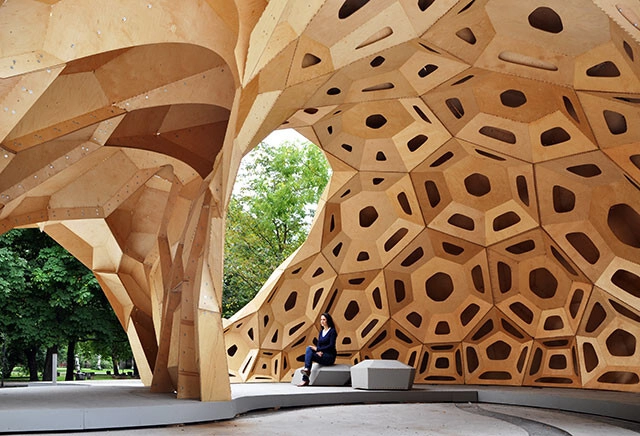
ICD-ITKE University of Stuttgart

BROWSE ALL FROM THIS PHOTOGRAPHER HERE

An Optimist’s Take on AI and the Future of Architecture

This article was originally published on Common Edge.

Martin C. Pedersen discusses with Frank Stasiowski, the founder and president of PSMJ Resources, his take on AI and the future of the profession. The author explains that six years ago he "interviewed Frank Stasiowski, the founder and president of PSMJ Resources, a management consulting firm that specializes in architecture, engineering, and construction firms. In addition to advising firms on strategic and growth planning, leadership and succession plans, mergers and acquisitions, and a host of other issues, Stasiowski spends a lot of his time analyzing where the industry is likely to evolve in the future, especially as technology takes an increasingly important role". Finding him one of the keenest observers of the industry, Pedersen talked to Stasiowski to get his opinion on AI and the future of the architectural profession.

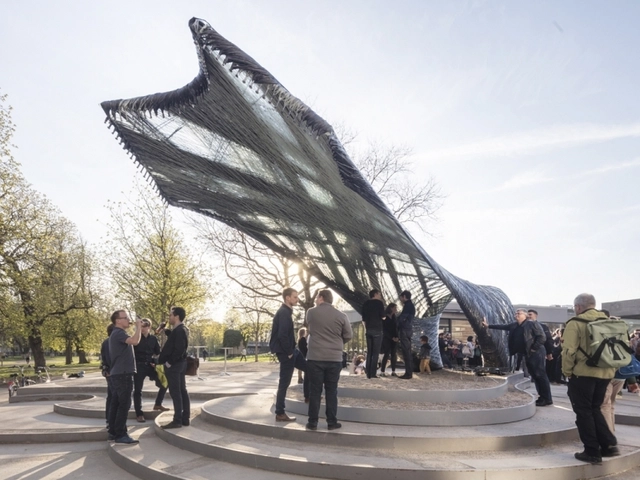
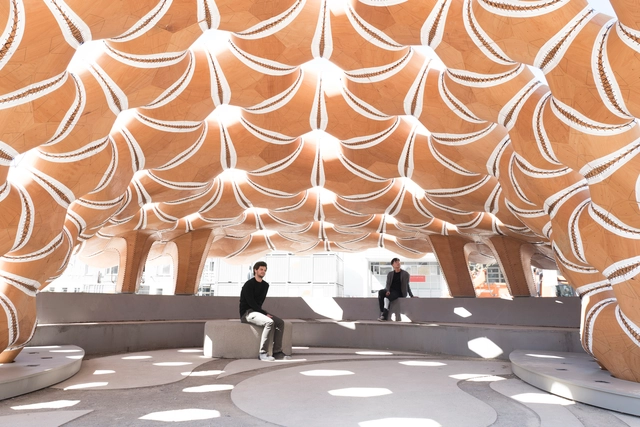
ICD-ITKE Research Pavilion 2016-17 / ICD/ITKE University of Stuttgart

ICD-ITKE Research Pavilion 2016-17 / ICD/ITKE University of Stuttgart - More Images+ 33

  • Area Area of this architecture project Area:  40
  • Year Completion year of this architecture project Year:  2017
  • Manufacturers Brands with products used in this architecture project
    Manufacturers:  Hexion

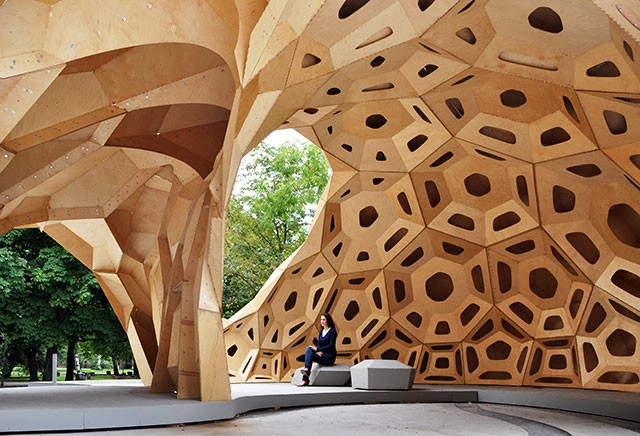
ICD-ITKE Research Pavilion 2015-16 / ICD-ITKE University of Stuttgart

ICD-ITKE Research Pavilion 2015-16 / ICD-ITKE University of Stuttgart - More Images+ 42

AD Readers Debate: RIP Zaha Hadid

Subscriber Access | 

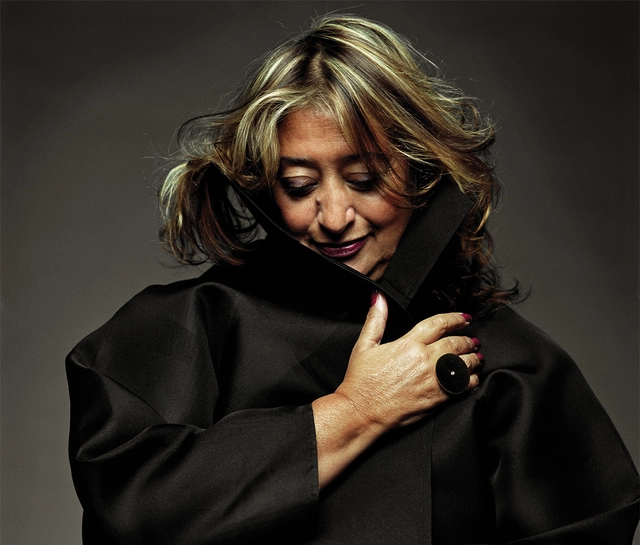
Of course, the top story in recent weeks has been the sudden death of Dame Zaha Hadid, who passed away last week in Miami. At just 65 years of age, and at the height of her powers as an architect, the news of Hadid’s passing was a shock to many and unsurprisingly was met with grief from many of our readers. Read on to see what tributes those readers left, along with opinions on other stories from recent weeks.

The Depreciating Value of Form in the Age of Digital Fabrication

Subscriber Access | 

In this article, originally appearing on the Australian Design Review as "Tolerance and Customisation: a Question of Value", Michael Parsons argues that the complex forms made possible by digital fabrication may soon be victims of their own popularity, losing their intrinsic value as they become more common and the skill required to make them decreases.

The idea of tolerance in architecture has become a popular point of discussion due to the recent mainstreaming of digital fabrication. The improvements in digital fabrication methods are allowing for two major advancements: firstly, the idea of reducing the tolerance required in construction to a minimum (and ultimately zero) and secondly, mass customisation as a physical reality. Digital fabrication has made the broad-brushstroke approach to fabrication tolerance obsolete and now allows for unique elements and tolerance specific to each element. The accuracy that digital fabrication affords the designer, allows for the creation of more complex forms with greater ease and control. So far, this has had great and far reaching implications for design.

Read on to find out how this ease of form-making could diminish the success of complex forms. 

ICD | ITKE Research Pavilion 2011 / ICD/ITKE University of Stuttgart

ICD | ITKE Research Pavilion 2011 / ICD/ITKE University of Stuttgart - More Images+ 13

Stuttgart, Germany