Many factors influence people's well-being, but few have power as great as the quality of sleep. Adults spend, on average, a third of their day (and their life) sleeping. In the case of young children, this proportion is even higher. According to a study published by the WHO in 2019, babies (4 to 11 months) should sleep between 12 and 16 hours/day; and children up to 4 years old should sleep between 10 and 13 hours/day.
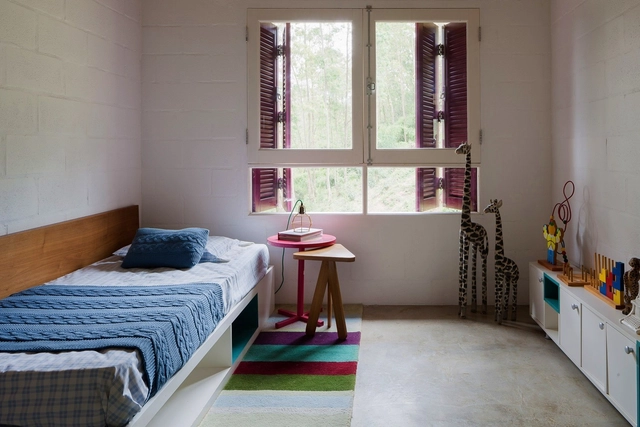
Quality sleep acts directly on the child's brain development, especially during his first and second childhood (from birth to 12 years old). During the rest period, the body releases the hormones necessary for growth and learning, and this is directly related to physical, motor, emotional, and cognitive development. It is also known that the environment where one sleeps interferes with the quality of that sleep, and some important aspects must be considered when designing sleeping spaces for children and babies.