Beyond the Dropped Ceiling: 10 Interior Projects for Making Services and Conduits Part of the Architecture

In contemporary interior architecture, service provisions—mechanical, electrical, HVAC, plumbing—are almost always treated as elements to be concealed. Thickened wall cavities, extensive dropped ceilings, and, in regions where solid construction such as brick or concrete prevails, furred-out walls are routinely employed to hide these systems. This approach has become so normalized that it often forms the starting assumption for spatial planning, inherently constraining imagination and reducing the range of spatial possibilities. The priority shifts towards covering-up, rather than exploring how these systems might coexist visibly within a design language.
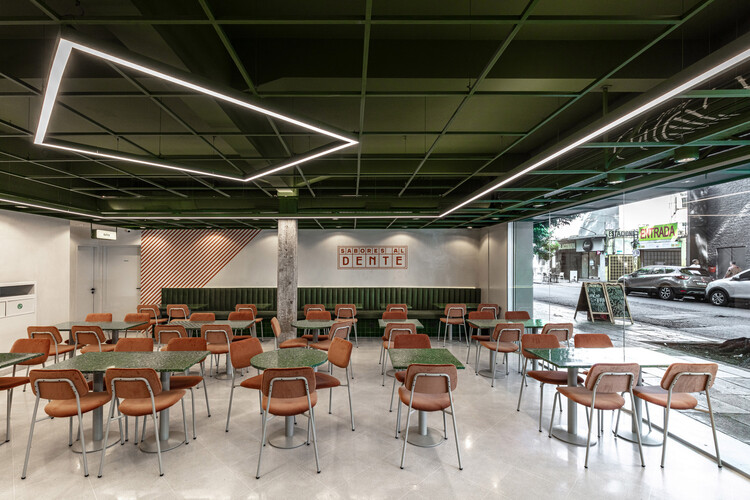
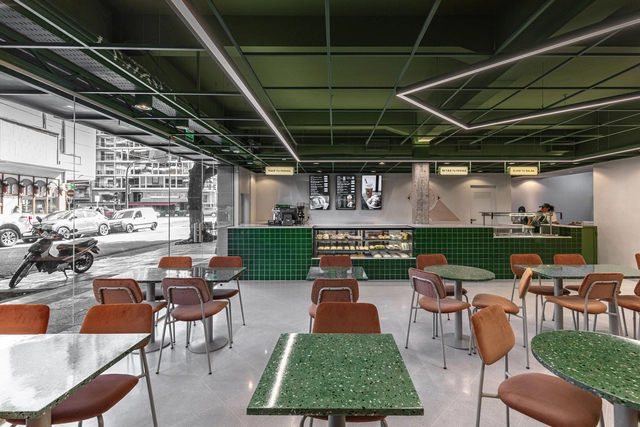
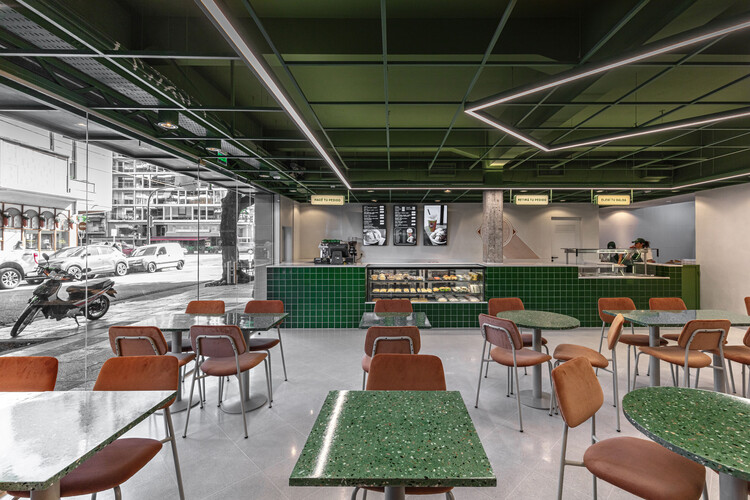
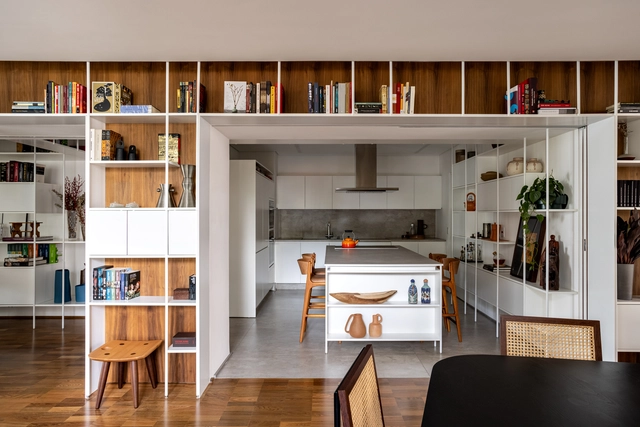
Diletto Pastas - Barrio Chino / Cupla Arquitectura - Lucia Vallve & Tomas Mielnikowicz
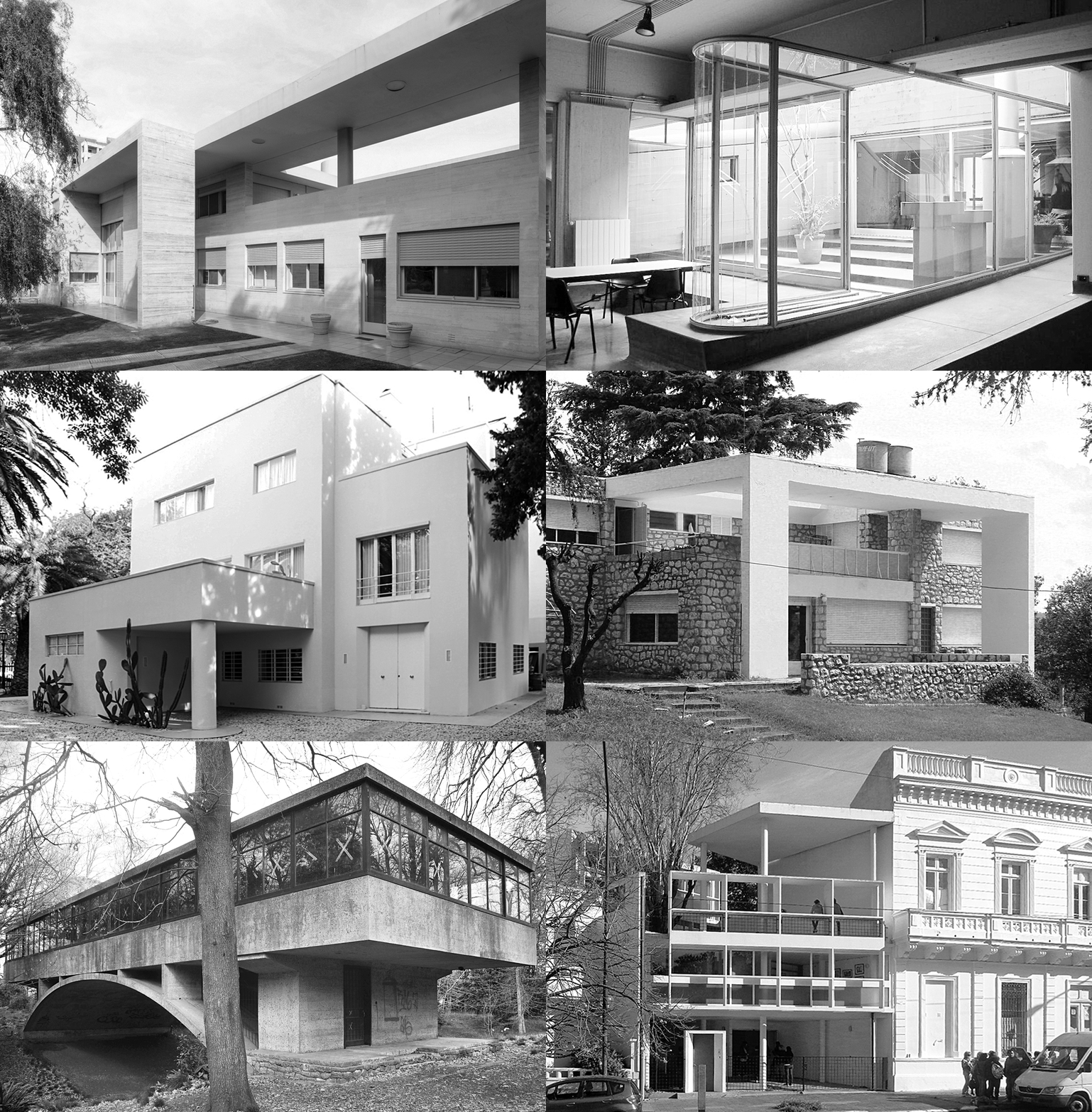
8 Houses That Defined Modern Architecture in Argentina

Modernism played an undeniable role in the renewal of architectural ideals, contributing a new attitude toward understanding new ways of living, construction techniques, and aesthetics, marking profound changes in the general perception of the world. In Argentina, while it is complex to define modern architectural production periodically, it is possible to mention some architects who began, starting in the 1920s, to engage with these ideas. The intellectual contributions and architectural creations of Alejandro Virasoro, Alberto Prebisch, Ernesto Vautier, Fermín Beretervide, Wladimiro Acosta, Alejo Martinez, Antonio and Carlos Vilar, Juan Kurchan, Jorge Ferrari Hardoy, Antonio Bonet, Abel López Chas, Eduardo Catalano, Eduardo Sacriste, and Amancio Williams, among others, often included original approaches associated with new modes of thought, manifesting an architecture resulting from the analysis of the local and regional conditions of their cities.
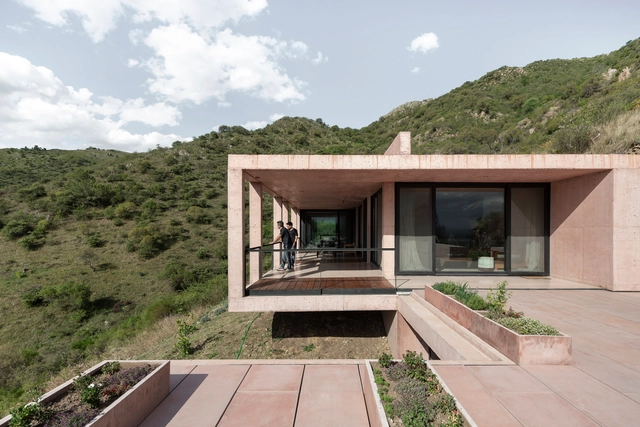
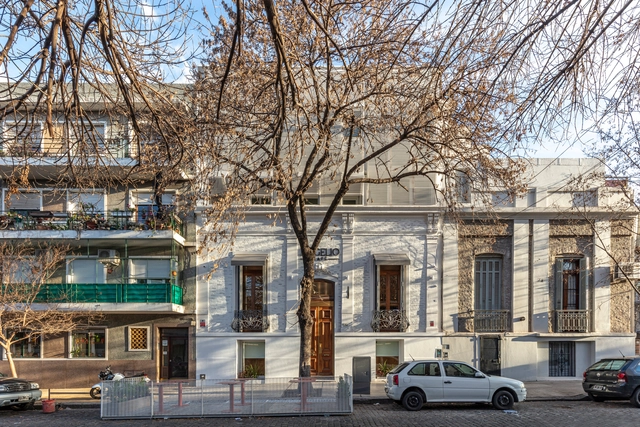
Integrating the Past: Contemporary Projects that Preserve Preexisting Façades

Operating in urban environments often requires us to make decisions regarding pre-existing structures. The increase in city density has directly impacted the availability of space for developing new and independent constructions, sparking debates about what stance to take toward built heritage that has become obsolete—either due to deterioration or because it no longer meets the functional needs of the contemporary population. In cases where buildings have seriously deteriorated or new projects differ greatly from the spatial possibilities an old building can offer, preserving only the façade—as an exterior envelope, almost like a superficial element—can be seen as a partial solution that allows for the preservation, in part, of the urban character of a structure if it holds some public or cultural value. The controversy arises, certainly, from the lack of relationship or connection between the transformed interior and the preserved exterior.
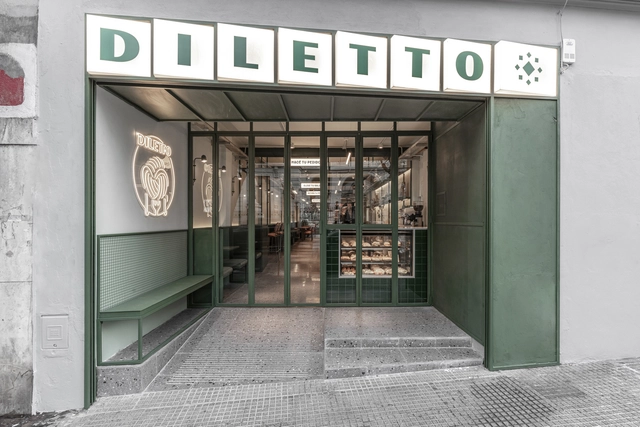
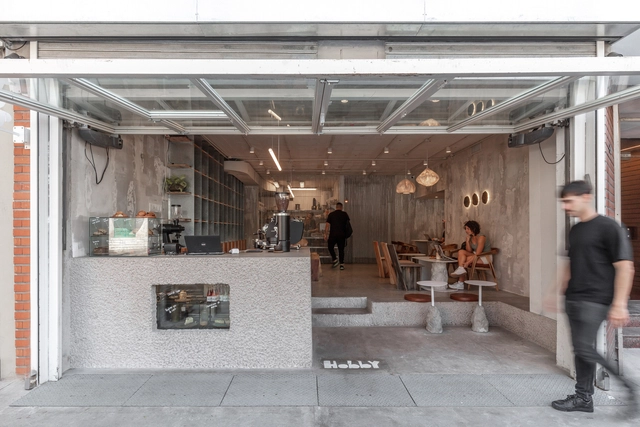
Hobby - Specialty Café / cupla arquitectura

Fraga 586 Extension / Arqtipo
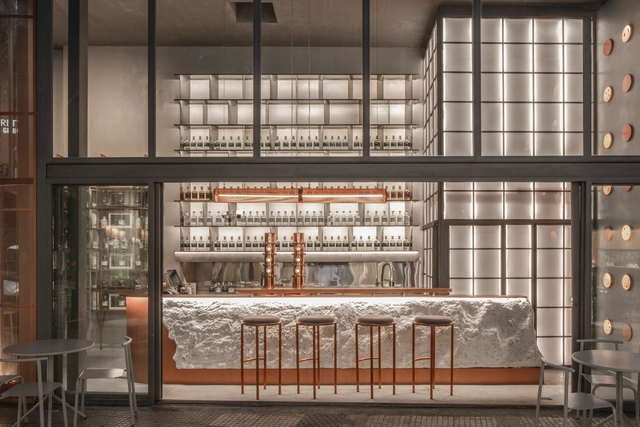
Moretti Gin Bar / Estudio Grizzo Arquitectos
Pizzeria Cacto / Estudio Grizzo Arquitectos
Cervantes Building / Grizzo Studio

-
Architects: Grizzo Studio
- Area: 450 m²
- Year: 2022
10 Houses with Sofas Built in to the Architecture

Implemented as a means to take full advantage of space, built-in furniture has grown in popularity as well as ingenuity as designers tackle the needs and tastes of a wide range of users. It's ability to adapt and integrate into architectural spaces allows it, through a variety of configurations and materials, to fulfill various functions; however, this poses an interesting question. Is it truly the furniture that adapts to our living spaces? Could it not itself become the protagonist and creator of the spaces that we project?
Bars and Restaurants: 50 Examples in Plan and Section

The spatial distribution of a restaurant or bar is essential to its success. Faced with this design challenge, several architects have experimented and proposed configurations that both enhance the use of space in different culinary experiences.
With this being said, take a look at 50 gastronomic establishments in plan and section to inspire your next design.
House Plans Under 100 Square Meters: 30 Useful Examples

The challenge of designing a house with a tight budget and space constraints, together with the essential duty of responding correctly to the requirements of the user, is sometimes one of the most challenging and motivating tasks an architect can face. How can you take advantage of space most effectively? How can you avoid wasted material? How do you anticipate the possible future expansion of the house? And how do you develop a simple design that also delivers value to its inhabitants?
To help you in this process, we scoured our projects archives to select 30 houses that provide interesting architectural solutions despite measuring less than 100 square meters.
Concrete Wonders: 40 Impressive Details Using the Cement-Based Building Material

Due to its ability to mold and create different shapes, concrete is one of architecture's most popular materials. While one of its most common uses is as a humble foundation, its plasticity means that it is also used in almost all types of construction, from housing to museums, presenting a variety of details of work that deserves special attention.
Check out this collection of 40 projects that highlight the use of concrete. Impressive!
Stella Artois Stand / Hitzig Militello arquitectos

-
Architects: Hitzig Militello arquitectos
- Area: 15 m²
- Year: 2020
PAU House / María Victoria Besonías + Guillermo de Almeida

-
Architects: Besonias Almeida Arquitectos
- Area: 223 m²
- Year: 2022
Ocampo Building / Estudio Morton 51st

-
Architects: Estudio Morton 51st
- Area: 1968 m²
- Year: 2021
-
Manufacturers: Bará, D'accord, Descar SRL , Domec, FV, +6