-
Architects: ZAV Architects
- Area: 450 m²
- Year: 2025

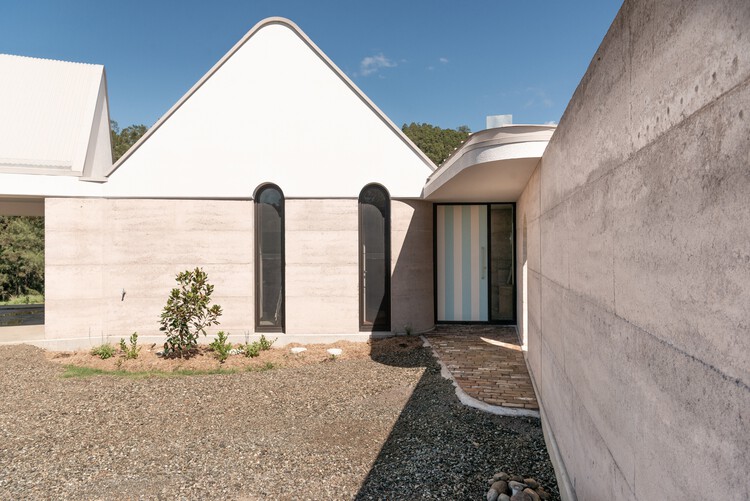
In recent years, earthen construction has gained renewed attention in architecture. Materials such as adobe, rammed earth, and compressed earth blocks, once mainly associated with vernacular traditions, are increasingly being explored by contemporary architects. Rather than representing a simple return to the past, this renewed interest reflects a broader reconsideration of how architecture engages with materials, local resources, and environmental conditions.
For centuries, building with earth was part of everyday construction across many regions of the world. Techniques such as adobe, rammed earth, cob, and other soil-based systems developed gradually through adaptation to climate, available resources, and local construction practices. These methods responded directly to environmental conditions while shaping cultural ways of building. This knowledge circulated through collective practices rather than formal architectural education, allowing techniques to evolve through continuous experimentation.

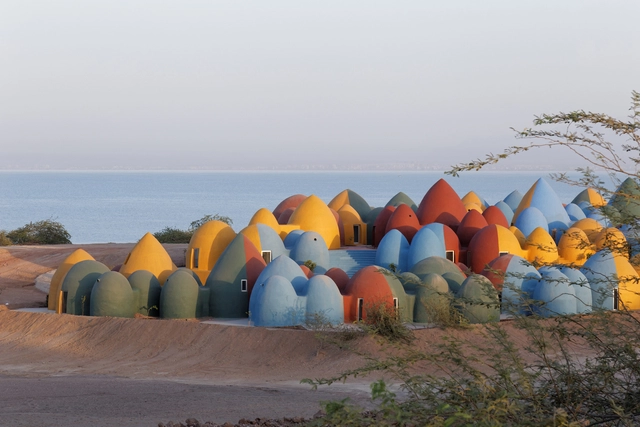
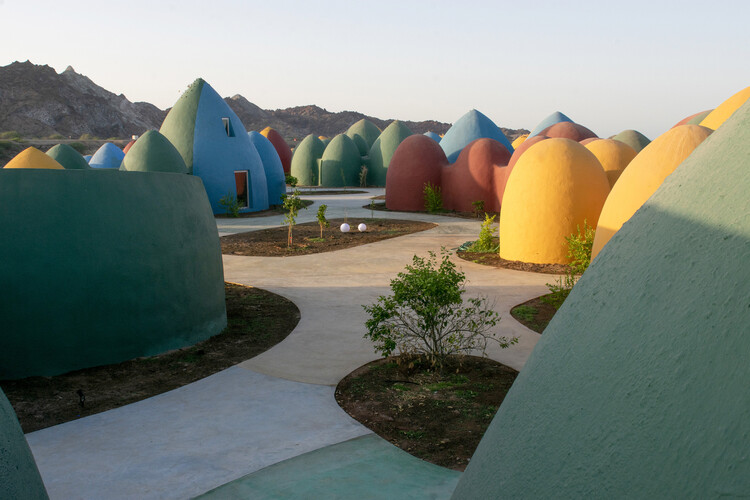
Hormuz Island, located in Iran, was a strategically significant port in the Persian Gulf, characterized by its landscape of colorful mountains. Despite its tourist appeal, the island faces significant socio-economic problems, with the local population having historically faced economic hardship. In response, the Majara Complex by ZAV Architects was conceived not merely as a building but as a deliberate architectural intervention designed to give control, opportunity, and economic benefit directly to the local community. To do this, the project channeled investment into local human resources and prioritized accessible construction techniques, creating a pathway for localized wealth creation. This allowed the Majara Complex to be one of the recipients of the Aga Khan Award for Architecture in 2025.
The MA Awards, conceived by Mujer ArquitectA, aim to highlight and promote the creations of contemporary women architects in Chile, valuing their contribution to the architectural field. This recognition celebrates the excellence and outstanding contributions of women architects in the field of creation and design. These awards seek to highlight the innovation, unique vision, and exceptional skill of women architects, offering a meaningful space to honor and bring visibility to their valuable impact on the world of architecture.
On Tuesday, December 5, at the AOA (Association of Architectural Offices) auditorium, the following winners were announced.