


-
Architects: Desterro Arquitetos
- Area: 420 m²
- Year: 2017
-
Manufacturers: Durafloor, Muller, Portobello, Suvinil
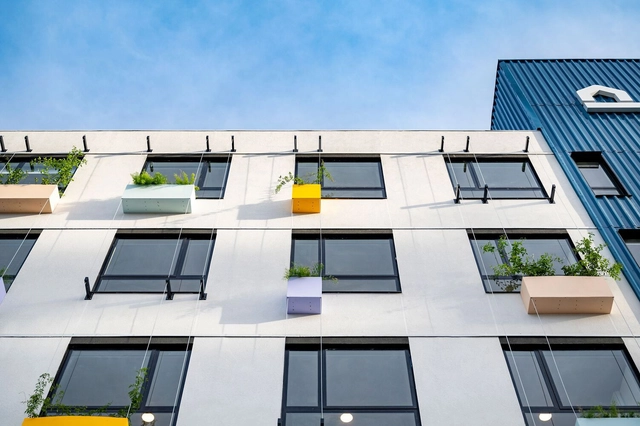
Every innovation brings with it frictions, disruptions, and, above all, learnings. In the construction industry—a sector historically resistant to change—new construction systems are often met with some skepticism, requiring careful analysis of the challenges that arise. The wood frame system, widely adopted in countries such as the United States, Japan, and Germany, has yet to gain significant popularity in Brazil due to factors that keep the sector labor-intensive and strongly tied to conventional masonry and concrete methods.
However, with the decreasing availability of labor and new demands for efficiency and sustainability, the construction sector has gradually begun to explore innovative alternatives. In this context, the Parkside Carvoeira building in Florianópolis stands out as a landmark of innovation, being the tallest wood frame building in Brazil. Developed in partnership with Desterro Arquitetos, Parkside, and the local construction company Tecverde, this pioneering project adopts the system as a sustainable and efficient solution to meet the needs of contemporary construction in the country.
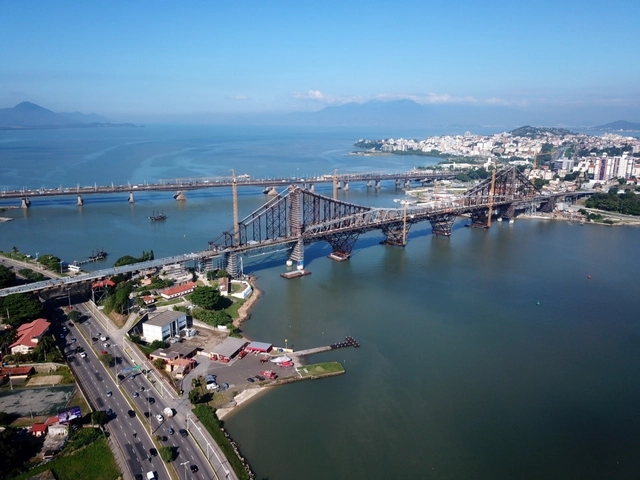
The City of Florianópolis and the Santa Catarina State Government plan to inaugurate the first phase of the urban redevelopment project for the famous Hercílio Luz Bridge and its surroundings by the end of the year. Named Ponte Viva: Hercílio Luz Para as Pessoas (Living Bridge: Hercílio Luz for People), the project encompasses not only the restructuring of the iconic landmark as road infrastructure, but also its activation for other uses, such as sports, leisure, and culture.