.jpg?1557993705&format=webp&width=640&height=580)
.jpg?1557993815&format=webp&width=230&height=230&crop=true)
.jpg?1557993673&format=webp&width=230&height=230&crop=true)
.jpg?1557993732&format=webp&width=230&height=230&crop=true)
.jpg?1557993634&format=webp&width=230&height=230&crop=true)
.jpg?1557993705)
-
Architects: Martin Friedrich Architects
- Area: 740 m²


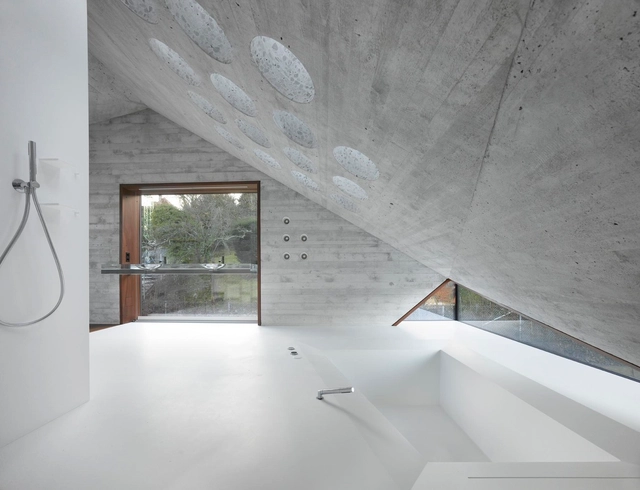
Why use concrete in bathrooms?
Béton brut or "raw concrete" is a naturally porous material that provides many advantages for the design and build of a bathroom. As a waterproof and pressure-resistant material, it is easy to clean, doesn't deteriorate, prevents bathroom fungus and is low maintenance. Attractive as it is functional, concrete is versatile for both on-site furniture and wall coatings, floors and even shower trays. In addition, due to its thermal mass, concrete is an excellent material for floor heating.
Pro Tip: There are a variety of concrete finishes, but for the safety of daily bathroom users, you must add a surface sealer and a certain percentage of traction to avoid slippage.
Below, we've compiled 26 concrete bathrooms that find intimacy in béton brut.
This collection is one of many interesting content groupings made by our registered users. Remember you can save and manage what inspires you on ArchDaily account. Create yours here.
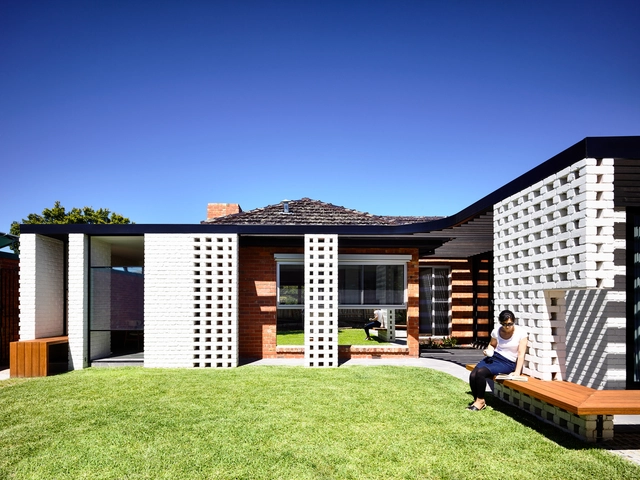
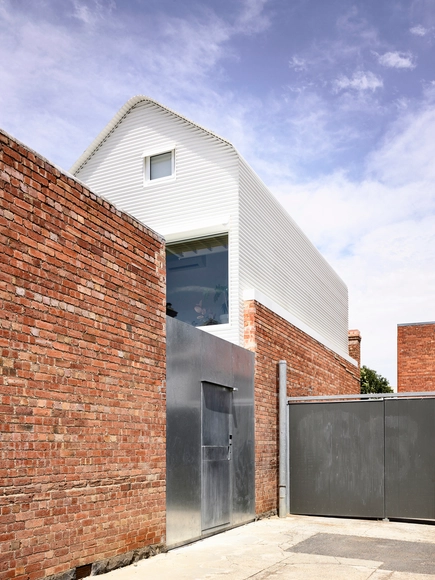

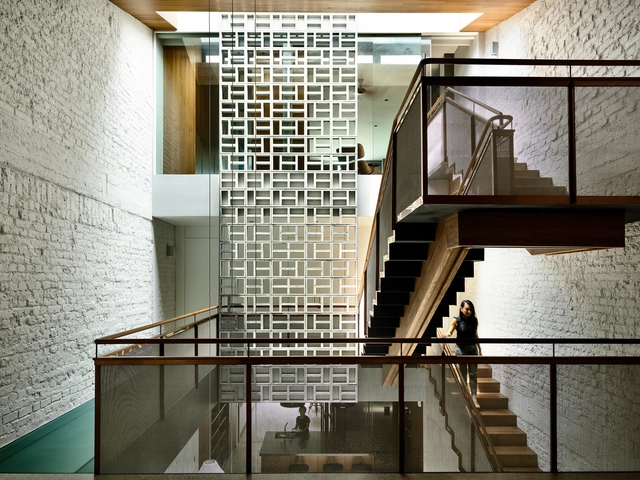

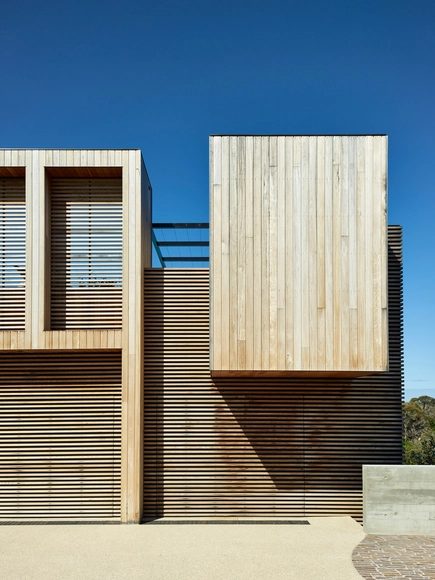

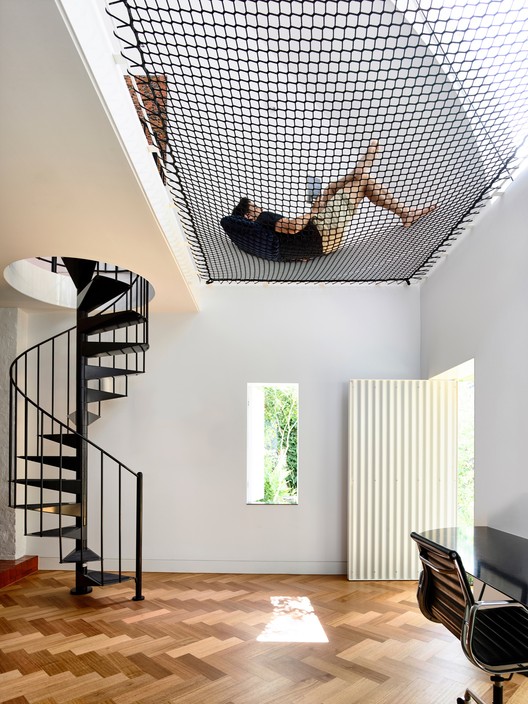


Because, for all the inspirational works across the world, we would be lost without the photographers dedicated to sharing this inspiration with us. Here we present to you the 50 most influential architectural photographs of the year.


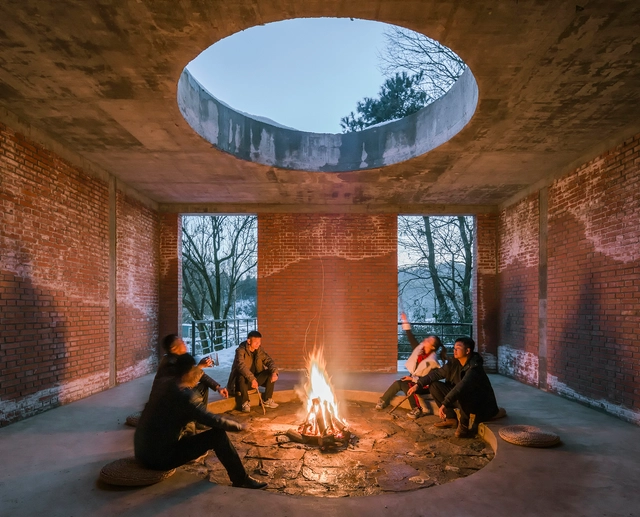
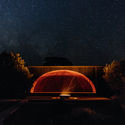
From the beginning of time, human beings have gathered around the fire. The first settlements and huts included in their interior a small bonfire to cook and maintain the heat of its inhabitants. This tradition has continued to the present, and chimneys and fireplaces have developed into the most varied designs and forms, providing possibilities both inside and outside a home.
To give you ideas for materials, structures, and spatial configurations, we present 35 remarkable meeting places around the fire.






.jpg?1538837694&format=webp&width=230&height=230&crop=true)

.jpg?1538837367&format=webp&width=230&height=230&crop=true)