Bas Gijselhart

BROWSE ALL FROM THIS PHOTOGRAPHER HERE

How to Use Alternative Products and Materials to Reduce a Project’s Carbon Footprint

Subscriber Access | 

Working within the restrictions of a limited carbon footprint can be one of the hardest – but also most rewarding – parts of a modern architect’s role. Whether to suit a large multinational corporation’s sustainability report, to achieve LEED status or similar for a commercial developer, or to build an eco-home for a climate-conscious private client – or even one who just wants to spend less on energy, it’s imperative to keep up-to-date with the latest carbon-neutral and low-carbon building practices and materials.

Whether looking at a project’s structural beginnings, its high-grade finishes, or thinking more holistically about its entire lifetime, there are huge gains to be made with sustainable substitutes and alternatives to traditional materials and techniques.

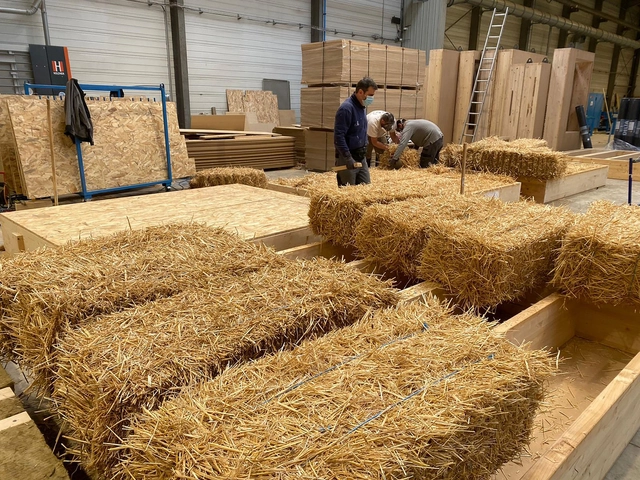
How to Use Alternative Products and Materials to Reduce a Project’s Carbon Footprint - More Images+ 5

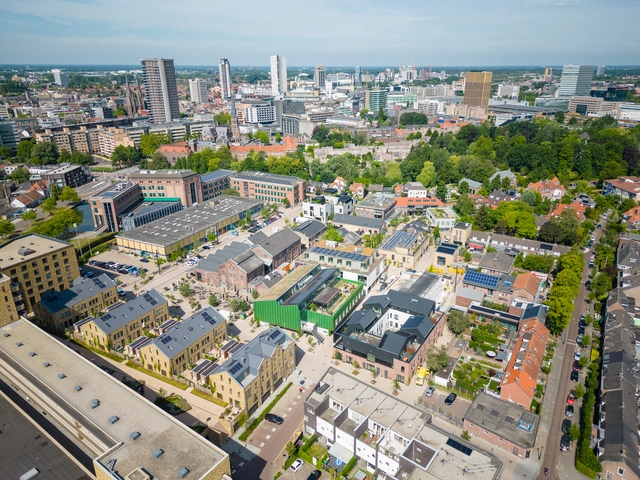
Made by NRE / Houben / van Mierlo

Made by NRE  / Houben / van Mierlo - More Images+ 19

  • Area Area of this architecture project Area:  6100
  • Year Completion year of this architecture project Year:  2023
  • Manufacturers Brands with products used in this architecture project
    Manufacturers:  IsoHemp

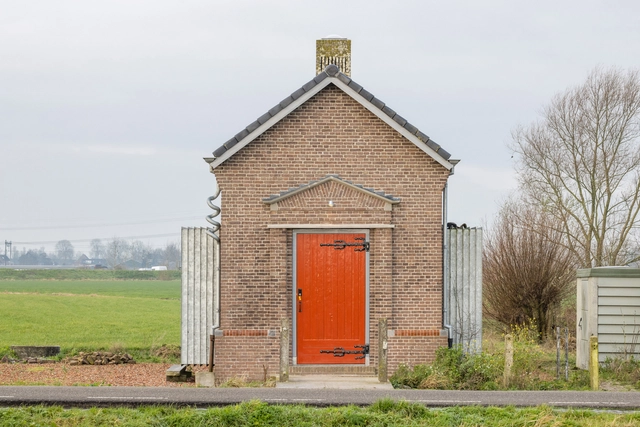
Transformation House / Lautenbag Architectuur + De Stadsmeubelmaker

Transformation House / Lautenbag Architectuur + De Stadsmeubelmaker - More Images+ 17

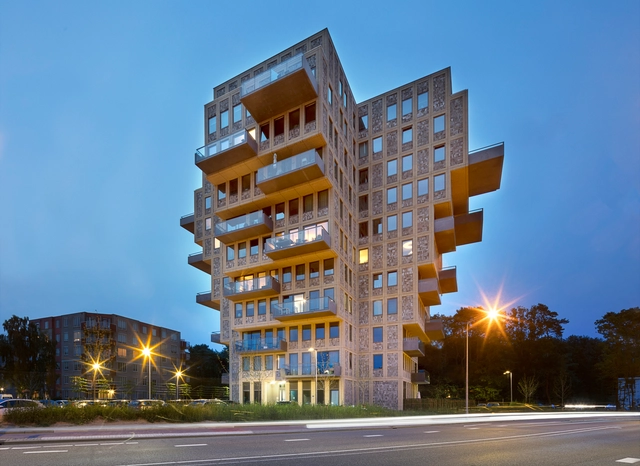
Belvedere Tower / René van Zuuk Architects

Belvedere Tower / René van Zuuk Architects - More Images+ 12

  • Area Area of this architecture project Area:  6500
  • Year Completion year of this architecture project Year:  2018
  • Manufacturers Brands with products used in this architecture project
    Manufacturers:  Schöck, Atlas Schindler, ASWA keukens, Aberson, Kawneer, +2