Angie McMonigal

BROWSE ALL FROM THIS PHOTOGRAPHER HERE

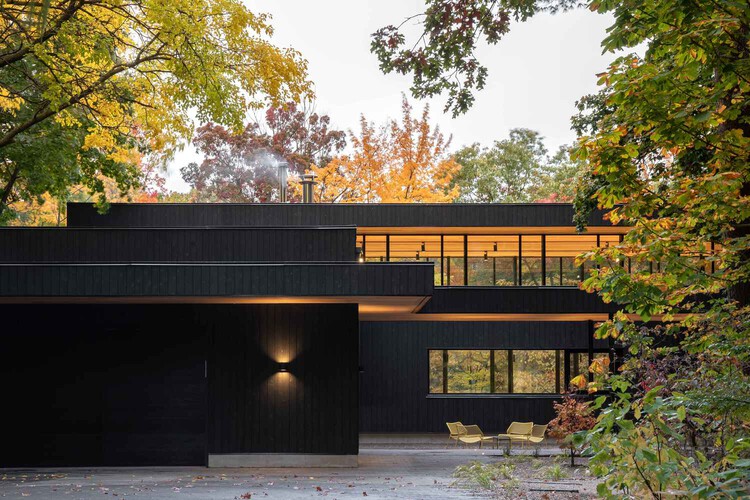
Deep Tones and Natural Roots: 22 Shou Sugi Ban Homes Across the US and Canada

Subscriber Access | 

Shou Sugi Ban is a traditional Japanese technique for wood preservation that involves charring the surface of timber to create a protective layer. While its origins are rooted in practical durability, the method has been widely adapted into the modern built environment and shapes a unique and distinctive aesthetic. It is a material of contradiction: it remains bold in its visual language due to its dark tones, yet it simultaneously borrows from and complements its natural surroundings, allowing houses to settle quietly into their sites.

The charred finish among the 22 residences featured here across Canada and the United States serves as a common thread for navigating extreme climates. From humid lakefronts to dense forests, the carbonized skin acts as a resilient shield against diverse conditions. Beyond mere protection, these houses demonstrate how the material's texture changes with exposure to light, transforming from a flat matte in the shade to a silver-flecked, shimmering surface in direct sun. These projects also showcase the technique's ability to define architectural volumes, using the dark cladding to create sharp, monolithic silhouettes or to highlight the voids in a building's mass, such as recessed entryways and sheltered terraces.

Deep Tones and Natural Roots: 22 Shou Sugi Ban Homes Across the US and Canada - More Images+ 20

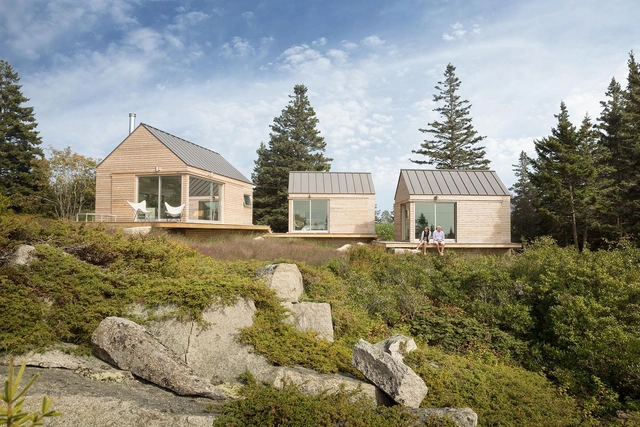
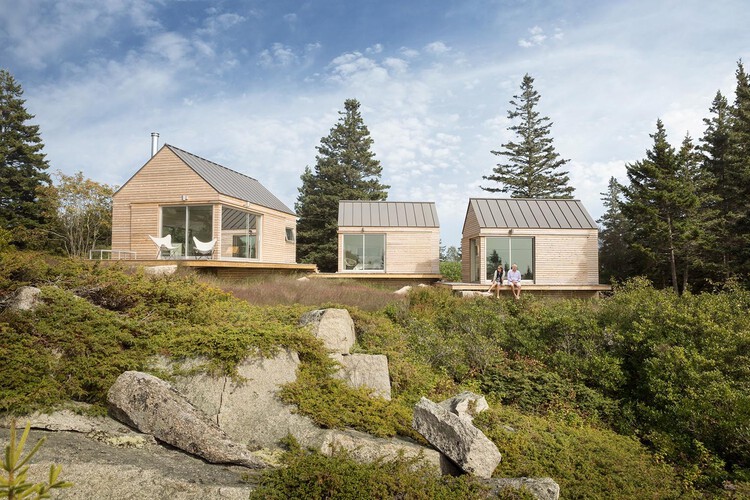
Guesthouses and Lessons in Generosity: Spaces of Hospitality in Rural America

Spaces of hospitality are a mirror to how different cultures articulate generosity, care, belonging, and identity. In busy city settings, this is reflected in hotels, service systems, and curated amenities that directly shape the visitor experience. These spaces translate care into measurable forms, where success is correlated with efficiency, luxury, and brand identity.

In rural America, hospitality operates with a different logic. In these environments, care is grounded in labor and community, while directly responding to the specific ecological and cultural geographies. Distance, limited infrastructure, and close social networks demand forms of architecture that are flexible and self-sufficient. Designs respond to shifting weather, local materials, and a culture where support often begins with neighbors. In this landscape, architectural thresholds of hospitality emerge in responsive, yet unexpected, ways.

Guesthouses and Lessons in Generosity: Spaces of Hospitality in Rural America - More Images+ 39

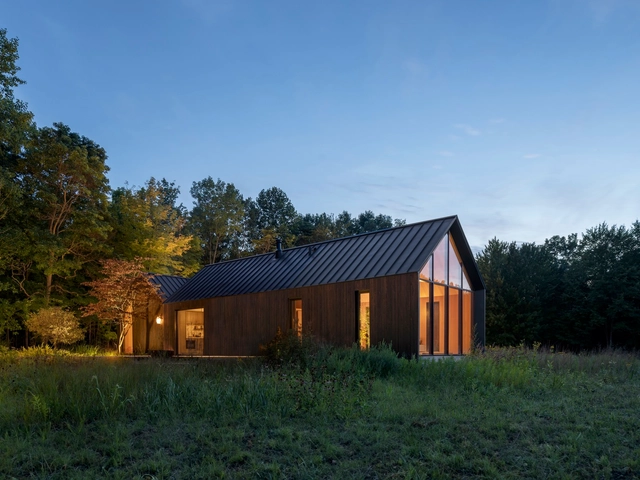
Dutchmoor Valley Guesthouse / SEEK Design + Architecture

Dutchmoor Valley Guesthouse / SEEK Design + Architecture - More Images+ 13

  • Area Area of this architecture project Area:  2700 ft²
  • Year Completion year of this architecture project Year:  2023
  • Manufacturers Brands with products used in this architecture project
    Manufacturers:  RHEINZINK, A Fine Line, Dekko Concrete, Henrybuilt, Nakamoto Forestry North America, +4

River Point / Pickard Chilton

River Point / Pickard Chilton - Exterior Photography, Retail , Facade, Cityscape
© David Sundberg/Esto

River Point / Pickard Chilton - More Images+ 22