One of the defining features of cities is their undeniable capacity to bring together creative talent through multiculturalism and transdisciplinarity. Today, it is increasingly vital to generate spaces and platforms within these urban environments that serve as creative laboratories—places not only to share but, above all, to reflect on contemporary practice, viewing design not as a decontextualized entity, but as an integrated concept that bridges diverse disciplines.
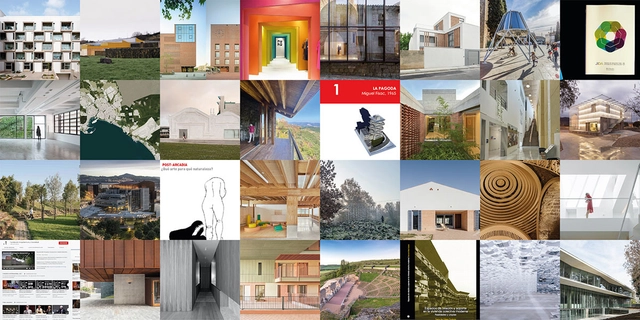
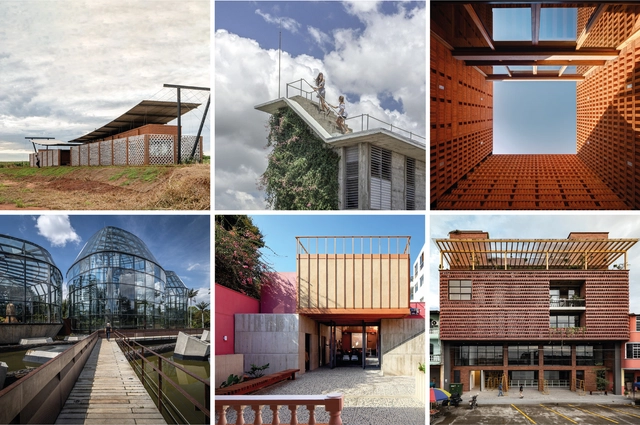
This November, REDBAAL will mark its first decade of activity, a milestone celebrated alongside four editions of the Oscar Niemeyer Award for Latin American Architecture (ON Award). Over these years, more than 350 projects have been submitted, all of which share the distinction of having been previously recognized at the most prestigious architectural biennials across Latin America.
https://www.archdaily.com/1132501/discover-the-20-finalist-projects-of-the-2022-oscar-niemeyer-award-for-latin-american-architectureDiego Vivas
Anderson Marín Vidal and Juan Sebastián García, from the research group on Sustainable and Applied Emerging Technologies (T.E.S.A.), present an analysis of the primary impacts expected from the designs for the Río Molino Waterfront (Malecón del Río Molino). Created by the architecture firm Celeste & Piedra, the project won first place in a competition organized by the Mayor's Office of Popayán and Findeter.
https://www.archdaily.com/1132507/what-the-new-waterfront-along-the-molino-river-in-popayan-colombia-will-look-likeAnderson Marín Vidal y Juan Sebastián García
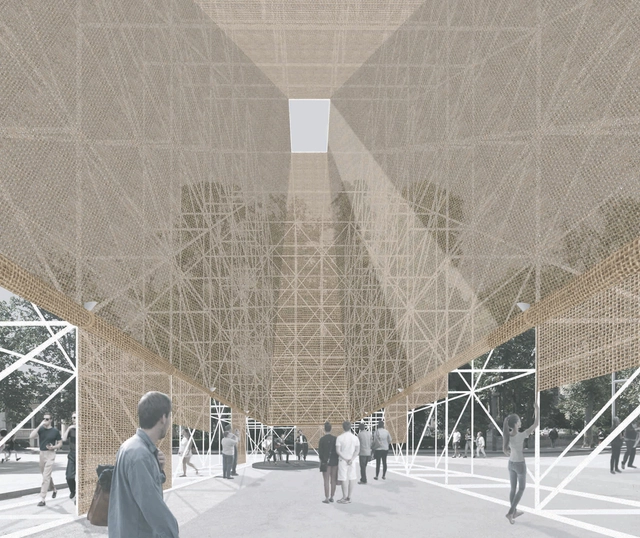
Aire / P + S Estudio de Arquitectura. Image Cortesía de TAC! Festival de Arquitectura Urbana
TheTAC! Urban Architecture Festival is an initiative led by the General Directorate for Urban Agenda and Architecture of the Ministry of Transport, Mobility, and Urban Agenda (MITMA), in collaboration with the Arquia Foundation. It is aimed at young architects to design and build a temporary pavilion that will host exhibitions, meetings, and activities.
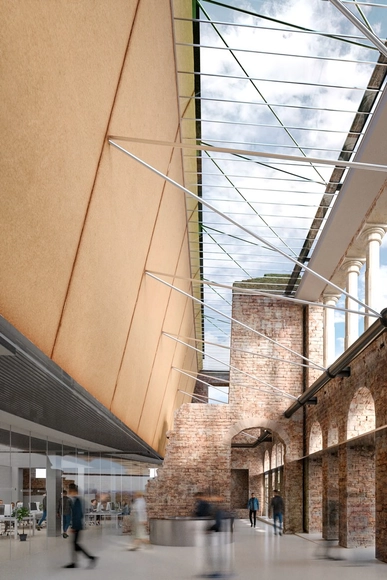
Proyecto ganador del Concurso para el Nuevo Archivo Regional Valparaíso. Image Cortesía de Cecilia Puga y Paula Velasco
Earlier this year, the Ministry of Cultures, Arts, and Heritage, through the National Cultural Heritage Service (SNPC), launched the bidding process for the design of the Valparaíso Regional Archive. The future building not only aims to preserve historical documents and collections and promote research and access to information, but also represents a major opportunity to value and reactivate the ruins of the historic Palacio Subercaseaux in Valparaíso's Barrio Puerto, Chile.
Following an evaluation of the 13 accepted bids, the winning proposal was submitted by architects Cecilia Puga, Paula Velasco, and their team. Their design defends and protects the urban profile, showing us how to connect the new with the old. Below, discover the winning project in detail, along with the other awarded entries.
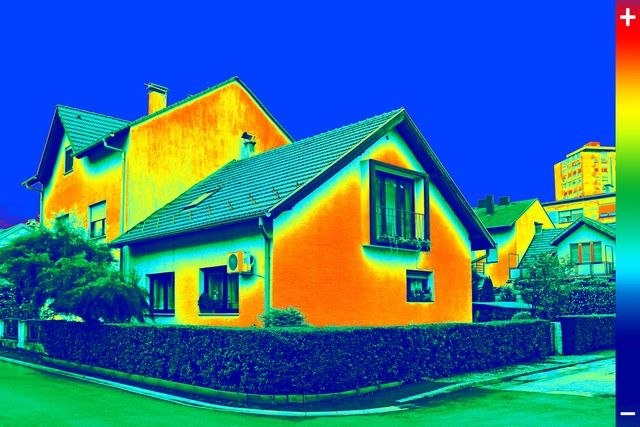
Infrared thermography image showing a home's lack of thermal insulation. Image by Ivan Smuk. Image via Shutterstock
How can we analyze the environmental impact of buildings? What strategies could be developed to improve people's quality of life and achieve a harmonious relationship with the environment? Year after year, more questions are added to the design decision-making process of thousands of architects around the world. They seek to take action and implement policies that improve the environmental performance of their buildings, reducing energy and resource consumption while also lowering greenhouse gas emissions and waste production.
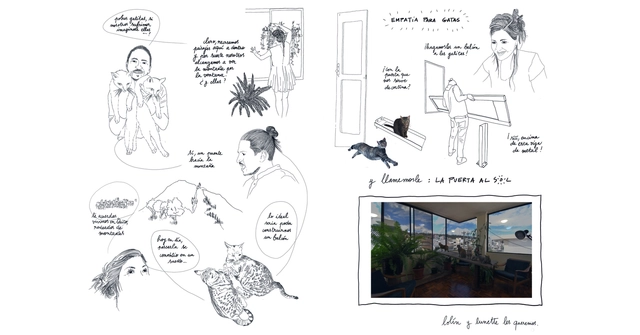
In the midst of today's information age, several Latin American architecture firms are returning to analog formats, ranging from fanzines and illustrations to manuals and postcards.
Against the backdrop of the Taller Social Latinoamericano in Colombia, we spoke with the firms Ruta 4 Taller (Colombia), Coonvite (Colombia), La Cabina de la Curiosidad (Ecuador), and República Portátil (Chile)—all of whom have, coincidentally, explored these formats in their recent work.
More than a trend, industrialization is a necessity in the construction industry. In recent years, we have witnessed its importance in increasing productivity and speed of execution—as well as reducing waste—in architectural projects. Beyond streamlining construction processes, this serial, mechanical, and standardized production increases quality and shortens delivery times. If initial project decisions incorporate the modulation of the various stages that can be industrialized within vertical and horizontal parameters, the outcome is much more efficient than if these are evaluated during construction (when it is no longer possible to reduce waste through modulation). Furthermore, by minimizing waste and reducing the consumption of energy and water resources, it also contributes to a more sustainable industry.
Architects and designers, as well as psychologists and sociologists, recognize that aesthetics and its underlying philosophy have the power to change how we perceive the world around us. Consequently, a deeper understanding of what is beautiful holds the powerful potential to alter how people respond to their environment.
Exploring the different meanings of aesthetics in architecture, from 'form follows function' to the aesthetics of the metaverse, can help us understand the potential of our physical and virtual environments on the path toward a better world.
Much has been written on the subject, from Alberto Pérez-Gómez's "The Beautiful and the Just in Architecture" to Pablo Caldera's "The Failure of Beauty." Now, however, we want to open up the debate and invite you, our readers, to share your perspectives on what makes a building or a city beautiful.
Share your thoughts in the form below. Selected responses will be published in an upcoming article.
In 2019, the Governing Council of the URJC (Universidad Rey Juan Carlos) approved an infrastructure plan to remodel several of the university's campus buildings, including the classroom and departmental building on the Madrid-Vicálvaro Campus. This led to an agreement with the COAM (Official Association of Architects of Madrid) to organize an ideas competition to select the final design for the building, which was launched in February 2022.
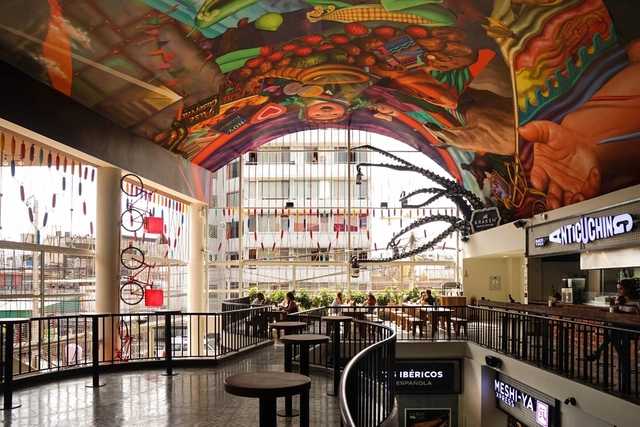
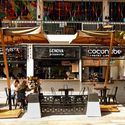
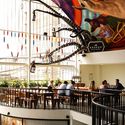
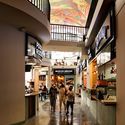
In the district of Miraflores, the tourist heart of Lima (the capital of Peru), the San Ramón Gastronomic Market opened in December 2021. It is located on the boulevard of the same name, in the picturesque district's well-known former Calle de las Pizzas. Open to the public, the project by the firm Arquitectura Verde aims to promote the enjoyment and awareness of the wide variety and richness of Peruvian gastronomy.
Through the construction of a narrative fiction, this work by Federico Lagomarsino, framed around the landscape, aims to depict everything that unfolds in contemporary society when a singular event occurs—in this case, the impact of the two largest meteorites detected to date in South America.
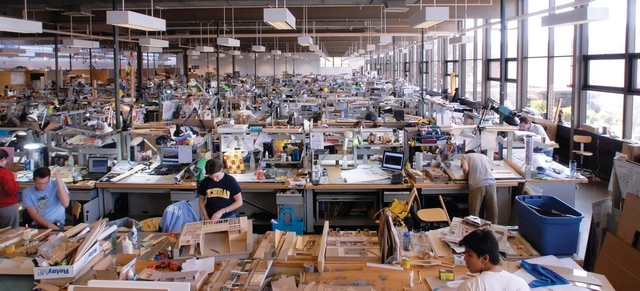
Is Apprenticeship the Way to Keep Architecture Education Relevant?. Image via University of Michigan
"I'm an architect... now what?" must be one of the most common questions for any recent graduate with an architecture degree in hand. Over the years, many will find jobs in different industries that do not necessarily involve working in an office designing and constructing buildings.
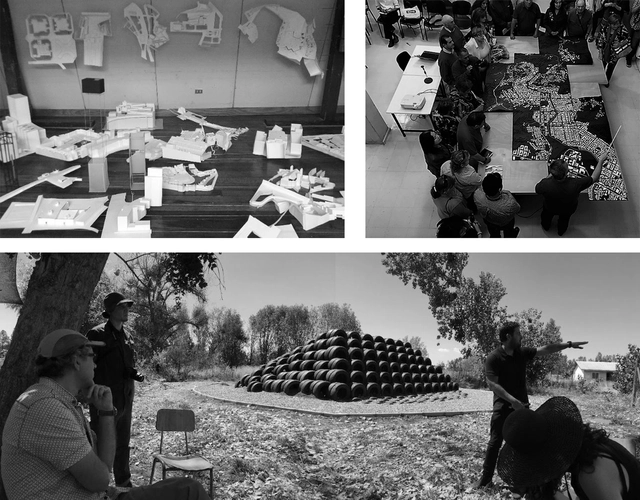
Abajo: U. de Talca. Arriba izquierda: Universidad de Valparaíso. Arriba Derecha: Taller de Barrios, GIDPRO (U. del Bío-Bío). Image Cortesía de Rodrigo Lagos Vergara y Macarena Paz Barrientos Díaz
Below, they present some of the most important points of their publication: three pedagogical actions in Chile that understand teaching as a central practice through the academic exercise of the design project.
https://www.archdaily.com/1132492/architecture-education-in-chile-1999-2019-ecological-potential-and-collective-political-senseRodrigo Lagos Vergara y Macarena Paz Barrientos Díaz
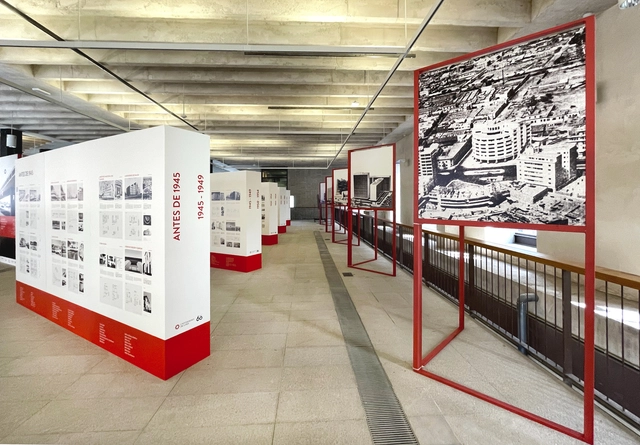
Catálogo de Arquitectura del Movimiento Moderno del Perú (CAMMP). Image Cortesía de Alejandra Acevedo
To promote Peruvian modern architecture internationally, the exhibition of the “Modern Movement Architecture Catalog of Peru (CAMMP)” opened on March 31 at the headquarters of the Official Association of Architects of Madrid (COAM) in Spain. The research, conducted by architects Alejandra Acevedo and Michelle Llona, was supported by the Architecture Program at the University of Lima and the Scientific Research Institute (IDIC), and will be open to the public until April 30 of this year.
Cortesía de Nómena y Cuatro Cero Cuatro Arquitectura
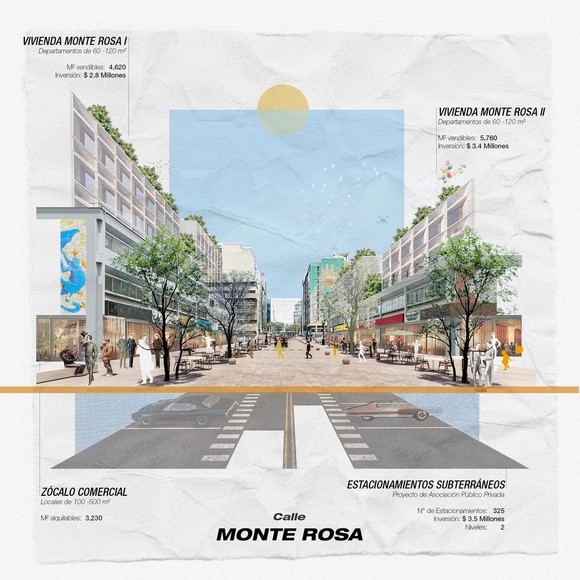
The power of visual representation in architecture fosters debate and reflection on various urban issues. "Imaginarios urbanos" (Urban Imaginaries) is a collective initiative by Nómena arquitectura and Cuatro Cero Cuatro Arquitectura. Through a series of evocative images, the project aims to raise awareness and drive change in the design of Lima's streets.
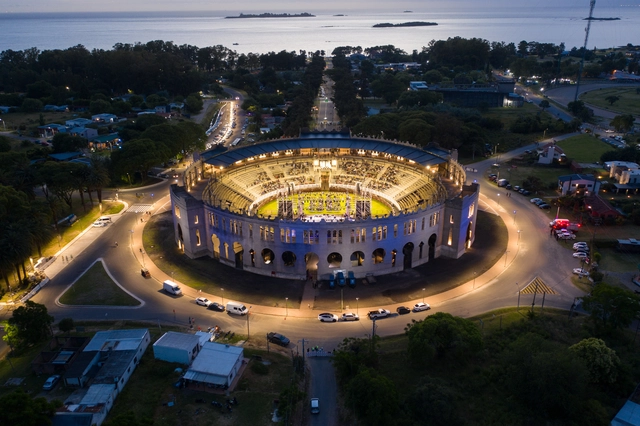
Recently opened in December 2021, the Plaza de Toros Real de San Carlos has been restored and repurposed to become a multi-purpose performance venue with a capacity for around 2,500 spectators in the stands and over 2,000 in the arena. Located in Colonia del Sacramento, Uruguay, this work, originally built by architect Josip Marković and engineer Dupuy, adopted a Neo-Mudéjar style, echoing the Spanish bullrings of that era.
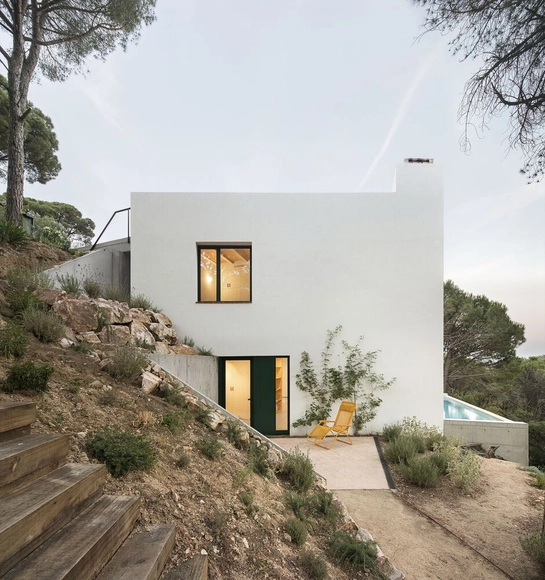
When designing residential interiors, architects increasingly lean toward creating environments where flexibility and space optimization provide solutions tailored to programmatic and functional needs, helping to achieve the well-being and comfort that turn a house into a true home.
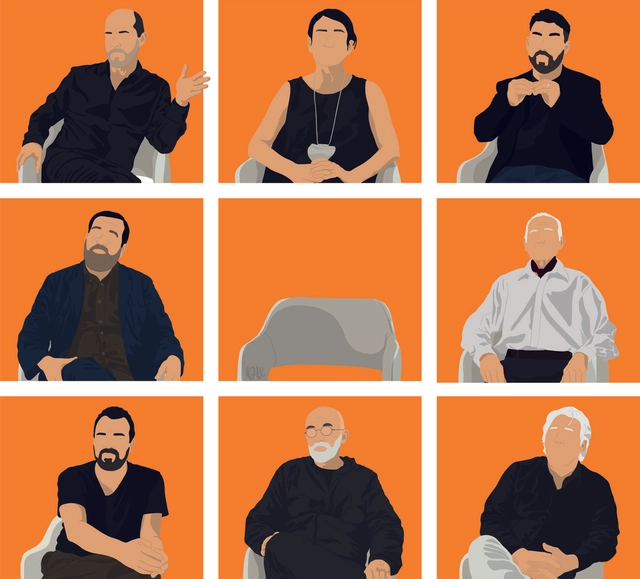
Desde la periferia is an audiovisual project directed by José Luis Uribe, PhD in architecture and professor at the School of Architecture of the University of Talca, Chile. The project consists of three documentaries to be released progressively over the next two years, exploring various aspects associated with contemporary Latin American architecture. The first installment, Volume I: Ugly, Dirty & Bad: A Contemporary Architecture in Latin America, is an audiovisual essay that gathers some of the initial thoughts on its current state through the oral accounts of a group of architects in a hotel room in Asunción, Paraguay.
Cortesía de Consejo Superior de los Colegios de Arquitectos de España
To promote the key, transformative role of architecture in improving quality of life and contributing to a better world, the Higher Council of Colleges of Architects of Spain (CSCAE) is revamping the awards it has presented since 1981 with the launch of the first edition of the ARQUITECTURA Awards.
Image by Enrique Guzmán. Corferias Active Edge. Image via BEP BOG 2021
Organized by the Colombian Society of Architects - Bogotá and Cundinamarca Chapter (SCA BC) and the Administrative Department of the Public Space Ombudsman (DADEP), the II Bogotá Public Space Biennial 2021 (BEP BOG) aims to recognize and showcase projects that contribute to the creation, recovery, and sustainability of public space in the city of Bogotá.
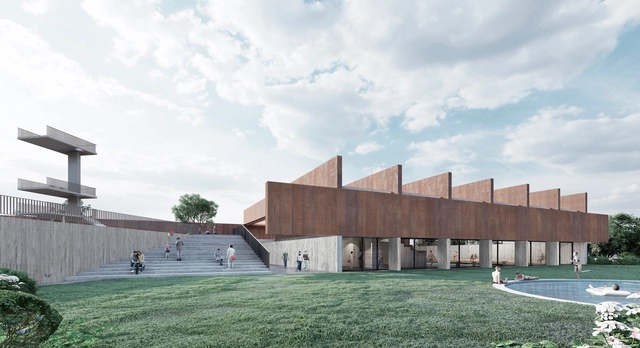
The New Municipal Swimming Pool of La Calera project in the Valparaíso Region is about to begin construction, as announced by the firm Gubbins Polidura Arquitectos on social media.



.gif?1654012767)


.jpg?1651685605&format=webp&width=640&height=580)