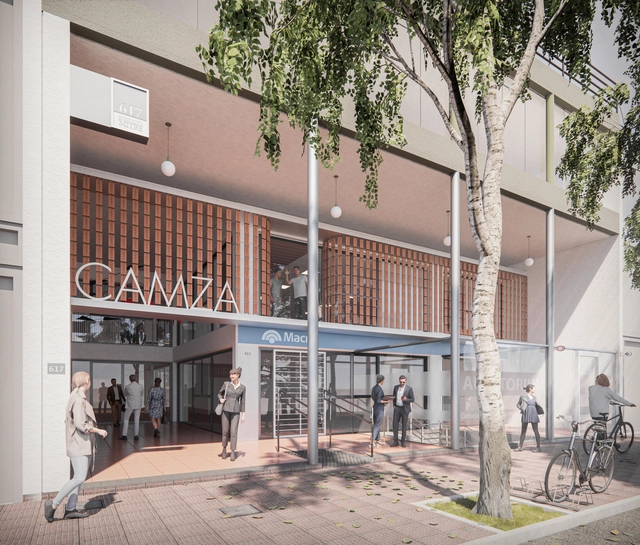
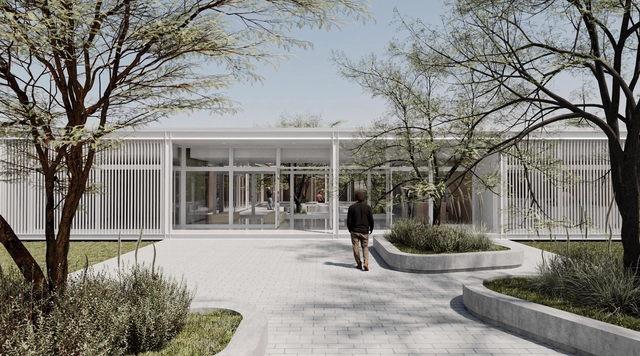
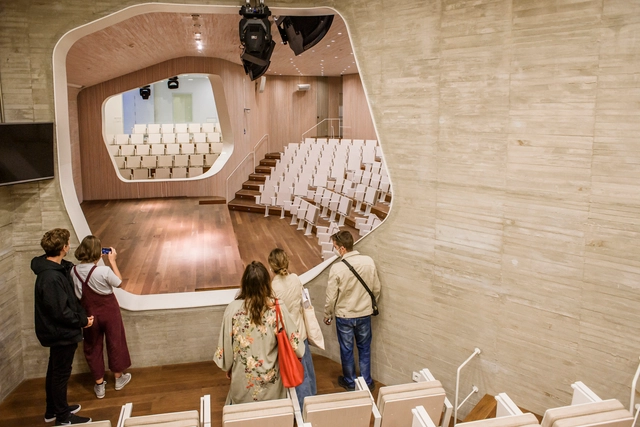
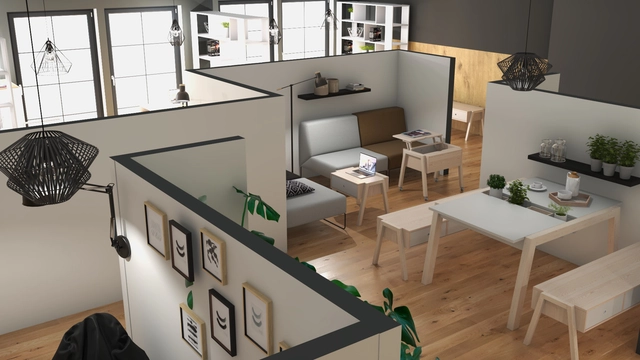
The Mendoza College of Architects (CAMZA) launched a Provincial Preliminary Design Competition for the refurbishment of its offices at the Central Regional and Board of Directors headquarters in the city of Mendoza. With a focus on functional, construction, and energy efficiency, the project aims to rethink the headquarters as a model space, keeping in mind everyone who inhabits and moves through these spaces.
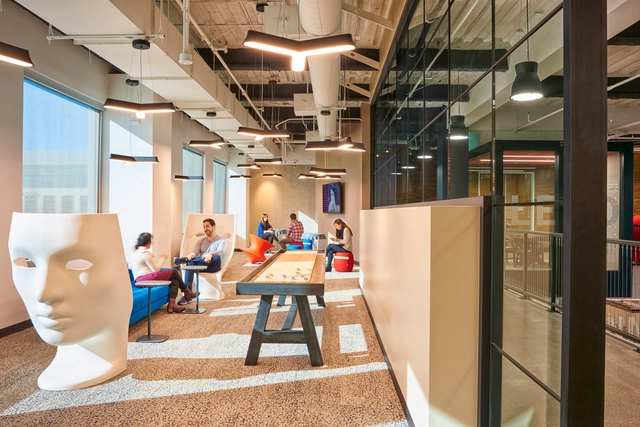
Sede da Symantec. Certificado por WELL. Imagem Cortesia de Little
Na teoria, a sensação de bem-estar pode ser definida como um estado de satisfação plena das exigências do corpo e do espírito, evocando sentimentos de segurança, conforto e tranquilidade. Na prática, a sensação de bem-estar pode ser fomentada por diferentes estratégias, desde hábitos individuais até a forma como o ambiente é construído.
The National Preliminary Project Competition for the construction of the new laboratories of the Córdoba Grain Exchange and Chamber was organized by the Association of Architects of the Province of Córdoba (CAPC) and sponsored by the Argentine Federation of Associations of Architects (FADEA). As a public, nationwide ideas competition, its goal is to rethink the laboratory headquarters through flexible spaces capable of adapting to future changes and growth. The design incorporates functional, constructive, and energy efficiency, while remaining mindful of both the people who occupy these spaces and their landscape context.
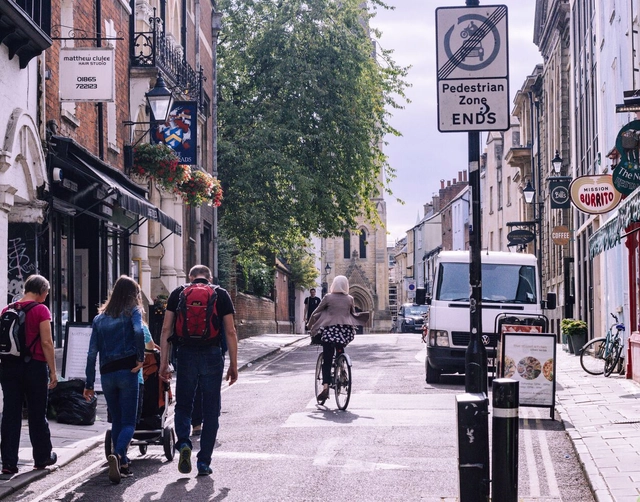
Oxford plans to transform its entire city center into a Zero Emission Zone. Photo by Suad Kamardeen, via Unsplash
The need to reduce greenhouse gas (GHG) emissions in the transportation sector is urgent, and implementing measures to this end represents both a challenge and an opportunity for local governments. This is the case with Zero-Emission Areas (ZEAs), urban sectors where pollutant emissions are neutralized. This measure primarily benefits those who will enjoy healthier urban spaces and more vibrant commercial activities. However, ensuring its success—or at least mitigating public backlash—requires deep social engagement and effective communication with the population.
https://www.archdaily.com/1136419/everything-you-need-to-know-about-zero-emission-zonesITDP Brasil
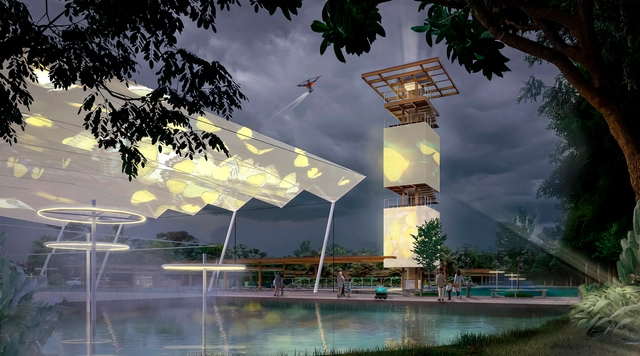
First-place winning proposal. Designed by André Augusto Prevedello. Image via Concurso EcoParque Itaipu
Itaipu Binacional, a company owned by Brazil and Paraguay that manages the Itaipu Hydroelectric Power Plant, has launched a national architecture competition for the design of the EcoParque Itaipu in Foz do Iguaçu. The competition brief, published in December 2022, called for the creation of an urban park that "will contribute to the conservation of one of the most significant green areas in Foz do Iguaçu, combining public and sustainable use."
The submitted architectural proposals had to be prepared to integrate a wide range of technologies, whether digital or nature-based solutions, aiming to transform the park into a living laboratory for solutions to address everyday challenges in a more joyful and effective way.
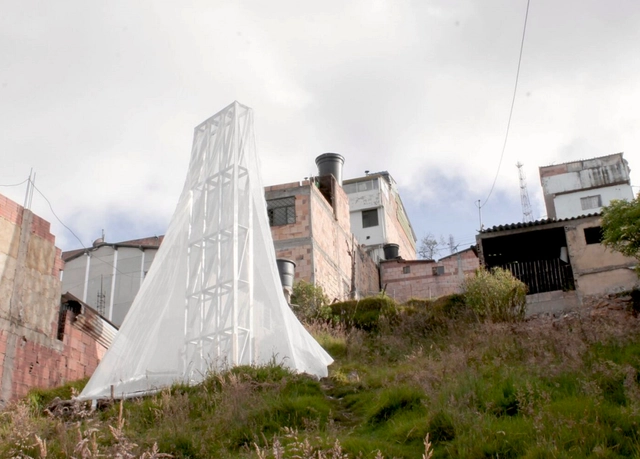
A prototype capable of collecting up to 200 liters of water per week was installed in the San Luis neighborhood of Bogotá, the capital of Colombia. Nicknamed the “fog harvester,” the development of the structure is the result of a collective effort that brought together residents and design professionals.
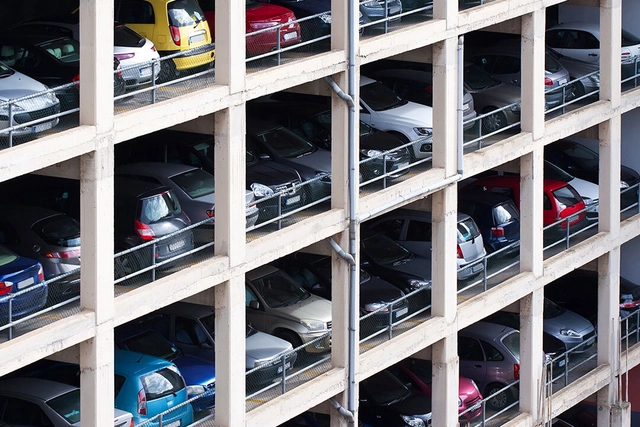
A study by the Journal of Transport and Land Use (JTLU), published in early 2022, revealed that 37% of single-family homeowners in Sacramento, California, did not park their cars in their garages. Instead, these spaces turned into storage units or large closets, as researcher Catie Gould notes in an article for the Sightline Institute. While this represents just one city, the data aligns with findings from a series of global studies highlighting the underutilization of residential parking spaces. In San Francisco, also in California, a survey found that 49% of the 97 garages analyzed in the Mission District were not used to store vehicles, Gould points out.
https://www.archdaily.com/1136479/parking-spaces-the-enemy-of-affordable-housingSomos Cidade
Ahead of the ninth edition of Open House Madrid, the dates for this international architecture and city festival have recently been announced. Year after year, the event renews itself, inviting visitors to discover a city in constant change through its architecture. From September 21 to 24, 2023, Open House Madrid will take place throughout the capital, as well as in nearby urban areas, with the goal of promoting and showcasing the city's architectural heritage.
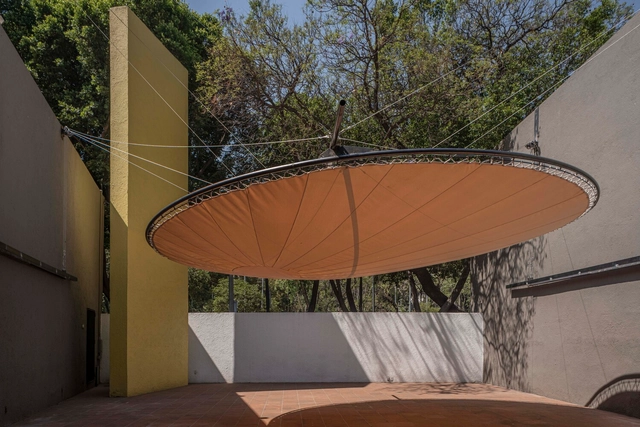
As part of the exhibition program of the Museo Experimental El Eco, the call for entries for the 2023 Eco Pavilion was launched, inviting professionals involved in architectural practice in Mexico to dialogue with the museum's space. This edition marks 13 years of the Eco Pavilion, a competition launched in partnership with Buró-Buró with the mission of offering a platform for architectural production focusing on experimentation and spatial reflection. The winning project belongs to the team composed of OCIO taller + Bianchi Majer + Nicolás Guzmán + Angélica M. Pena + Andrés Lira.
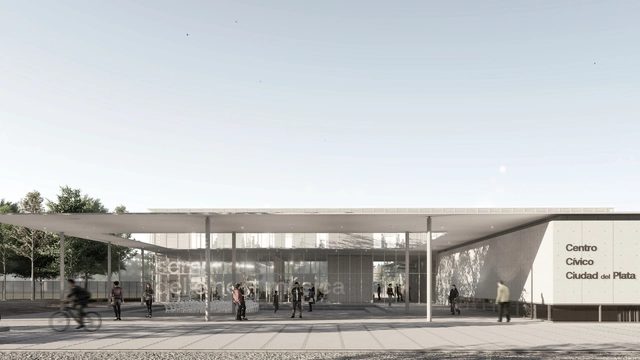
Within the framework of the Local Land-Use Planning and Sustainable Development Plan of Ciudad del Plata and its area of influence, a competition for preliminary architectural designs was launched to develop the Ciudad del Plata Civic Center. The goal is to transform the city, thereby establishing and strengthening a new urban-territorial centrality.
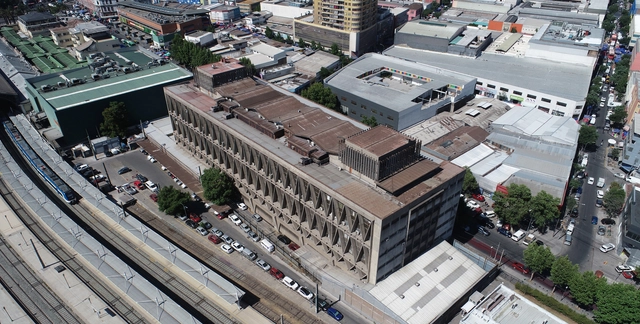
El ex Edificio de Clasificadora de Correos de Chile, adquirido por EFE para convertirlo en su nueva sede corporativa. Image Cortesía de EFE
Twenty-two proposals were submitted to the EFE (Trenes de Chile) architectural competition to convert the iconic seven-story, triangular concrete structure at 221 Exposición Street in Santiago into its new corporate headquarters. Originally designed by architect Boris Guiñeman, the building was constructed between 1970 and 1974 to house the Correos de Chile sorting center.
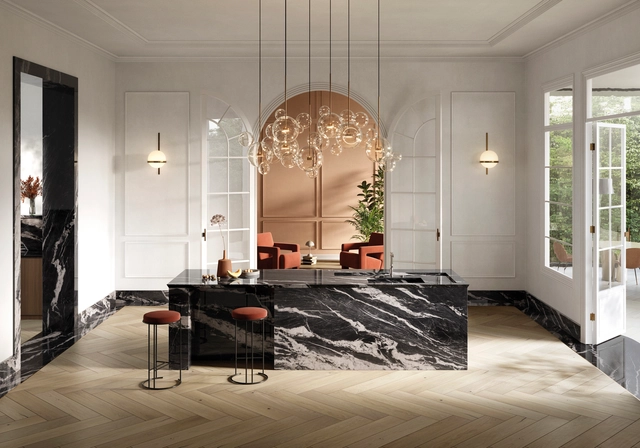
Aplicación de colección XTONE Cyclone Black. Image Cortesía de Porcelanosa
This year, Porcelanosa celebrates 50 years of inspiring architects, stimulating creative exploration in design, and bringing memorable projects to life. Since its founding in 1973 in Vila-real, Spain, Porcelanosa has become a benchmark for architecture, design, and interior design, focusing its production on flooring, single-fired wall tiles, stoneware, and porcelain tiles. Moving away from traditional red clay manufacturing, José Soriano and brothers Héctor and Manuel Colonques introduced the distinctive touch of ceramics to design.
Alongside developing comprehensive space design solutions, year after year, Porcelanosa sets trends in materials, textures, and interior design. Additionally, since 2018, the company has organized an international exhibition showcasing annual design trends in flooring, wall coverings, kitchens, bathrooms, and other elements such as wardrobes, furniture, and lighting.
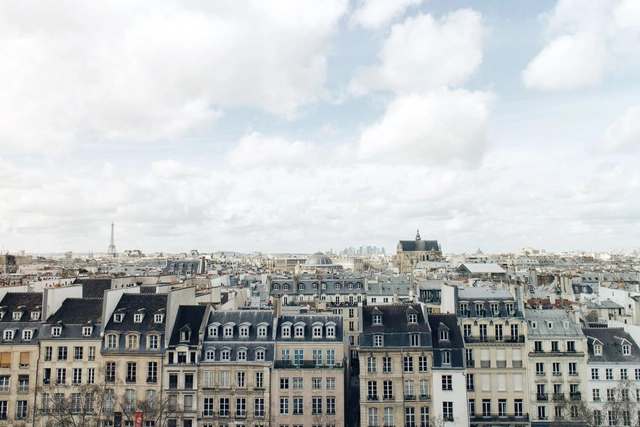
Paris, located in Île-de-France. Photo by Nil Castellví via Unsplash
Île-de-France, one of the 18 administrative regions of France, is committed to helping its residents save water. With the arrival of spring in the European country on March 20, authorities are concerned about potential water shortages. The solution? Offering up to €20,000 in subsidies to those who install rainwater harvesting systems on their properties.
The financial support is available to those who plan to install or have already installed water storage tanks within the last three months. The subsidy covers underground or above-ground installations—including the filtration collector, pump, connection kit, earthworks, and mains connection, among other components.
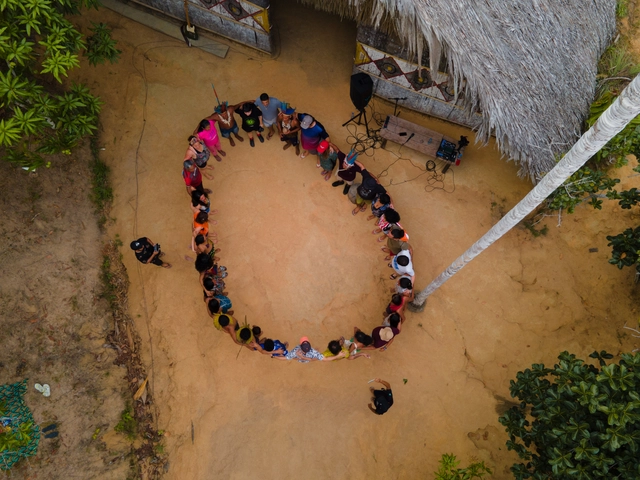
Pastures, farmlands, mining, or urban areas. As the Amazon ecosystem approaches an irreversible tipping point of devastation, LABVERDE — a cultural and environmental activism project that promotes the production and democratization of knowledge about the world's largest rainforest — is launching a new edition of the "Speculative Ecologies" residency. Now in its eighth call, the initiative invites artists to actively participate in the discourse on nature conservation through the production of works resulting from research, experimental artistic languages developed during unique experiences in environmental reserves, and dialogues with indigenous communities facilitated by experts. Applications are open until May 8. Brazilian artists residing in Brazil are invited to apply through the website. LABVERDE covers travel, lodging, expeditions, and training, and provides a R$3,000 stipend to each selected participant to produce content.
https://www.archdaily.com/1135883/labverde-launches-open-call-for-artistic-residency-in-the-amazonArchDaily Team
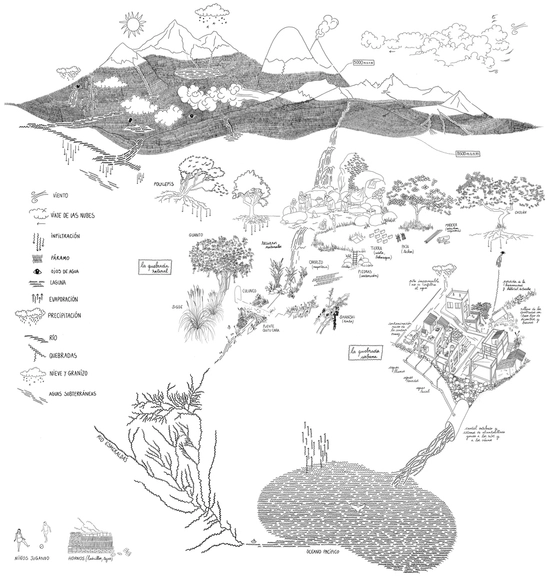
Revealing the river flows of our habitats, “Los Caminos del Agua” (The Water Paths) is a water-focused exhibition that opens a debate on human impact on the territories we inhabit. Originating in Quito, Ecuador, the work by La Cabina de la Curiosidad (led by Marie Combette and Daniel Moreno Flores) was developed in collaboration with the Tomorrow’s Cities project, the El Tejar community, the Wayku Project, and the Yaku Water Museum.
Architecture is a complex and diverse discipline with multiple approaches and perspectives. Throughout history, numerous studies, theories, and treatises have emerged focusing on different architectural expressions. Vitruvius's treatise *De Architectura* is one of the oldest and most influential in the field, proposing that architecture is based on three fundamental principles: beauty, firmness, and utility. For a work to be considered truly architectural, there must be a balance between these three components. Moreover, other approaches, such as the five points of modern architecture, and more recent research, like Supra Order, enrich contemporary architectural theory.
https://www.archdaily.com/1136066/seven-fundamental-pillars-for-a-well-functioning-homeEnrique Tovar
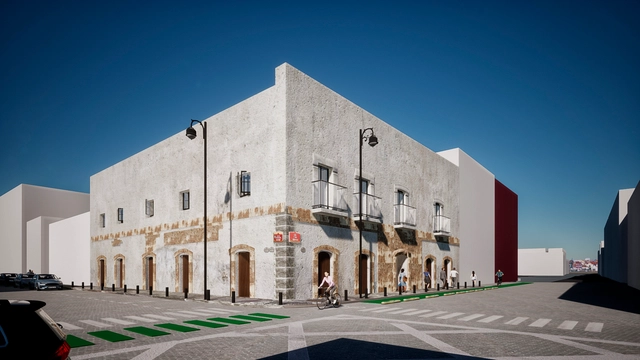
In August 2022, the Puebla City Council, through the Historic Center and Cultural Heritage Authority (GCHPC)—in collaboration with the World Heritage Director's Office of the National Institute of Anthropology and History (INAH), the Puebla Association of Architects (CAPAC), and the Amparo Museum—invited professionals and undergraduate students in design, architecture, urban planning, and related fields to participate in the competition “Rehabilitate and Inhabit: First Ideas Competition. New Perspectives for the Historic Center of Puebla,” which focused on rethinking architectural practices, ways of dwelling in the Historic Center, reclaiming public space, and conserving cultural heritage through active civic engagement.
Los renders creados en herramienta VOXBOX. Image Cortesía de VOXBOX
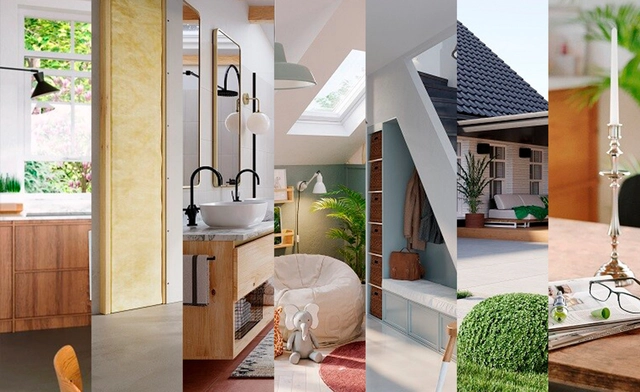
Designing a new apartment or renovating an existing one is always a major challenge. To simplify what is typically a long and complex project, the VOXBOX software, developed by experts from the VOX brand, helps visualize the design of a future home quickly and efficiently. Unlike other interior design programs, VOXBOX does not require specialized knowledge in architecture or design, as it utilizes an intuitive and user-friendly interface.
Available to everyone on the web, this digital tool allows users to quickly design a bedroom, living room, apartment, or an entire house. In addition, users can visit VOX showrooms, where their team of interior designers offers guidance for designing specific spaces. As an architect, you can also meet with your clients at VOX showrooms to show them their future interiors in virtual reality and present material and furniture board samples.
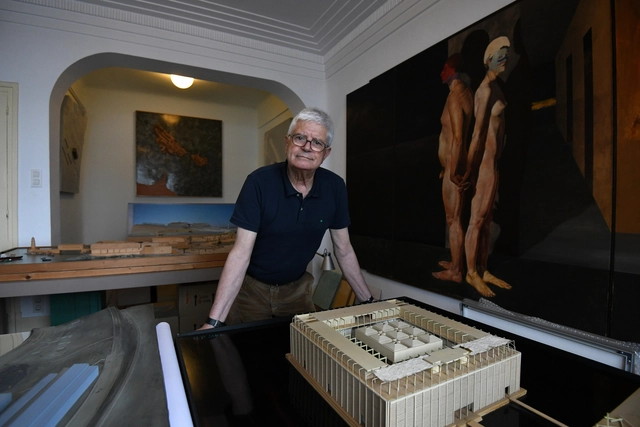
César Portela, an architect born in Pontevedra in 1937, has been awarded the Gold Medal of Architecture, one of the most prestigious distinctions in Spain's architectural profession. Established by the Superior Council of Colleges of Architects of Spain (CSCAE) in 1981, this award recognizes individuals and institutions whose work enriches architectural practice.
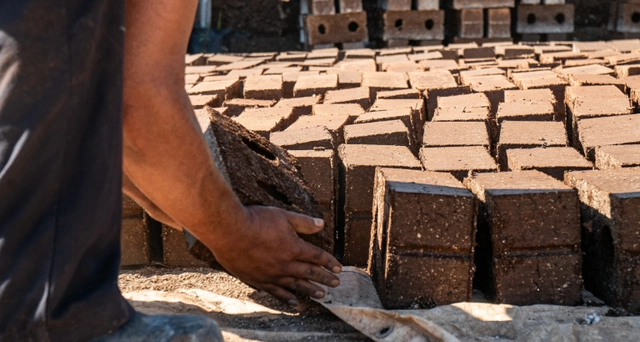
Paradise beaches can quickly lose their appeal for tourists when invaded by sargassum, a brown algae of the genus *Sargassum C. Agardh* distributed across tropical and subtropical oceans. In Mexico's Riviera Maya, this seaweed was once considered a major problem. However, Omar de Jesús Vazquez Sánchez saw it as a raw material for homebuilding—transforming sargassum into sustainable bricks.
The Instituto Tomie Ohtake and AkzoNobel announced today the winning projects of the 9th Tomie Ohtake AkzoNobel Architecture Prize. Three of the ten finalist works were awarded in the Professional category, while in the University category, one project was named the winner and another received an honorable mention. All winning and finalist projects are on display in a free exhibition at the Institute until July 2.
https://www.archdaily.com/1135919/meet-the-winners-of-the-9th-tomie-ohtake-akzonobel-architecture-prizeArchDaily Team
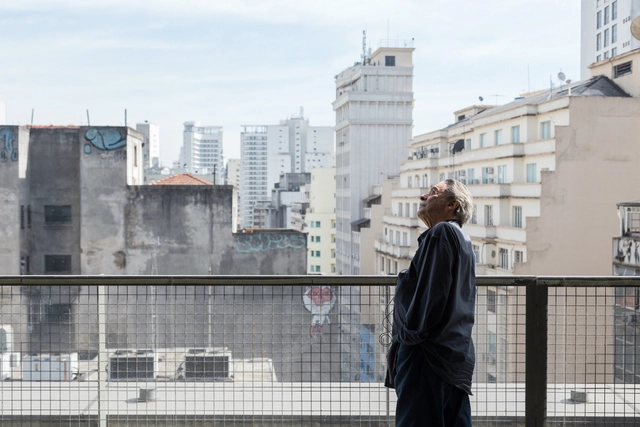
This is the year of Paulo Mendes da Rocha at Casa da Arquitectura. On May 26, two exhibitions dedicated to the Brazilian Pritzker laureate will open to the public. Constructed Geographies: Paulo Mendes da Rocha is curated by Jean-Louis Cohen and Vanessa Grossman, with exhibition design by Eduardo Souto de Moura and Nuno Graça Moura, while Paulo: Beyond Drawing is curated by Rui Furtado and Marta Moreira, with exhibition design by Ricardo Bak Gordon.
https://www.archdaily.com/1135954/portugals-casa-da-arquitectura-opens-two-exhibitions-on-paulo-mendes-da-rocha-in-mayArchDaily Team
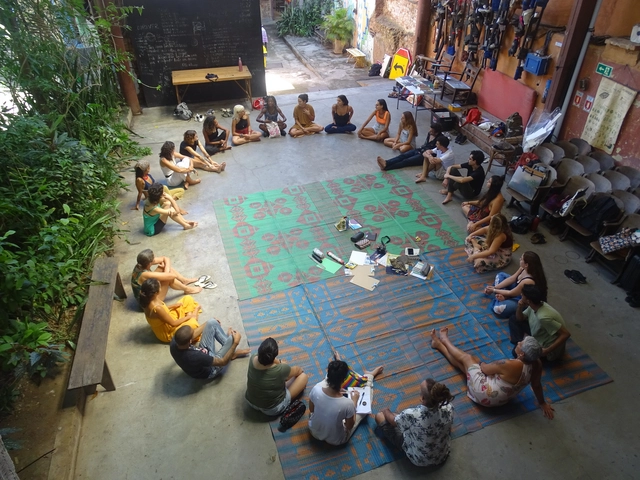
Floresta Cidade is an extension program, research, and teaching initiative at the Faculty of Architecture and Urbanism of UFRJ. Initiated in 2020 and coordinated by Professor Iazana Guizzo, the program addresses urban life in Rio de Janeiro through the lens of the Anthropocene and the displacement of the anthropocentric perspective, aiming to foster the exchange of knowledge around dwelling in the metropolis. Transdisciplinarity across various fields of knowledge, along with sensibilities connected to the forest that have been historically silenced, pave the way to shift conventional ways of thinking.
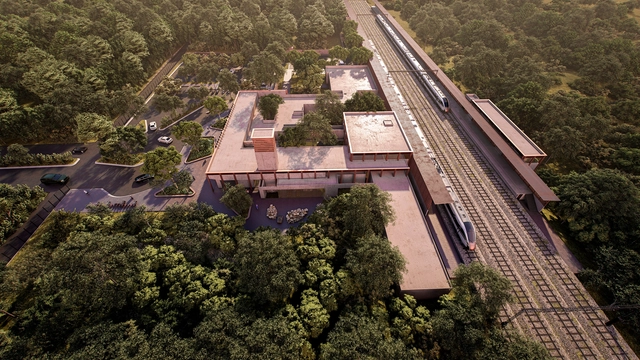
The Tren Maya is an infrastructure project currently being developed by the Mexican government in the country's southeast, involving the construction of approximately 1,525 km of railway lines that will span the states of Tabasco, Chiapas, Campeche, Yucatán, and Quintana Roo. It will offer three types of services: passenger, tourist, and freight trains. The route comprises seven sections: Section 1 runs from Palenque to Escárcega (228 km); Section 2 from Escárcega to Calkiní (235 km); Section 3 from Calkiní to Izamal (172 km); Section 4 from Izamal to Cancún (239 km); Section 5 from Cancún to Tulum (121 km); Section 6 from Tulum to Chetumal (254 km); and Section 7 from Chetumal to Escárcega (287 km).