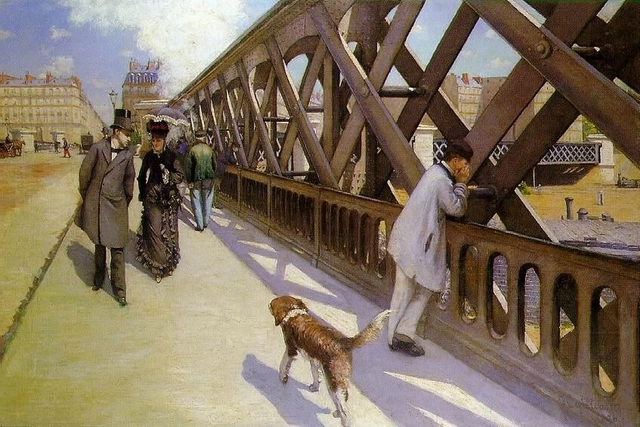
In the early 19th century, in a Paris on the verge of having its medieval fabric torn open by Haussmann's grand boulevards, novelist George Sand dressed as a man to walk the streets. According to her journals, "in trousers and boots I could fly from one end of the city to the other, regardless of the weather, the hour, or the place." No one paid her any attention, no one guessed her disguise, and no one stared or criticized; she was just another "atom lost in that immense crowd." Thanks to her male attire, Sand experienced fearless incursions and solitary wanderings like a true flâneur—experiences that would later become fundamental to crafting her successful narratives.
No País dos Arquitectos is a podcast created by Sara Nunes, who is also behind the architectural film production company Building Pictures. The podcast aims to profile the professionals, projects, and stories behind leading contemporary Portuguese architecture. With just over 10 million inhabitants, Portugal is a highly intriguing country in this professional field, and its architectural output far exceeds its demographic and territorial scale.
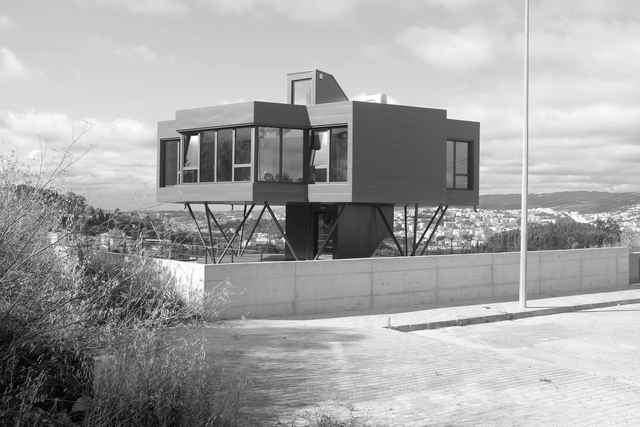
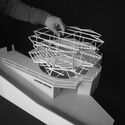
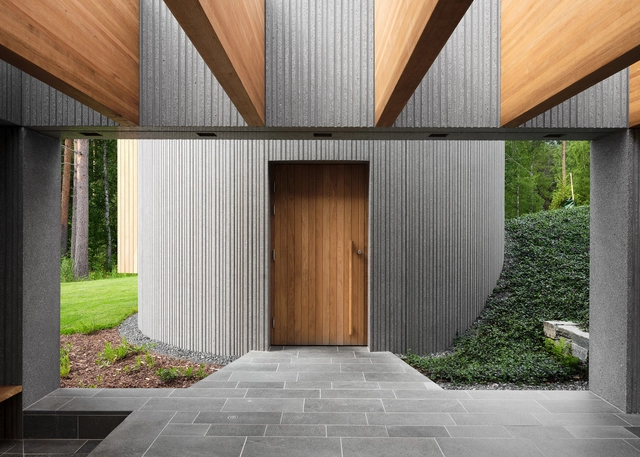
In this episode of the fourth season, Sara talks with architect Pedro Bandeira about the Rotating House (Casa Rotativa) project and the essential synergy between architecture and engineering required to develop this residence, which actually rotates around a vertical axis. Listen to the conversation and read an excerpt of the interview below.
On Tuesday, November 15, the public announcement of the finalists for the BAQ 2022 Competition (Pan-American Architecture Biennial of Quito) took place at the National Theater of the Casa de la Cultura Ecuatoriana.
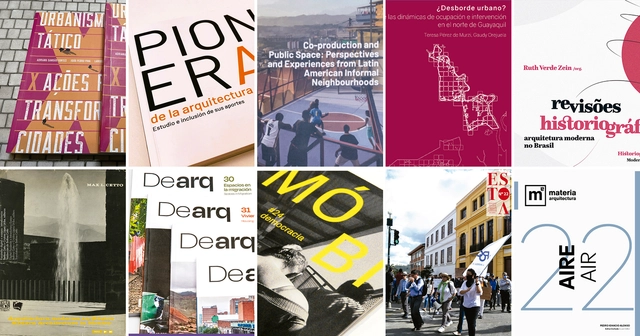
During the event, jurors Nuno Grande of Portugal and Carla Hermida of Cuenca announced the selections for the Publications Award, which was an open call for books and magazines—both print and digital—produced throughout the Americas during the four years prior to the event. Read the full list below.
The Pan-American Architecture Biennial of Quito (BAQ2022) will take place at the Casa de la Cultura Ecuatoriana until November 18. Organized by the Colegio de Arquitectos del Ecuador, Provincial de Pichincha (CAE-P), the biennial has been held since 1978, aiming to foster dialogue, exchange, and reflection on architecture and the contemporary city. This edition's theme, "Inflexions: Looking Back," aims to provide a space for discussion and debate on architecture surrounding turning points in history.
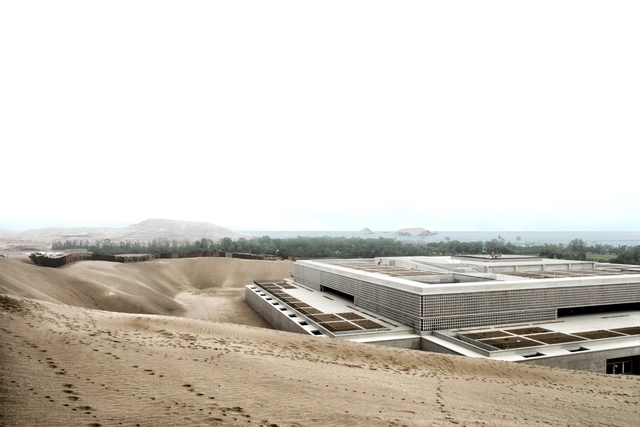
Museo Nacional de Perú (MUNA) /Autores: María Alexia León Angell, Lucho Antonio Marcial Kuehne. Image Cortesía de CAP Consejo Nacional y CAP Regional Cusco
After a four-year hiatus due to the pandemic, the Peruvian Architecture Biennial resumed, organized by the Architects' Association of Peru (CAP) based in the Cusco region. Held during the month of October, the biennial focused on the theme "Building the Heritage of the Future," addressing the social responsibility of architects regarding the legacy being built for future generations.
Combining art, nature, and architecture, Barcelona-based practices Mendoza Partida (Héctor Mendoza and Mara Partida) and BAX studio (Boris Bezan) have joined forces to design Art-Sauna, an experience conceived as a continuation of the emotional journey at the Gösta Serlachius Museum of Contemporary Art in Mänttä, Finland. With a subtle, intimate, and domestic scale, this new space joins the complex, harmonizing the dialogue between these three variables and integrating the building into the journey by merging it with the terrain and making it part of the landscape.
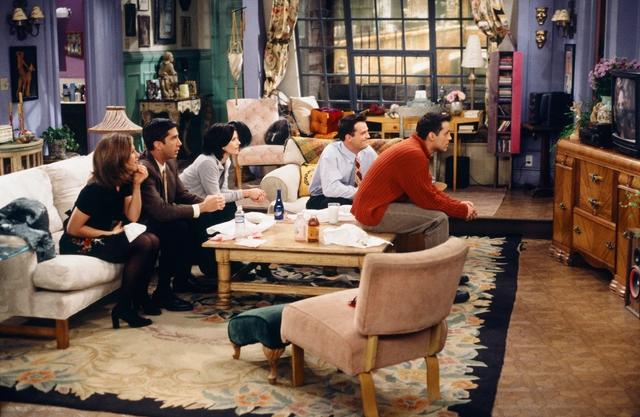
On November 21, we celebrate World Television Day, a communication tool that has transformed social relations since its invention in the late 19th century and its industrial widespread adoption beginning in the 1920s. Since then, television programs—inheriting theatrical genres—emerged, evolved, and multiplied, taking center stage in daily life and sparking widespread curiosity about how they work. Among their various aspects, we explore the set designs and present the logic behind television environments.
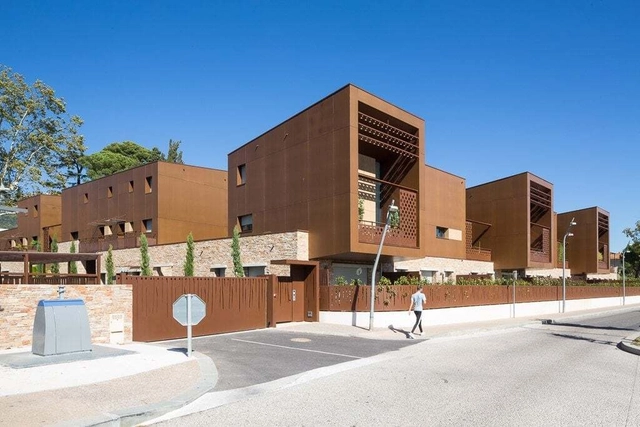
The Lofts of La Baume / Serge Botello, C + B Architect. Image Cortesia de Fundermax
To explain the passage of time, the ancient Greeks relied on two gods: Chronos and Kairos. While the former is represented as ruthless, like a clock that never stops, Kairos evoked the opportune moment for action. In other words, while Chronos is quantitative, Kairos has a qualitative and permanent nature. Indeed, humanity's relationship with the passage of time is not always an easy one.
Buildings are no different. In his seminal work The Seven Lamps of Architecture (1849), John Ruskin argued that only ruined buildings could preserve our past perceptions and, at the same time, allow us to confront our own mortality. In this sense, the marks of time and rubble were crucial witnesses to architectural aging, which, in his view, achieved an aesthetic somewhere between the sublime and the picturesque. Although this is a somewhat controversial perspective, the idea of considering how a building will endure over time has been gaining traction. It is well known that some materials age better than others: while a plastered white wall quickly shows cracks and stains, a stone wall seems to improve with age, blending into its surroundings, for example. Time brings new nuances, tells the story of what has passed, and lends authenticity to surfaces.
Cities have never been more engaged in climate action. At the 2021 UN Climate Change Conference (COP26), more than 1,100 cities representing a quarter of global CO2 emissions joined the Cities Race to Zero initiative. By doing so, these municipalities committed to ambitious, inclusive, and equitable actions to keep global temperature rise below 1.5°C. In November of this year, at COP27, these cities presented their progress and shared how they plan to deliver on their commitments.
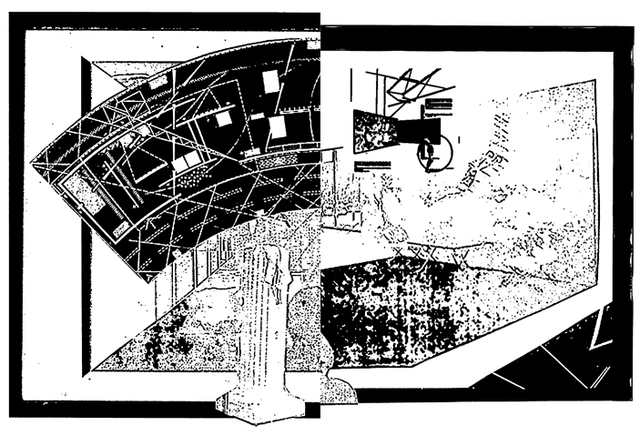
CASA PALESTRA. Collage produced by the author from images taken from the book S, M, L, XL and the OMA website
There is no doubt that the construction of the Barcelona Pavilion by Mies van der Rohe was designed to reaffirm the Modern Movement. This "icon" of the movement, deeply embedded in the architectural imagination, was built to be ephemeral. At the end of the International Exposition, the pavilion was dismantled; however, it was reconstructed 54 years later, sparking a debate within the architectural field regarding the authenticity of this replica.
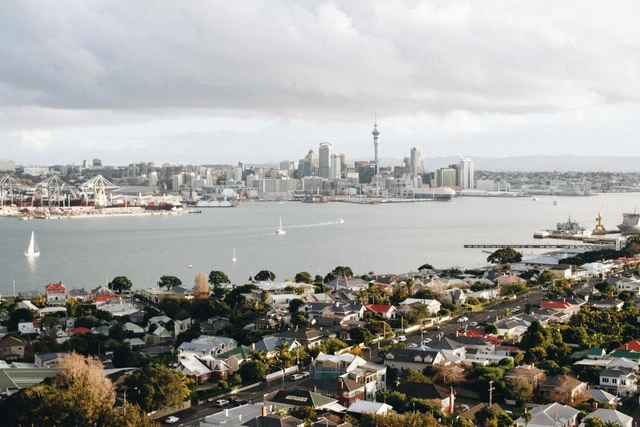
Auckland, New Zealand. Photo by Kirsten Drew, via Unsplash
Mired in a housing crisis for about a decade, New Zealand has modified its zoning laws to allow more medium-density housing to be built in the nation's largest municipalities.
The initiative comes in response to a shortage of housing units, soaring property values and rents, and is aimed at narrowing the widening “chasm” between household incomes and housing costs, as detailed in a report by The Guardian.
https://www.archdaily.com/1132524/lessons-from-new-zealand-to-increase-housing-supplySomos Cidade
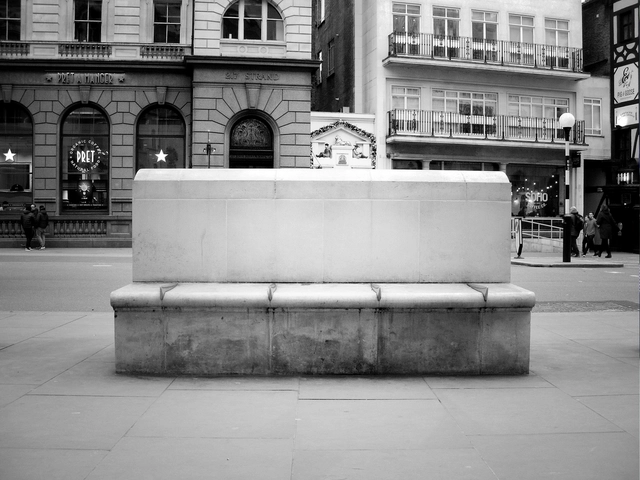
Bench outside the Royal Courts of Justice, London. Image courtesy of James Furzer
Hostile architecture's days may be numbered in Brazil. The Chamber of Deputies has approved a bill that prohibits public authorities from using any material, equipment, or construction technique that deters people or restricts access to public spaces. Bill PL 488/21, named the Padre Júlio Lancelotti Law, now goes to President Jair Bolsonaro for approval.
https://www.archdaily.com/1132161/padre-julio-lancelotti-law-banning-hostile-architecture-is-approved-by-the-chamberArchDaily Team
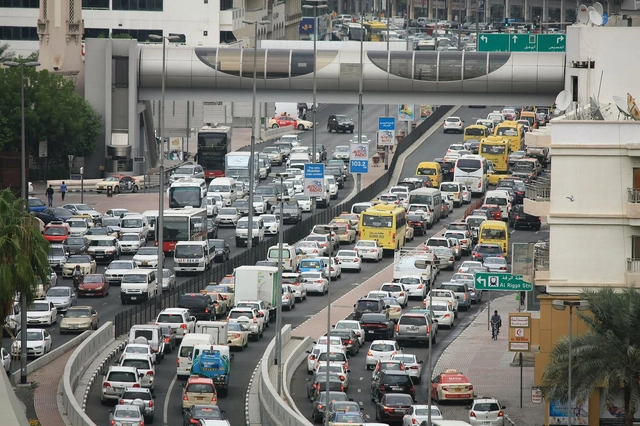
Among the various problems stemming from the excessive use of cars in large and medium-sized cities, traffic congestion and time lost in transit are undoubtedly those that receive the most attention from the media and society.
Drivers tend to overlook other issues, however severe, such as traffic fatalities and tragedies, air pollution, the stressful noise generated by motorized vehicles, urban sprawl—which makes cities dysfunctional, expensive, and far-flung—or the hydrological problems caused by the excess of asphalt and concrete dedicated to cars. Generally, these issues are ignored or seen as inevitable, whereas gridlock is highly visible, instantly perceived as a nuisance demanding immediate solutions.
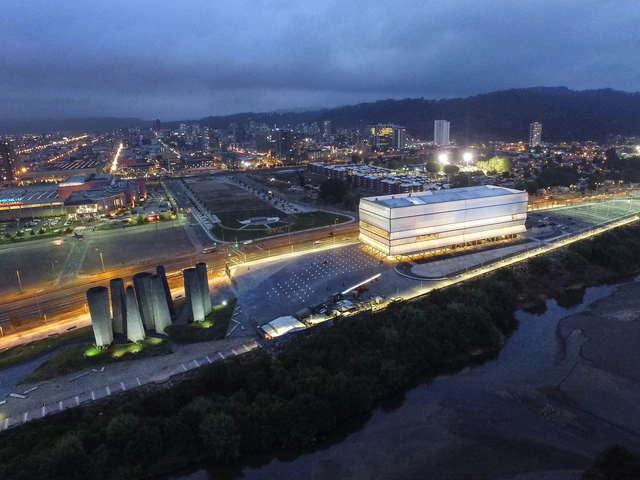
The Chilean project Bío Bío Regional Theater by architects Smiljan Radic, Gabriela Medrano, and Eduardo Castillo, along with the Mexican project Music House designed by Colectivo C733, have been jointly awarded the Grand Prize at the Pan-American Architecture Biennial of Quito BAQ 2022.
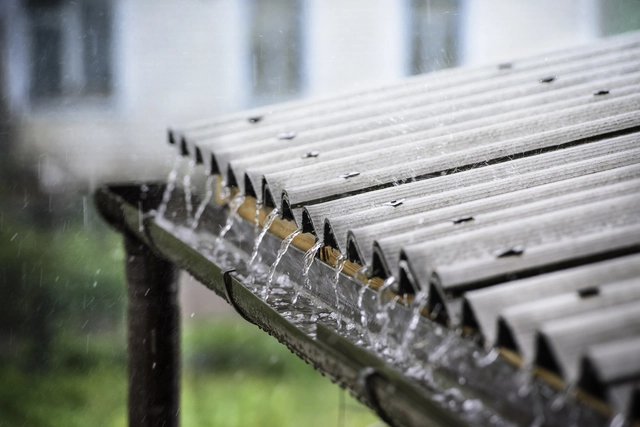
Young people from the Quebrada Agroecógica collective received the ImaGen Ventures award during COP-27, the world's largest climate change summit, held in Sharm El Sheikh, Egypt. The collective brings low-cost mini-cisterns to informal settlements and low-income communities.
https://www.archdaily.com/1131871/young-brazilians-receive-unicef-award-for-mini-cistern-projectMayra Rosa
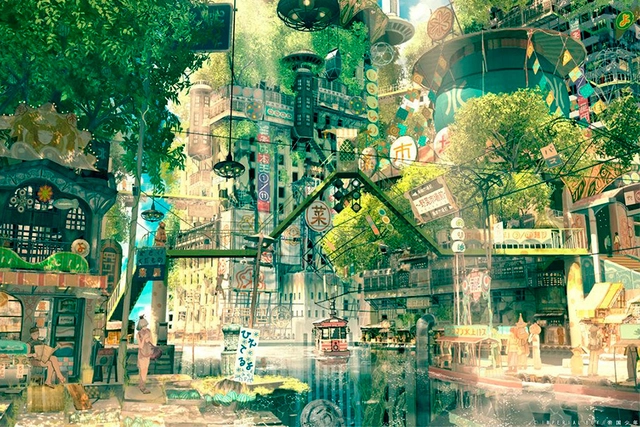
The illustration above is a famous image by the artist Imperial Boy (帝国少年), who works in the anime industry. I sometimes claim that the entire *solarpunk* genre was inspired by this image. That is an exaggeration, of course—some people have thought very seriously about *solarpunk* design principles—but the influence and appeal of Imperial Boy's design are undeniable. Moreover, other *solarpunk* art, though often lovely, tends not to immediately resemble the kind of cities you would actually want to build; it is either an image of a high-tech farm, or some variation of "slap a tree on the side of every building."
Systems change. Transformation. Deep transition. These terms are used so frequently that they risk becoming buzzwords, obscuring their actual meaning.
Yet, to curb rising global temperatures, conserve nature, and build a fairer economy that benefits everyone, we indeed need deep change across all aspects of our economies—at a pace and scale never seen before.
Beyond Pelé and Maradona, November marks the celebration of Brazil-Argentina Friendship Day. Established in 2018, the date (November 30) aims to highlight diplomatic and commercial relations between the two nations. Together, Brazil and Argentina account for 63% of South America's total land area, 60% of its population, and 61% of its GDP, establishing themselves as key trading partners.
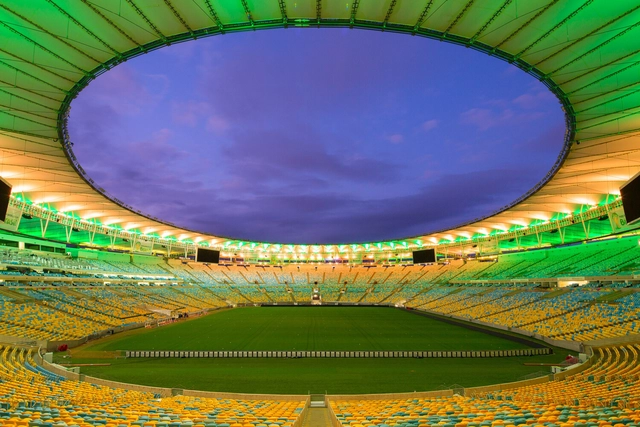
Escola da Cidade hosted journalist Juca Kfouri for a conversation on the relationship between society, politics, and soccer. Juca spoke about the presence of soccer in society and how it also serves as a political medium, emphasizing that it is a cultural, economic, and educational force. He also addressed topics such as the recent events at Pacaembu and the significance of the Maracanã.
“If I said that Brasília is beautiful, people would immediately see that I liked the city. But if I say that Brasília is the image of my insomnia, they see this as an accusation; yet my insomnia is neither beautiful nor ugly — my insomnia is me, lived, it is my astonishment.” — Clarice Lispector
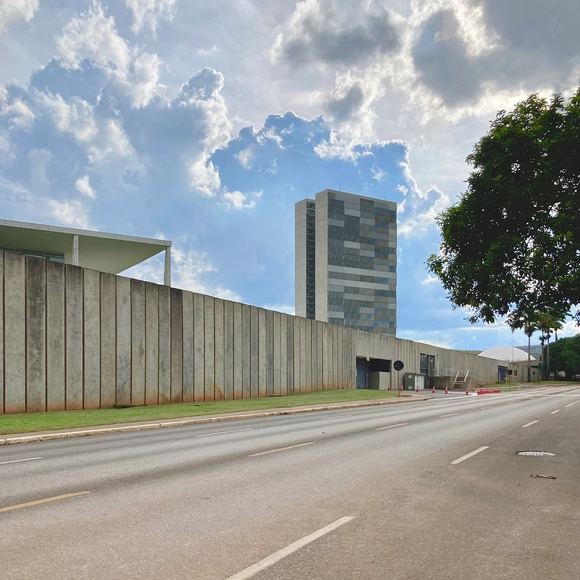
In 2020, Brasília turned 60. The anniversary almost slipped by, but in times of isolation, I recalled the walks I had the opportunity to take there last year — walks that opened my eyes to the beautiful, the unbeautiful, and the “unobvious” in this famous modernist city. That said, I would like to share my astonishment in exploring this machine-city on foot.
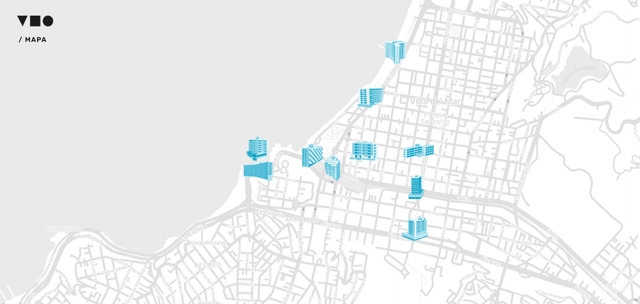
Viña del Mar Moderna is an investigation into the modern architecture that took root in the 1950s and 1960s in the city of Viña del Mar, Chile. Developed by Karla Silva, a designer from UVM, alongside historian Daniel Briones, the research surveys 10 residential buildings constructed as part of the resort city's urban planning. The result of this project is an engaging publication accessible via a digital platform and an open-access book, both presenting historical analysis and context of Latin America, Chile, and the Modern Movement.
Tempo Arquitetos. Image Cortesia de SP Urbanismo e C40 Cities
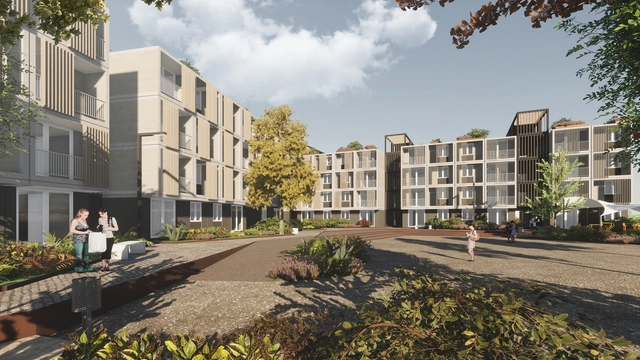
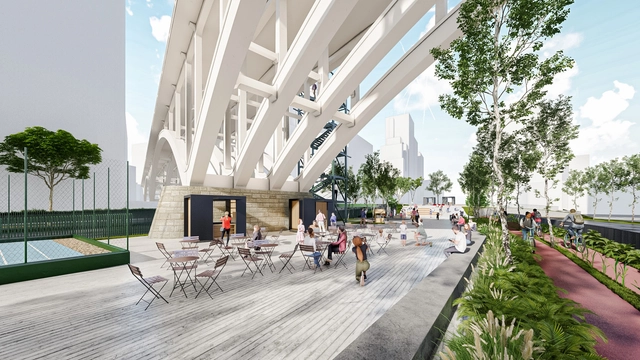
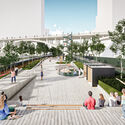
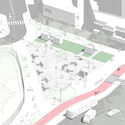
A new urban park under the Santa Ifigênia Viaduct, a lookout on Senador Queirós Avenue, wider sidewalks and reorganized traffic at Alfredo Issa Square, increased green space at Dr. João Mendes Square, and a redesigned Clóvis Beviláqua Square for public use. These are some of the urban design solutions presented by the winners of the Reinventing Cities São Paulo International Competition to revitalize four public spaces in the city's downtown.
https://www.archdaily.com/1132557/meet-the-winners-of-the-reinventing-cities-sao-paulo-competitionArchDaily Team
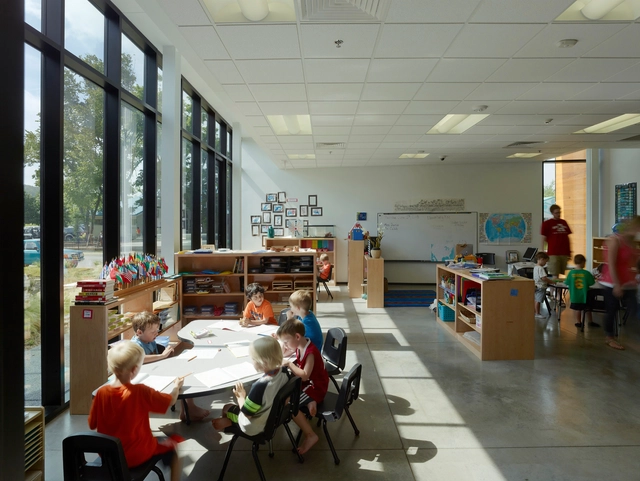
It could be argued that indoor air quality has never received its due attention throughout history. While atmospheric pollution has been considered a threat since the time of Hippocrates in 400 BC, becoming a tangible concern with industrialization during the Industrial Revolution, little is said about comfort conditions in indoor environments. This issue is increasingly critical given that humanity spends about 90% of its time indoors, and the quality of these spaces directly affects long-term well-being and health. In fact, Indoor Environmental Quality (IEQ) encompasses far more than just indoor pollution. It refers to a balance between air quality, acoustics, lighting, temperature, and other factors that contribute to a pleasant and, above all, healthy environment for occupants. Under the motto “every space can be a healthy space,” Armstrong has developed solutions to help improve the environments where we spend the most time, such as educational and healthcare facilities, offices, and homes.