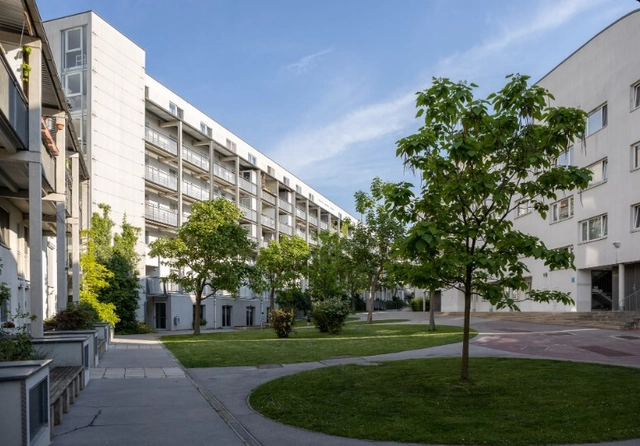
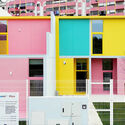
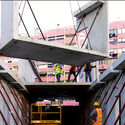
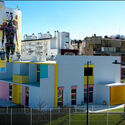
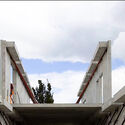
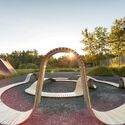
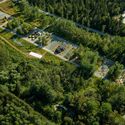
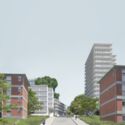
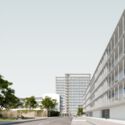
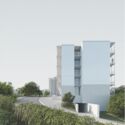
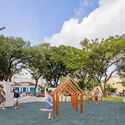
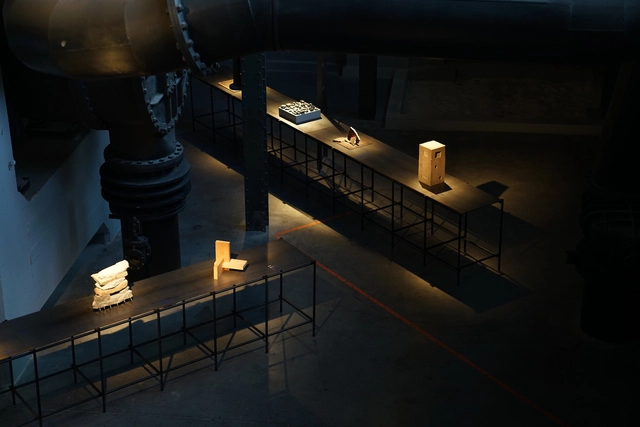
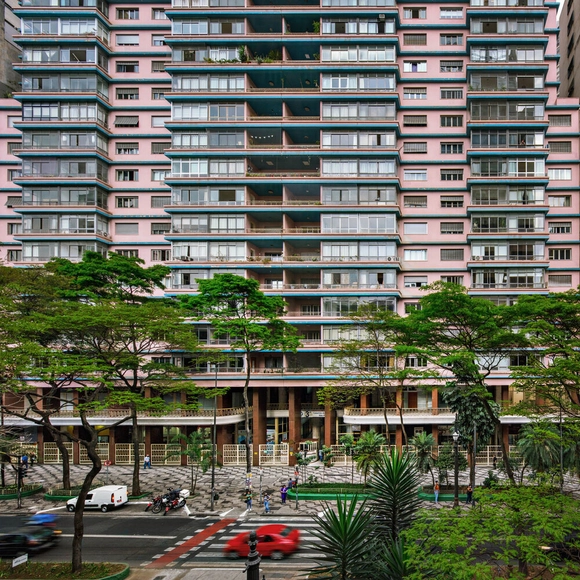
Frauen-Werk-Stadt. Image by Dieter Henkel under license CC BY-NC-SA 4.0.
Eight teams led exclusively by women were invited to participate in an urban design competition to redesign the Austrian capital in 1993. Organized by urban planner and trained engineer Eva Kail, the competition brief restricted male participation—a decision justified by data showing that, in recent years, every single urban project, whether selected through competition or direct commission, had been led by men.
https://www.archdaily.com/1132384/urbanism-from-a-gender-perspective-eva-kail-and-the-design-competition-for-viennaBárbara Ghisleni e Camilla Ghisleni
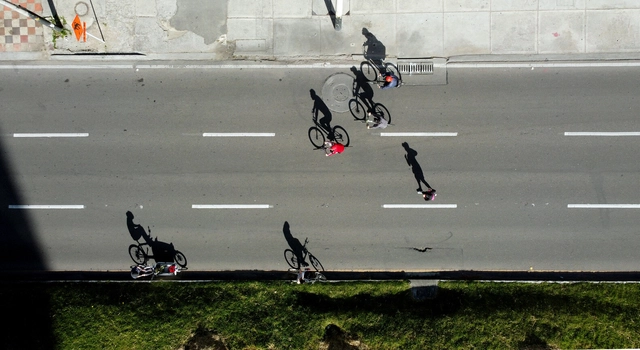
It is clear that cities worldwide must make concerted efforts to encourage more people to choose sustainable modes of transportation—such as walking, cycling, and public transit—over cars and motorcycles. But what drives us to choose one mode of transport over another? What factors lie behind our choices? Are they, in fact, conscious decisions or merely "automatic habits"? Understanding this process is an important step toward promoting sustainable mobility.
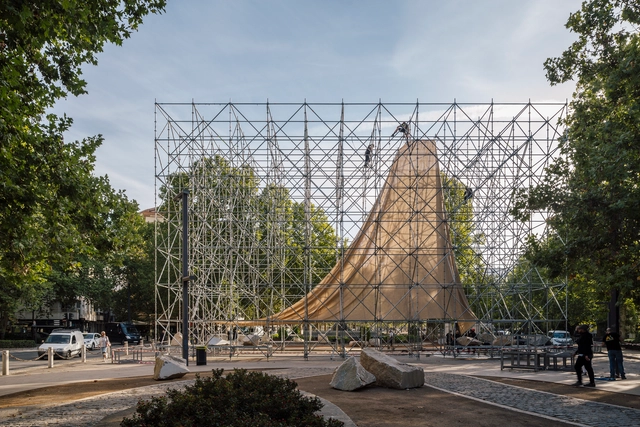
On October 14, the first edition of the TAC! Urban Architecture Festival will begin. This year, the festival will be held in the city of Granada and will run until November 14. The opening of the event will be marked by the inauguration of the temporary pavilion “AIRE,” the winning project of the open call, located in Plaza del Humilladero and designed by P + S Estudio de Arquitectura.
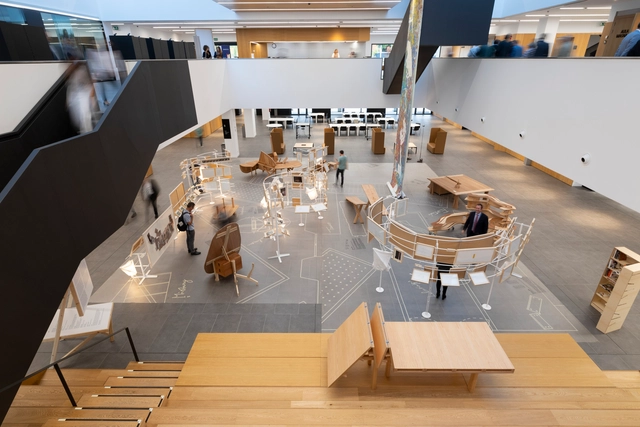
Perpetuum Mobile Exhibition / Fundació Enric Miralles. Image via Labóh
To mark the launch of the Wood Chair program, organized by Onesta and the University of Navarra, the exhibition PERPETUUM MOBILE is coming to Madrid from October 6 to 25, 2022. The showcase is dedicated to private-use furniture designed by Enric Miralles and Benedetta Tagliabue for their home in Barcelona, updated and produced with the support of the American Hardwood Export Council (AHEC).
"A poet of the vague who designs with ingenious precision." This is how architect and curator Marta Bogéa described Gustavo Utrabo in an essay published in issue 207 of the Spanish magazine El Croquis. Renowned for its meticulous monographs on celebrated architecture firms worldwide, this was the first time the publication has featured a Brazilian architect. This is not, however, the only international accolade on Utrabo's resume: among others, the Children Village in Canuanã—developed in partnership with Marcelo Rosenbaum while a partner at Aleph Zero, alongside Pedro Duschenes— won the 2018 RIBA International Prize and was featured in the British newspaper The Guardian's list of the 25 best works of architecture of the 21st century.
No País dos Arquitectos is a podcast created by Sara Nunes, who is also responsible for the architectural film production company Building Pictures. The podcast aims to introduce the professionals, projects, and stories behind leading contemporary Portuguese architecture. With just over 10 million inhabitants, Portugal is a fascinating country regarding this professional field, and its architectural output far exceeds what its small population and land area might suggest.
In this episode, Sara talks with architect Samuel Gonçalves, from the office SUMMARY, about their project for four kindergartens in Lisbon, prefabrication, and the challenges cities currently face.
Today, October 7, 2022, news of the passing of Mexican architect Fernando González Gortázar was announced on social media. Born in Mexico City, he spent most of his life in Guadalajara, where he earned his degree in 1966 and developed a keen interest in sculpture through workshops with master Olivier Seguin.
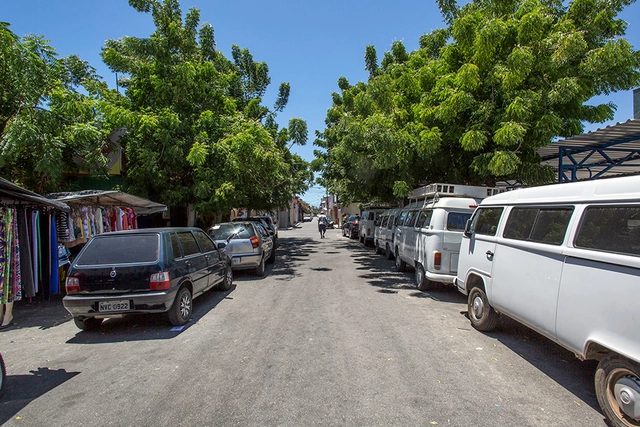
The lack of a consistent or coherent parking policy creates car-dominated environments that harm everyone. Image: Rodrigo Capote/WRI Brasil
In recent years, several extreme weather events around the world have devastated cities, including those in Brazil. In 2022, heavy rains battered the mountainous region of Rio de Janeiro, especially the city of Petrópolis, which recorded 250 landslides in a single day.
A similar situation occurred in Pernambuco, where above-average rainfall triggered landslides. In late 2021, in the state of Bahia, severe storms pushed at least 72 municipalities into a state of emergency. As in previous cases, these disasters caused casualties and left numerous families displaced. Globally, the situation is no different, even if the specific hazards vary.
https://www.archdaily.com/1132284/equity-on-the-streets-begins-with-parking-reformITDP Brasil
It was a close call, but the first round of the presidential election was unfortunately not enough to determine the country's next political leader. As a result, candidates Luiz Inácio Lula da Silva, of the Workers' Party, and Jair Bolsonaro, of the Liberal Party, will once again face the popular vote on October 30.
The next President will have, among many other responsibilities, the task of providing federal support for the development of Brazilian cities — home to approximately 87% of the country's population. To contribute to the debate and, if such a task falls to ArchDaily, help undecided voters make up their minds, we have compiled below the proposals of both presidential candidates for the future of cities, according to their respective government plans, covering topics such as housing, infrastructure, transportation, culture, sustainability, environment, and energy.
https://www.archdaily.com/1132132/what-lula-and-bolsonaro-say-about-cities-housing-sustainability-and-the-environmentArchDaily Team
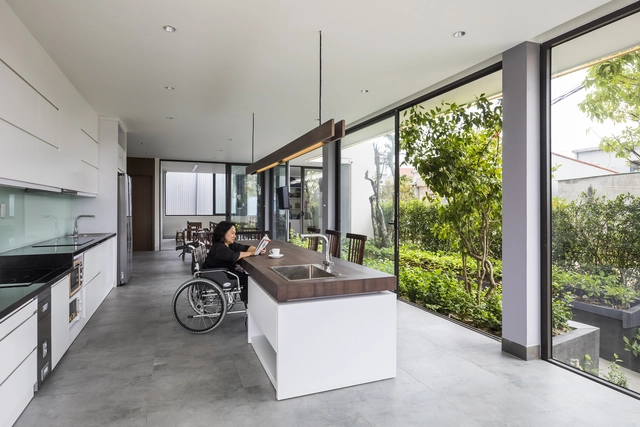
Over 13 million Brazilians live with a physical disability. Data from the Ministry of Health indicates that roughly 6% of the population has some form of compromised mobility and overall coordination due to the complete or partial impairment of one or more body segments. Designing more inclusive environments is key to eliminating architectural barriers, ensuring the integration of this entire demographic into social and cultural activities. During the month of the National Day of Persons with Physical Disabilities, we aim to combat prejudice and present universal design alternatives as a tool for change for architecture and urban planning professionals.
https://www.archdaily.com/1132138/designing-for-people-with-physical-disabilities-for-more-inclusive-and-accessible-spacesArchDaily Team
Featuring a hybrid format, the 28th Colombian Biennial of Architecture and Urbanism (BCAU 2022) will take place virtually from November 14 to 16 and in person from November 17 to 19 at the Neomundo events center in Bucaramanga, Santander. The Colombian Society of Architects has announced the finalist projects for each of the nine established categories.
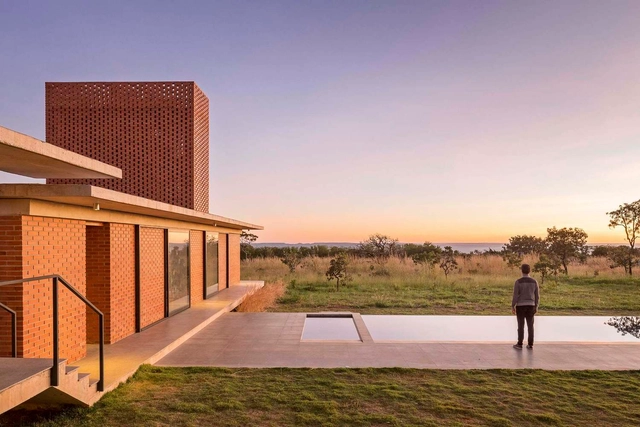
Divided between their admiration for the modern architecture of Brasília, the city where they are based, and their respect for the Cerrado biome, in which they are embedded, architects Daniel Mangabeira, Henrique Coutinho, and Matheus Seco—partners at BLOCO Arquitetos—have developed a practice grounded in the rationalization of resources, formal simplicity, and attentiveness to the natural or urban context. Their projects span from small to large scales, encompassing commercial interiors, houses, residential buildings, clubs, and urban design proposals.
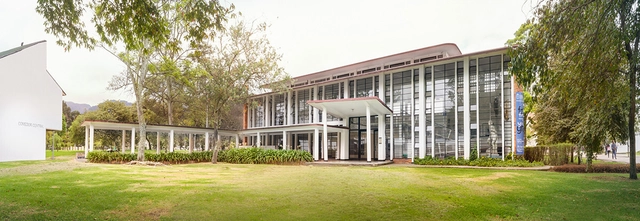
University Cities constituted the most powerful architectural and urban action during the period of progressive Latin American governments. Despite North American influences, which pioneered the concept of the campus [1], projects in Latin America emerged in different contexts and took highly unique directions. Because of the scale and complexity of these complexes, for instance, they required several decades to complete. This extended timeline allowed multiple generations of architects to participate, infusing their architecture with diversity. Another characteristic feature in Latin America is the close relationship between University City projects and developmentalist governments—as noted by Gorelik (2005)—which invested in public policies during periods of economic prosperity.
https://www.archdaily.com/1132578/from-diagram-to-project-the-university-city-of-the-national-university-of-colombiaMaria Julia de Castro Herklotz
Castro Abierto is the architecture, landscape, and heritage festival of the city of Castro, Chiloé. The event will take place from October 19 to 23, 2022, featuring various activities such as talks and tours centered on local architecture and culture. These itineraries will visit different architectural works, islands, and neighborhoods in the area, highlighting contemporary projects like Hotel Estancia, Casa Barco, and Casa Muelle. Other featured activities include a cooking class by Lorna Muñoz, a scholar of Chilote cuisine; an afternoon of illustration with the Ilustra Chiloé collective; a visit to the Quilquico Rural School; and the opening of the MAM Chiloé Museum of Modern Art, among many others that can be found on their website. Finally, a key highlight is the opening of the exhibition “Imaginarios Archipelágicos” (Archipelagic Imaginaries), which the organizing team invites us to discover in more detail below.
The search for technological innovations that promote passive strategies has become key to advancing energy efficiency in architecture. Low-E technology emerges as a new concept in glass, providing the material with thermal control capabilities. What does this new technology entail? The Low-E concept refers to low-emissivity glass—meaning glass whose surface emits a smaller proportion of thermal radiation at a given temperature. This feature increases its insulation capacity, thereby reducing the amount of heat lost through it.
Lina on the Roadside Chair, 1967. Photo: Unknown - Instituto Bardi Archives
Max Bill was a Swiss designer, painter, sculptor, and architect recognized as one of the most influential figures of the 20th century, particularly within the Concrete Art movement, and for his work in education in both Brazil and Germany. Meanwhile, Lina Bo Bardi, one of the 20th century's most iconic architects, became renowned for designing MASP and the famous Glass House. Her legacy extends far beyond architecture, as she also made significant contributions to scenography, visual arts, furniture design, and graphic design.
https://www.archdaily.com/1132392/casa-zalszupin-hosts-exhibition-featuring-works-by-lina-bo-bardi-and-max-billArchDaily Team
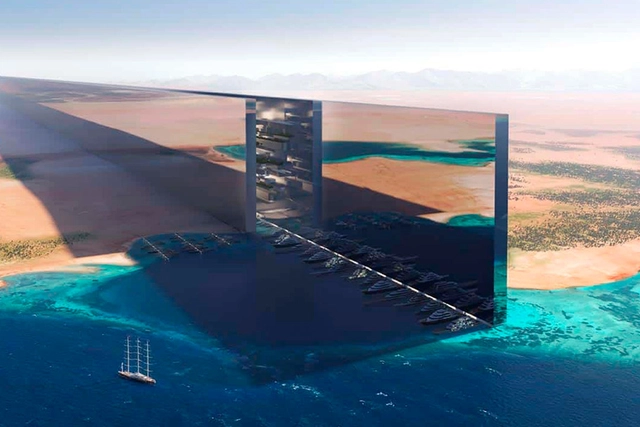
In recent months, the internet has been flooded with videos of the Middle East's new futuristic wonder: Neom, or The Line, a planned city commissioned by the Saudi Arabian government to rival its neighbors, Dubai and Abu Dhabi. As Henry Grabar writes, the city is a collection of buzzwords like "smart city," "net-zero carbon," and "15-minute city." In a world where images go viral faster than cities can actually be built, these concepts serve as powerful marketing tools. Yet, so far, no explanation has been offered as to how they will actually be implemented.
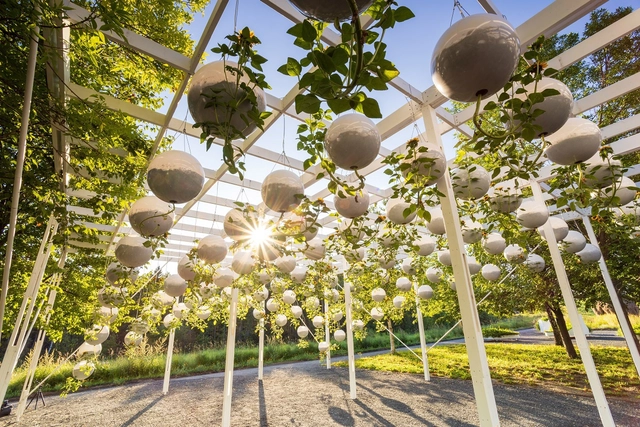
The International Garden Festival is launching a call for proposals for its 24th edition, to be held in June 2023. Gardening and land art enthusiasts are invited to apply—the selected projects will be featured in the temporary gardens of Les Jardins de Métis, also known as Reford Gardens.
In 2021, more than 60,000 visitors explored 25 garden installations under the theme "adaptation," in reference to the pandemic. Following the peak of the COVID-19 pandemic, the festival returns with the theme "roots" and aims to highlight traditional knowledge. Designers are invited to imagine an environmentally, economically, and culturally responsible present and future based on the teachings of past generations.
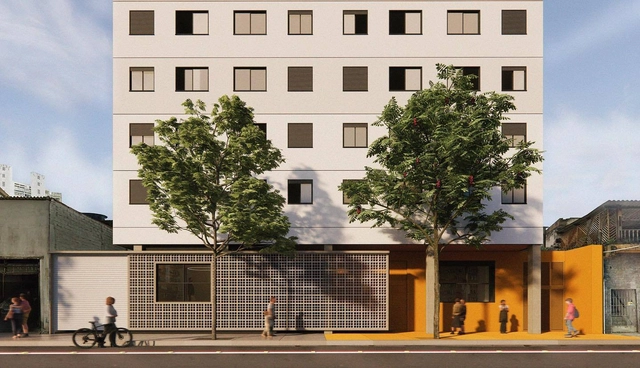
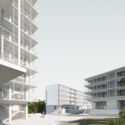
Soma Building, designed by Andrade Morettin. Image: Courtesy of Andrade Morettin
Downtown areas in major cities are targeted by various public and private agents. Usually boasting comprehensive urban infrastructure, these central districts concentrate multiple layers of complexity: from a significant number of vacant properties to phenomena like gentrification, which drives up the local cost of living and pushes low-income residents to far-flung neighborhoods, creating a host of municipal issues.
https://www.archdaily.com/1132245/new-affordable-housing-models-in-downtown-sao-pauloArchDaily Team
Cortesia de Francisco Pinto, Francisco Pina, Maria Souto de Moura e Luís Caleiro
No País dos Arquitectos is a podcast created by Sara Nunes, who also runs the architectural film production company Building Pictures. The podcast aims to profile the professionals, projects, and stories behind leading contemporary Portuguese architecture. With just over 10 million inhabitants, Portugal is a fascinating country when it comes to this professional field, and its architectural output far exceeds its population or territorial scale.
In this episode of the fourth season, Sara talks with architects Francisco Pinto, Francisco Pina, Maria Souto de Moura, and Luís Caleiro about the affordable housing project in Lordelo do Ouro, Porto.
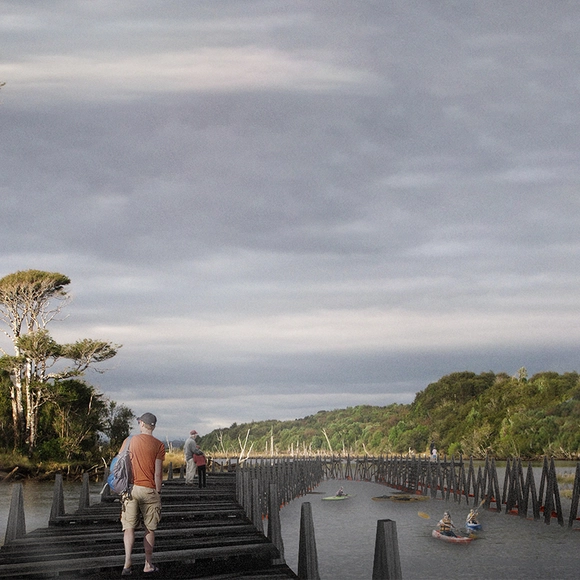
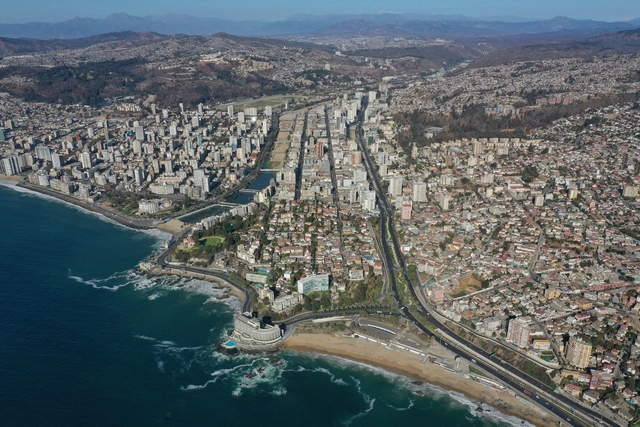
To restore urban watercourses and wetlands, balance the local ecosystem, and improve the quality of life for residents, the mayor of Viña del Mar, Macarena Ripamonti, presented the project "Viña del Mar Estuary: Floodable Urban Park" at the World Summit of Local and Regional Leaders, held from October 10 to 14, 2022, in Daejeon, South Korea.
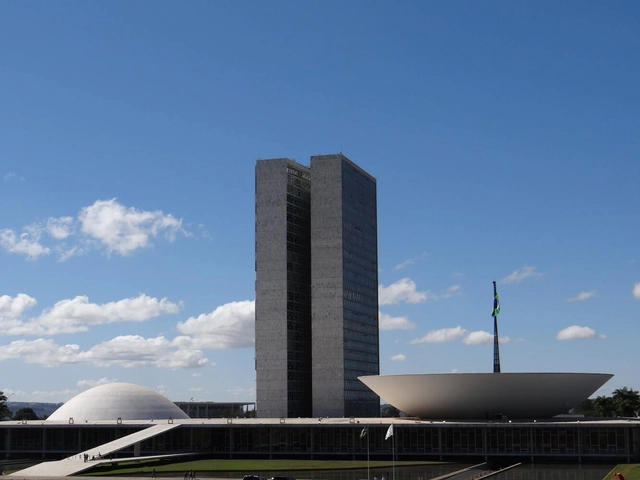
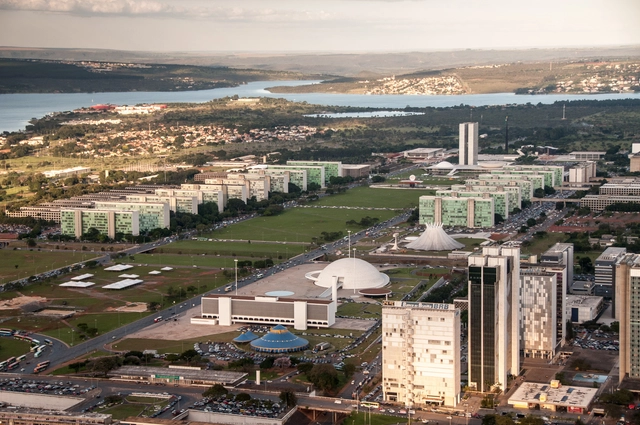
The city of Brasília, inaugurated in April 1960, is perhaps one of the greatest milestones of how architecture, urbanism, and national politics intertwine. The result of Juscelino Kubitschek's government program, which promised "50 years of progress in 5," the city stands as a testament to modernism, revealing political strategies of the era such as heavy investment in the automotive industry and the widespread use of reinforced concrete. While Brasília is a milestone in global architecture, its very existence stems from political and economic strategies implemented by the government in the late 1950s. With the 2022 elections fast approaching, it is crucial for us, as a professional field, to understand how our profession is impacted by the presidency and what we can demand from the executive branch.
As part of an initiative to recognize the architecture of northern Mexico, the exhibition “Levantamiento. Prácticas de arquitectura del Norte” is on display at the Nave Generadores in the Centro de las Artes (Fundidora Park) in Monterrey, Nuevo León, through November 13, 2022. The venue brings together the work of some of the region's most prominent architects. Curated by Brenda Fernández and Edgar Castro, the project is an invitation to establish a shared platform to disseminate, discuss, and foster new creative discourses in Mexico.
Bretagne, Louvre, Viadutos, Planalto. These are just some of the projects designed by Artacho Jurado, a controversial figure in São Paulo's architectural scene. With a particular focus on decorative elements, the self-taught architect was highly criticized by the professional establishment at the time, yet embraced by the public. Today, his work continues to garner increasing attention as a vision that reached beyond the modern canon, and his buildings have become symbols of São Paulo's urban landscape. Exploring his architecture, the exhibition Artacho Jurado, architect?, curated by Abilio Guerra, is on view at Chácara Lane, Museu da Cidade de São Paulo, through April 2022.
https://www.archdaily.com/1131986/artacho-jurado-architectArchDaily Team