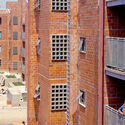
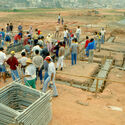
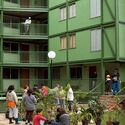
1. Via gustavhistory. 2 and 3. Courtesy of Manuel Velazco Clark personal archive. Image
Doris Mary Clark Núñez is considered the first female Peruvian architect. With a life marked by difficulties, scrutiny, and restrictions solely due to being a woman in a professional world that had traditionally been male, Clark Núñez stands as a model of activism and resistance, as well as a pursuit of subversion and paradigm shifts in traditional debates and structures. Her life was dedicated—through teaching, political action, and academia—to laying the foundation for expanding the field of influence for women in architecture.
https://www.archdaily.com/1131900/doris-clark-nunez-the-first-female-peruvian-architect-activism-and-resistanceCarolina Velásquez y Wiley Ludeña
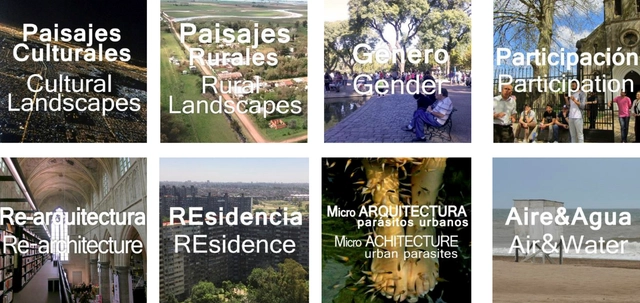
Founded in 2018 and based in Argentina, LINA Plataforma (Laboratory > Intervention + Architecture) presents itself as a global research and experimentation platform linked to cultural heritage, aiming to reflect on the relationship between heritage, sustainability, and design education.
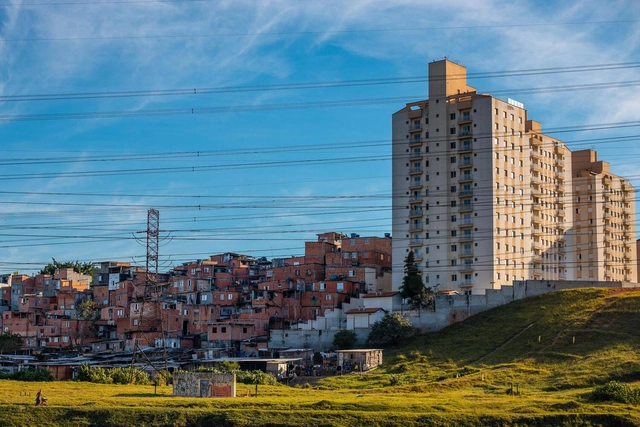
We know that Brazilian cities are exclusionary. They fail to prioritize public transit, which disproportionately harms the poorest residents. They segregate wealthier neighborhoods, driving the working class to live on the urban peripheries. And even there, a large part of the population can only afford housing in the informal market.
https://www.archdaily.com/1132104/how-many-people-can-afford-to-buy-a-property-in-brazilEnrico Costa
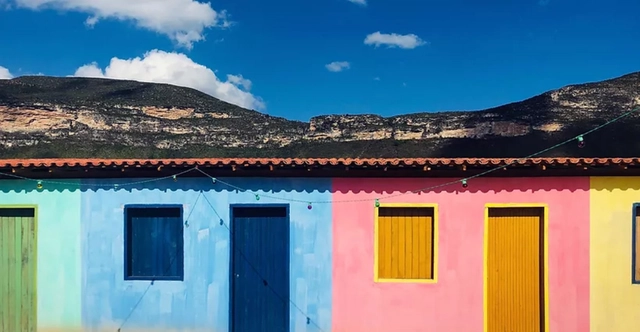
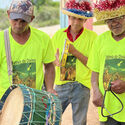
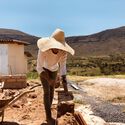
Reclaiming ancestral techniques and materials to forge new spaces of coexistence. This is the guiding principle born from a desire to "create openings for freedom, joy, love, and empowering affects, which propose to rethink ways of inhabiting in harmony with the Earth and ancestry." It is a concept materialized—and still under construction—at Terra Afefé: a micro-city in Ibicoara, in Bahia's Chapada Diamantina region, created by artist Rose Afefé.
"Domingos Libro" is hosted by Carmelo from Enorme Studio, delving into forgotten architectural publications, books, and architecture magazines from the 1960s, 70s, and 80s that hide the most fascinating stories behind them.
After a hiatus in 2022, the series returned with episode 19, titled “Always Young,” which tells the story of Ettore Sottsass Jr. Now, it presents "No One Is a Prophet in Their Own Land," a tribute to the recently deceased master of architecture Ricardo Bofill.
Architectural lighting design is a broad subject, as it encompasses discussions on the physical and perceptual aspects of light, its applications in lighting projects, luminous effects, and the variables of comfort and performance. Furthermore, it is within the lighting design itself that the integration of natural and artificial lighting systems takes place. Arquicast invited two professionals from the field—one from the manufacturing industry and the other from design services—to outline the current state of this specialty in Brazil.
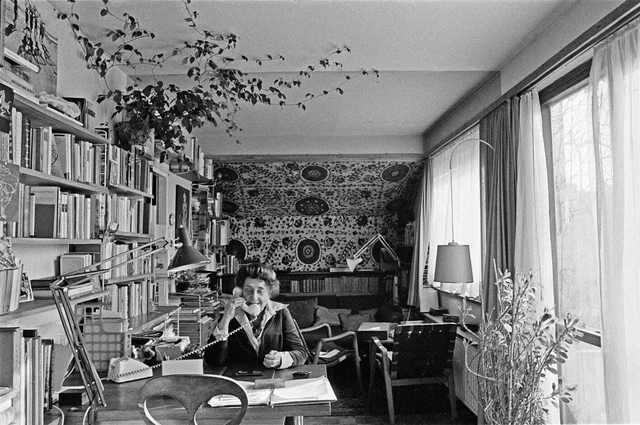
Margarete Schütte-Lihotzky in her apartment, in 1981. Photo: Margherita Spiluttini
So often overshadowed by romantic and professional partnerships with men, women architects have been, and still are, constantly tested and subjected to symbolic violence, disguised as jokes or "simple" banter. The conversation in episode 51 of the Betoneira Podcast, with professor and researcher Silvana Rubino, raised an ever-urgent debate: what is the place of women in architecture?
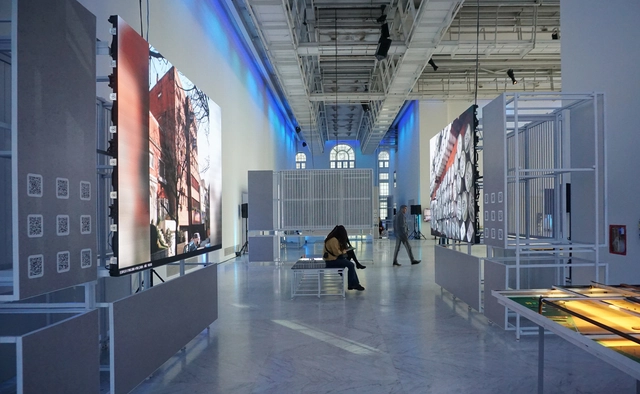
"Architecture and urbanism have the opportunity to offer solutions that involve looking beyond the discipline itself, so that the margins and boundaries of necessity lead us to seek actions outside of standard practice. Positioning ourselves on the margins allows us to see new alternatives, expand the practice, and have a perspective that is not central, but peripheral," say Anna Vergés and Guillem Augé (UNDO), curators of the XII Ibero-American Biennial of Architecture and Urbanism, whose central theme is "Habitar al margen" (Living on the Margins).
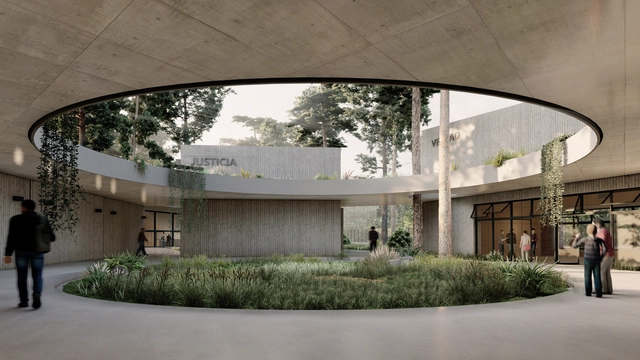
With the aim of bringing visibility to the state terror committed during the Argentine civic-military dictatorship that began in 1976, the Secretariat of Human Rights of the National Ministry of Justice and Human Rights commissioned the Institute of Architecture and Urbanism of the National University of San Martín (IA-UNSAM) to develop an architectural proposal for a new memory space on the grounds of Campo de Mayo, in the province of Buenos Aires.
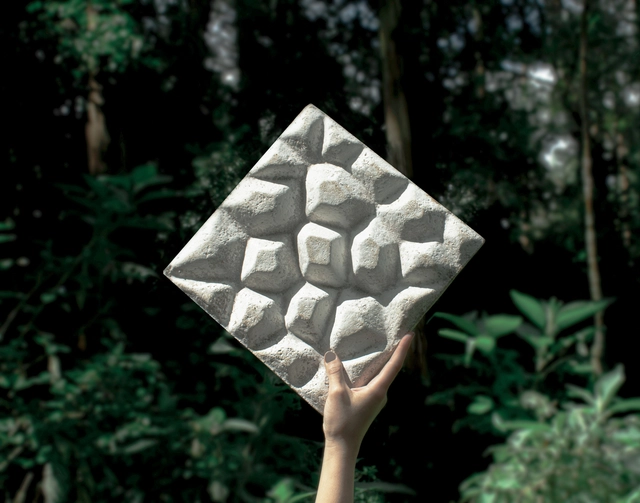
From fungi to architecture: this is how the team at Mushbio introduces their decorative cladding panel inspired by the Andes. Manufactured using parametric design, the panel is made from mushroom mycelium. Beyond contributing to cultural identity by mirroring the topography of the Ecuadorian and Latin American landscape, it offers thermo-acoustic properties, lightness, and a unique aesthetic, bringing nature into interior spaces.
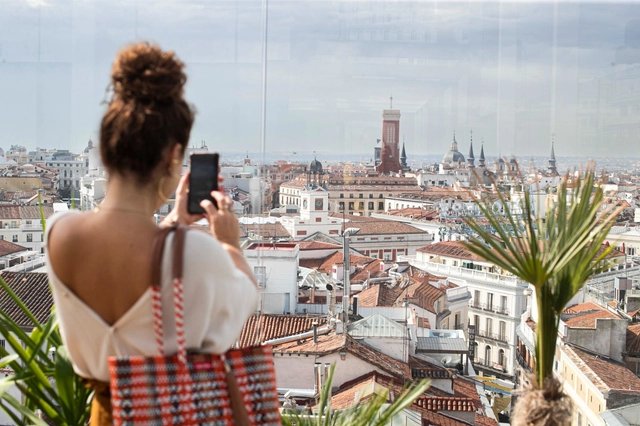
OHM Edición 2021. Image Cortesía de Open House Madrid
The eighth edition of the Open House Madrid festival returns with a program that includes 93 buildings, 33 studios, 8 routes, 7 activities, and 10 itineraries. Titled "More Open Than Ever," it aims to reflect the welcoming character of the city and, at the same time, its openness to the world.
At a time when a lack of public safety daily plagues Brazil's major cities, impacting how we behave in the urban environment, we must examine not only how we act within this space, but also how we build it and with what intentions we modify it.
High walls, fences, cameras, alarms, and razor wire are already part of a landscape that feels fearful, constantly seeking to "protect" private property, often to the detriment of public space appropriation.
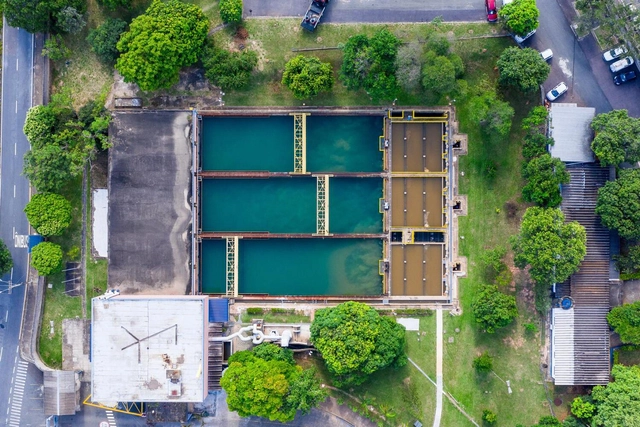
Sanasa Water Treatment Plant in Campinas, São Paulo. Photo: Renan Pissolatti/WRI Brasil
The Metropolitan Region of Campinas is one of Brazil's largest urban centers. With more than three million inhabitants and an annual GDP exceeding R$ 150 billion, it is one of the country's most dynamic economic regions.
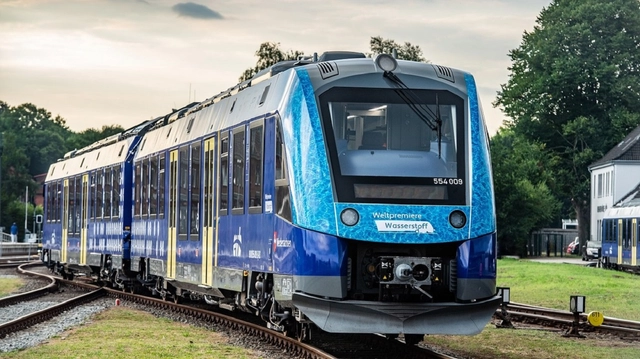
The world’s first hydrogen-powered passenger train service has begun operations in Germany. The 100% hydrogen-fueled rail line debuted in the small town of Bremervörde, near Hamburg. A total of 14 trains will replace diesel locomotives across nearly 100 kilometers of track in the northern part of the country. In addition to Bremervörde, the regional line serves the cities of Cuxhaven, Bremerhaven, and Buxtehude.
Videos
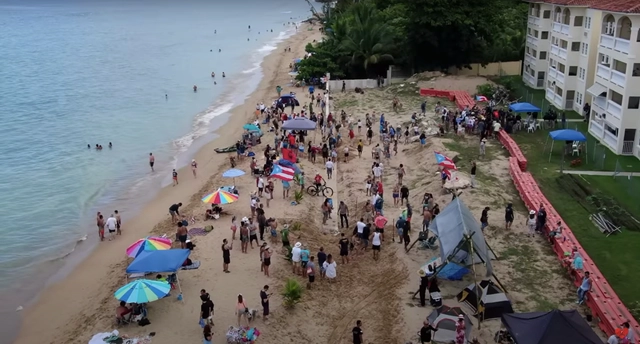
Bad Bunny - "El Apagón" . Image via YouTube
As part of his recent releases over the past few months, the globally renowned reggaeton artist Bad Bunny debuted his new music video for the song "El Apagón," a track from his latest album "Un verano sin ti." Although the song was already streaming across various platforms, few anticipated that the video's release would serve as a powerful political stance on the current situation in Puerto Rico.
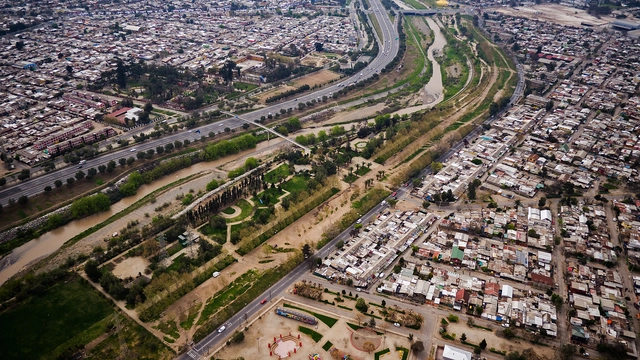
On Thursday, September 14, the first stage of the Mapocho Río Park was inaugurated in Santiago. Designed by the Ministry of Housing and Urbanism, the project is one of the most significant urban works in the Metropolitan Region, spanning a total of 52 hectares and 9 kilometers in length.
Concrete Forms of Resistance. Nick Jordan. Image Cortesia de Arquiteturas Film Festival
Slow Down! is the theme driving the 9th edition of the Arquiteturas Film Festival to the city of Porto, marking a change in both location and organization. Now organized by INSTITUTO under the direction of architect Paulo Moreira, the 2022 edition of the Arquiteturas Film Festival establishes itself as an international platform to discuss and disseminate architectural production through films, exhibitions, and debates.
https://www.archdaily.com/1132141/arquiteturas-film-festival-announces-the-program-for-its-9th-edition-which-will-take-place-in-portoArchDaily Team
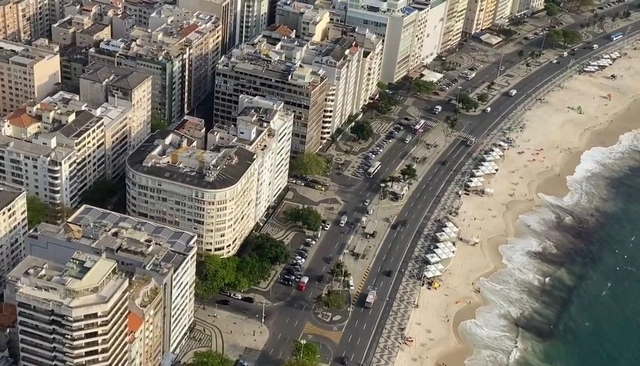
The South Zone waterfront - Publicity. Source: Rio de Janeiro City Hall
Over its 457-year history, the built landscape of Rio de Janeiro has taken shape in diverse ways. During its first few centuries, the city developed around Rua Direita (now Rua Primeiro de Março), consisting primarily of two-story row houses, typically featuring a single door and two windows on the ground floor. This layout stemmed from the measurement standard of the era, the *braça* (fathom), with plots usually measuring three *braças* wide (each *braça* equivalent to 2.2 meters). Rio's land ownership profile has always driven its urban form, and the Portuguese plot—with its narrow frontage and deep lot—defined an era and left an indelible mark on the city's development.
https://www.archdaily.com/1132169/the-urban-landscape-and-the-mathematics-of-the-cityPedro Duarte e Rogerio Goldfeld Cardeman
The vulnerability found in countries on the periphery of capitalism, such as Brazil, has wide-ranging consequences that are evident both in statistics and in how the occupied territory is shaped. Peripherization and the struggle to access fundamental rights—such as healthcare, education, and housing—are among these consequences. Addressing these challenges falls to organized social groups striving to build alternatives within this context, as seen in social movements and Usina CTAH, an architectural practice dedicated to providing technical assistance to organized social groups.
On Wednesday, September 28, the 18th edition of the Buenos Aires International Architecture Biennale opened at the Faena Art Center in Puerto Madero, where it will run through Sunday, October 2. The five-day event celebrates and recognizes the social value of architecture and urbanism, bringing together leading contemporary architects and urbanists. For the first time, the event is free and open to the public.
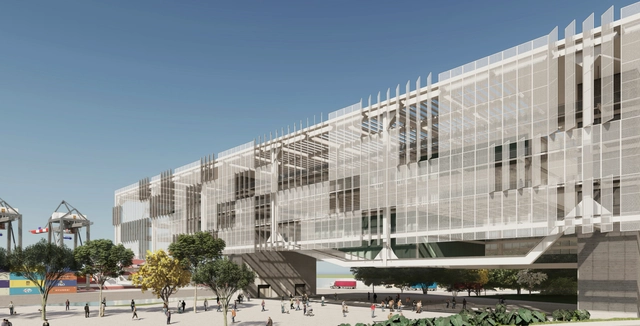
The Brazilian Steel Construction Center (CBCA) has announced the winners of the 15th CBCA Competition for Architecture Students. In this nationwide competition, teams were challenged to address the theme “Industry, Innovation, and Infrastructure.”
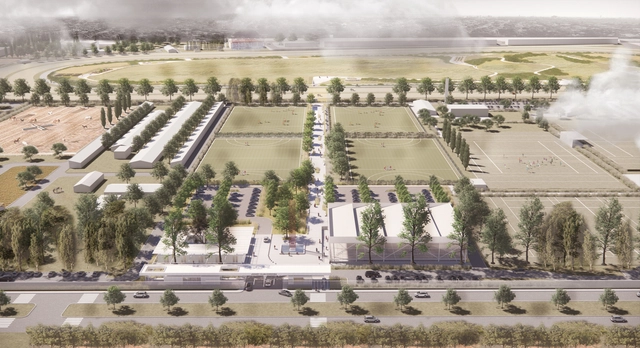
Primer Premio. Image Cortesía de Baldio Arquitectura
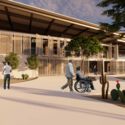
The Jockey Club Córdoba, in collaboration with the Architects' Association of the Province of Córdoba (CAPC), launched a National Ideas Competition to strengthen the club's identity as a sports, recreational, and cultural hub for the city. Located in the south-central area of Córdoba, the competition sought proposals and programs capable of fostering synergy between different disciplines, encouraging member interaction, and creating high-quality spaces for activities.
Raúl Cárdenas and Ana Martínez (ToroLab), alongside Anna Vergés and Guillem Augé (UNDO), are the curators of the XII Ibero-American Biennial of Architecture and Urbanism. In 2022, under the theme "Living on the Margins," the biennial set out to showcase the work of those who are providing solutions to growing social, environmental, and economic needs outside the mainstream system. To this end, they fostered a space for reflection on the use of individual and collective space—bridging the home and the street—sparking an optimistic and timely debate on the urban challenges facing the Ibero-American landscape.
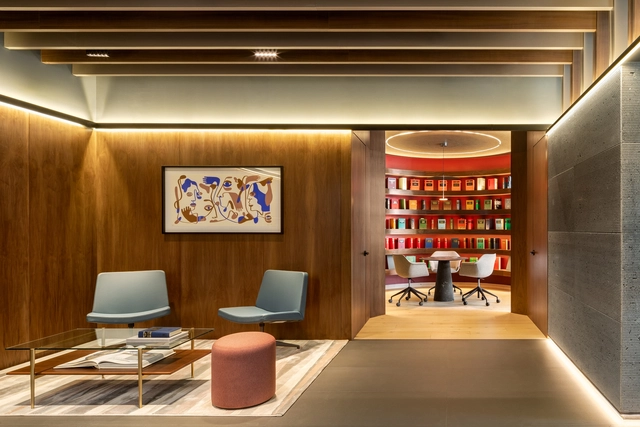
The Mexican firm Faci Leboreiro, led by Carlos Faci and Marina Leboreiro, has been recognized at the Grands Prix du Design in Quebec, Canada, for the interior design of their project Estudio Basalto, receiving the Gold Certification in the Office category. The fifteenth edition of the competition—which celebrates international excellence and exemplary practice among architects and designers—was held at the Théâtre Le Capitole before a jury of prominent professionals and academics.