This guide shows how to use a D5 Render a free live-sync plugin to improve SketchUp workflow.
News
How to improve rendering workflow on SketchUp
| Sponsored Content
https://www.archdaily.comhttps://www.archdaily.com/catalog/us/products/32369/how-to-improve-rendering-workflow-on-sketchup-d5-render
Design, durability, and sustainability: HPL panels as a cladding option for facades
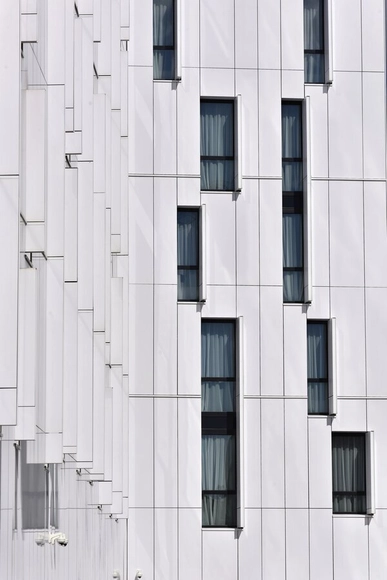
When it comes to facades, there are numerous options to consider to define both the appearance and the message a building seeks to convey. While glazed surfaces bring sophistication and evoke corporate environments, exposed concrete offers sobriety, and wood lends warmth, few materials are as versatile for facades as HPL (high-pressure laminate). With a wide range of dimensions, colors, and textures, these panels easily adapt to different architectural styles, opening up endless creative possibilities.
https://www.archdaily.com/1136130/design-durability-and-sustainability-hpl-panels-as-a-cladding-option-for-facadesEduardo Souza
Architecture is a business and we need to talk about it

Architecture is a business. Whether architects openly admit it or not, running an architecture firm works just like any other company. Businesses—and their founders, leaders, and stakeholders—are influenced by real-world economic forces. You cannot make payroll on a love of the work.
In our current economic system, businesses must prioritize profitability to pay their employees a living wage, operate sustainably and ethically, and continue offering their services.
https://www.archdaily.com/1136045/architecture-is-a-business-and-we-need-to-talk-about-itMarília Matoso
CASACOR 2023 explores the relationship between body and home in architecture
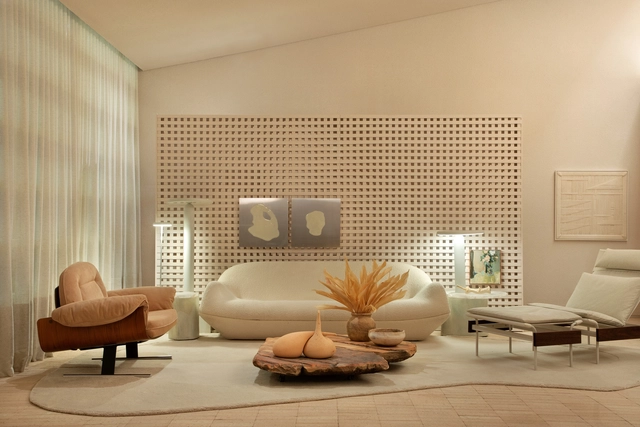
The sensitivity in selecting new firms and the focus on accessibility and sustainability alone place the latest editions of CASACOR among the architecture events that demand close attention. However, this year's theme, “Corpo & Morada” (Body & Home), goes a step further, showing how the event remains attuned to the profession's emerging and provocative themes.


https://www.archdaily.com/1136228/casacor-2023-explores-the-relationship-between-body-and-home-in-architectureJaime Solares e Fellipe Brum
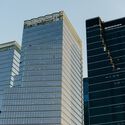
5 Obstacles to Converting Offices into Housing
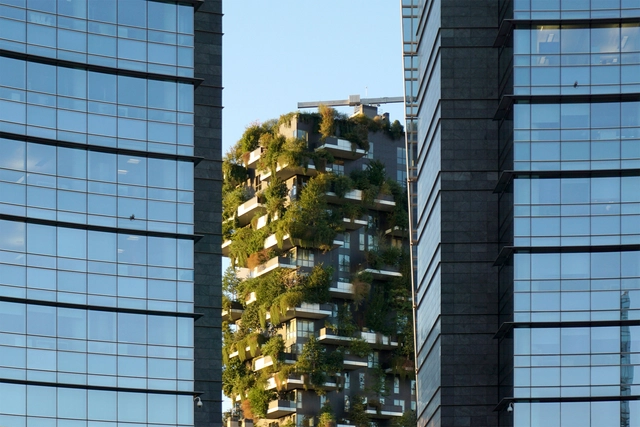
Converting office buildings to residential use is a major topic among developers and municipalities looking to add housing inventory to cities facing housing shortages. And for good reason: office occupancy rates have yet to recover from pandemic-era declines, and many advocates argue that North American cities have far too many office buildings due to their urban planning.



https://www.archdaily.com/1136334/5-obstacles-to-converting-offices-into-housingBen Abramson
Uribe Schwarzkopf unveils a 46-story tower in Guayaquil, Ecuador
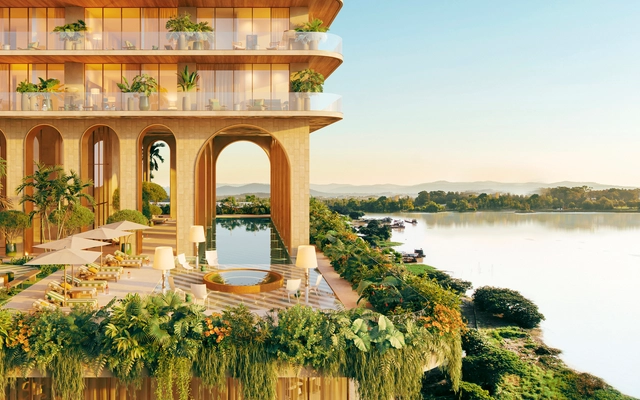
Ecuadorian firm Uribe Schwarzkopf has unveiled plans for a mixed-use project set to redefine the skyline of Guayaquil. Located in the Puerto Santa Ana neighborhood, the new YOO GYE project aims to deliver residential and commercial spaces through a design shaped by the local environment. Its interiors are designed by YOO Inspired by Starck, under the creative direction of Philippe Starck himself.
https://www.archdaily.com/1135918/uribe-schwarzkopf-unveils-a-46-story-tower-in-guayaquil-ecuadorAgustina Iñiguez
Award recognizes projects that transform cities into "walkable" ones.
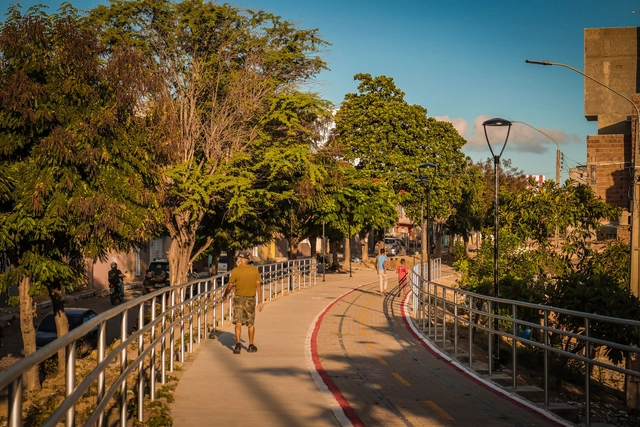
In Brazil, over 80% of the population lives in urban areas, and walking is the primary mode of transportation in cities, accounting for 39% of daily trips, according to the ANTP (National Association of Public Transport). If we consider that public transit trips start and end on foot, walking is involved in about 67% of daily journeys. Since walking is already the reality for Brazilians, what is missing? Improving urban infrastructure to make cities more "walkable."
https://www.archdaily.com/1136030/award-recognizes-projects-that-transform-cities-into-walkable-onesCicloVivo
Discover the 9 winning projects of the CSCAE Architecture Awards: Recognizing social, cultural, and environmental commitment in Spain
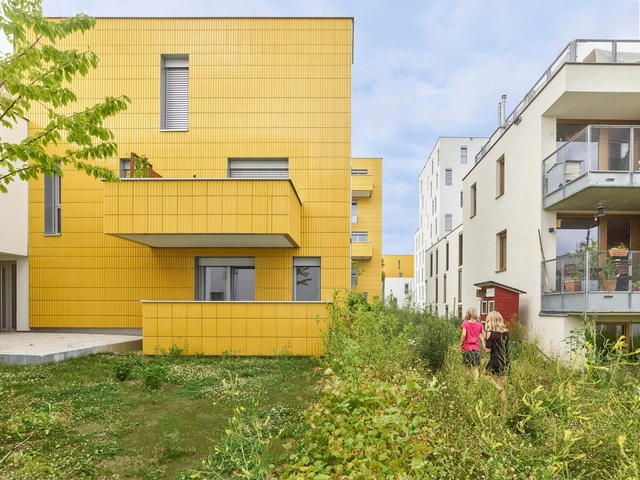
The nine winning projects of the second edition of the ARQUITECTURA Awards, organized by the Superior Council of Colleges of Architects of Spain (CSCAE), have been announced. Showcasing fundamental values of architecture and urbanism—such as social responsibility, cultural preservation, and environmental sustainability—the awards received a total of 429 submissions. In the first stage, the Official Colleges of Architects and Regional Councils selected 177 proposals, which were narrowed down to just 21 finalists.
https://www.archdaily.com/1135938/discover-the-9-winning-projects-of-the-cscae-architecture-awards-recognizing-social-cultural-and-environmental-commitment-in-spainAgustina Iñiguez
Stage Design: A Balance Between Aesthetics and Functionality

Theater is composed of multiple elements that help convey a desired concept. One of these is set design, which integrates various objects and techniques to build an atmosphere aligned with the narrative universe. In an interview with Erika Malo, Mexican set designer Jorge Ballina notes that the setting is not just a visual resource for the audience, but also helps actors step into their characters' shoes to effectively convey the intended message.
https://www.archdaily.com/1136060/stage-design-a-balance-between-aesthetics-and-functionalityRene Submissions
Neuroarchitecture, the metaverse, and dementia: new paths to longevity

Virtual reality, alongside the metaverse, is playing an increasingly important role in helping both people living with dementia and their caregivers and families cope with the symptoms of this neurodegenerative condition.
There are currently 50 million people living with dementia worldwide. This number is expected to double in the next 10 years and more than triple by 2050. Consequently, the global cost of dementia is projected to reach $2 trillion by 2030.
https://www.archdaily.com/1136346/neuroarchitecture-the-metaverse-and-dementia-new-paths-to-longevityCiro Férrer Herbster Albuquerque
The more people, the fewer trees?
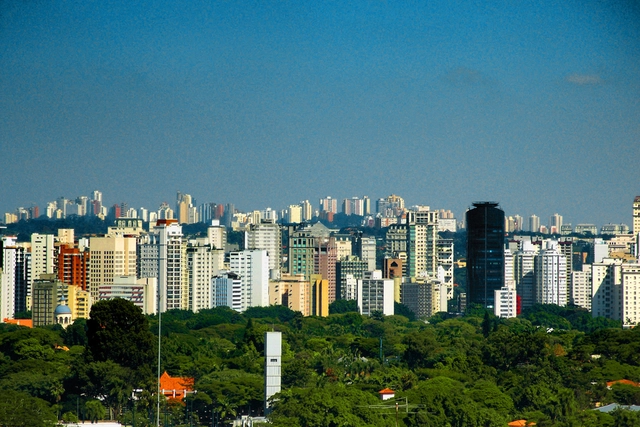
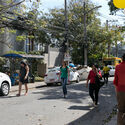
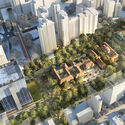
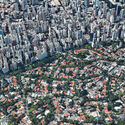
More People, Fewer Trees? In the face of the climate crisis, tree-lined streets—once merely desirable—have become an essential attribute for quality of life in São Paulo. Meanwhile, population density in the infrastructure-rich expanded center seems to be the most efficient path for the capital's growth. But are these two goals truly at odds? Does higher density inevitably mean more concrete and fewer trees? In a recent column for Jovem Pan, architect and urban planner Helena Degreas highlighted the ongoing loss of urban canopy in the city. In her view, this is a reflection of the "unbridled densification resulting from the guidelines of São Paulo's Strategic Master Plan, combined with regulations regarding tree removal along urban transformation development axes." In just four years, the Pinheiros Subprefecture alone reportedly lost over three thousand trees. Indeed, defending the city's "green lungs" is one of the central arguments supporting the historical resistance of residents in neighborhoods like Jardim América, Jardim Europa, Alto de Pinheiros, and Pacaembu to any changes in zoning laws that would encourage population density in these areas. On the other hand, according to research conducted by the Coalition for Urban Transitions, an initiative of the New Climate Economy, and the Urban Land Institute, evidence shows that increases in urban density are linked to declines in both local and per capita carbon emissions and energy consumption. This reduction in emissions is driven by factors such as decreased private vehicle use, greater energy efficiency in buildings, less built infrastructure, and fewer land-use changes on urban fringes. Consequently, dense cities are greener cities. These factors underpinned the argument made by architect and urban planner Anthony Ling in defense of proposed changes to the 2015 Zoning Law in his article "The Struggle of São Paulo's Elite to Exclude the City," published in Caos Planejado. To mark World Environment Week (June 5 to 9) and contribute to this controversial debate, I cross-referenced the number of street trees per square kilometer (vertical axis) with inhabitants per square kilometer (horizontal axis) across São Paulo's 96 districts, sharing the analysis in a LinkedIn post. If it were true that population density and green density in São Paulo necessarily move in opposite directions, we would see a clear negative correlation between the two variables. However, as the chart below shows, that is not the case. As the chart demonstrates, several districts have both green and population densities above the city average—such as Jardim Paulista, Vila Mariana, Consolação, and Perdizes. In Jardim Paulista, however, part of this high green density is due to the leafy neighborhood of Jardim América, where heritage preservation and zoning laws restrict construction and high-rises—consequently keeping population density low. The same occurs in the Perdizes district, which includes part of the Pacaembu neighborhood. In fact, focusing on the top of the chart, where districts with above-average green density are located, we do observe a slight negative correlation between green density and population density. Alto de Pinheiros has low population density but boasts the highest number of street trees per square kilometer in the city. As we move to the right on the chart toward districts with higher population densities, we see a drop in green density, as in Santa Cecília, República, and Bela Vista—though it is worth noting that even these districts remain above the city average. It is also true that higher population density, even in green areas, can mean fewer trees per capita. Bela Vista and República, for instance, despite their above-average green density, are among the districts with the lowest number of trees per inhabitant (highlighting the relevance of developments like Cidade Matarazzo in Bela Vista). Conversely, Butantã, despite having a green density close to the average, is one of the districts with the highest number of trees per inhabitant. However, it is when we factor price into the analysis (represented by circle size) that São Paulo reveals its segregated nature once again, as previously identified by Properati, the consultancy that compiled the green density and price data—while population density data was sourced from the City Hall website. Broadly speaking, the districts with the highest green density are also among the capital's most expensive. Furthermore, wealthy areas concentrate most of the city's parks, such as Ibirapuera Park (Vila Mariana), Parque do Povo (Itaim Bibi), Trianon Park (Jardim Paulista), and Augusta Park (Consolação). In other words, the benefits of green spaces in São Paulo also appear to be a privilege reserved for the few. The contrast between the two "Itaims" is particularly striking: on one hand, Itaim Bibi is green, wealthy, with below-average population density and nearly 150 street trees per thousand inhabitants; on the other, Itaim Paulista is low-income, densely populated, and has few street trees (just 25 per thousand inhabitants). To be clear, I am not suggesting that the construction of new buildings along the urban transformation axes is not leading to tree removal—I myself deeply regretted the removal of a massive, century-old tree on a plot on Avenida Pompeia, near my home, to make way for a new building. The issue, however, may not be high-rise development and population density in themselves, but rather a lack of oversight and strategic planning to preserve existing trees—or to promote urban reforestation. As Helena Degreas herself points out, "in the city of São Paulo, tree planting is carried out by subprefectures on a compensatory basis—meaning that for every tree removed within a subprefecture's territory, another must be planted anywhere else in the city. It is at this point that issues related to local microclimate, soil permeability, and biodiversity are bypassed solely by the logic of real estate density." Her proposal to plant trees in the exact location where they were removed makes perfect sense. "Removing a tree from my street and planting it elsewhere makes no sense when it comes to local microclimate and resident well-being," she rightly argues. Furthermore, urban greening or even creating small garden beds on sidewalks almost always falls on property owners, without proper planning or public sector incentives. Structured, coordinated initiatives could significantly improve the microclimate and quality of life for those who use these public spaces. When properly planned, population density tends to create more resilient, efficient, diverse, and prosperous areas, both socioeconomically and environmentally, as evidence suggests. Thus, what the resistance to density in certain areas seems to reveal, rather than a legitimate defense of the city's green spaces, is the old, disappointing defense of established privileges. Extremely well-located, close to high-paying jobs and major cultural and leisure facilities, areas with high green density and low population density are among the most expensive in the city. "What they want to maintain is the quality of life in their own neighborhood—the silence, the greenery [...] but to call that public interest? No," stated Flávio Villaça, one of Brazil's most prominent urban planners, quoted by Ling in his article. Via Caos Planejado.

https://www.archdaily.com/1136262/the-more-people-the-fewer-treesVitor Meira França
Fortaleza Receives $1 Million Prize to Invest in Cycling Infrastructure
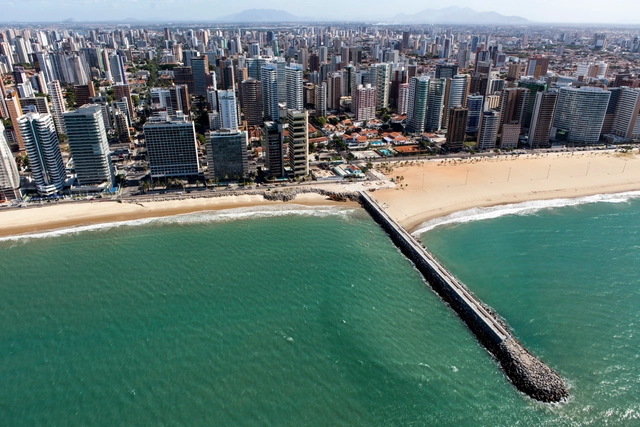
To help celebrate World Bicycle Day on June 3, ten cities worldwide received a major boost: they were selected to receive key support for building innovative cycling infrastructure and sustainable mobility options for their residents. The Bloomberg Philanthropies initiative is called BICI, short for the Bloomberg Initiative for Cycling Infrastructure.
Fortaleza, Brazil, will receive a special prize of US$1 million. Addis Ababa, Ethiopia; Bogotá, Colombia; Lisbon, Portugal; Milan, Italy; Mombasa, Kenya; Pimpri-Chinchwad, India; Quelimane, Mozambique; Tirana, Albania; and Wellington, New Zealand, will each receive US$400,000 in funding.
https://www.archdaily.com/1135906/fortaleza-receives-1-dollars-million-prize-to-invest-in-cycling-infrastructureCicloVivo
Water in Latin American Architecture: Harvesting and Storage Strategies
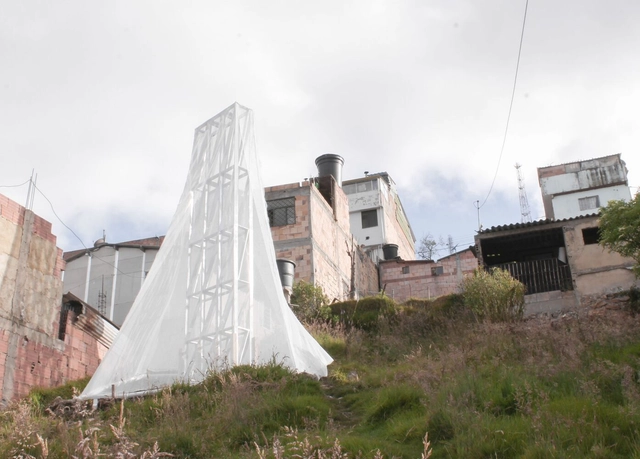
Year after year, organizations, government authorities, and other global entities face the challenge of implementing regulations and measures to address rising water scarcity: as of 2017, according to the World Health Organization, roughly 3 out of 10 people lacked access to safe drinking water at home, while 6 out of 10 lacked access to safely managed sanitation.
https://www.archdaily.com/1136280/water-in-latin-american-architecture-harvesting-and-storage-strategiesAgustina Iñiguez
Discover the winning projects for the Southern Environmental Park of Catamarca, Argentina
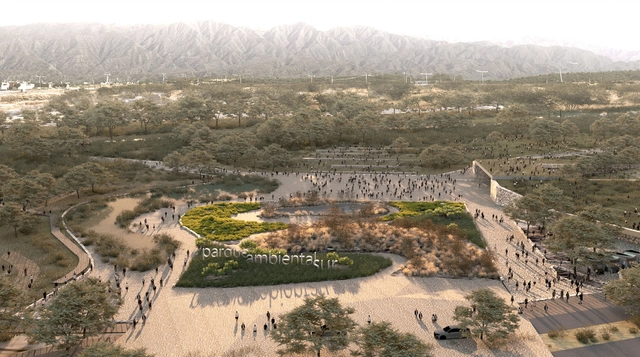
The Municipality of San Fernando del Valle de Catamarca commissioned the Catamarca Union of Architects to organize the National Preliminary Draft Ideas Competition for the Southern Environmental Park, aiming to gather innovative ideas to create the province's first carbon-neutral urban park.
https://www.archdaily.com/1136039/discover-the-winning-projects-for-the-southern-environmental-park-of-catamarca-argentinaAgustina Iñiguez
With exhibition design by Vão Arquitetura, the São Paulo Biennial announces the list of 120 participating artists
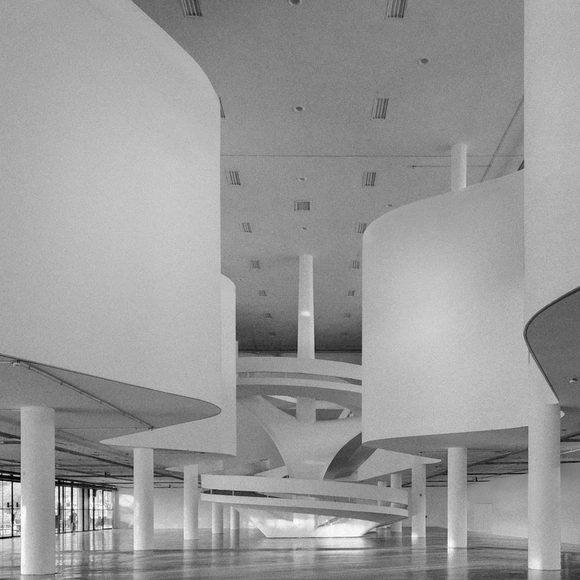
The 35th Bienal de São Paulo – choreographies of the impossible, organized by the Fundação Bienal de São Paulo and curated by Diane Lima, Grada Kilomba, Hélio Menezes, and Manuel Borja-Villel, presents the complete list of participating artists and collectives. The exhibition design for this edition is by the São Paulo-based office Vão.
The announced list consolidates the extensive research carried out by the curators into urgent issues of the contemporary world, revealing a diversity of forms, movements, and interpretations under the theme "choreographies of the impossible." Featuring 120 confirmed names, the list embraces voices from the diasporas and indigenous peoples, fostering a broader local and international dialogue.
https://www.archdaily.com/1135872/with-exhibition-design-by-vao-arquitetura-the-sao-paulo-biennial-announces-the-list-of-120-participating-artistsRomullo Baratto
We need to learn to design new bathrooms
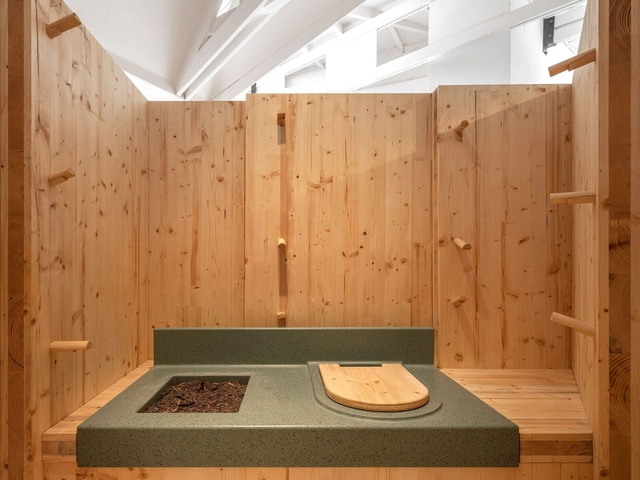
Although there are records of latrines dating back to 3100 BCE, the first flush toilet was invented in 1596 by Englishman John Harington. He produced two units: one for himself and another for Queen Elizabeth I.
The idea did not catch on at the time, and it was only in 1775 that Scotsman Alexander Cumming patented the modern toilet, designed to connect to a sewage system. In 1885, another Englishman, Thomas Twyford, created the first porcelain toilet, replacing the wooden models that preceded it.





https://www.archdaily.com/1136333/we-need-to-learn-to-design-new-bathroomsMarília Matoso
Meet the winners of "Young Talent" at the 2023 EUmies Awards for Contemporary Architecture
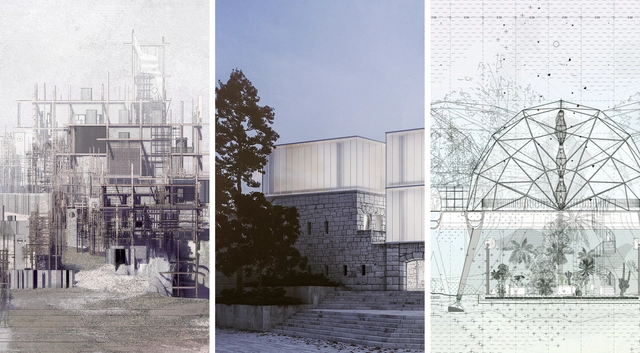
As part of the collateral events of the 18th International Architecture Exhibition of La Biennale di Venezia, Creative Europe and the Fundació Mies van der Rohe have announced the winners of the European Union Prize for Contemporary Architecture / Mies van der Rohe Awards 2023 in the Young Talent category. Alongside a series of debates, the awards ceremony took place at Palazzo Michiel in Venice.
https://www.archdaily.com/1135840/meet-the-winners-of-young-talent-at-the-2023-eumies-awards-for-contemporary-architectureAgustina Iñiguez
Fashion architecture: bricks made from textile waste
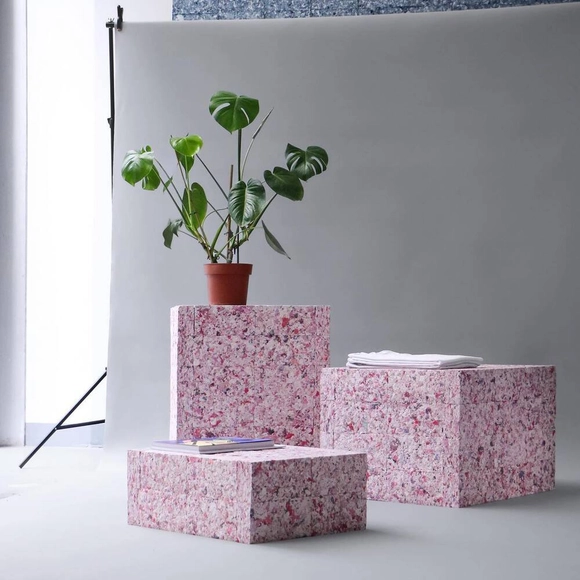
According to recent research, the global fashion industry generates around $2.4 trillion annually. This staggering figure, unfortunately, is matched by its waste statistics. It is estimated that every second, the equivalent of a garbage truck full of textile scraps is burned or sent to landfills. Considering that fabrics like polyester, which is widely used in garment manufacturing, take an average of 200 years to decompose, the catastrophic future of this model is easily foreseeable. Alarming news consistently highlights this issue, such as the images of the immense secondhand clothing graveyard in the Atacama Desert released a few years ago, or reports that famous British luxury brand Burberry incinerated £28.6 million worth of unsold clothing, accessories, and perfume last year to protect its brand, claiming the carbon emissions were offset, making the action "environmentally sustainable."
https://www.archdaily.com/1136154/fashion-architecture-bricks-made-from-textile-wasteCamilla Ghisleni
Self-knowledge mediated by space: neuroarchitecture at the service of "mindfulness"
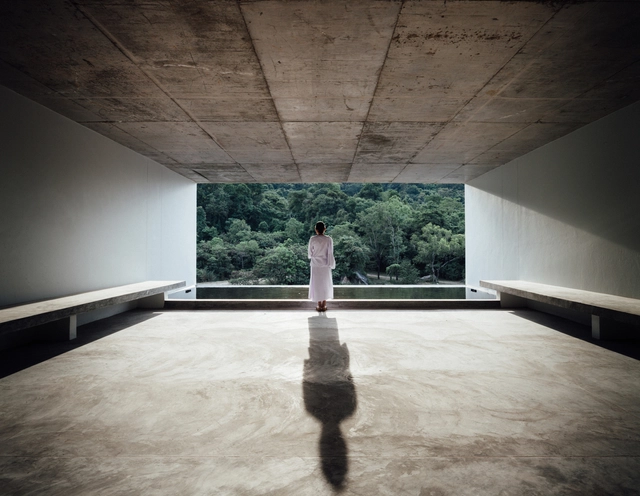
Present-moment awareness, also known as mindfulness, is the practice of focusing entirely on the present. In this meditative practice, worries about the past and future give way to a heightened awareness of the *here and now*, which includes awakening a space-mediated self-awareness through the perception of feelings, sensations, and the surrounding environment.
In this context of awakening to self-awareness, the power of the built environment to serve as a refuge cannot be overlooked. While social interaction is vital for maintaining human health, privacy and spaces of retreat are equally essential.



https://www.archdaily.com/1136360/self-knowledge-mediated-by-space-neuroarchitecture-at-the-service-of-mindfulnessCiro Férrer Herbster Albuquerque
The Best Cities to Live in Latin America in 2023
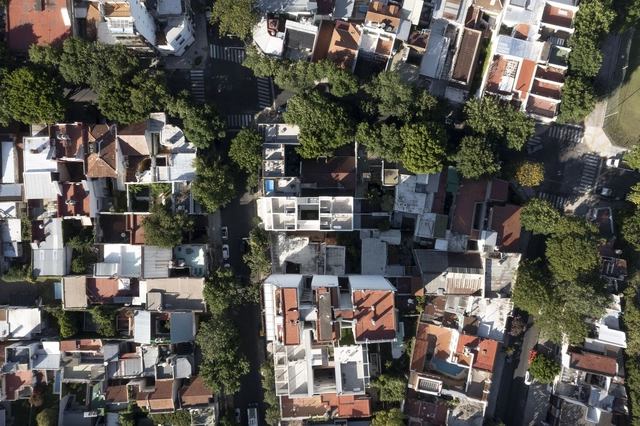
The Economist Intelligence Unit (EIU) released a new edition of its Global Liveability Index, announcing the world's most liveable cities in 2023. Vienna has topped the ranking in four of the last five years, thanks to its stability, cultural richness, entertainment options, and reliable infrastructure. Copenhagen, Denmark, held onto second place, while Melbourne and Sydney took third and fourth, respectively. These cities were regular fixtures at the top of the list prior to the pandemic.
What is the situation in Latin America? Buenos Aires once again emerged as the top Latin American city to live in. Santiago, Chile, reclaimed the second-place spot it held before the social unrest, while Montevideo, Uruguay, ranked third. San Juan, Puerto Rico, followed closely with a very strong score. Conversely, Caracas in Venezuela, Aguascalientes in Mexico, and Guatemala City were among the lowest-rated in the region.
https://www.archdaily.com/1135993/the-best-cities-to-live-in-latin-america-in-2023Fabian Dejtiar
Brazilian firm is a finalist in the 5th Félix Candela Award with a rural school project based on indigenous knowledge
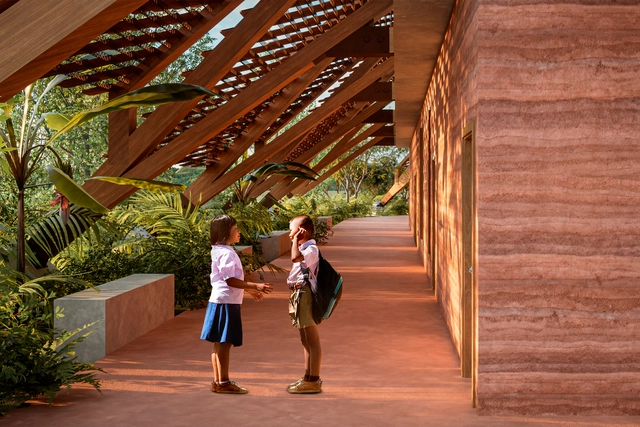
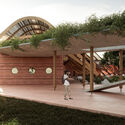
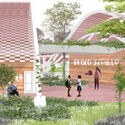
The Escuela Guaraní Mbya, designed by the Brazilian firm Studio Guimarães Rosa, was selected as a finalist in the 5th edition of the Prêmio Félix Candela, one of Mexico's premier design competitions. The contest centered on the concept of the "man of maize"—the human returning to the land. The firm proposed a rural school that equips people to return to the countryside. The guiding question for the designers was: how to return without destroying? Their answer was to learn from Indigenous peoples.
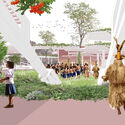

https://www.archdaily.com/1136033/brazilian-firm-is-a-finalist-in-the-5th-felix-candela-award-with-a-rural-school-project-based-on-indigenous-knowledgeArchDaily Team
So many people, so much joy: the role of shopping centers in urban life

As critical as I am of the impact of shopping malls on urban life in São Paulo, I still cannot avoid them completely. Whether it is because I am short on time but need to stop by the supermarket and buy a birthday present; or because the movie I want to see is only playing at that specific time in that particular mall; or because my children love the play area on the rooftop of Shopping Pátio Higienópolis and, since I really need to buy new sneakers, we end up going there.
https://www.archdaily.com/1136240/so-many-people-so-much-joy-the-role-of-shopping-centers-in-urban-lifeVitor Meira França
Trash barrier installed in Guanabara Bay
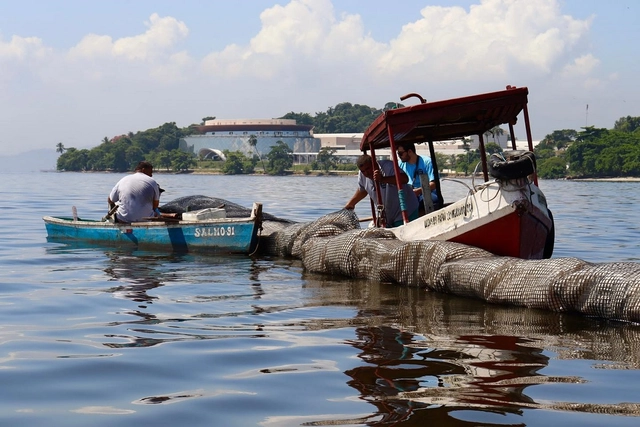
An experimental barrier to collect floating trash at Prainha on Ilha do Fundão, located on the coast of Guanabara Bay in Rio de Janeiro, was installed in early June by the Orla Sem Lixo (Trash-Free Shoreline) Project. The initiative aims to find a sustainable alternative for managing floating waste in coastal and adjacent marine areas, fostering a knowledge exchange between the local fishing community and researchers.
https://www.archdaily.com/1136037/trash-barrier-installed-in-guanabara-bayCicloVivo
Open Question: How are you incorporating new technologies into your design process?

Although the architecture and construction industry has been making strides in new fields like artificial intelligence (AI), parametric modeling, virtual reality (VR), and other cutting-edge tools for years, their implementation and integration into daily design workflows remain slow. In an increasingly connected and constantly evolving world, digital tools and emerging technologies are revolutionizing how architects design and build—changing the rules of the game and expanding creative horizons. Consequently, there is an ongoing need to discuss how these technologies are being incorporated and how their use within the discipline can be further enhanced.
ArchDaily featured the topic of Design Process in July, and we didn't want to miss the opportunity to open the discussion with an invitation. We believe in the power of dialogue and the exchange of ideas. We want to hear about your experiences, learn from your successes, challenges, and mistakes—and explore together how these new tools are transforming the way you practice architecture.
https://www.archdaily.com/1136339/open-question-how-are-you-incorporating-new-technologies-into-your-design-processFabian Dejtiar
Why are there so many aluminum window frames in Brazilian cities?
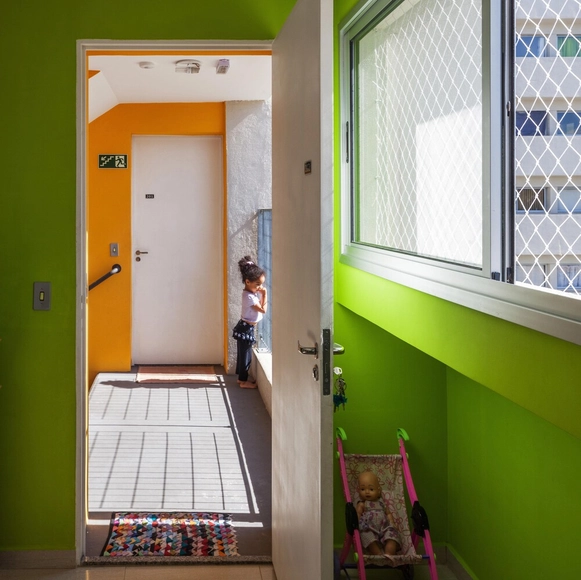
A close look at the building facades in many Brazilian cities, such as São Paulo, Belo Horizonte, and Rio de Janeiro, reveals that the use of aluminum frames is highly common and popular in Brazil. Adopted across a wide range of building typologies, including residential and commercial projects, and in various formats such as doors, windows, and railings, these versatile structures are widely used in construction, representing about 80% of the total volume of aluminum consumed by the sector in the country. But why, after all, have aluminum frames become so widely used in Brazilian cities?
https://www.archdaily.com/1136062/why-are-there-so-many-aluminum-window-frames-in-brazilian-citiesAdele Belitardo