1. ArchDaily
  2. News

News

Can good architecture emerge from the real estate business? A 'high-rise houses' project in Santiago, Chile

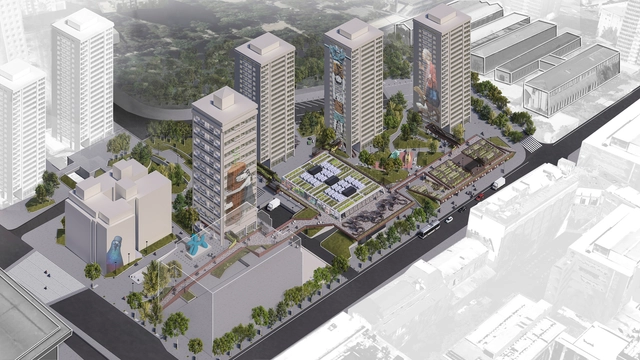
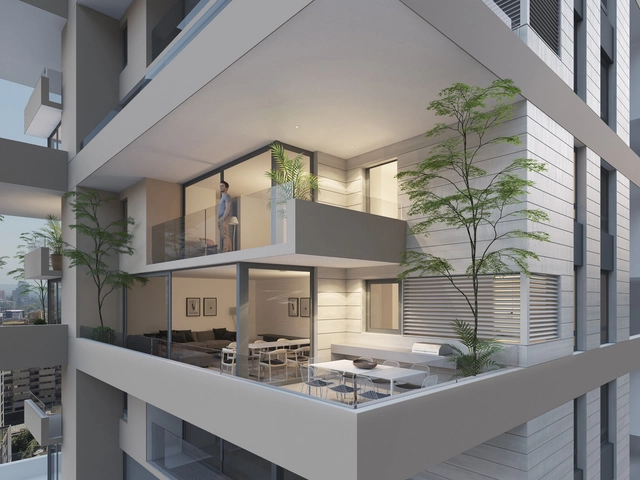
Is there room in the real estate business to create good architecture and contribute to our cities? Convinced of the potential of the real estate sector, Chilean architects Eduardo Berlin and Nicolás Lipthay founded MoDe Studio, an innovation and design workshop that seeks to maximize urban opportunities to build quality architectural projects without compromising—and even improving—their financial performance.

Based on these principles, they developed the 'Casa Vitacura' project, a building designed as a 'vertical neighborhood' with DFL2-standard units that aim to offer the same benefits as a house: spaciousness, privacy, a patio, and independence.
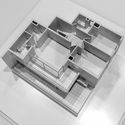
Can good architecture emerge from the real estate business? A 'high-rise houses' project in Santiago, Chile - Imagem 1 de 4Can good architecture emerge from the real estate business? A 'high-rise houses' project in Santiago, Chile - Imagem 2 de 4Can good architecture emerge from the real estate business? A 'high-rise houses' project in Santiago, Chile - Imagem 3 de 4Can good architecture emerge from the real estate business? A 'high-rise houses' project in Santiago, Chile - Imagem 4 de 4Can good architecture emerge from the real estate business? A 'high-rise houses' project in Santiago, Chile - More Images+ 33

Mexican women architects pushing the boundaries of the profession

Subscriber Access | 

By definition, architecture is the art and technique of planning, designing, constructing, and modifying the human habitat. However, my own professional career has constantly forced me to confront the same question: if you are an architect and you don't design, are you still an architect?

Playlist: New Year's Eve - ArchDaily Brazil

Subscriber Access | 

We have finally reached the last day of 2018, a year marked by a series of architectural trends, novel proposals presented in competitions, biennials, and architecture fairs, and above all, punctuated by a sea of projects reflecting the concerns of architects proposing new directions for the discipline. Now, after 365 days of many surprises for the world of architecture, it is time to celebrate and give thanks for another year—and what better way to welcome 2019 than to the sound of great music? With this in mind, our editorial team has curated a special selection: featuring the moving sounds of Coldplay and John Lennon, festive beats from Bruno Mars and Alok, and Brazilian classics by Elis Regina and João Gilberto.

Check out the full New Year's Eve playlist below.

This is Taller Síntesis' proposal for the Mónaco Building in Medellín

Subscriber Access | 

Through the Urban Development Corporation (EDU) and the Colombian Society of Architects (SCA), last November Medellín launched an international call for proposals to design a space for memory and reflection on the period between 1983 and 1994 at the site of the demolished Monaco Building, the former residence of drug lord Pablo Escobar.

Here, we present the proposal by Taller Síntesis, which outlines a new way of telling history through space, inviting reflection on the past while honoring the lives of the victims of drug trafficking. According to the designers, "over time, this building has become a tourist destination for visitors arriving in Medellín who want to learn about the figure behind television shows that fail to faithfully reflect the reality of this era of drug trafficking."

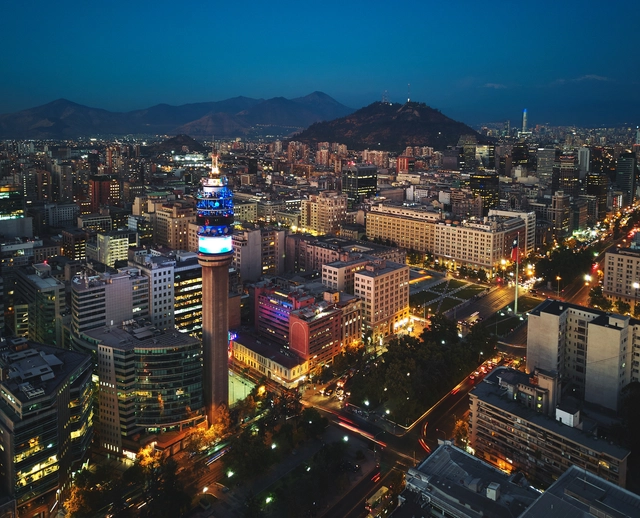
The Chilean city in the press: a new zoo in Santiago, arsenic in Quintero, and plans for Copelec in Chillán

Public attention turned to the protests in Puchuncaví and Quintero, municipalities designated as a "sacrifice zone" due to the presence of 15 major energy, chemical, and fuel companies, while Santiago works on the opening of a new green lung in the city center. This week is dedicated to the environment in this edition of La ciudad chilena en la prensa, the ArchDaily section where we cover what is happening in Chilean cities.

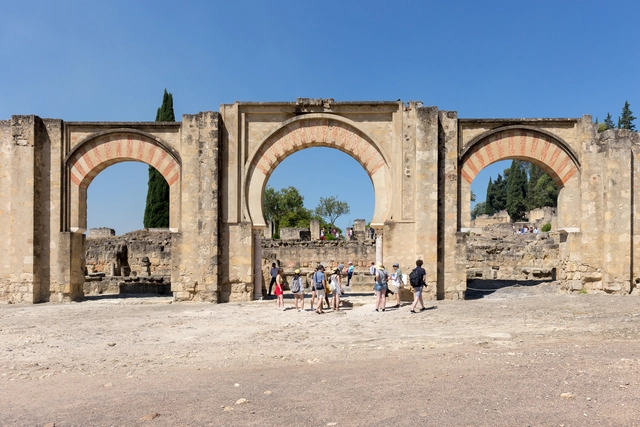
Medina Azahara of Córdoba, declared a World Heritage Site by UNESCO

UNESCO has added 19 new sites to the World Heritage List, including the Caliphate City of Medina Azahara (Córdoba, Spain) during its recent 42nd session held in Manama, the capital of Bahrain.

The report prepared ahead of the session includes the evaluation and final conclusions of the International Council on Monuments and Sites (ICOMOS). Following a comparative analysis conducted both nationally and internationally, the council concluded that, alongside Medina Azahara, only Samarra (Iraq) stands as a well-preserved example of a caliphate city. Furthermore, among all caliphate cities, Medina Azahara is the only one that provides evidence of the culture and knowledge of the Islamic civilization that reached Europe.

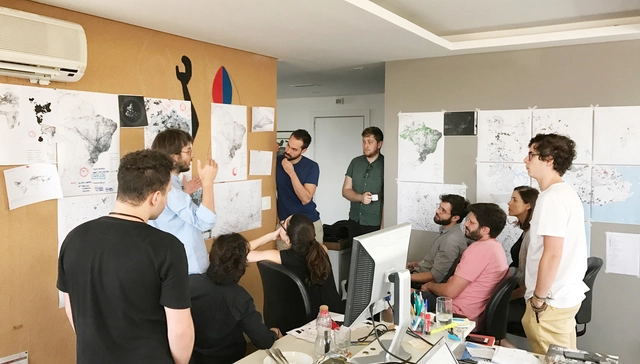
A Conversation with the Curators of the Brazilian Pavilion at the 2018 Venice Biennale

With the 2018 Venice Architecture Biennale approaching, ArchDaily Brasil interviewed the curators of the Brazilian pavilion – Laura González Fierro, Sol Camacho, Gabriel Kozlowski, and Marcelo Maia Rosa – to better understand their curatorial proposal and clarify details of public participation in this endeavor.

Read the interview below:

Indivisible: comic narrates the Black and Asian history of the Liberdade neighborhood in São Paulo

Subscriber Access | 

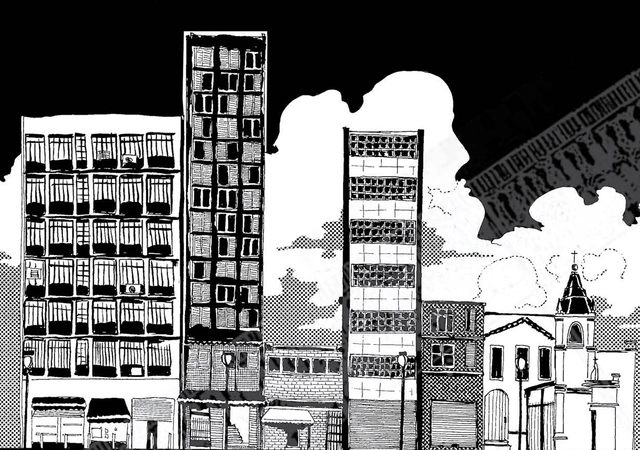
Indivisível (Indivisible) is the title of the graphic novel created by Marília Marz as her final thesis project at Escola da Cidade – Faculty of Architecture and Urbanism. The project aims to identify and analyze the narrative possibilities intrinsic to the architectural and urban elements of the Liberdade neighborhood in São Paulo across two distinct historical periods.

Ensamble San Borja, Second Place in the San Borja Footbridges Competition in Chile

Subscriber Access | 

The Ensamble San Borja proposal was awarded second place in the Pasarelas San Borja competition in Chile. The main objective of the competition was to recognize "the best urban design ideas that help define intervention criteria and generate proposals for the San Borja Neighborhood."

According to the authors, the second-place winning proposal aims to create "a living space that mutates according to needs and adapts to demands."

São Paulo Buildings for Children: A Playful Book to Discover the Beauty of São Paulo's Architecture

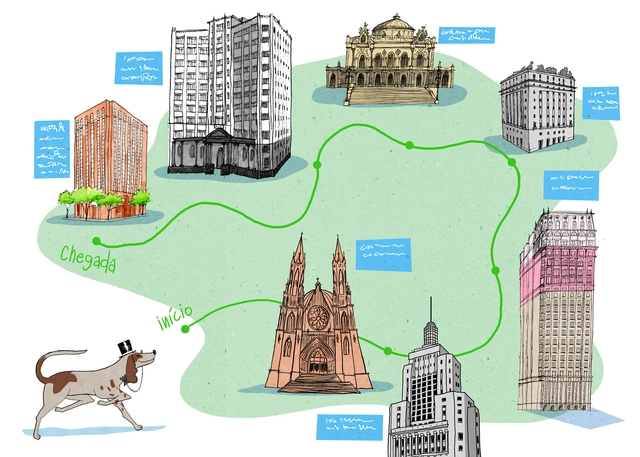
How many discoveries can a walk through São Paulo reveal? What if this expedition felt like a treasure hunt and was led by a friendly, highly curious dog? Inspired by the success of the Prédios de São Paulo trilogy, a project conceived by Matteo Gavazzi, comes Prédios de São Paulo para Crianças. Set to launch in July 2018, the children's book features text by journalist Tatiana Engelbrecht and illustrations by Daniel Almeida. The book is published by GAPS Editora.

Alexander Dubor: “Robots could play a fundamental role in the construction process”

Subscriber Access | 

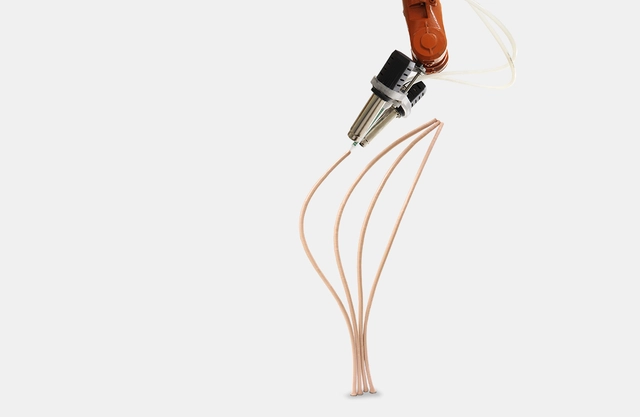
Alexander Dubor, an architect and researcher, combines new technologies in an effort to improve how we build and inhabit our cities. Currently, he heads the Open Thesis Fabrication (OTF) program as well as the Master in Robotics and Advanced Construction (MRAC) at IAAC. Alongside IAAC staff, students, and industry partners, he investigates how developments in materials, digital fabrication, and computational design can foster a better construction ecosystem, moving toward a more efficient, affordable, sustainable, and customized built environment.

As an expert in digital fabrication and robotics, Dubor discusses the current state and future prospects of robotics in construction. In this interview, he analyzes how the digital revolution can drive productivity, sustainability, and cost reduction across the construction sector.

Furthermore, he suggests that although most digital construction currently takes place off-site, future breakthroughs in robotics point to a scenario where robots evolve to play a pivotal role directly on-site.

Alexander Dubor: “Robots could play a fundamental role in the construction process” - Featured ImageAlexander Dubor: “Robots could play a fundamental role in the construction process” - Imagem 1 de 4Alexander Dubor: “Robots could play a fundamental role in the construction process” - Imagem 2 de 4Alexander Dubor: “Robots could play a fundamental role in the construction process” - Imagem 3 de 4Alexander Dubor: “Robots could play a fundamental role in the construction process” - More Images+ 19

'Design House' opens its doors with interventions that blend design, architecture, and interior design

'Design House' opens its doors with interventions that blend design, architecture, and interior design - Featured Image'Design House' opens its doors with interventions that blend design, architecture, and interior design - Imagen 1 de 4'Design House' opens its doors with interventions that blend design, architecture, and interior design - Imagen 2 de 4'Design House' opens its doors with interventions that blend design, architecture, and interior design - Imagen 3 de 4'Design House' opens its doors with interventions that blend design, architecture, and interior design - More Images+ 30

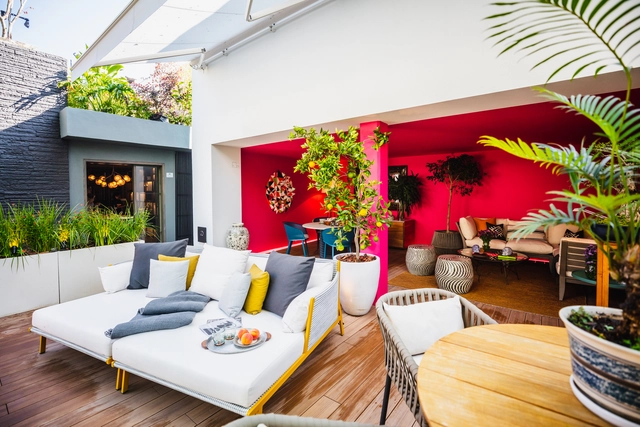
On Thursday, October 11, a new space named Design House opened in Mexico City, showcasing a series of interventions that blend design, architecture, and interior design. Over the past nine years, the event has presented cutting-edge proposals from 100 participating firms across various venues. This is done in collaboration with showrooms along the Ruta del Diño (Design Route), which provide the furniture and accessories featured in the various spaces.

For this year's edition, Design House features 24 renowned architecture and interior design firms. Guided by their unique visions, they have transformed different spaces, drawing inspiration from prominent personalities across various social spheres in Mexico.

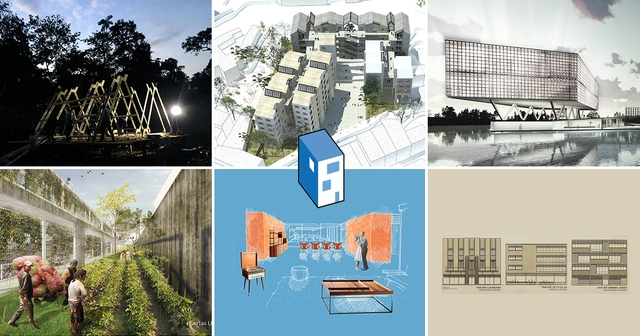
The Best Architecture Graduation Theses in Colombia in 2018

Subscriber Access | 

In September, we launched the third edition of our open call in Colombia, inviting architects to submit their graduation thesis projects (as final degree projects are known there). In this edition, the call received 94 submissions from more than 10 cities and 22 universities across the country, representing a 34% increase in proposals compared to 2017.

Following a thorough evaluation, six graduation theses were selected as winners by our editorial jury (Fabián Dejtiar, Mónica Arellano, José Tomás Franco and Nicolás Valencia). Built works, historical research, and master plans make up our selection: from a rural residential prototype to a comprehensive study of the Edificio de Renta (rental building), a popular residential format in Bogotá between the 1940s and 1970s.

Additionally, for the first time we included a high-level external jury tasked with selecting the Grand Winner 2018. The jury comprised Lina Toro (Madrid), Carlos Cano (OPUS, Medellín), and Jorge Noreña (Ruta 4, Pereira). "While architecture requires rigor, dedication, and communication skills, it also demands strengthening connections with urbanism and landscape, as well as with professions that make transformative ideas viable," Cano commented during the jury's evaluation.

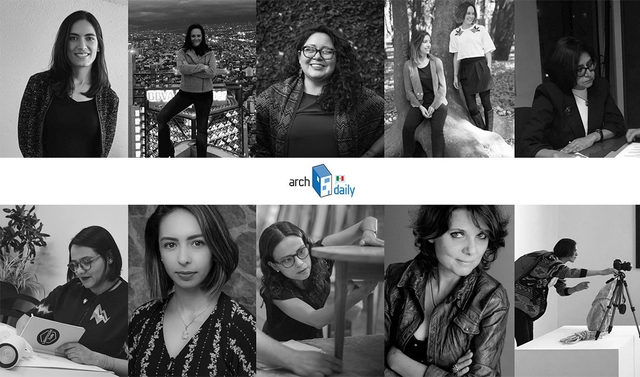
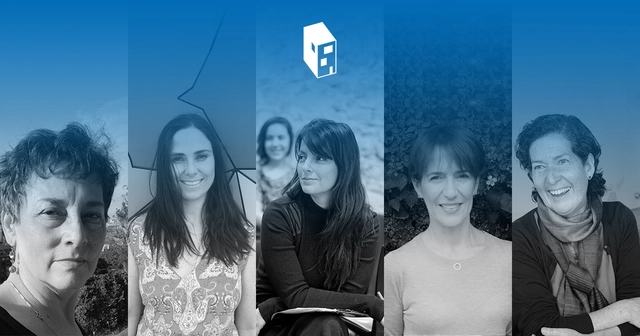
Five Colombian women architects prominent in design, research, and teaching

In recent years, International Women's Day has reclaimed the political significance of its origins, bringing together some of the most recent discussions surrounding women: the gender pay gap, the exposure of sexual abuse through the #MeToo movement, and, in the specific case of our discipline, the visibility of women in architecture. Zaha Hadid went so far as to say that she felt "harshly judged for [the fact of] being a woman," despite winning the Pritzker Prize in 2004.

If that happened to her, imagine the rest.

In this regard, at ArchDaily we have opened up the discussion and are proud to highlight the work of women architects worldwide, in addition to partnering with interesting Latin American initiatives along the same lines, such as Un día, una arquitecta. For this edition of International Women's Day, we have joined forces with the Colombian print publication de-Arq (Universidad de los Andes) to showcase the work of five contemporary Colombian women architects, who represent distinct yet complementary approaches within our discipline: design, research, teaching, and experimentation.

Five Colombian women architects prominent in design, research, and teaching - Imagem 1 de 4Five Colombian women architects prominent in design, research, and teaching - Imagem 2 de 4Five Colombian women architects prominent in design, research, and teaching - Imagem 3 de 4Five Colombian women architects prominent in design, research, and teaching - Imagem 5 de 4Five Colombian women architects prominent in design, research, and teaching - More Images+ 1

These are the winning second-year projects of the 2018 Arquitectura Caliente Competition

Subscriber Access | 

After reviewing 94 undergraduate student projects from 20 architecture schools across 8 regions of Chile, the jury of the Concurso Arquitectura Caliente 2018 has announced the winning projects of its latest edition.

The submissions span the entire country and cover diverse typologies, ranging from urban planning and student housing to landscape designs and structural emergency initiatives.

Below, we present the award-winning second-year projects:

Solano Benítez on Cuatro Cuatros: 'We need to converge on how to safeguard everyone's heritage'

Subscriber Access | 

In conversation with ArchDaily en Español, the founders of the Paraguayan firm Gabinete de Arquitectura, Solano Benítez and Gloria Cabral, spoke about their involvement in Cuatro Cuatros, an ambitious Mexican project led by Mauricio Rocha y Gabriela Carrillo in Ensenada, Baja California.

For a decade, Rocha and Carrillo have worked on the 860 hectares comprising the Cuatro Cuatros project. In this new phase, a group of Mexican and international architects has created a manifesto explaining their collaborative involvement in a 500-home development within the 360 permitted hectares.

Lessons for Brazil: Cities That Developed with Good Social Housing Projects

Subscriber Access | 

Days after the tragic fire and collapse of the Wilton Paes de Almeida building in downtown São Paulo, which left fatalities and hundreds homeless, it is impossible not to question the future of social housing in Brazil.

Historically, most social housing programs have focused on constructing new housing units. However, according to urban planning and housing specialist Elisabete França, this approach is often detrimental to the social development of low- and middle-income citizens.

The economic and social benefits of low-carbon cities

Subscriber Access | 

The threat of climate change adds to the multiple challenges of an increasingly urbanized world. Beyond the need for cities to establish themselves as prosperous and sustainable organisms, climate disruptions also jeopardize public health and local economies, threatening to bring about consequences that are difficult to even imagine. Climate action is rooted in cities—the very spaces that will determine the planet's future.

The concept of low-carbon development refers to planning urban growth with lower emission rates of carbon dioxide (CO2), the primary greenhouse gas (GHG). After reviewing 700 studies, a team of researchers from the University of Leeds, in partnership with the Coalition for Urban Transitions, concluded that low-carbon measures can help achieve several urban development priorities, such as job creation, public health, social inclusion, and improved accessibility.

The Votive Temple of Maipú, 200 Years After Its Cornerstone

Subscriber Access | 
The Votive Temple of Maipú, 200 Years After Its Cornerstone - 10 的图像 4
© Maria Gonzalez

This year marks the bicentennial of the Battle of Maipú, the decisive clash that secured Chile's independence. 1818 also marks the vow made by Chilean liberator Bernardo O'Higgins to erect a votive temple in honor of the Virgin of Carmen, Chile's patron saint, to whom local troops prayed for the victory that ultimately freed them from the Spanish Empire.

6th Docomomo São Paulo Seminar: Paulista Modern Architecture and the Social Question

The Docomomo São Paulo Chapter and the Institute of Architecture and Urbanism of the University of São Paulo in São Carlos are hosting the 6th Docomomo São Paulo Seminar, which will take place from September 24 to 26 at the University of São Paulo Campus in São Carlos.

The 6th Docomomo São Paulo Seminar will feature lectures and panel discussions with invited Brazilian and international experts.

Fundación Santa Fe de Bogotá, the only Colombian project to win at the 2018 Building of the Year Awards

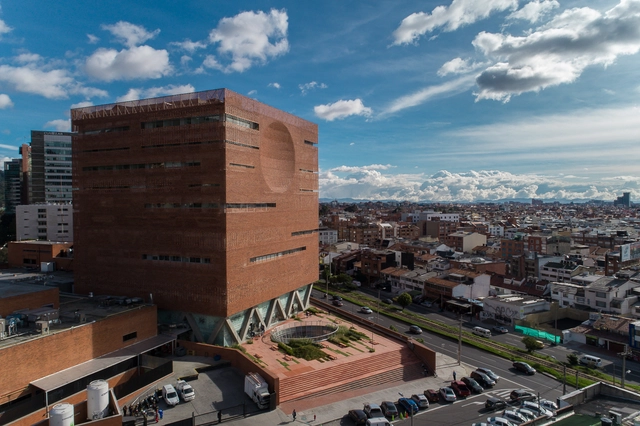
Designed by El Equipo de Mazzanti, the Fundación Santa Fe de Bogotá has been selected as the winner in the 'Healthcare Architecture' category of the 2018 Building of the Year Awards, making it the only Colombian project—and one of only two Latin American representatives—to win in the competition organized by ArchDaily, the network of websites to which ArchDaily Colombia also belongs.

The Building of the Year Awards are presented annually to the best projects published on our English-language edition—the most visited architecture website in the world—with winners chosen by the readers themselves, who can vote across 15 typological categories in two stages. In this edition, the competition reached 100,000 votes from around the world within a two-week period.

Perkins Eastman unveils 240-hectare master plan on the grounds of the Guayaquil airport

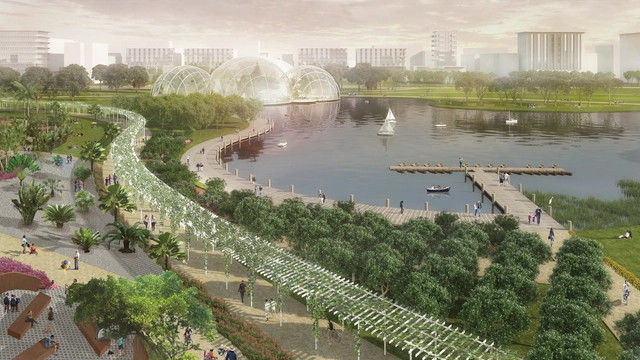
José Joaquín de Olmedo Airport—Ecuador's second busiest—will relocate to the outskirts of Guayaquil in 2022, freeing up 240 hectares in the city center. In response to the unprecedented urban opportunity presented by this relocation, the firm Perkins Eastman has revealed the first images of Nueva Ciudad, a 2-million-square-meter master plan in Guayaquil.

Stephen Forneris, head of the Ecuador office, explained that the project "can be a catalyst for economic growth, cultural activities, and entertainment; it will be the spark that begins Guayaquil's journey to becoming the city of the future."

Barça pays tribute to Barcelona on its third jersey

Barça’s history is closely tied to Barcelona, the city where the soccer club was founded in 1899. Today, the reigning Spanish league champions paid tribute to the city with the launch of their third kit for the 2018/2019 season.

The third jersey features a pale pink color crossed by a diagonal sash running from the left shoulder to the bottom right. The stripe pays tribute to Avinguda Diagonal, one of Barcelona's most important avenues, and is superimposed on a reddish-toned satellite image of the Eixample district.

Student competition proposes rethinking the motel typology: check out the results

The challenge proposed by the competition, aimed at students, was to redefine the highway motel typology, creating a building that would engage with the Rio de Janeiro skyline and focus on design and entertainment for its guests.

According to the jury, “Many proposals focused on autonomous volumetric design, as if shifting volumes to meet a functional solution could account for the complexity required for urban integration. Therefore, the most critical evaluation criteria were program innovation, proper circulation planning, and the interaction between architecture and open spaces. In this regard, the proposals that managed to leverage the site's potential achieved the competition's objectives: the creation of an URBAN Motel.”

See the winners below.

You've started following your first account!

Did you know?

You'll now receive updates based on what you follow! Personalize your stream and start following your favorite authors, offices and users.