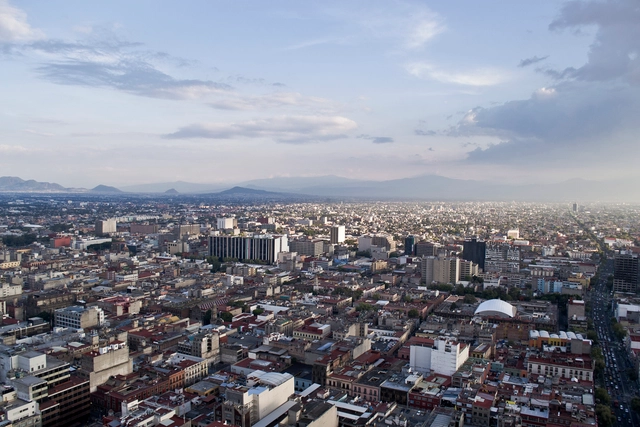
Numerous movements are demanding alternatives to current urban mobility—systems designed by and for vehicular traffic, burdened by an outdated planning mentality that centered everything around the car. Their reasons are equally diverse: improving public health, utilizing economic resources more rationally when commuting, lowering pollution levels (both noise and air), and even increasing efficiency by reducing travel times.
Yes, we are referring to the endless and inevitable daily traffic jams we have all experienced.
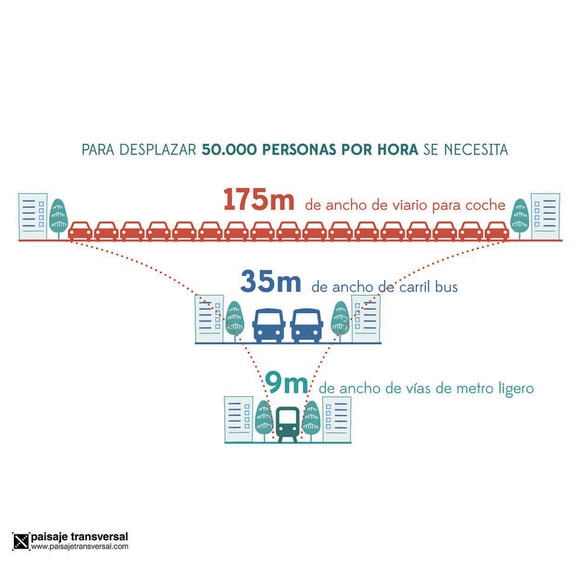
If the benefits across all sectors are so clear, why haven't we implemented an alternative mobility system on our streets yet? There are several answers to this question, ranging from public resistance to change and a lack of prioritization in political agendas, to the simple fact that there is no universal, magic formula to solve every issue overnight everywhere. Once we overcome these barriers, we can begin by analyzing who currently uses the streets, who does not, and why.
Cortesia de Secretaria Municipal de Cultura de São Paulo
To celebrate the diverse groups that built the cultural heritage of São Paulo and helped shape the city's identity, the Municipal Secretariat of Culture will host the Jornada do Patrimônio (Heritage Journey) on August 18 and 19, under the theme "One City, Many Hands."
The event offers a free, diverse program aimed at connecting the public with historical and emotionally significant spaces that define the city's history. In total, 320 activities will take place, including tours, lectures, workshops, building visits, guided tours, and book launches.
Videos
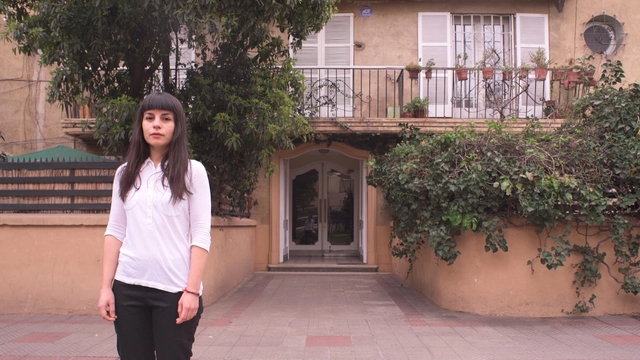
Work / Proyecto Habitar. Image via Proyecto Habitar
Across nine episodes, the series Proyecto Habitardelves into the privacy of homes to explore the reality of housing in Chile. Through the perspective of its protagonists, the series explores a range of housing-related issues, as directors Joaquín Mora and Verónica Wüst aim to spark a long-overdue discussion.
"Housing is a crucial issue that will soon come to the forefront, as we live within an economic system that raises various challenges we must discuss as a society," Mora comments.
This time, we invite you to watch three new episodes of the series: health, work, and occupation.
On December 20, the final curatorial review of the first National Essay and Research Competition, Written Architecture 2017, took place at the national headquarters of the Colegio de Arquitectos de Chile.
Organized by Grupo Arquitectura Caliente and co-organized by Ediciones ARQ, the competition awarded the 20 best articles out of 87 submissions in the undergraduate and graduate categories, representing 18 architecture schools across 9 different Chilean cities.
The competition was directed by Gabriela García de Cortázar and featured a jury of 30 prominent academics and professionals on the Evaluation Committee.
Below is the article by Universidad de Chile student Pablo Schmidt, winner of the Graduate Category.
República Portátil is a creative architecture and design company founded by Universidad del Biobío (Concepción) architecture graduates Luis Felipe Maureira, Julio Suarez, and Valentina Torres, alongside industrial designer Andrés Moreno and publicist Cristina Vergara. In this interview, they discuss the origins of República Portátil, when its members, then university students, gathered to generate spatial experiences designed to disrupt the everyday and transform urban environments:
This approach, heavily inspired by the ideas of the Situationist movement, is reflected in works such as Pabellón Deshabitado, Pabellón Difuso, and Pabellón FAV (Valparaíso Festival of the Arts). Through these projects, República Portátil presents an innovative and sustainable vision that questions how we inhabit public space, focusing on its temporality. Through demountable architecture, they highlight the significance of territory and the activities that unfold within it over time, designed to engage all of the spectator's senses.
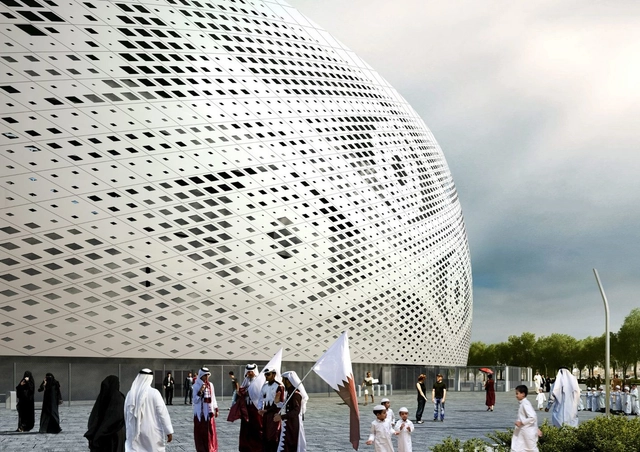
Al Thumama Stadium, designed by Ibrahim M. Jaidah, explores Qatari history, symbolism, and culture. Courtesy of the Supreme Committee for Delivery & Legacy
The 2022 World Cup takes place in Qatar from November 21 to December 18, promising to amaze spectators with its stadiums. There are eight projects in total—some built from scratch, while others are existing structures undergoing renovation.
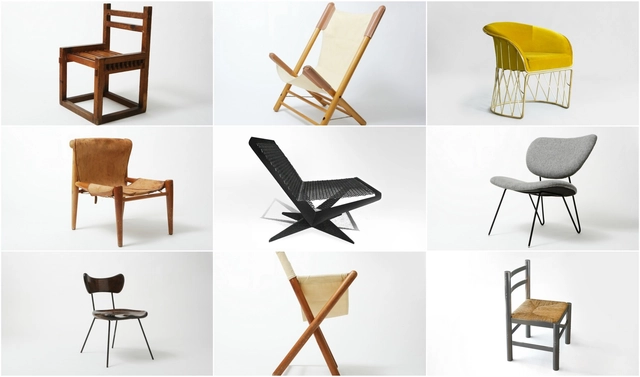
The 20th century in Mexico was a period of vibrant artistic and architectural experimentation. This era marked the establishment of the Modern Movement, bringing with it innovative ideologies that nurtured new talent and shaped the frameworks of artistic and architectural production.
For many years, architects worked as multidisciplinary designers, creating both spaces and furniture under a single, cohesive vision. Yet despite this, some of these pieces have faded into obscurity, overshadowed by major architectural works and the fast pace of modern life, where mass-produced furniture renders these unique designs invisible.
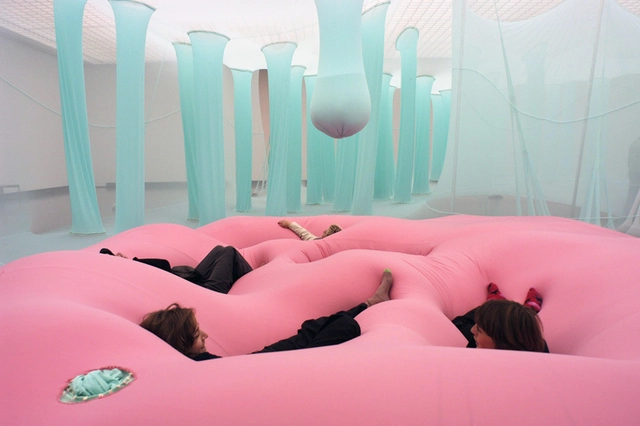
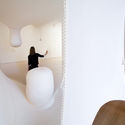
Large-scale sculptures shape spaces where viewers can immerse themselves in a vast sensory world. It is work that appeals to all five senses, inviting the public to explore mind and body through a journey where touch, color, scent, and different ways of inhabiting space form the essence of the artistic medium. The intersection where art merges with architecture creates a platform of interaction between visitors, their physical sensitivity, and the environment.
Ernesto Neto is a Brazilian artist born in Rio de Janeiro in the 1960s. He became interested in sculpture at an early age, and although he admits to having felt uncertain about his future as an artist at times, he has always remained dedicated to his greatest passion: exploring the senses and the diverse experiences that the natural world offers humanity through material form.
Originally published in 1995, Registro de uma vivência is an autobiography by Lucio Costa (1902–1998) composed of critical essays, memoirs, plans, projects, photographs, and drawings specifically selected and arranged by the author.
Out of print for nearly 20 years, the book has been reissued by Editora 34 in partnership with Edições Sesc SP. Fully preserving the original graphic design, this new edition features an introduction by Maria Elisa Costa, Lucio’s daughter, an index of names, and an essay by Sophia da Silva Telles, which seeks to decipher the significance of the work of this great architect and urban planner, who was also one of the most important Brazilian intellectuals of the 20th century.
The Mictlán Pavilion Competition was established as part of the activities for the 2018 Mictlán Festival, an annual event held in the municipality of Tlajomulco de Zúñiga in the state of Jalisco, Mexico. This event aims to celebrate the Day of the Dead traditions in this municipality, particularly along the Cajititlán waterfront.
For the competition, participants designed an intervention for the San Juan Evangelista pier in Tlajomulco, which served as a transitional space within the Day of the Dead Festival installations.
The long-awaited Bío Bío Regional Theater in Concepción, Chile, has finally opened its doors to the public in an inauguration attended by the President of Chile, Michelle Bachelet. The opening was eagerly anticipated, as Bachelet noted in her welcoming address: "Smiljan Radic won the international architecture competition in 2011, and we were only able to start construction in 2015. We wanted to inaugurate it several times, and it is finally here, with its imposing volume."
Smiljan Radic's design, which also involved architects Eduardo Castillo and Gabriela Medrano, won the public competition organized by the Architecture Area of the National Council of Culture and the Arts—currently the Ministry of Cultures, Arts, and Heritage—and will serve as a hub for artistic development, exchange, and promotion for creators and cultural practitioners from the region and the rest of Chile.
https://www.archdaily.com/1114217/smiljan-radic-and-the-bio-bio-regional-theater-hiding-always-means-showing-something-in-another-wayPola Mora
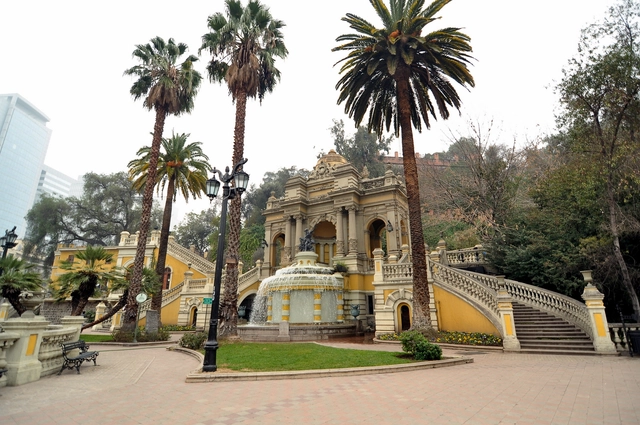
In May 1999, 17 historic buildings in Santiago opened their doors to launch the very first edition of Chile's Cultural Heritage Day. Nearly two decades after that inaugural event, the upcoming edition will span an entire weekend for the first time, taking place on Saturday, May 26, and Sunday, May 27.
Portuguese architect João Luís Carrilho da Graça has been unanimously selected as the winner of the inaugural Leon Battista Alberti Architecture Prize, awarded by the Leon Battista Alberti Center for Studies Foundation, named after the prominent Renaissance architect and art theorist.
Carrilho da Graça, who heads the eponymous firm Carrilho da Graça Arquitectos, is known for major projects in Portugal and other European countries, such as the Lisbon Cruise Terminal, the Theater in Poitiers, and the Orient Museum.
Architecture is perhaps the built heritage that best expresses a city's history, highlighting major cultural figures whose work enriches the history of its people. The Porto Architecture Guide 1942-2017 follows the Lisbon Architecture Guide 1948-2013; together, they are the first two volumes in the Cities collection published by A+A Books.
To streamline tree mapping, the Secretariat of Environment and Animal Welfare (Sema) is studying the development of an app to record information on tree species in the city's urban forest. If the study proves viable, the software is expected to be ready by the second half of this year.
The system, currently under study, is part of the Urban Forestry Master Plan, mandated by the Public Prosecutor's Office and launched in March of last year. The inventory is the most time-consuming phase of the project; however, the app will make it possible to map urban trees in certain areas of the city, collecting data such as geographical coordinates and tree health.
1º lugar. Image Cortesia de Ordem dos Arquitectos SRS
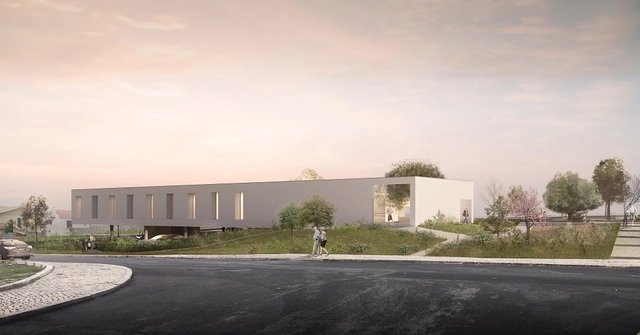
The results of the public design competition for the Santa Iria da Azóia Health Unit Project in Loures were recently announced. Organized by the Loures Municipal Council with technical support from the Southern Regional Section of the Order of Architects (OASRS), the team from LXM Studio, led by architect João Lisboa, was awarded first place. The jury, consisting of architects João Félix and Carlos Santos from the Loures Municipal Council and architect Victor Neves (appointed by OASRS), noted that of the 35 proposals evaluated, the winning entry stood out for its seamless integration with the surroundings, contributing to an effective visual and landscape revitalization of the adjacent space. The jury also noted that “the solution designed for the exterior openings is innovative and highly functional.”
Santa Iria de Azóia is a Portuguese town in the municipality of Loures, with an area of 7.52 km² and 18,240 inhabitants (2011 data). The site is located in the Pirescoxe area of Santa Iria da Azóia, where the built cultural heritage closest to the intervention area features two prominent buildings: the Pirescoxe Castle, classified as a Property of Public Interest, and the Pirescoxe Convent. The general objectives of the competition were:
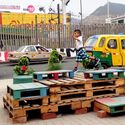
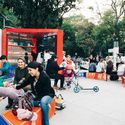
This initiative by the Placemaking Latinoamérica network aims to carry out urban actions that promote the appropriation of public space, leading up to the 2nd Placemaking Latinoamérica Encounter, which will take place in Mexico from November 5 to 11. How does it work? On the second weekend of every month, various actions will be organized across different cities and public spaces. The process is as follows:
The first action was "urban printing," which took place from July 6 to 8 in Mexico City, Puebla, and Buenos Aires, among other cities. This involves printing clothing with custom city-themed stamps. All you need is paint suitable for printing images of your city and the clothing you want to print on.
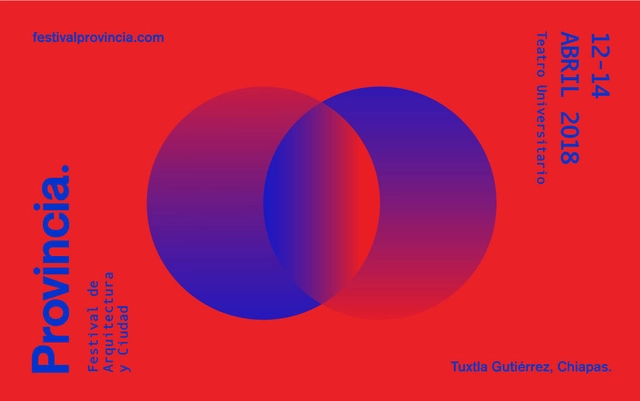
Provincia Festival aims to create an open space for dialogue and the exhibition of civic interest topics, emphasizing responsible participation in provincial architectural development.
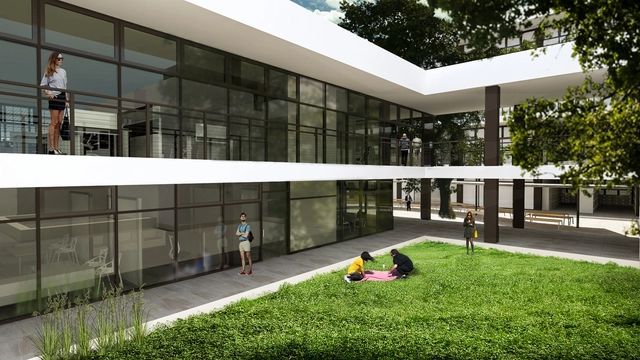
A new renovation project is underway at the University of Guadalajara's Health Sciences Campus, led by Nr24arquitectura. Located at Sierra Mojada 950, Independencia Oriente, 44340 Guadalajara, Jalisco, Mexico, the project covers a total area of 10,000 m² and is expected to be completed by 2019.
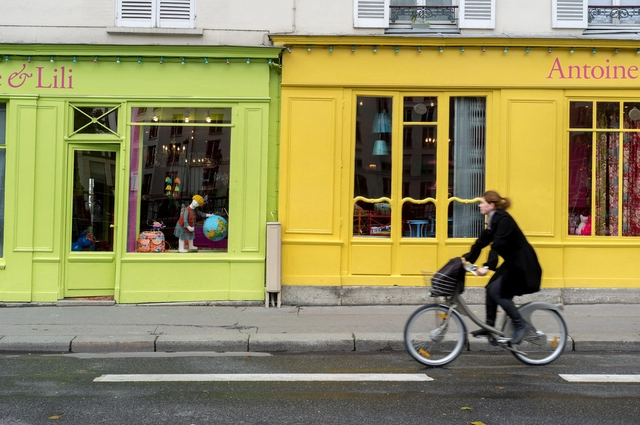
Paris wants to become the capital of urban cycling by 2020 (Photo: Burno Collinet/Flickr)
When one thinks of a “bicycle city,” Paris is certainly not the first to come to mind. Despite ongoing efforts to become more bike-friendly, the French capital is usually remembered for its efficient metro system and walkable streets. Since 2015, however, Paris has been tackling its latest challenge: becoming the “capital of urban cycling” by 2020.
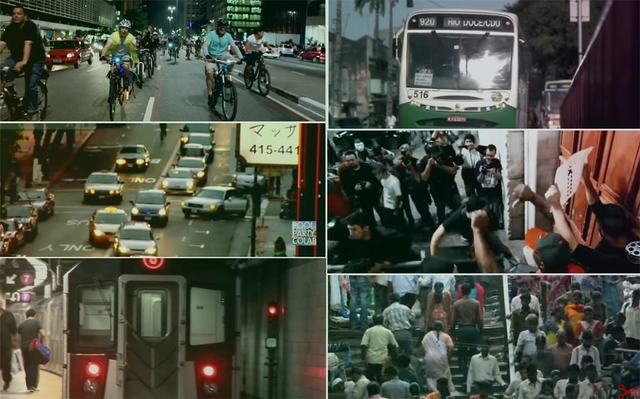
The website Mobilize, Brazil's first platform dedicated exclusively to sustainable urban mobility, has published a list of 30 must-see documentaries on the subject. Divided into feature and medium-length films, the selected titles address urban mobility from various perspectives, ranging from mass transit and non-motorized personal transport to urban culture and the June 2013 protests in Brazil.
Although housing is more affordable on the outskirts, transportation costs outweigh these savings. Photo: Kasper Christensen/Flickr. License CC BY-SA 2.0
Many families working long hours spend more than they can afford on housing and transportation, leaving few resources for other essentials such as food and healthcare. This is a serious problem—one that is, in part, a consequence of public policies that favor expensive housing and transportation options over more affordable alternatives.
The es.BIM commission, responsible for implementing BIM methodology in Spain, has released the findings of the Fourth Report of the BIM Tender Observatory in Spain, following an analysis of public tender specifications that incorporate BIM requirements within their clauses to varying degrees.
On one hand, the report assesses the emergence of public tender documents with BIM requirements. On the other, it analyzes how BIM is integrated into these specifications through various indicators, such as the weighting of BIM in the evaluation criteria and the required levels of information.
https://www.archdaily.com/1114288/27-percent-of-public-tenders-require-bim-methodology-in-spain-according-to-the-eim-commissionJavier García Librero
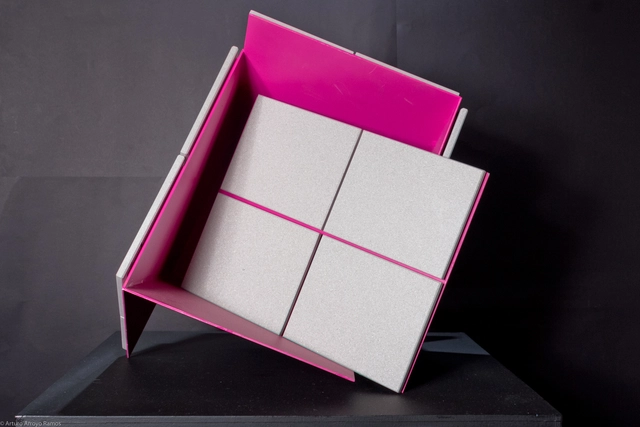
As part of the commemorations marking the 30th anniversary of the passing of architect Luis Barragán, Cosentino and Arquiphilia invited 20 Mexican architecture firms to participate in a group exhibition titled "Inspiración, magia y embrujo 2018" (Inspiration, Magic, and Spell 2018). The initiative proposed an exercise to demonstrate how collaboration and creativity are key to design, challenging participants to create a sculpture using Dekton® by Cosentino to pay tribute to the work of the 1980 Pritzker Prize laureate. The resulting models were subsequently exhibited at the Instituto Cabañas in Guadalajara.
Operational coordination was led by Arquiphilia, represented by architects Bertha Elia Gutiérrez Gómez and Carlos Lassala Mozo, who previously organized the Do It Yourself exhibition in Guadalajara in September 2015. Mónica Urbán, from Cosentino's corporate team, was also part of the coordination team, serving as the liaison between the brand and the architecture firms. Before fabrication, the participants selected their materials from a catalog, evaluating different characteristics to find the ideal match for what they wished to express in their pieces.







.jpg?1535567635&format=webp&width=640&height=580)