Portuguese architect João Luís Carrilho da Graça has been unanimously selected as the winner of the inaugural Leon Battista Alberti Architecture Prize, awarded by the Leon Battista Alberti Center for Studies Foundation, named after the prominent Renaissance architect and art theorist.
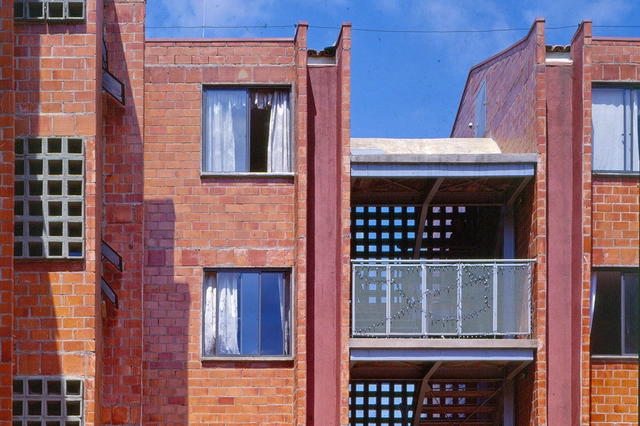
Carrilho da Graça, who heads the eponymous firm Carrilho da Graça Arquitectos, is known for major projects in Portugal and other European countries, such as the Lisbon Cruise Terminal, the Theater in Poitiers, and the Orient Museum.
Architecture is perhaps the built heritage that best expresses a city's history, highlighting major cultural figures whose work enriches the history of its people. The Porto Architecture Guide 1942-2017 follows the Lisbon Architecture Guide 1948-2013; together, they are the first two volumes in the Cities collection published by A+A Books.
To streamline tree mapping, the Secretariat of Environment and Animal Welfare (Sema) is studying the development of an app to record information on tree species in the city's urban forest. If the study proves viable, the software is expected to be ready by the second half of this year.
The system, currently under study, is part of the Urban Forestry Master Plan, mandated by the Public Prosecutor's Office and launched in March of last year. The inventory is the most time-consuming phase of the project; however, the app will make it possible to map urban trees in certain areas of the city, collecting data such as geographical coordinates and tree health.
1º lugar. Image Cortesia de Ordem dos Arquitectos SRS
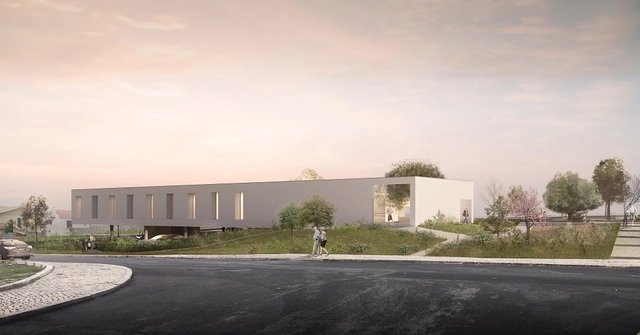
The results of the public design competition for the Santa Iria da Azóia Health Unit Project in Loures were recently announced. Organized by the Loures Municipal Council with technical support from the Southern Regional Section of the Order of Architects (OASRS), the team from LXM Studio, led by architect João Lisboa, was awarded first place. The jury, consisting of architects João Félix and Carlos Santos from the Loures Municipal Council and architect Victor Neves (appointed by OASRS), noted that of the 35 proposals evaluated, the winning entry stood out for its seamless integration with the surroundings, contributing to an effective visual and landscape revitalization of the adjacent space. The jury also noted that “the solution designed for the exterior openings is innovative and highly functional.”
Santa Iria de Azóia is a Portuguese town in the municipality of Loures, with an area of 7.52 km² and 18,240 inhabitants (2011 data). The site is located in the Pirescoxe area of Santa Iria da Azóia, where the built cultural heritage closest to the intervention area features two prominent buildings: the Pirescoxe Castle, classified as a Property of Public Interest, and the Pirescoxe Convent. The general objectives of the competition were:
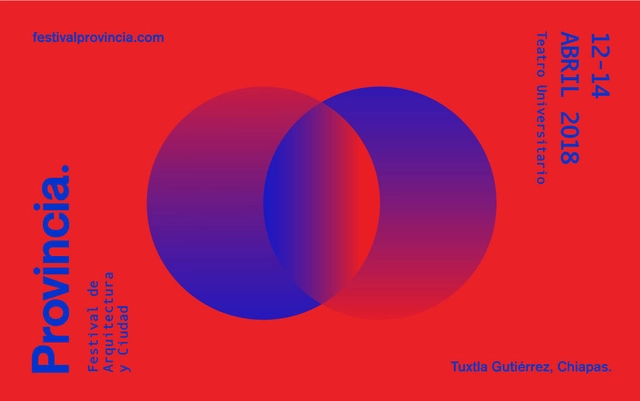
Provincia Festival aims to create an open space for dialogue and the exhibition of civic interest topics, emphasizing responsible participation in provincial architectural development.
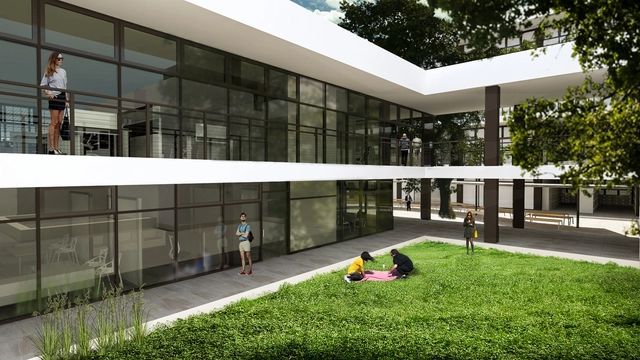
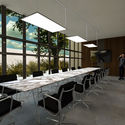
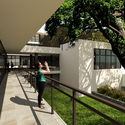
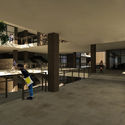
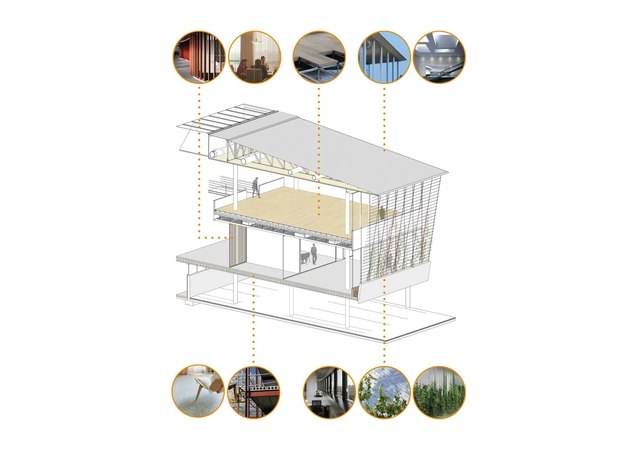
A new renovation project is underway at the University of Guadalajara's Health Sciences Campus, led by Nr24arquitectura. Located at Sierra Mojada 950, Independencia Oriente, 44340 Guadalajara, Jalisco, Mexico, the project covers a total area of 10,000 m² and is expected to be completed by 2019.
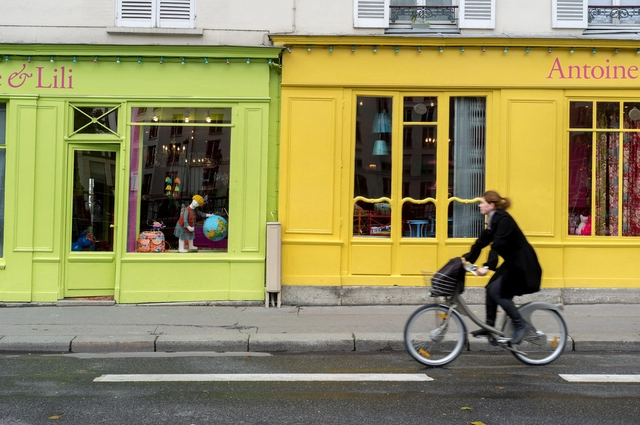
Paris wants to become the capital of urban cycling by 2020 (Photo: Burno Collinet/Flickr)
When one thinks of a “bicycle city,” Paris is certainly not the first to come to mind. Despite ongoing efforts to become more bike-friendly, the French capital is usually remembered for its efficient metro system and walkable streets. Since 2015, however, Paris has been tackling its latest challenge: becoming the “capital of urban cycling” by 2020.
The website Mobilize, Brazil's first platform dedicated exclusively to sustainable urban mobility, has published a list of 30 must-see documentaries on the subject. Divided into feature and medium-length films, the selected titles address urban mobility from various perspectives, ranging from mass transit and non-motorized personal transport to urban culture and the June 2013 protests in Brazil.
Although housing is more affordable on the outskirts, transportation costs outweigh these savings. Photo: Kasper Christensen/Flickr. License CC BY-SA 2.0
Many families working long hours spend more than they can afford on housing and transportation, leaving few resources for other essentials such as food and healthcare. This is a serious problem—one that is, in part, a consequence of public policies that favor expensive housing and transportation options over more affordable alternatives.
The es.BIM commission, responsible for implementing BIM methodology in Spain, has released the findings of the Fourth Report of the BIM Tender Observatory in Spain, following an analysis of public tender specifications that incorporate BIM requirements within their clauses to varying degrees.
On one hand, the report assesses the emergence of public tender documents with BIM requirements. On the other, it analyzes how BIM is integrated into these specifications through various indicators, such as the weighting of BIM in the evaluation criteria and the required levels of information.
https://www.archdaily.com/1114288/27-percent-of-public-tenders-require-bim-methodology-in-spain-according-to-the-eim-commissionJavier García Librero
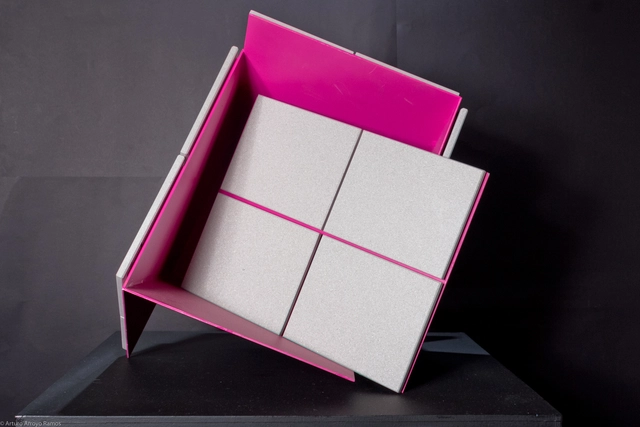
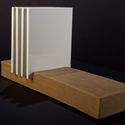
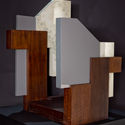
As part of the commemorations marking the 30th anniversary of the passing of architect Luis Barragán, Cosentino and Arquiphilia invited 20 Mexican architecture firms to participate in a group exhibition titled "Inspiración, magia y embrujo 2018" (Inspiration, Magic, and Spell 2018). The initiative proposed an exercise to demonstrate how collaboration and creativity are key to design, challenging participants to create a sculpture using Dekton® by Cosentino to pay tribute to the work of the 1980 Pritzker Prize laureate. The resulting models were subsequently exhibited at the Instituto Cabañas in Guadalajara.
Operational coordination was led by Arquiphilia, represented by architects Bertha Elia Gutiérrez Gómez and Carlos Lassala Mozo, who previously organized the Do It Yourself exhibition in Guadalajara in September 2015. Mónica Urbán, from Cosentino's corporate team, was also part of the coordination team, serving as the liaison between the brand and the architecture firms. Before fabrication, the participants selected their materials from a catalog, evaluating different characteristics to find the ideal match for what they wished to express in their pieces.
I recently learned that the word "testa" means "head" in Italian. It made me think of Clorindo Testa and how fitting his last name was.
Yesterday marked the 95th anniversary of his birth. Possessing infinite creativity and charisma, he was one of those personalities that appear once every century. In him, the intelligence of the architect coexisted with the sensitivity of the artist, the precision of the professional with the joy of a child, and greatness with humility. His hand did not tremble when curving a line or adding color to a plan.
To mark this anniversary, we look back at some of his quotes and anecdotes.
The team consisting of Francisca Méndez, Francisca Campos, and Lucero Arce (Universidad Mayor) has been awarded second place in the XXXII CAP Chile Competition. Designed for Punta Arenas, the project—known as María Behety Park—aims to “bring Chile to Punta Arenas,” an idea that seeks to introduce various plant species from across the country to the city as a tourist attraction, according to the authors.
The competition jury praised the project as one “that takes a bold stance through clear and powerful elements to generate wide spans, where the steel pieces shine to create three volumes that emerge like icebergs along the park. And it is precisely this clarity that demands a high level of structural resolution, which is perfectly adjustable.”
How to build a business in social architecture? CAU has compiled ten valuable tips for architects looking to work in one of the most rewarding areas of our field.
From September 28 to October 7, Madrid will host the 15th Architecture Week, organized by the Official Association of Architects of Madrid (COAM) and the COAM Architecture Foundation, in collaboration with the Madrid City Council and the Embassy of Italy, with ArchDaily as a media partner. This year's edition will feature Milan as the guest city, following in the footsteps of Paris, New York, and Berlin in previous years.
With this new edition of Architecture Week, COAM's primary goal is to continue bringing architecture and urban development closer to society as a whole, while showcasing the valuable architectural heritage that makes Madrid one of the world's leading capitals for the discipline.
https://www.archdaily.com/1114180/milan-and-saenz-de-oiza-protagonists-of-the-15th-madrid-architecture-weekJavier García Librero
Unidad Social / Benjamín Sierra + Mack Riffo. Image Cortesía de Arquitectura Caliente
After evaluating 94 undergraduate student projects from 20 architecture schools across 8 regions of Chile, the jury of the 2018 Arquitectura Caliente Competition has announced the winning projects of its latest edition.
These projects span the entire country and encompass various typologies, ranging from urban planning to student housing, landscape designs, and emergency structural initiatives.
Below, we present the projects honored with regional distinctions:
The 16th International Architecture Biennale China Pavilion will be on display in Venice, Italy, from May 26 to November 25, 2018. On April 27, a press conference for the China Pavilion was successfully held in Beijing, officially announcing this year's theme: "Building a Future Countryside." The curator, Professor Li Xiangning, outlined the curatorial concept and structural framework of the exhibition. He noted that the Chinese countryside has become an open field brimming with diverse possibilities and opportunities, making the theme "Building a Future Countryside" a direct response to this year's Biennale theme, "Freespace." The exhibition features six sections—"Production," "Tourism," "Community," "Culture," "Dwelling," and "Future"—showcasing recent rural projects by Chinese architects. It aims to return to the birthplace of Chinese culture to recover forgotten values and overlooked possibilities, offering a vision for the future of our countryside.
https://www.archdaily.com/1114175/theme-announced-for-the-china-pavilion-at-the-2018-venice-architecture-biennale-building-a-future-countryside韩爽 - HAN Shuang
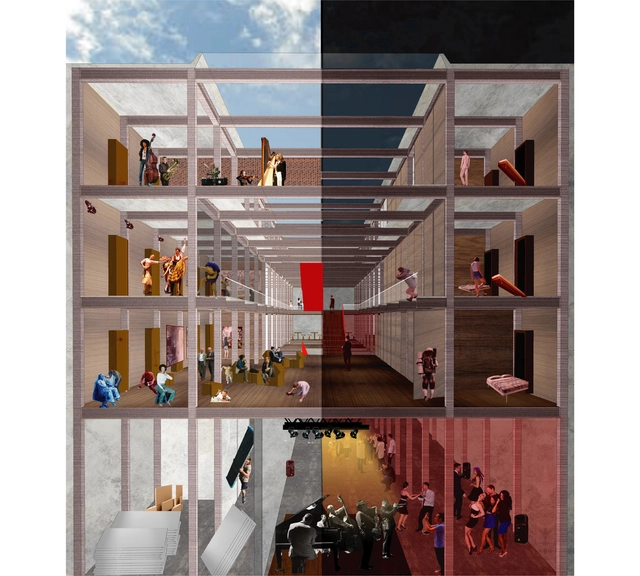
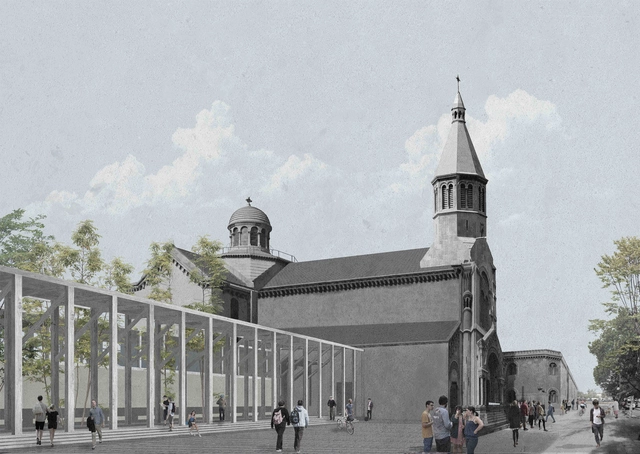
Designed by Camila Chaler, the project Cloister Typology as an Opportunity for Urban Reintegration was selected as one of the ten winners in the Thesis Project category of the 2018 Arquitectura Caliente Competition (CAC 2018), a Chilean awards program organized by Grupo Arquitectura Caliente and funded by the Ministry of Cultures, Arts, and Heritage.
Santiago's urban fabric is home to numerous religious orders. These properties (convents and monasteries) are currently facing obsolescence because they operate under outdated models. This is due to two main factors: their urban incongruity, which isolates them as inward-facing cloisters within the city, and their programmatic obsolescence relative to the scale of the buildings, driven by a decline in religious vocations.
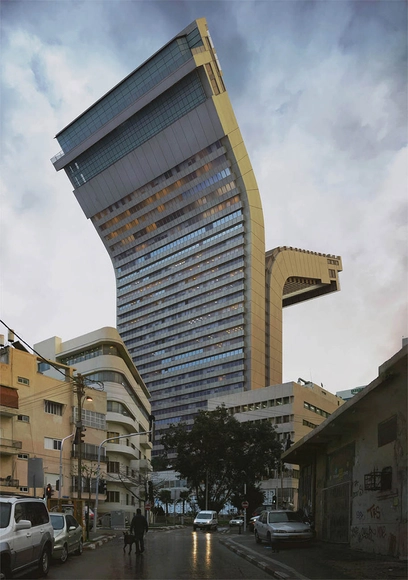
Barcelona photographer Víctor Enrich (b. 1976) has defined himself as a "professional in architectural visualization" since 1998. His ultra-high-quality photomontages trick the eye. Is there really a Guggenheim on the periphery of Bogotá? No, it is the work of Enrich. What about that replica of the Chrysler Building dome in a residential neighborhood? Not that either; it's Enrich.
He is currently working on three simultaneous projects: the fiasco of the 'Castor' case in Spain, a series on the phenomenon of gentrification, and a final series on the political situation in Catalonia—all while venturing into oil painting. "But that is a whole other world," Enrich explains in the following interview.
Looking specifically at Latin America, the list shows some changes compared to the previous year, with a Mexican university returning to the top three. Regarding Brazilian institutions, however, the same four from last year—USP, UFRJ, Unicamp, and UFRGS—remain on the list.
The Municipality of Cascais, with technical support from the OASRS, launched the "Sommer Pavilion International Ideas Competition" in May of this year for the construction of a temporary intervention in Jardim da Parada, next to Casa Sommer, in downtown Cascais, Portugal. The project "Gravidade em Suspenso," by architect Inês Abreu Ribeiro and engineer Fernando Coutinho de Vasconcelos Pereira da Silva, was named the winner. Out of the 49 proposals evaluated, the jury considered that the winning entry stood out for its “stimulating approach to the competition theme, exploring different states of water in the form of a 'rain pavilion' and a 'fog pavilion' that relate to each other.”
The History Channel has released its first entirely Brazilian production. Titled Mil Dias - A Saga da Construção de Brasília, the series tells the story of the construction of the new capital from the perspective of four characters who built the city in the cerrado: a surveyor, an engineer, an architect, and a construction worker.
Cortesía de Pasto Arquitectos & Carballo- Errasti Arquitectos
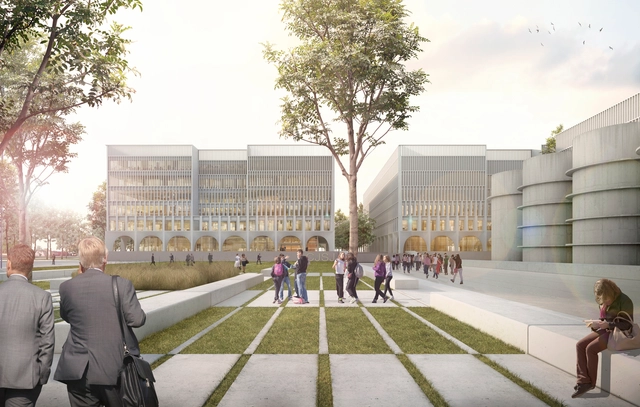
On July 9, 2018, the National Ideas Competition for the San Juan Judicial City was launched. The goal was to generate ideas for its physical realization, addressing the exponential growth of institutional structures in recent years and the proliferation of their offices, which has led to fragmentation due to the lack of a single space to house them.
What does the Swiss architect, urban planner, and Bauhaus director Hannes Meyer have to do with the eccentricity and ostentatiousness of US President Donald Trump? This article, written by the Arkrit Collective, reflects on this connection.


.jpg?1535567635&format=webp&width=640&height=580)