The Illinois Institute of Technology College of Architecture has announced the four finalists for the MCHAP.emerge, the emerging practice award of the Mies Crown Hall Americas Prize - MCHAP, which recognizes the most outstanding architectural works in North and South America. Every two years, the prize is awarded at an event held at IIT's S. R. Crown Hall, Mies van der Rohe's masterpiece in Chicago.
Photo: Timothy Neesam (GumshoePhotos) on Visualhunt / CC BY-NC-ND
The online portal of Exame magazine published a list of professions and roles that "are on the decline in Brazil," based on hiring numbers for the first quarter of 2018. The article points to cost reductions and the introduction of new technologies as the main factors driving the decline in demand for certain professionals.
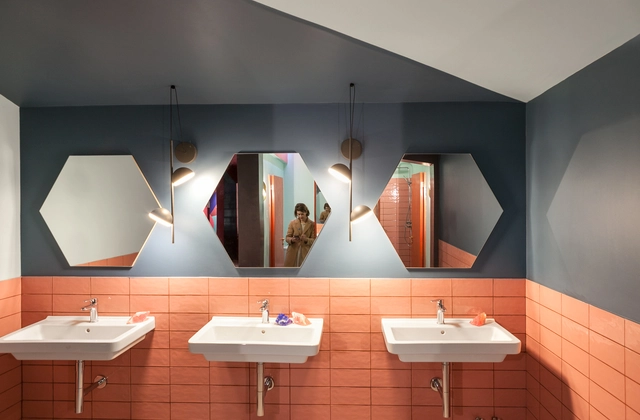
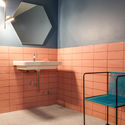
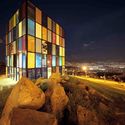
For the third edition of Casa FOA, architects Giulia Carboni and Macarena Canales collaborated to create "Genderless Bathroom," a space that champions the shared, unisex nature of public restrooms. Guided by this concept and inspiration, the design focuses on gender-neutral restrooms constructed from planes of color and light.
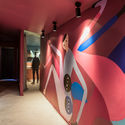
Furthermore, the layout guides visitors along a path highlighting a mural by Santiago Ascui, where human figures facing mirrors fragment both the artwork itself and the reflections of those passing by.
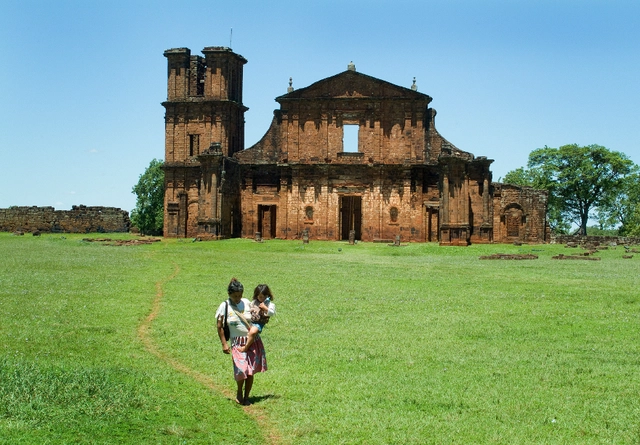
A place of reference for the memory and identity of the Guarani people, the Tava, located in the area of the São Miguel Arcanjo Historical Site in São Miguel das Missões (RS), was built and inhabited by their ancestors at the request of their deity, Nhanderu. This sacred site has been recognized as MERCOSUR Cultural Heritage. The decision was made and announced at the XVII Meeting of the MERCOSUR Cultural Heritage Commission, held on October 30 and 31 in Montevideo, Uruguay.
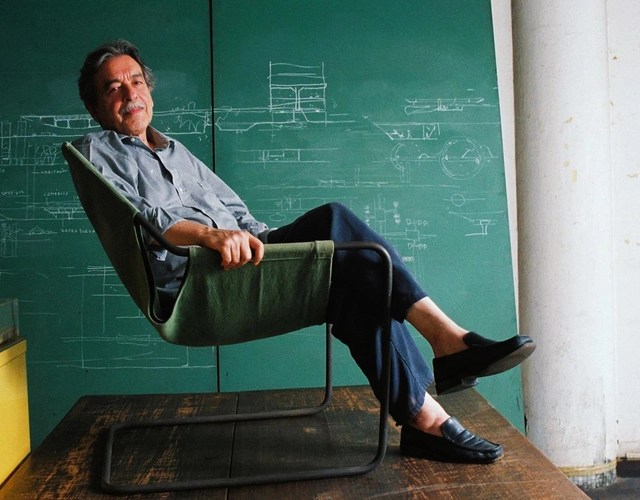
Nine of the architect's unbuilt projects, which have never been exhibited in Brazil and were only previously shown at the Venice Biennale in 2000, are featured in the exhibition, which opens in his honor a month and a half before his 90th birthday. In total, the show brings together 11 of his most radical and experimental works, which share common themes of water, nature, landscape, and territory beyond the architectural scale.
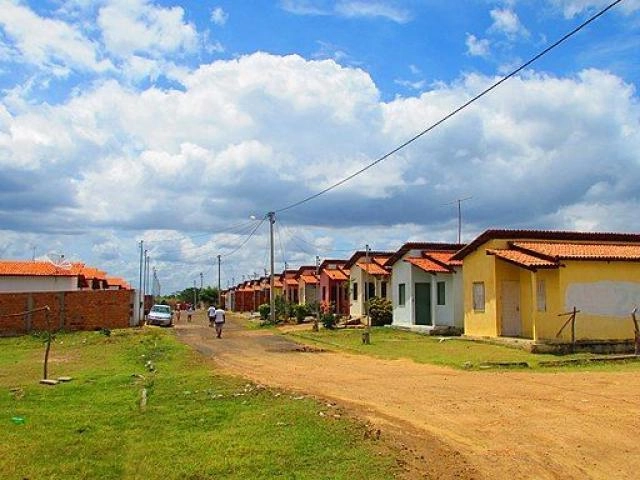
Houses of a Minha Casa, Minha Vida housing development in Antônio Cardoso, Bahia. Photo: Paulomedford/Wikimedia Commons
About three billion people, or 40% of the global population, will need new housing by 2030. This will require building approximately 21 million new homes per year worldwide.
Several of the fastest-growing countries have ambitious targets to meet this need. The Indian government aims to build 20 million low-cost homes by 2022. Nigeria targets one million homes built per year over the next decade. Indonesia's president has launched the One Million Houses program to serve low-income citizens.
https://www.archdaily.com/1114296/can-housing-be-considered-low-cost-if-it-is-not-efficientHenrique Evers, Catalina Demidchuk e Eric Mackres
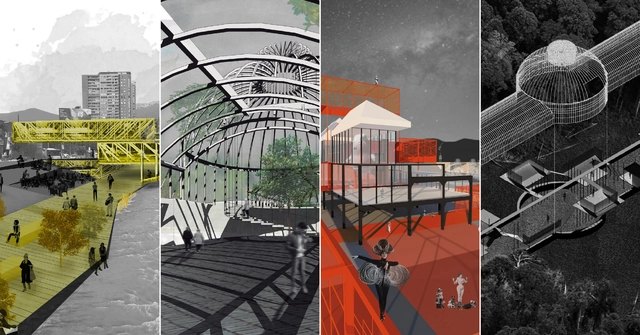
As part of Semana UTEM 2018 in Chile, the **Infraestructuras en Obsolescencia** (Obsolete Infrastructures - WIO) workshop brought together 21 teams from the Faculty of Architecture at the Universidad Tecnológica Metropolitana (UTEM). These teams developed design proposals to intervene in seven obsolete structures in Santiago, ranging from a currently closed pedestrian bridge to a dilapidated train station.
Featuring international guests Luis Tombé (Colectivo720, Colombia) and Walter Leone (Leone Arquitectura, Venezuela) —who also participated in the CONTRAPOSICIONES lecture series and delivered keynote addresses at the Colegio de Arquitectos de Chile—, each team comprised seven students from different years of the architecture program, guided by two faculty advisors.
Three months ago, the 20th Chilean Biennial of Architecture and Urbanism opened in Valparaíso. Titled "Diálogos Impostergables" (Urgent Dialogues), the 2017 edition was an invitation to understand the design and construction of our cities through a broad lens—one that incorporates aspirations and knowledge from outside the discipline.
As the most important event in Chilean architecture, this year's biennial served as a platform for projects reflecting on what we consider urgent in architecture and urbanism. Simultaneously, it examined how the profession can engage with those living on the margins, whose needs and aspirations have long been neglected in urban development.
https://www.archdaily.com/1114298/this-was-the-exhibition-design-for-the-xx-chilean-architecture-biennial-urgent-dialoguesPola Mora
Originally published in the Chilean newspaper El Mercurio de Valparaíso, this column written by Alberto Texido, President of the Colegio de Arquitectos de Chile, addresses the current urban landscape of Valparaíso after the Chilean Supreme Court's ruling declared the building permit for a mega-mall —Mall Plaza Barón— on the waterfront of the Chilean port city illegal.
With the judicial outcome of the Puerto Barón project decided, there is little room for celebration. Instead, there is concern over the more than 15 years lost by Valparaíso, its authorities, the business community, and its citizens, who have failed to reach a consensus to move past neglect and lack of investment. Yet, beyond this regrettable litigation—which has exposed a collective inability to bring projects to fruition—it is this very status quo that has been overcome, at least by an active citizenship ready to build a new local representation. From its outset, and unlike its predecessors, this movement has successfully offered a counterpoint, demanding maximum quality, better public participation, and regulatory compliance for major urban projects.
Image credit: TenerifeTenerife on Visualhunt / CC BY-NC-SA
Concluding the activities of "Urban October," celebrated annually, the UN designated October 31 as "World Cities Day" to promote a greater exchange of experiences among countries on how to address the challenges of growing global urbanization and contribute to sustainable development.
Willie Arthur 78 (WA78), elegido mejor proyecto de edificación hasta 10 pisos en PAU 2018. Image Cortesía de WA78
Six outstanding projects across four categories were recognized in Chile with the 2018 Urban Contribution Award (PAU), an initiative promoted by the Chilean Chamber of Construction (CChC), the Ministry of Housing and Urbanism (Minvu), the Architects' Association, the Association of Architectural Offices (AOA), and the Association of Real Estate Developers (ADI).
The award was open to any company with projects in Chile. As the project owners, these companies represent the rest of the professional team and firms involved in the work, including architects, construction companies, structural engineers, and landscape architects, among others.
Julio Kowalwnko + Daniel Vidigal. Image Cortesía de 'Detroit, ciudad fantasma'
The progressive de-urbanization of Detroit—occurring, paradoxically, during what is supposedly “the era of cities” as a consequence of the collapse of economic structures and social organization—has transformed what was once one of the most economically vigorous US cities of the mid-20th century into a vast footprint of vacant plots, creating isolated islands and solitary objects on the plain.
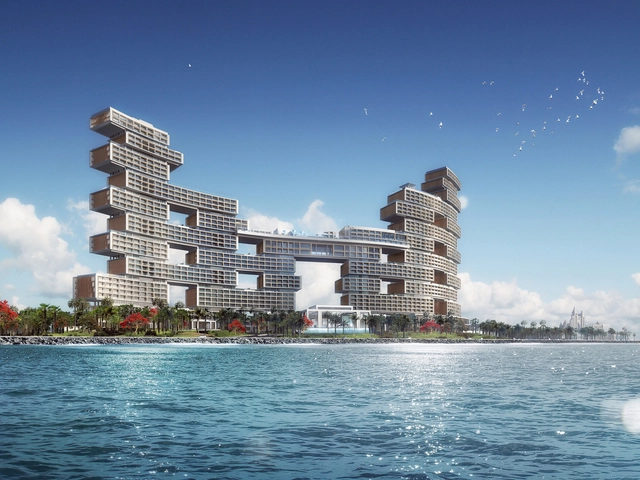
KPF has released the latest construction progress photos of The Royal Atlantis Resort & Residences. Located on Dubai’s Palm Jumeirah—the emirate’s premier resort destination—the 45-story building comprises 806 guest rooms and 256 apartments. The main structure stretches along the coast, forming an “open-air screen” against the sea.
The overall design deconstructs the traditional hotel and residential “resort block” into individual volumes. These separated masses are stacked to create fourteen “sky courts” and twenty sky terraces, offering fully open, private outdoor spaces accessible directly from the guest suites and apartments—a layout that seamlessly integrates indoor and outdoor living. Each residential apartment features a private plunge pool and garden designed to maximize shade and harness year-round breezes blowing across the water and vegetation, ensuring these private oases remain cool and comfortable throughout most of the day. While current construction photos reveal the primary massing of the main building, the sky courts are still taking shape.
https://www.archdaily.com/1114311/kpf-releases-latest-construction-photos-of-the-royal-atlantis-creating-a-screen-along-dubais-coastline舒岳康 - SHU Yuekang
Our partner Vidrio Andino has shared valuable insights into the world of glass with us, helping us better understand how the material behaves and guiding us in choosing the right glass for our architectural projects.
From A to Z, read on to discover why thermal shock should be avoided, what solar factor actually means, and exactly what tempered glass is.
Prompted by significant inefficiencies and silos in their workflow—where design, modeling, and documentation were treated as separate tasks—David Miller Architects (DMA) decided to transition the firm to the world of BIM (Building Information Modeling) in 2008. While their transition proved highly successful, the trial-and-error process yielded key lessons that are crucial for any firm looking to rethink its architectural design processes.
During a June 2018 conference in Santiago, Chile, we spoke with British architects, including representatives from Planbim, during a workshop titled “Why Implement BIM in 2020.” The session outlined seven key takeaways to help architecture practices adopt this paradigm shift.
1. The Smaller Your Practice, the Easier the Transition
Ultimately, the construction concluded with a celebration. With the completion of "Not Only a Playhouse" ("Uma Casa de Brincar e Não Só..."), Casa da Arquitectura – Portuguese Centre for Architecture handed over the facility last Friday, August 10, to the residents of the Guarda Housing Complex in Perafita, Matosinhos, Portugal. Music and performances brought a lively close to two weeks of intense work during the second edition of "O Lugar de Partilha" (The Sharing Place).
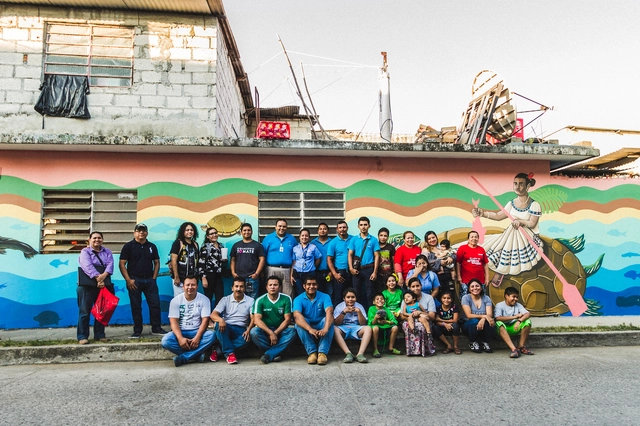
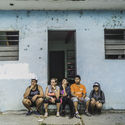
Colectivo Tomate is a Puebla-based civil organization made up of 20 artists, lawyers, architects, designers, nutritionists, and administrators who have intervened in about eight cities across Mexico. Their goal is to invite people to take action in the streets to drive transformation, demonstrate the power of citizens within their communities, and strengthen social ties.
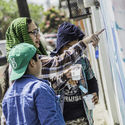
The Ciudad Mural Villahermosa project resulted in 40 murals created through the talent of 26 artists: six local, ten national (from cities such as Oaxaca, Ciudad Juárez, Puebla, and Mexico City), and ten international (hailing from countries like Spain, Colombia, Argentina, and Brazil). These artists listened to the stories of the community and subsequently translated them into murals.
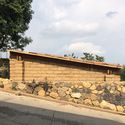
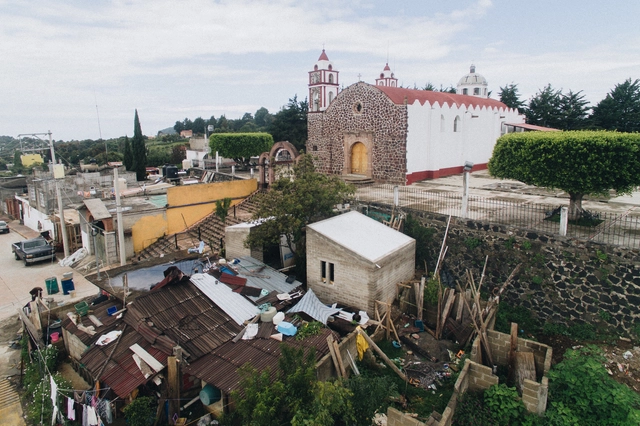
Today, we left the offices of PienZa Sostenible before dawn to head toward Tlalnepantla, in the state of Morelos—one of the many regions affected by the events of September 2017 across seven states in Mexico. After a few hours of conversation and comparing data regarding the reconstruction efforts that began almost immediately, we reached our destination, where the Rosales Milla family warmly welcomed us to show us their new home, built of adobe and wood.
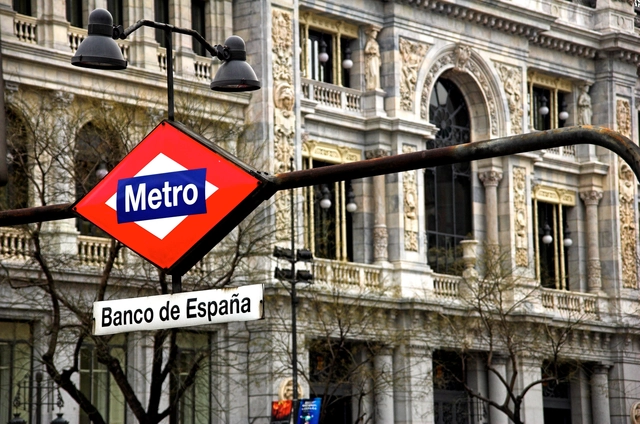
In 2019, Madrid Metro (Spain) will mark 100 years since the opening of its first line, which ran between Puerta del Sol station and the station located at the Cuatro Caminos depots. Designed by architect Antonio Palacios, the depots are currently at risk of demolition.
To commemorate this milestone, Madrid Metro launched a public call for ideas last November to design a logo that will serve as the corporate image for all centennial celebrations.
https://www.archdaily.com/1114309/architect-azucena-herranz-wins-the-competition-to-design-the-logo-for-the-100th-anniversary-of-the-madrid-metroJavier García Librero
Last November, the Comptroller General of Chile ordered the halt of construction of the so-called vertical ghettos in the municipality of Estación Central (Santiago). In response, on Friday, December 14, a group of real estate developers filed a series of injunctions against the resolution, while the Chilean Chamber of Construction raised concerns regarding the suspension of projects, as reported by the Chilean newspaper El Mercurio.
At the same time, the Colegio de Arquitectos de Chile (Chilean Association of Architects), the Association of Architectural Offices (AOA), the Association of Works Directors and Municipal Works Department Professionals of Chile, the Association of Independent Reviewing Architects of Chile, and the National Association of Independent Reviewers issued a document obtained by El Mercurio. In it, they claim they "have seen [their] right to practice their profession with confidence affected [...] due to the legal uncertainty currently facing our field."
Exactly one year ago, a 7.1 magnitude earthquake shook at least nine Mexican states, leaving several areas severely damaged across Mexico City, Puebla, Morelos, Oaxaca, Veracruz, Tlaxcala, Guerrero, and the State of Mexico. Twelve months have passed in a constant struggle to rebuild from the remnants of that nightmare. Yet in those flooded streets, hope was reborn day by day through a social phenomenon that catalyzed vibrant, self-organizing communities rising to rebuild the structures that define us.
Undeniably, 19S represented a pivotal moment, reminding us of our fragility but also of how strong we can be when we work together. It underscored the importance of being physically present on the ground and engaging in dialogue to find appropriate solutions for local communities. It forced us to rethink the mechanics of cities and their peripheries, but above all, it forced us to rethink our practice as architects. We gained a stark understanding of how national politics and power operate; a genuine critique emerged, exposing the fractures left by corruption and our lack of preparation for natural disasters. 19S was, among many other things, a reminder of where we stand and our duty as inhabitants of this territory.
As Line 3 of the Santiago Metro begins its trial run on its way to becoming the Chilean capital's sixth line, other cities are starting studies to install cable cars and improve train frequencies. Meanwhile, biodiversity is celebrating great news. This and more in this edition of La ciudad chilena en la prensa, the ArchDaily section where we bring you updates on Chile's major cities.
Under the title “More Living, More Humanizing,” the 14th Spanish Biennial of Architecture and Urbanism (BEAU) presented the winning projects of its latest edition today, Thursday the 19th, in Santander. This exhibition, housed in a temporary pavilion in Santander's Pereda Gardens, showcases the works selected in the categories of Panorama of Works, 2nd Research Exhibition, and 7th Thesis Projects Exhibition.
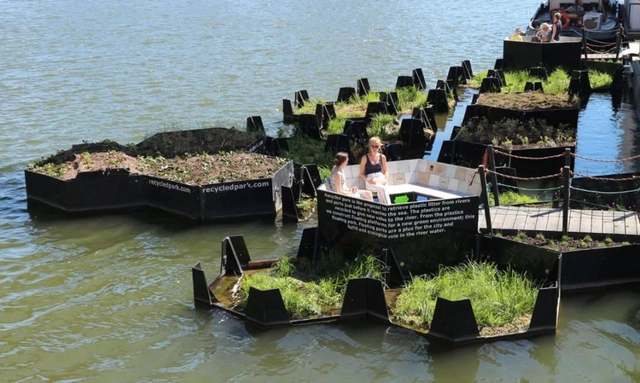
After nearly five years of design, plastic recovery, recycling, fundraising, and intensive collaboration, the first floating park made of recycled plastic has opened. The prototype was installed in the Port of Rotterdam, Europe's largest seaport, located in the second-largest Dutch city.
Measuring 140 square meters, the so-called “Recycled Park” demonstrates the potential of discarded materials. For this project, the Recycled Island Foundation collected plastics over a year and a half by installing “traps” in polluted rivers before they could reach the sea.







.jpg?1542810627 "España Library Park / Giancarlo Mazzanti. Image © Diana Moreno")

.jpg?1534172500&format=webp&width=640&height=580)


.jpg?1537337248&format=webp&width=640&height=580)


.jpg?1537337248)



_-Homenaje_a_la_poesia_-f01.jpg?1534629437&format=webp&width=640&height=580)