1. ArchDaily
  2. News

News

Bike Lanes, Between Urban Design and Public Health

Subscriber Access | 

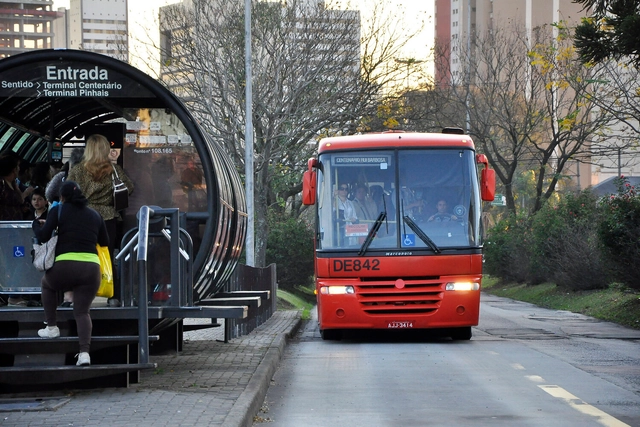
Bike lanes, with their distinct paths and dedicated signage, have increasingly shaped the urban landscape of many cities around the world. Their impacts range from reducing vehicular traffic to promoting healthier and more sustainable lifestyles. Episode 212 of Arquicast addresses this crucial topic, featuring architect and transportation engineering expert Janaína Amorim, a partner at Metrics Mobilidade. The discussion explored global best practices, design and architectural trends, and the impact of bicycle infrastructure on public health.

Arquicast talks with the winners of the 9th Tomie Ohtake Akzonobel Architecture Prize

Subscriber Access | 

In the latest episode of the series, Arquicast spoke with the jury of the 9th Tomie Ohtake Akzonobel Architecture Award to understand the criteria established for the accolade. This time, joined by Sabrina Fontenele, architect, urbanist, and coordinator of the award, along with the other awardees, a roundtable discussion was held on the projects, providing a deeper look into their significance and the identity of the prize.

"For us, the project is the center of everything": Interview with Branco Del Rio Arquitectos

Subscriber Access | 

Doing more with less is an urgent architectural imperative. This is especially true in our recent global context, where environmental concerns are compounded by economic and social crises in various parts of the world. Within this landscape, the firm Branco Del Rio Arquitectos has been developing its practice since its founding in Coimbra in 2014. Established during a period of instability in Portugal, the office is the result of Paula del Rio and João Branco's pursuit of a simple architecture that seeks to address contemporary demands as objectively as possible.

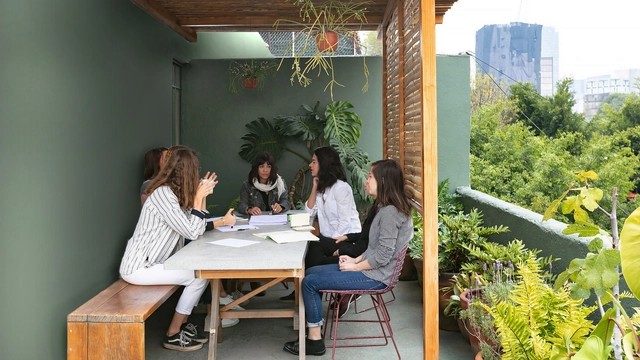
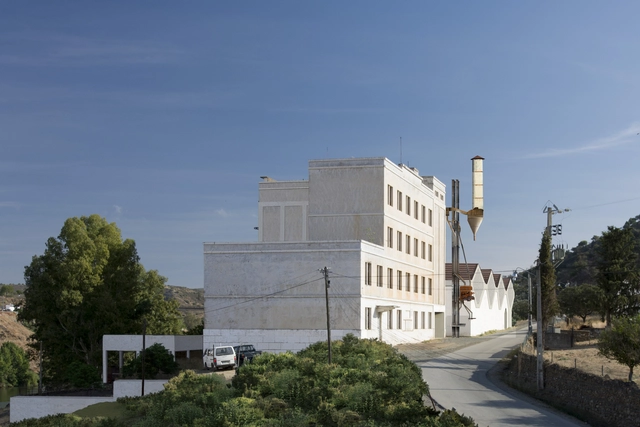
In less than ten years of activity, the firm has garnered competition awards and international recognition, and was recently selected as one of ArchDaily's Best New Practices of 2023. We had the opportunity to speak with the architects about their experience with architectural rehabilitation, their collective housing projects, and their practice characterized by an economy of means.

"The structure of the city enters the school": interview with Fátima Fernandes of Cannatà & Fernandes

Subscriber Access | 

No País dos Arquitectos is a podcast created by Sara Nunes, who also runs the architectural film production company Building Pictures. The podcast aims to profile the professionals, projects, and stories behind Portugal's leading contemporary architecture. With just over 10 million inhabitants, Portugal is a highly compelling country in this professional field, producing an architectural output that far exceeds its population and territorial scale.

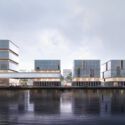
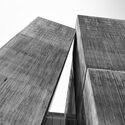
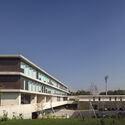
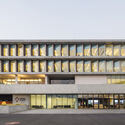
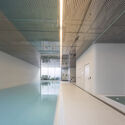
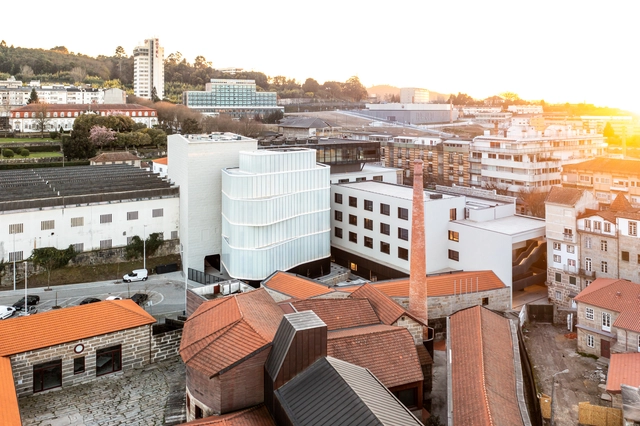
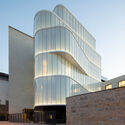
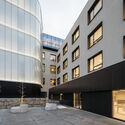
In this episode of the fifth season, Sara talks with architect Fátima Fernandes of the firm Cannatà & Fernandes about the ESAP - Porto Higher School of Arts. Listen to the conversation and read part of the interview below.

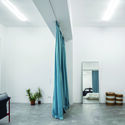
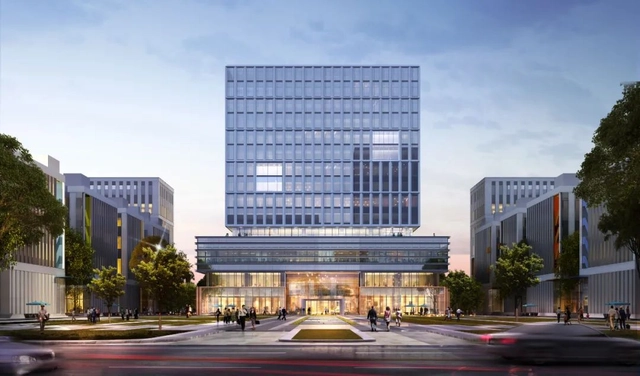
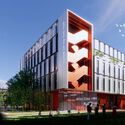
"The structure of the city enters the school": interview with Fátima Fernandes of Cannatà & Fernandes - Imagen 1 de 4"The structure of the city enters the school": interview with Fátima Fernandes of Cannatà & Fernandes - Imagen 2 de 4"The structure of the city enters the school": interview with Fátima Fernandes of Cannatà & Fernandes - Imagen 3 de 4"The structure of the city enters the school": interview with Fátima Fernandes of Cannatà & Fernandes - Imagen 4 de 4The structure of the city enters the school: interview with Fátima Fernandes of Cannatà & Fernandes - More Images+ 12

Why do projects overshadow the debate on the working environment in architecture?
Subscriber Access | 

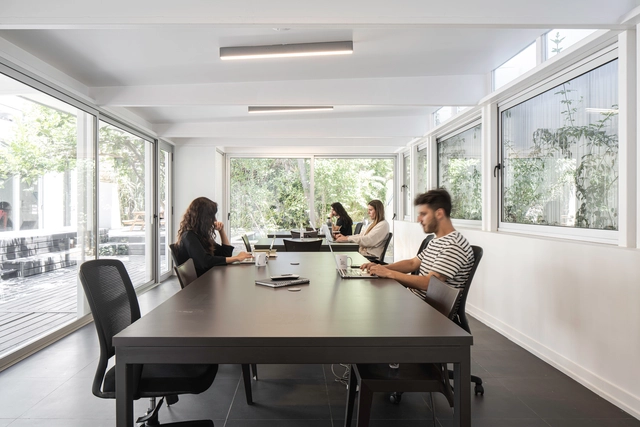
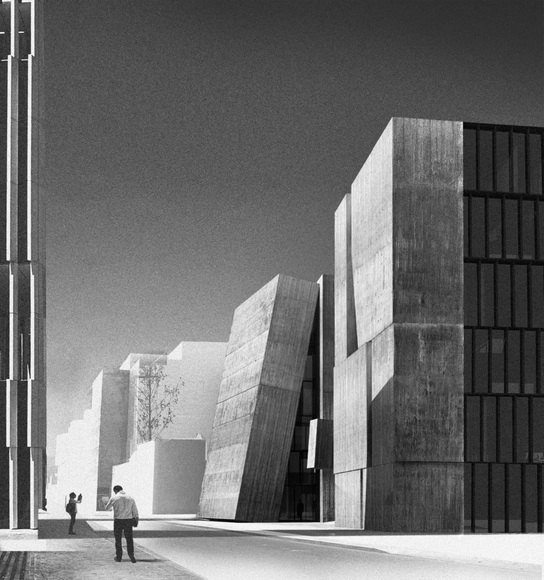
In the field of architecture, the challenges are multifaceted, including long working hours, low pay, inequality, and a lack of transparency. Yet, focusing solely on these negative aspects is often insufficient, if not simplistic. It is crucial to reflect on how we address these issues in our daily practice—promoting ethical decision-making, fostering teamwork and collaboration, and facilitating adaptation and innovation. While projects and clients often take center stage, we rarely delve deeply into the culture, work environments, routines, and dynamics of architecture firms.

Loreto Lyon and Cristóbal Molina on the XXII Chilean Architecture Biennial: Vulnerable Habitats

Subscriber Access | 

The XXII Chilean Biennial of Architecture and Urbanism is co-directed by Cristóbal Molina, coordinator of the Architecture Area of the Ministry of Cultures, Arts, and Heritage, and Loreto Lyon, director of activities of the Colegio de Arquitectos de Chile. The outcome of this joint alliance between both institutions has successfully driven this cultural event, which took over the public space around the Palacio de La Moneda to foster debate and community around the theme: "Vulnerable Habitats."

During the event, which closes on the evening of Sunday, January 22, we spoke with Cristóbal Molina and Loreto Lyon to learn more about how the pavilions and installations engage with the central theme. Below is what you cannot miss at the XXII Chilean Biennial of Architecture and Urbanism.

The relationship between scouting, nature, and architecture in the Chapel of Our Lady of Fatima

Subscriber Access | 

No País dos Arquitectos is a podcast created by Sara Nunes, who also runs the architectural film production company Building Pictures. The project aims to profile the professionals, projects, and stories behind landmark contemporary Portuguese architecture. With just over 10 million inhabitants, Portugal is a highly compelling country in this professional field, with an architectural production that far exceeds what its population or territorial scale would suggest.

In this episode of the fifth season, Sara talks with architects Helena Vieira and Pedro Ferreira from the office Plano Humano Arquitectos about the design of the Chapel of Our Lady of Fátima. Listen to the conversation and read an excerpt of the interview below.

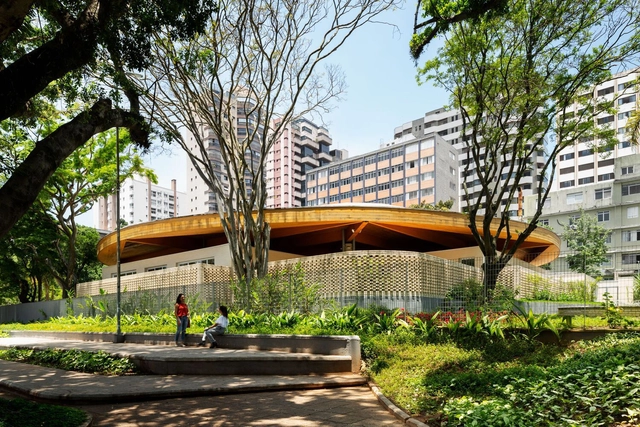
The relationship between scouting, nature, and architecture in the Chapel of Our Lady of Fatima - Image 1 of 4The relationship between scouting, nature, and architecture in the Chapel of Our Lady of Fatima - Image 2 of 4The relationship between scouting, nature, and architecture in the Chapel of Our Lady of Fatima - Image 3 of 4The relationship between scouting, nature, and architecture in the Chapel of Our Lady of Fatima - Image 4 of 4The relationship between scouting, nature, and architecture in the Chapel of Our Lady of Fatima - More Images+ 4

Decent housing for all: Nadia Somekh discusses the complex housing problem in Brazil

Subscriber Access | 

Nadia Somekh, a guest on Betoneira, speaks about housing for all. Drawing on her extensive experience in the public sector as an architect, manager, and activist, Somekh begins the conversation by noting that while public housing policies in Brazil are not yet where they need to be, progress is being made. Her research on verticalization shows that, since 1957, zoning and urban planning regulations in São Paulo have systematically excluded low-income populations from apartments. For instance, these regulations prohibited the construction of studio apartments on Avenida Nove de Julho and Avenida Paulista.

"We are very proud of the democratization that the website promotes": Interview with the Editors of ArchDaily Brasil

Subscriber Access | 

The latest episode of Betoneira welcomed Romullo Baratto, Victor Delaqua, and Susanna Moreira, editors of ArchDaily Brasil, to discuss the platform's trajectory and the state of architectural communication. For all three, the main challenge lies in covering current events and urgent architectural issues at the speed of digital media, rather than the traditional pace of print. Staying attuned to this rapid flow is essential; over the last twelve years, since the launch of the Portuguese-language site, shifts in digital media have fundamentally reshaped how architecture is researched and published, alongside changes in lifestyle and consumption patterns.

"The language through which we communicate is that of buildings": Interview with Alejandro Aravena

Subscriber Access | 

No País dos Arquitectos is a podcast created by Sara Nunes, who also runs the architectural film production company Building Pictures. The podcast aims to profile the professionals, projects, and stories behind leading contemporary Portuguese architecture. With just over 10 million inhabitants, Portugal is a fascinating country when it comes to this professional field, and its architectural output far outstrips its demographic and territorial scale.

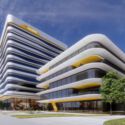
In the first episode of the fifth season, Sara talks with Chilean architect Alejandro Aravena about the new EDP headquarters in Lisbon. Listen to the conversation (in English) and read an excerpt of the interview below.

"The language through which we communicate is that of buildings": Interview with Alejandro Aravena - 1 的图像 4"The language through which we communicate is that of buildings": Interview with Alejandro Aravena - 2 的图像 4"The language through which we communicate is that of buildings": Interview with Alejandro Aravena - 3 的图像 4"The language through which we communicate is that of buildings": Interview with Alejandro Aravena - 4 的图像 4The language through which we communicate is that of buildings: Interview with Alejandro Aravena - More Images+ 10

"Buildings have to be for people to feel good": Interview with Tomás Salgado of Risco Studio

Subscriber Access | 

No País dos Arquitectos is a podcast created by Sara Nunes, who is also responsible for the architectural film production company Building Pictures. The podcast aims to profile the professionals, projects, and stories behind Portugal's leading contemporary architecture. With just over 10 million inhabitants, Portugal is a highly compelling country regarding this professional field, and its architectural output punches far above its population or territorial scale.

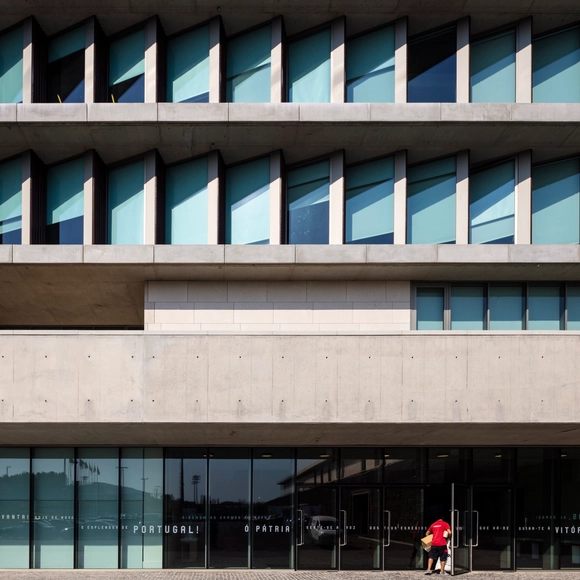
In this episode of the fourth season, Sara talks with Tomás Salgado, from the office Risco, about the Cidade do Futebol, a facility for the Portuguese Football Federation. Listen to the conversation and read part of the interview below.

"Buildings have to be for people to feel good": Interview with Tomás Salgado of Risco Studio - 1 的图像 4"Buildings have to be for people to feel good": Interview with Tomás Salgado of Risco Studio - 2 的图像 4"Buildings have to be for people to feel good": Interview with Tomás Salgado of Risco Studio - 3 的图像 4"Buildings have to be for people to feel good": Interview with Tomás Salgado of Risco Studio - 4 的图像 4Buildings have to be for people to feel good: Interview with Tomás Salgado of Risco Studio - More Images+ 5

Smart cities, data, and public policies: interview with Ágatha Depiné and Luciana Fonseca

Subscriber Access | 

Cities are constantly evolving, and technological innovations play a significant role in this process. So-called "smart cities" have been a major topic of discussion in recent years, but what does this actually mean? How can technology contribute to better urban management? And how can we ensure that these new possibilities do not further deepen social inequalities? 
Salvador Rueda: "In the city, the public and the private must work together"

Subscriber Access | 

With an academic background in biological sciences, psychology, environmental engineering, and energy management, Salvador Rueda speaks with ArchDaily in Costa Rica about sustainable mobility, urban planning, and the implementation of superblocks in Barcelona.

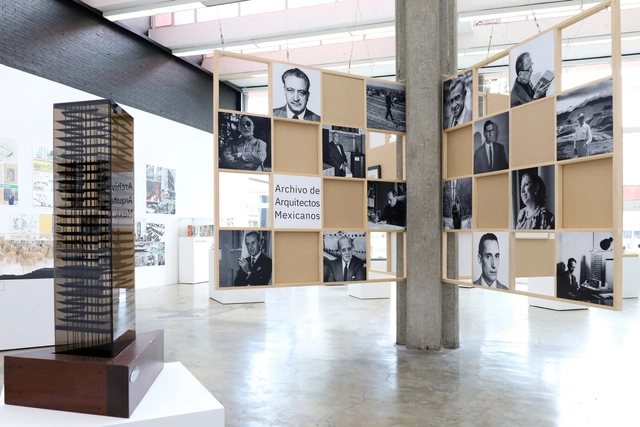
Interview: Archive of Mexican Architects of the Faculty of Architecture, UNAM

Subscriber Access | 

In November 2022, the María Luisa Dehesa Gallery of the Faculty of Architecture at UNAM hosted the first exhibition compiling twenty years of the Mexican Architects Archive, showcasing a variety of documents and objects preserved under its care. The AAM was founded in January 2002, and since its inception, it has become one of the most important archives in the country, thanks to donations by the families of some of the Modern Movement's most influential architects in Mexico.

Ana Mello and Evelyn Müller talk about Conafarq - National Collective of Architectural Photographers

Subscriber Access | 

Photographers Ana Mello and Evelyn Müller were the guests on the latest episode of Betoneira, and the conversation revolved around the work of architectural and interior photographers, author attribution, and image ownership. Müller spoke about the inception of Conafarq (Coletivo Nacional de Fotógrafos de Arquitetura) during the pandemic, when many photographers were left without work for months. Although the market was at a standstill, photographers noticed that their pre-pandemic photos continued to be used by clients in various contexts—such as social media, emails, and other channels. Small groups began to mobilize to discuss the need for photographers to be compensated whenever their photos are used commercially.

Ana Mello and Evelyn Müller talk about Conafarq - National Collective of Architectural Photographers - Imagen 1 de 4Ana Mello and Evelyn Müller talk about Conafarq - National Collective of Architectural Photographers - Imagen 2 de 4Ana Mello and Evelyn Müller talk about Conafarq - National Collective of Architectural Photographers - Imagen 3 de 4Ana Mello and Evelyn Müller talk about Conafarq - National Collective of Architectural Photographers - Imagen 4 de 4Ana Mello and Evelyn Müller talk about Conafarq - National Collective of Architectural Photographers - More Images+ 1

Architecture as a Stage Where People Meet: Interview with Pitagoras Group

Subscriber Access | 

No País dos Arquitectos is a podcast created by Sara Nunes, who also runs the architectural film production company Building Pictures. The podcast aims to explore the professionals, projects, and stories behind leading contemporary Portuguese architecture. With just over 10 million inhabitants, Portugal is a fascinating country in this professional field, and its architectural output far exceeds what its population or territorial scale would suggest.

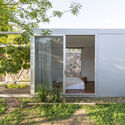
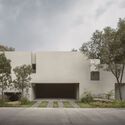
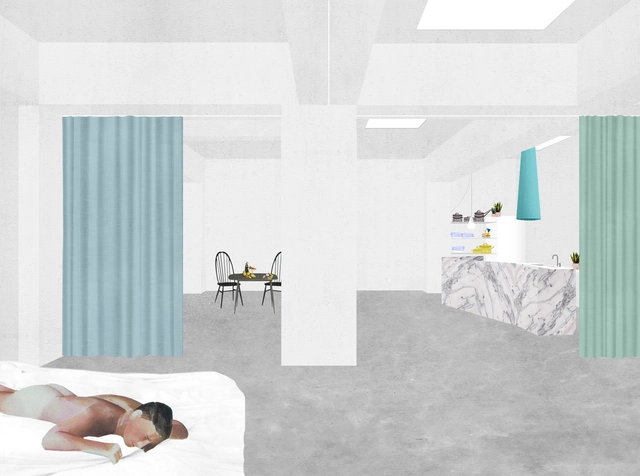
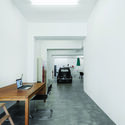
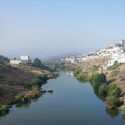
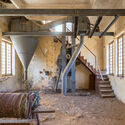
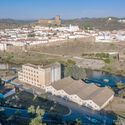
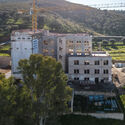
In this episode of the fourth season, Sara talks with Manuel Roque from Pitagoras Group about the rehabilitation of the former Teatro Jordão and Garagem Avenida building. Listen to the conversation and read an excerpt of the interview below.

Architecture as a Stage Where People Meet: Interview with Pitagoras Group - 1 的图像 4Architecture as a Stage Where People Meet: Interview with Pitagoras Group - 2 的图像 4Architecture as a Stage Where People Meet: Interview with Pitagoras Group - 3 的图像 4Architecture as a Stage Where People Meet: Interview with Pitagoras Group - 4 的图像 4Architecture as a Stage Where People Meet: Interview with Pitagoras Group - More Images+ 7

"I am against the term Anthropocene. What is driving the world to final disaster is capital": Interview with Sérgio Ferro

Subscriber Access | 

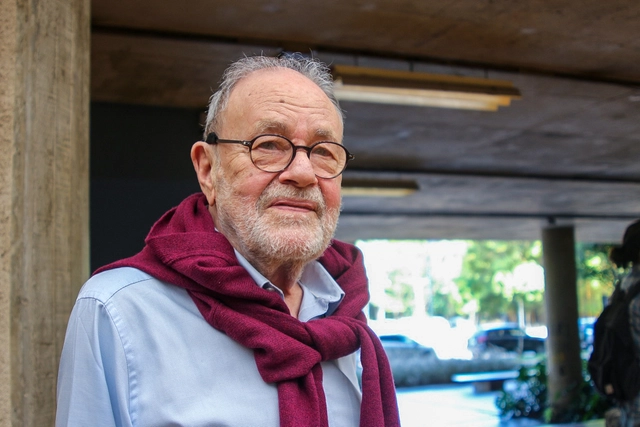
Sérgio Ferro is a Brazilian architect, artist, historian, and architectural critic who, due to his political activism during the military dictatorship, was imprisoned and exiled to France in the 1970s. Throughout his career, he has observed and intervened in the production spaces of civil construction, developing a critique of the production of plastic arts and architecture based on the construction process and its agents: the construction site, technologies, materials, and the builder.

In a historical context dominated by Eurocentric and male references, Ferro, along with architects Rodrigo Lefèvre and Flávio Império, formed Arquitetura Nova, a group that proposed debates centered on architectural production, the social role of the architect, and the relations of production on the construction site, challenging hegemonic thinking and practices, whether in design practice or academia. Following his exile, unable to practice as an architect, he dedicated himself to teaching at the École Nationale Supérieure d'Architecture de Grenoble. 

Space in Comics: An Interview with Marília Marz

Subscriber Access | 

The work of Marília Marz uses cities as its source of inspiration and research. She began the conversation on Betoneira by sharing her experience with the Ciência sem Fronteiras (Science Without Borders) program, through which she went to the US to study architecture and ended up falling in love with comics. The artist dove headfirst into the graphic universe at the University of Oregon, where cartoonist Joe Sacco also graduated. Marília Marz pointed out that university placement in the program was somewhat random; not everyone was able to attend their institution of choice. She ended up at a university that was not among her top choices, but which happens to be one of the few schools offering a minor in comics.

Architectural solutions for the aging population in Brazil

Subscriber Access | 

When considering the segment of the elderly population aged 60 and over, the 2022 survey by the Brazilian Institute of Geography and Statistics (IBGE) recorded a total of 32,113,490 older adults, representing approximately 15.6% of the current population. In 2010, this same age group represented 10.8%, indicating a 4.8% increase in just 12 years. The median age of the Brazilian population has increased by six years since 2010, reaching 35 in 2022, while the aging index rose, indicating 55.2 older adults for every 100 children aged 0 to 14, compared to 30.7 per 100 in 2010.

Architectural solutions for the aging population in Brazil - Imagen 1 de 4Architectural solutions for the aging population in Brazil - Imagen 2 de 4Architectural solutions for the aging population in Brazil - Imagen 3 de 4Architectural solutions for the aging population in Brazil - Imagen 4 de 4Architectural solutions for the aging population in Brazil - More Images+ 4

Women-led interior design and landscape architecture studios in Mexico

Subscriber Access | 

Interior design is the art of transforming the experience of interior space by manipulating spatial volume and treating surfaces to enhance the inside of a home, apartment, building, or restaurant. Closely related is landscape architecture, which focuses on shaping open, outdoor spaces.

Connecting the networks of women architects in Latin America

Subscriber Access | 

“Together we are stronger,” read the signs at the massive Latin American marches on International Women's Day. Women build networks across all their spheres of action: their families, communities, and workplaces. The world of architecture is no exception. Among women architects, these bonds foster connection, as seen in the nearly 30 networks of women architects in the region featured below.

Inflatable Architecture: A Look at the Temporary Structure by Smiljan Radic and Nicolás Schmidt

Subscriber Access | 

Architects Smiljan Radic and Nicolás Schmidt designed an inflatable structure for the XXII Chilean Biennial of Architecture and Urbanism. Located in the urban setting of the Palacio de La Moneda in Santiago, it served as a temporary venue for meetings, debates, and lectures that brought public discussions to the forefront regarding the event's central theme: "Vulnerable Habitats."

What is the value of a corner?

Subscriber Access | 

A subjective understanding guides us when we think about real estate values—one deeply connected to how markets shape cities. While the spatial distribution of prices leads us to place higher value on land in urban centers, the same economic model conversely assigns lower values to more remote areas.

Historically, central port areas were responsible for developing many cities into commercial hubs, which also expanded along geographical and economic lines. In a standard urban model, it is from the center outward that market forces dictate land prices and densities, factoring in transport costs, income, and total population.

What is recycling?

Subscriber Access | 

Recycling is the process of reclaiming discarded materials. Its goal is to reintroduce them into the production chain to continue generating value and enable their reuse, enhancing the preservation of natural resources and improving quality of life. It is considered one of the most efficient alternatives for managing solid waste from both an environmental and social standpoint, and is directly integrated into the framework of the circular economy.

What is recycling? - Image 1 of 4What is recycling? - Image 2 of 4What is recycling? - Image 3 of 4What is recycling? - Image 4 of 4What is recycling? - More Images+ 3

You've started following your first account!

Did you know?

You'll now receive updates based on what you follow! Personalize your stream and start following your favorite authors, offices and users.