Once reserved for hospital environments or highly controlled laboratories, biosecurity has become a shared concern for many of us, especially considering that we spend most of our time indoors. With new outbreaks of the Covid-19 Delta variant detected in various states—driving a 9% increase in the epidemiological curve—families continue to seek the protection and resources needed to safeguard their spaces, ensuring sanitary safety against constant exposure to infections, viruses, and bacteria that pose potential health risks.
The digital age has always provided tools to design future products and designs. However, alongside technological advancements, new applications have emerged that are carving out a distinct niche in the design world, bringing the process increasingly closer to the end user.
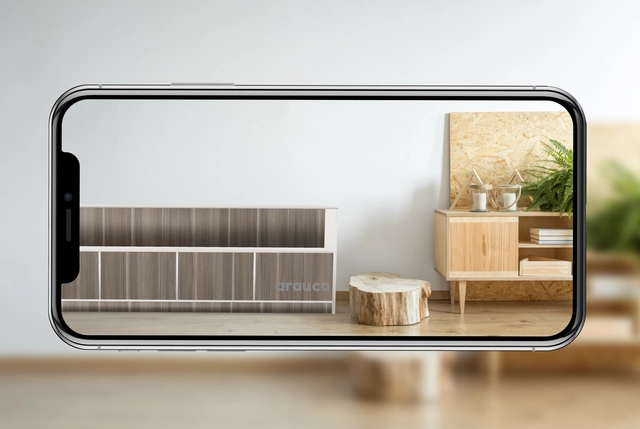
By quickly scanning a QR code with a smartphone or tablet, users can immerse themselves in a virtual reality experience. In doing so, Arauco’s new application allows users to explore the various collections available to transform their homes.
Offering productivity levels 50% higher than previous models, HP introduces its new range of large-format printing solutions, HP Latex. The series consists of four devices—the HP Latex 700 and 800, and the HP Latex 700W and 800W—bringing white ink printing capabilities to this category for the first time. Print jobs run on this new series will not only deliver brighter colors and finer details, but will also do so at even faster print speeds, reaching up to 36 m2 per hour.
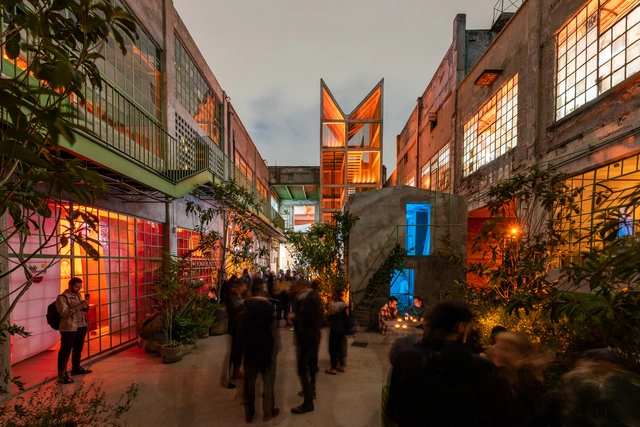
Servidor Local is a connection point, a forum where dialogue takes place; it is, in essence, a sanctuary for ideas, diversity, and exchange. As a platform, it drives cultural, art, and design projects that champion narratives with a social impact, aiming to benefit the immediate environment and spread along the paths of its visitors.
As the climate crisis intensifies and the lingering effects of the pandemic remain evident in daily life, topics like sustainability and health are more relevant than ever. This explains the rise of biophilic design, a trend characterized by connecting architecture—and, by extension, the user—with the inherent benefits of nature: comfort, calm, and well-being.
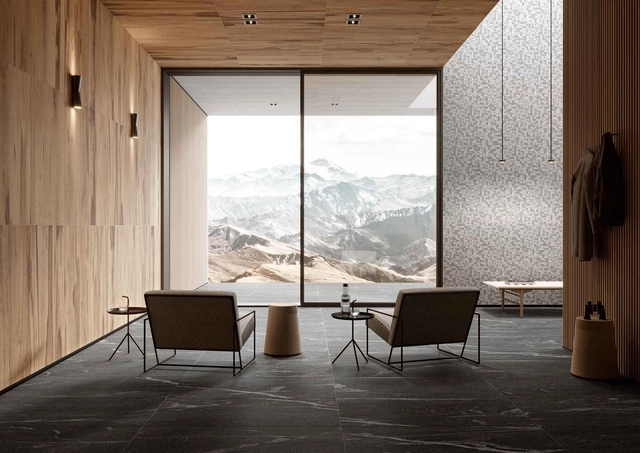
Consequently, demand has shifted toward objects and materials capable of bringing nature indoors, whether through decorative elements, vegetation, or wall and floor tiles. However, to ensure functionality within an interior space, these products must ideally combine a natural aesthetic with practical qualities such as durability and low maintenance.
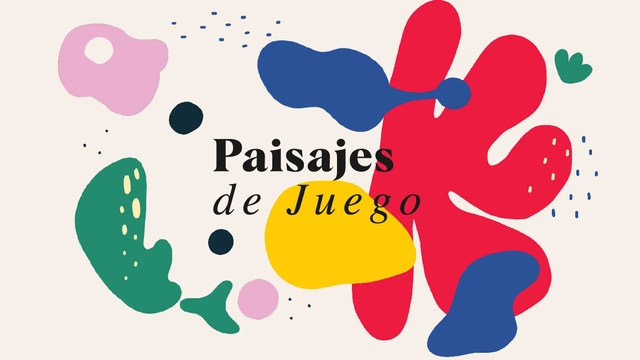
A few months ago, we got on a call with MACIA Estudio. In discussing their work and our shared communication interests, we found a strong affinity, leading us to propose creating "something" together—something that would explore the experiences of childhood and cities, public space, and urban design from various angles. After several months of work, we are thrilled to present Paisajes de juego, a podcast and video podcast developed with the support of the Salzburg Global Seminar and the endorsement of the National Association of Parks and Recreation.
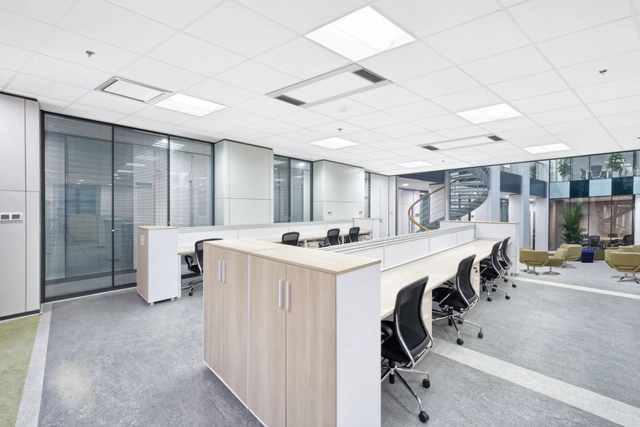
One of the most significant shifts in contemporary work culture has been the widespread adoption of remote work. Indeed, even more than two years after the onset of the pandemic, this remains the reality for many workers. While some predicted this would spell the end of the physical office, many companies have opted for a middle ground: a flexible, hybrid model designed to restore in-person collaboration while preserving the benefits of working from home. However, returning to the office in a pandemic context has raised several critical questions—chief among them, how to ensure a safe and healthy workplace?
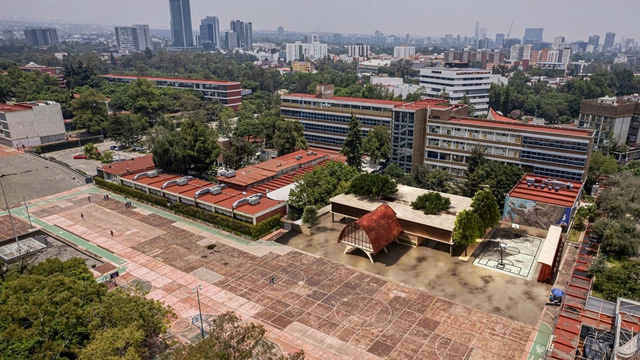
On Friday, October 14, the jury announced its decision for the Long Stage of the 38th Alberto J. Pani Architectural Composition Award, organized by the Faculty of Architecture of the National Autonomous University of Mexico, in collaboration with an institution of the Association of Architecture Teaching Institutions of the Mexican Republic (ASINEA)—which this year was the Faculty of Architecture of the Universidad De La Salle Bajío in León, Guanajuato.
Interior architecture is undoubtedly much more than the composition of aesthetically appealing environments. From building materials and thermal conditions to finishes and furniture, every design decision directly affects user comfort. However, this relationship between design and well-being is most evident at the residential scale, particularly as more than two years of the pandemic forced many to spend more time at home. This has positioned the home at the center of spatial renovation, transforming it into an environment dedicated to tranquility and health. Consequently, well-being is not a mere passing trend. While brought to the forefront by the pandemic, today it is a design movement that is here to stay—one to which every material and product must respond.
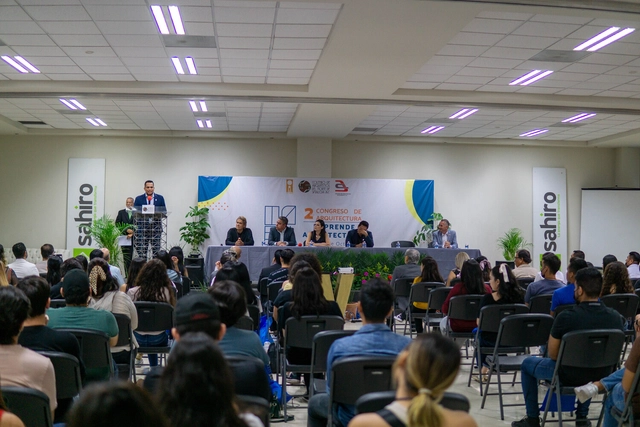
As part of the National Architect's Day celebrations and the 45th anniversary of the founding of the Colegio de Arquitectos del Norte de Sinaloa A.C., and with the support of the Colegio de Arquitectos del Norte de Sinaloa A.C. and the Colegio de Arquitectos de Guasave A.C., the second “Emprende Arquitectura” Congress took place on October 5, 6, and 7 in Los Mochis, Sinaloa.
For 37 years, since 1985, the Faculty of Architecture at the National Autonomous University of Mexico (UNAM) has organized and hosted the Alberto J. Pani Architectural Composition Award, aiming to bring together the top students from member institutions of the Association of Architecture Education Institutions of the Mexican Republic (ASINEA). The event is organized in collaboration with an ASINEA member institution, which this year is the Faculty of Architecture at the Universidad DeLaSalle Bajío in León, Guanajuato.
https://www.archdaily.com/1131936/finalists-of-the-38th-alberto-j-pani-architectural-composition-award-2022-of-the-faculty-of-architecture-unamArchDaily Team
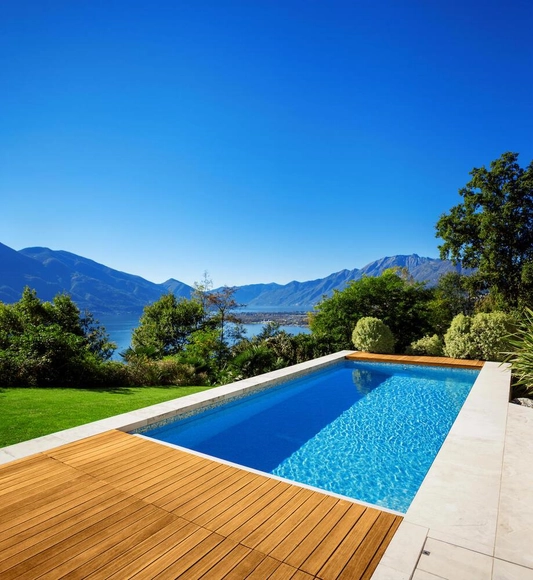
Beyond its shape, size, and location, the process of building a swimming pool involves selecting various technologies, solutions, and materials to achieve proper waterproofing. While we often focus on the exterior aesthetics of a pool, are we aware of what lies beneath its finishes? Much like an "iceberg effect," pool design and construction companies such as CREST have developed a range of essential products that lie below ground level, applied through four specific steps: surface preparation, finish installation, grouting, and maintenance.
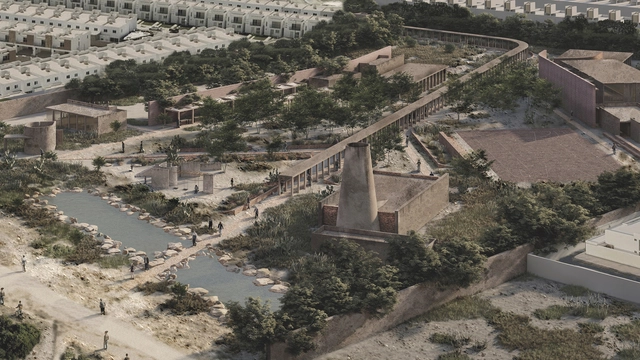
The results of the Design Educates Awards 2022 have been announced. These annual awards recognize the best projects that address complex social and environmental contexts while offering educational value. The awards seek out designs that will have a lasting impact on users and the environment, highlighting the world's best ideas and realizations that can educate.
Developed with a clear focus on design innovation and material application, DYNAMax is a concrete characterized by high strength, extraordinary durability, and superior stiffness, combined with deep concrete expertise. Simply put, DYNAMax is a high-performance concrete designed to meet new design trends, environmental challenges, and technical requirements in the construction industry.
LIGA, Espacio para arquitectura is a non-profit institution dedicated to promoting emerging Latin American architecture through a public program of exhibitions, lectures, and publications. On September 23, 2022, the institution celebrated 10 years of work at its headquarters on Calle Doctor Erazo 176, in Colonia Doctores, Mexico City. The anniversary also honored the work of three prominent women whose contributions have been crucial to Latin American architecture: Tatiana Bilbao (Mexico), Marta Moreira (Brazil), and Florencia Román (Argentina).
The history of Mexican photography has helped shape Mexico's global presence. Photographers like Elsa Medina, Lola Álvarez Bravo, Graciela Iturbide, Maya Goded, and Juan Rulfo have masterfully captured the life of buildings, homes, and streets in a rapidly developing nineteenth-century Mexico. As a result, the contemporary Mexican photography scene has become an essential tool for architecture, contributing to a deeper visual understanding of the works that rise day by day.
A few weeks ago, Grupo Firme performed in Mexico’s Zócalo. According to the city government, this band broke an attendance record with over 280,000 people. According to my own data—without proof but also without a doubt—another record was set: the highest volume of racist and classist comments directed at the attendees of an event.
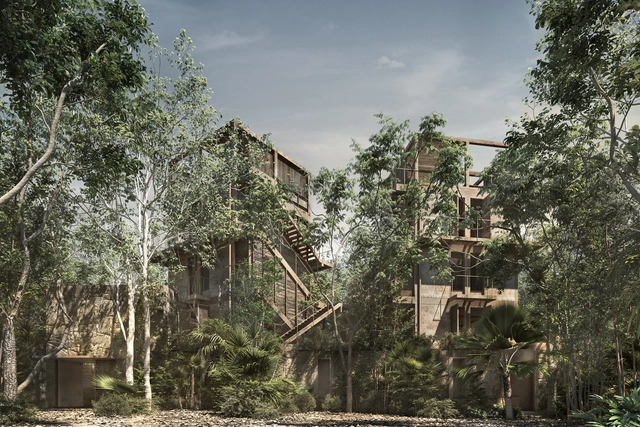
Tulum is a region located in southeastern Mexico, within the state of Quintana Roo, specifically on the coast of the Caribbean Sea, and is part of the Riviera Maya. Historically, Tulum was a walled city; its name, which means "wall" in Mayan, arose when the settlement was already in ruins.
No País dos Arquitectos is a podcast created by Sara Nunes, who also runs the architectural film production company Building Pictures. The podcast aims to profile the professionals, projects, and stories behind landmark contemporary Portuguese architecture. With just over 10 million inhabitants, Portugal is a highly intriguing country in this professional field, and its architectural output far exceeds what its small population and territorial scale might suggest.
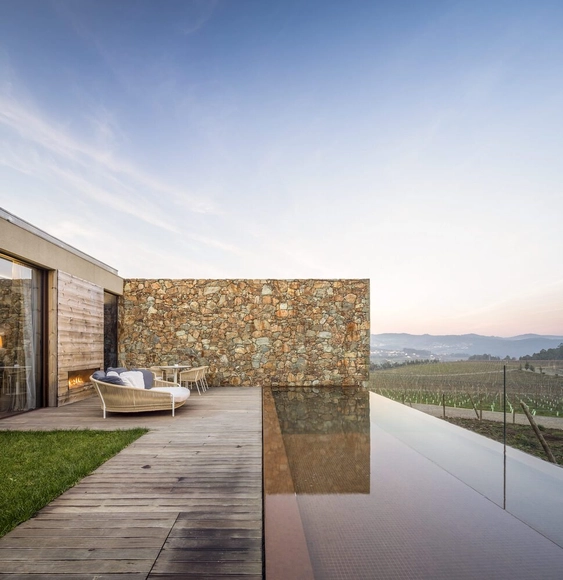
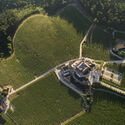
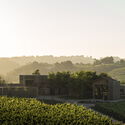
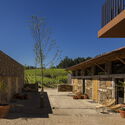
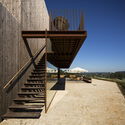
In this episode of the sixth season, Sara talks with architect Fernando Coelho of the firm FCC Arquitectura about the Monverde Rural Hotel project, located in Quinta da Lixa. Listen to the conversation and read an excerpt of the interview below.
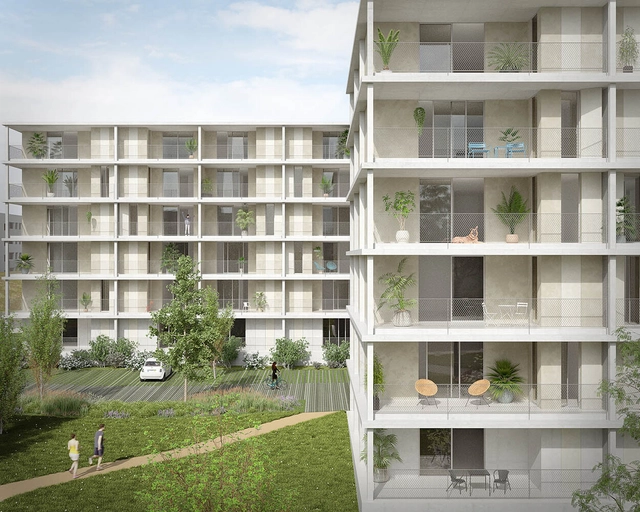
Conjunto habitacional Avenida Joaquim Campos em Setúbal . Image Cortesia de Branco del Río, Arquitectos
No País dos Arquitectosis a podcast created by Sara Nunes, who also runs the architectural film production company Building Pictures. The podcast aims to profile the professionals, projects, and stories behind leading contemporary Portuguese architecture. With just over 10 million inhabitants, Portugal is a highly compelling country regarding this professional field, and its architectural output punches far above its demographic or territorial scale.
In this episode of the fifth season, Sara talks with architects Paula del Rio and João Branco, from the firm Branco del Río, Arquitectos, about collective housing. Listen to the conversation and read part of the interview below.
No País dos Arquitectosis a podcast created by Sara Nunes, who is also responsible for the architectural film production company Building Pictures. It aims to introduce the professionals, projects, and stories behind leading contemporary Portuguese architecture. With just over 10 million inhabitants, Portugal is a fascinating country when it comes to this professional field, and its architectural output punches far above its weight relative to its population or territorial scale.
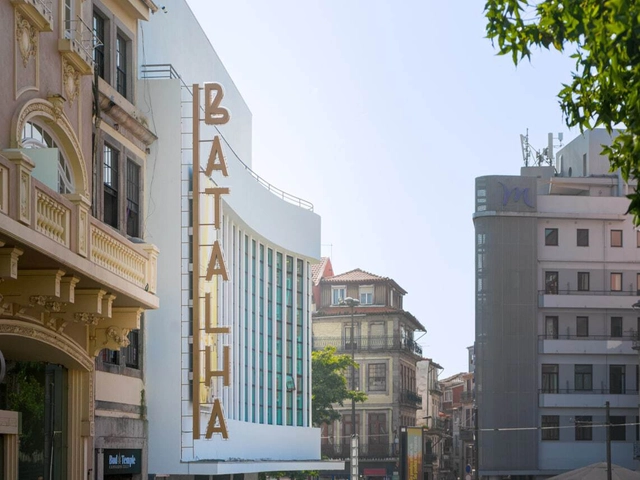
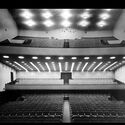
In this episode of the fifth season, Sara talks with Alexandre Alves Costa and Sérgio Fernandez about the Batalha Cinema Center. Listen to the conversation and read part of the interview below.
In the latest episode of the series, Arquicast spoke with the jury of the 9th Tomie Ohtake Akzonobel Architecture Award to understand the criteria established for the accolade. This time, joined by Sabrina Fontenele, architect, urbanist, and coordinator of the award, along with the other awardees, a roundtable discussion was held on the projects, providing a deeper look into their significance and the identity of the prize.
Doing more with less is an urgent architectural imperative. This is especially true in our recent global context, where environmental concerns are compounded by economic and social crises in various parts of the world. Within this landscape, the firm Branco Del Rio Arquitectos has been developing its practice since its founding in Coimbra in 2014. Established during a period of instability in Portugal, the office is the result of Paula del Rio and João Branco's pursuit of a simple architecture that seeks to address contemporary demands as objectively as possible.
In less than ten years of activity, the firm has garnered competition awards and international recognition, and was recently selected as one of ArchDaily's Best New Practices of 2023. We had the opportunity to speak with the architects about their experience with architectural rehabilitation, their collective housing projects, and their practice characterized by an economy of means.
No País dos Arquitectos is a podcast created by Sara Nunes, who also runs the architectural film production company Building Pictures. The podcast aims to profile the professionals, projects, and stories behind Portugal's leading contemporary architecture. With just over 10 million inhabitants, Portugal is a highly compelling country in this professional field, producing an architectural output that far exceeds its population and territorial scale.
In this episode of the fifth season, Sara talks with architect Fátima Fernandes of the firm Cannatà & Fernandes about the ESAP - Porto Higher School of Arts. Listen to the conversation and read part of the interview below.