1. ArchDaily
  2. News

News

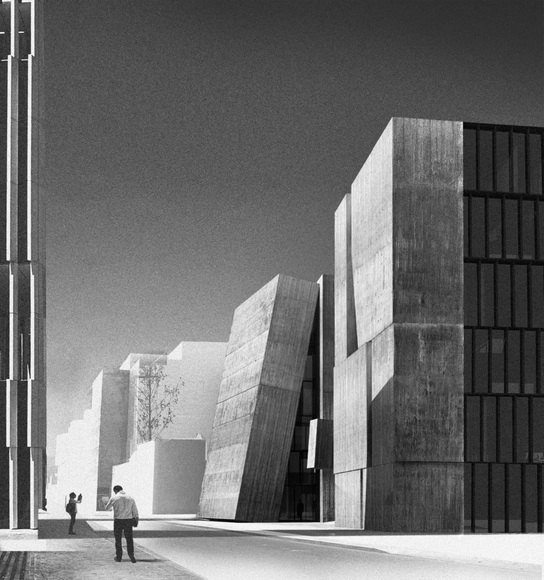
Pre-announcement | Public Tender for Design Bid Section II of the Shenzhen Medical Academy of Research and Translation and Shenzhen Bay Laboratory Permanent Campus Integrated Construction Project

Subscriber Access | 

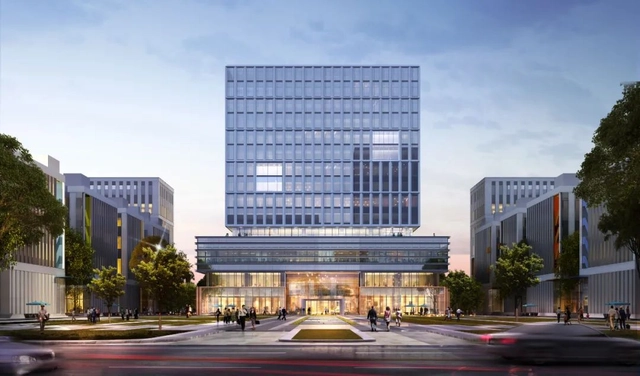
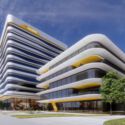
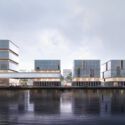
The Integrated Permanent Site Construction Project of the Shenzhen Medical Academy of Research and Translation (SMART) and Shenzhen Bay Laboratory (SZBL) is located in the northeastern sector of the Science and Education Integration Cluster in Guangming Science City, Guangming District, Shenzhen. Tasked with the core mission of establishing a comprehensive national science center in the Greater Bay Area, the project will establish a strategic scientific and technological institution integrating basic research, clinical research, full-chain industrial translation, and technical innovation in the biomedical field, supporting Shenzhen's development into a pioneering demonstration hub for medical and life sciences innovation.

The Integrated Permanent Site Construction Project of the Shenzhen Medical Academy of Research and Translation (SMART) & Shenzhen Bay Laboratory (SZBL) is located in the northeastern sector of the Science and Education Integration Cluster within Guangming Science City, Guangming District, Shenzhen. Carrying the core mission of establishing a comprehensive national science center in the Greater Bay Area, the project aims to develop strategic scientific and technological institutions that integrate basic research, clinical research, full-chain industrial translation, and technical innovation in the biomedical and life sciences fields, supporting Shenzhen's development into a pioneering demonstration hub for medical and life sciences innovation.

The tender for the schematic design and preliminary architectural design of Bid Section II of the Integrated Permanent Site Construction Project of the Shenzhen Medical Academy of Research and Translation and Shenzhen Bay Laboratory is about to commence, with the official tender announcement to be released shortly. The tenderee is the Engineering Design Management Center of the Bureau of Public Works of Shenzhen Municipality. Pre-registration and expressions of interest are now open to design teams worldwide.

Tenders for the schematic design and preliminary architectural design of the Integrated Permanent Site Construction Project of the Shenzhen Medical Academy of Research and Translation & Shenzhen Bay Laboratory (Bid Section II) will launch soon, with the official tender announcements to be released shortly. The tenderee is the Engineering Design Management Center of the Bureau of Public Works of Shenzhen Municipality. Pre-registration is now open to design teams from around the globe.

Tender Project: Shenzhen Medical Academy of Research and Translation and Shenzhen Bay Laboratory Integrated Permanent Site Construction Project Design Bid Section II
Project Name: Design for the Integrated Permanent Site Construction of the Shenzhen Medical Academy of Research and Translation & Shenzhen Bay Laboratory (Bid Section II)
Project Location: Northeastern sector of the Science and Education Integration Cluster in Guangming Science City; situated at the northeastern gateway of Shenzhen, adjacent to Sun Yat-sen University (Shenzhen Campus) and Shenzhen Institute of Advanced Technology.
Project Location: Northeastern sector of the Science and Education Integration Cluster in Guangming Science City; at the northeastern gateway of Shenzhen; adjacent to Sun Yat-sen University (Shenzhen Campus) and Shenzhen Institute of Advanced Technology
Pre-registration Deadline: June 4, 2023, 17:00 (Beijing Time)
Pre-registration Deadline: 17:00, June 4, 2023

How to Help the Victims of the Rains on the North Coast of São Paulo

Subscriber Access | 

The rainfall that hit São Paulo's North Coast during this year's Carnival was the heaviest ever recorded in Brazil within a 24-hour period. The result is an environmental tragedy that triggered a series of floods and landslides—leaving thousands homeless and confirming 48 deaths.

Federal, state, and local authorities are working together to restore services and access to the region. As some roads reopen, officials are urging tourists to leave the North Coast as quickly as possible. Over the Carnival holiday, São Sebastião hosts more than 500,000 people—a figure five times larger than the city's local population of approximately 91,600. This influx of visitors further strains emergency services and supplies.

Toward a Circular Economy: What is the Architecture and Design Community Doing in Mexico?

Subscriber Access | 

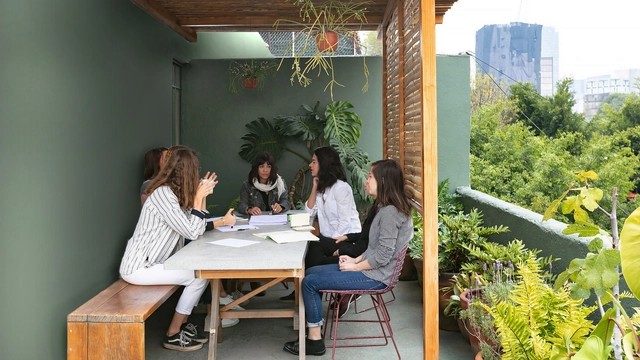
In recent years, sustainability has been at the forefront of debates across all disciplines due to the ongoing environmental crisis. One concept that design, architecture, and urbanism have embraced is the "Circular Economy," as experience has shown the profession that efforts must go beyond simply incorporating recycling into our strategies. Instead, it is necessary to focus on sharing, leasing, reusing, repairing, refurbishing, and recycling existing materials and products for as long as possible to prevent waste.

Environmental Observatory: Reflections on the Winning Proposal for the Eco Pavilion 2023
Subscriber Access | 

“The golden rule of our times is to adapt; one shouldn't fight against reality,” said Mathias Goeritz. More than sixty years later, TIEMPO CERO arrives at the Museo Experimental El Eco to prompt a reflection on the Anthropocene and tangential resistance. Based on Gabriela Carrillo’s curatorial proposal, the pavilion's open call targeted urgent futures in the face of time and the environmental crisis, alongside a playful dimension to reflect on “how we spend time” or “how time passes.”

2023, Embarking on a Promising Journey | ArchDaily's New Year Plan

Subscriber Access | 

December 2019 marked the first COVID-19 case. By December 2022, the era of strict "Class A control for Category B infectious diseases" officially drew to a close.

Over the past year, stripping away our professional titles, we were simply individuals in endless PCR testing lines, participants in digital group-buying threads, and residents confined behind barricades and seals. We endured scorching heatwaves, grappled with political depression and existential dread, relied on ibuprofen to get by, and ultimately stood as witnesses to a turbulent, fast-shifting chapter of history.

In the world of architecture, this past year was defined by adversity: a generation of pioneering elders passed away during the harsh winter; outstanding design fees went uncollected; architects faced widespread unemployment; firms went bankrupt and dissolved; and university architecture programs struggled to fill their enrollment quotas. Day after day, we oscillated between burning out and checking out, caught in a perpetual cycle of anxiety.

Though some wounds remain unhealed, no one ever promised us an easy era. At this chaotic threshold, all we can do is persist in doing what we believe is right. Every architect is striving to address the challenges of our time through design—pioneering more open spatial concepts, mitigating climate change through sustainable architecture, and leveraging professional expertise to instill spaces with a sense of hope.

Over the past year, ArchDaily has published 4,669 built projects, 2,160 thematic articles, 323 competition announcements, and 258 exhibition listings. Focusing on platform expansion and fresh content, we also embarked on a series of historic firsts:

Thus, ArchDaily’s keywords for 2023 are: Embarking on a Grand Journey, Scaling New Heights
We aim to foster more dialogue, gathering the insights and collective strength of global designers to make our voices heard!


01 Designing Better Architecture, Telling the Stories Behind the Scenes

For too long, the focus has lingered solely on the spectacular “moments” of completed buildings, overlooking the countless days and nights poured into them by architects, contractors, and material suppliers. From the initial conceptual sketches to the final working drawings, and from selecting the perfect materials to the meticulous coordination on-site to ensure flawless execution—ArchDaily takes you behind the scenes of today's most successful architectural projects.

The Story Behind Ascent, the World's Tallest Mass Timber Building
Who Does Architecture Serve Today?
What Defines a Children’s Museum?
Challenging the Impossible: How Architectural Design Drives Technological Innovation
Foster + Partners on DJI Sky City: 8 High-Tech Metrics Revealing the Construction Process
The World's Largest Hybrid Timber Structure: Construction Report on the Swatch & Omega Campus
Step Inside the 'Golden Leaf' Hall with Sou Fujimoto | ArchDaily on the Road
More is More: When the Barcelona Pavilion Meets Timber
More Than Just Tallest Skyscrapers: Dubai's Ultimate Construction Museum


02 Solving Design Challenges

As a responsible design medium, we strive to be more than a mere showcase of projects. Through deliberate curation and thoughtful editorial planning, we voice our stance, prompting architects, industry practitioners, and society at large to reflect on systemic challenges in order to foster a healthier, more progressive industry.

What Challenges is Architectural Design Facing Today?
What Defines Good Interior Design?
In the Era of Urban Regeneration, How Do Pritzker Laureates Respond?
What are the Criteria for Architectural Awards?
22 Projects, 11 Interior Design Styles
Stop Demolition, Start Deconstruction
The Past and Future of Floating Cities
The First 'Disrupt' Architecture Business Symposium: A Gathering of Industry Giants
Winners Announced: 2022 ArchDaily Best New Practices
Best Architectural Collaborations of 2021
What is the Real Purpose of Architectural Biennials?
How Can Educational Spaces Express Equality?
How to Design Gender-Neutral Restrooms


03 Crafting a Better Living Environment

As the world adapts to living alongside COVID-19 and combating urban heatwaves, our dwelling patterns are undergoing a profound evolution. Today's homes must seamlessly balance living, working, and leisure. Consequently, designing greener, healthier, and more human-centric residences and lifestyles remains our enduring focus.

How to Cool Down Our Cities?
Chinese Housing and Lifestyles
Is Modularity the Future of Healthcare? OMA Reveals 'Al Daayan' in Qatar
Living on High: Why Are We Drawn to Altitudes and Rooftops?
Has the Garden Become a Privilege?
How to Design Housing on Complex, Constrained Urban Lots?
Can Everyday Workers Enjoy Green Spaces?
Working from Home: How to Design Transition Spaces?
9 Strategies for Healthier Living in Buildings and Cities
How to Design a Sustainable Home Life
Toward Green Capitalism
How Are World Cup Stadiums Cooled?
Can 3D Printing Reshape the Residential Construction Market?
How Real Estate Giants Shape the Development of New York City
Is Co-Living the Future of Real Estate?
What is the Future of the House?

What is carbon offsetting?

Subscriber Access | 

Much has been said about the dangers that humanity as a whole will face from the effects of the climate crisis. More intense floods, prolonged droughts, hotter summers, and freezing winters are some of the immediate consequences we can already feel.

The cause of these local disasters is a global and historical problem: the growing and systematic emission of greenhouse gases (GHGs) from anthropogenic activities since the Industrial Revolution. These gases intensify our atmosphere's greenhouse effect, a natural phenomenon that sustains life on the planet. This heightened greenhouse effect disrupts natural cycles, now putting at risk not only our future, but our present as well.

Curitiba's public transportation model goes against the grain of foreign ideas adopted in Brazil

Subscriber Access | 

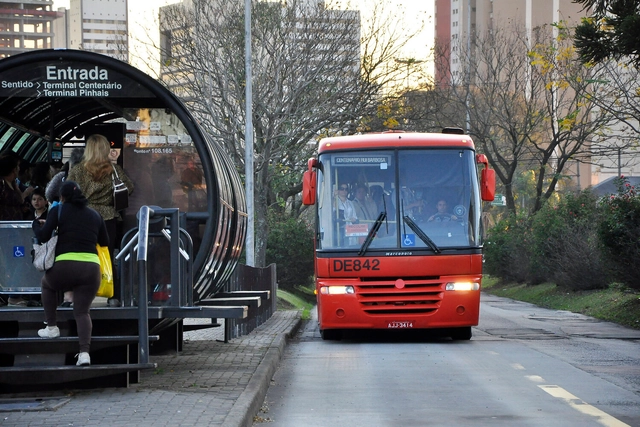
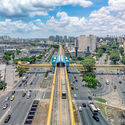
The city of Curitiba, located in the state of Paraná, has been recognized internationally as a leading benchmark for Brazilian urban planning, primarily due to the success of its public transit model. Within this context, tracing the path that led the capital of Paraná to achieve such acclaim is a compelling exercise. Addressing the process of diffusion of ideas, this essay highlights Curitiba's shifting positions in the history of urban planning: at times an importer of ideas, at others an exporter.

Curitiba's public transportation model goes against the grain of foreign ideas adopted in Brazil - Imagen 1 de 4Curitiba's public transportation model goes against the grain of foreign ideas adopted in Brazil - Imagen 2 de 4Curitiba's public transportation model goes against the grain of foreign ideas adopted in Brazil - Imagen 3 de 4Curitiba's public transportation model goes against the grain of foreign ideas adopted in Brazil - Imagen 4 de 4Curitiba's public transportation model goes against the grain of foreign ideas adopted in Brazil - More Images+ 12

"Patio Efímero: Contemporary Art, Architecture, and Heritage Festival" will represent Puebla at Berlin Design Week 2023

Subscriber Access | 

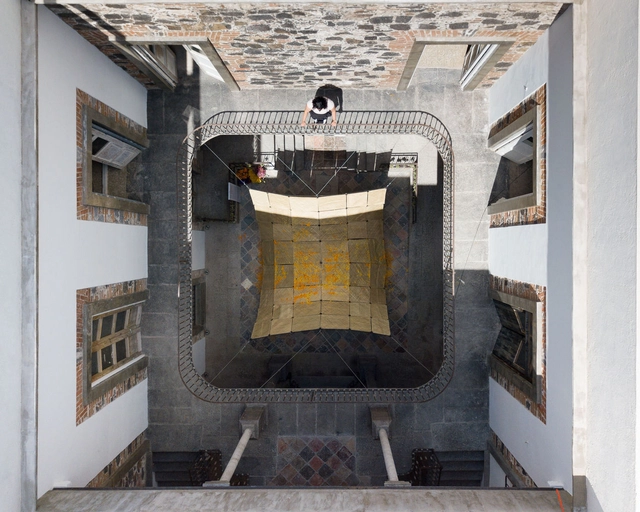
Following an invitation from the Municipal Government of Puebla, Mexico, through the Office of the Historic Center and Cultural Heritage, "Patio Efímero, the festival of contemporary art, architecture, and heritage," better known as "Patio Efímero," will represent Puebla at Berlin Design Week 2023. This year's central theme is resilience; accordingly, the Puebla-based collective responsible for organizing the festival will address the September 19, 2017 earthquake and the COVID-19 pandemic—events that have shaped all three editions of the project.

Neurogastronomy, planned neighborhoods, and residential landscaping: the best of architecture this week

Subscriber Access | 

Review the best of architecture from the past week according to our readers and editors, featuring this selection of the most read articles, most visited projects, and most popular products on ArchDaily Brasil.

To make sure you don't miss the best of each week, subscribe to our weekly newsletter and receive these and other updates on architecture, cities, and the built environment directly in your inbox.

Neurogastronomy, planned neighborhoods, and residential landscaping: the best of architecture this week - Imagen 3 de 4Neurogastronomy, planned neighborhoods, and residential landscaping: the best of architecture this week - Imagen 6 de 4Neurogastronomy, planned neighborhoods, and residential landscaping: the best of architecture this week - Imagen 7 de 4Neurogastronomy, planned neighborhoods, and residential landscaping: the best of architecture this week - Imagen 5 de 4Neurogastronomy, planned neighborhoods, and residential landscaping: the best of architecture this week - More Images+ 3
Working with what already exists: interview with fala atelier

Subscriber Access | 

No País dos Arquitectos is a podcast created by Sara Nunes, who also runs the architectural film production company Building Pictures. The podcast aims to profile the professionals, projects, and stories behind leading contemporary Portuguese architecture. With just over 10 million inhabitants, Portugal is a fascinating country within this professional field, producing architecture that far exceeds its small population and territorial scale.

In the first episode of the fifth season, Sara talks to the architects of fala atelier about the Casa Garagem project. Listen to the conversation and read part of the interview below.

Working with what already exists: interview with fala atelier - 1 的图像 4Working with what already exists: interview with fala atelier - 2 的图像 4Working with what already exists: interview with fala atelier - 3 的图像 4Working with what already exists: interview with fala atelier - 4 的图像 4Working with what already exists: interview with fala atelier - More Images+ 5

FTA: How Data Shapes Biomedical Park Design in the Age of Algorithms | ArchDaily In-Depth

Subscriber Access | 

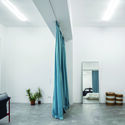
FTA: How Data Shapes Biomedical Park Design in the Age of Algorithms | ArchDaily In-Depth - Arch Daily InterviewsFTA: How Data Shapes Biomedical Park Design in the Age of Algorithms | ArchDaily In-Depth - Arch Daily InterviewsFTA: How Data Shapes Biomedical Park Design in the Age of Algorithms | ArchDaily In-Depth - Arch Daily InterviewsFTA: How Data Shapes Biomedical Park Design in the Age of Algorithms | ArchDaily In-Depth - Arch Daily InterviewsFTA: How Data Shapes Biomedical Park Design in the Age of Algorithms | ArchDaily In-Depth - More Images+ 21

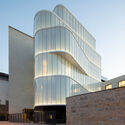
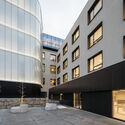
FTA Group (FTA Group GmbH) entered China in 2003, with its headquarters in Shanghai. FTA focuses on the design of offices and industrial innovation districts. Advocating for integrated services that span consulting, master planning, architecture, interior design, and landscape architecture, FTA is committed to integrating global resources, technologies, and teams to build impactful industrial communities and innovation hubs. Having designed over 1,000 office and innovation park projects, FTA has developed specialized product lines tailored to various industrial sectors, such as biopharmaceuticals, the digital economy, information technology, and artificial intelligence—with biopharmaceutical industrial parks standing out as one of its most representative sectors.

Collaborative, ethical, and open work culture in architecture

Subscriber Access | 

In this episode of Arquicast, a conversation with architects Liz Valente and Larissa Fioravante revisits the topic of work environments in architecture, bringing a new perspective to some of the discussions addressed in episode 214. The momentum for this "part 2" came from provocative comments from the audience, which prompted a deeper and more diverse reflection on the daily life of the profession. The participants shared their personal career paths, shaped by internships, experience in offices, the classroom, and even personal ventures.

Architectural Rehabilitation and Local Identity: Interview with aNC arquitectos

Subscriber Access | 

No País dos Arquitectos is a podcast created by Sara Nunes, who also runs the architectural film production company Building Pictures. The podcast aims to profile the professionals, projects, and stories behind leading contemporary Portuguese architecture. With just over 10 million inhabitants, Portugal is a fascinating country in this professional field, and its architectural output far exceeds what its population or territorial scale might suggest.

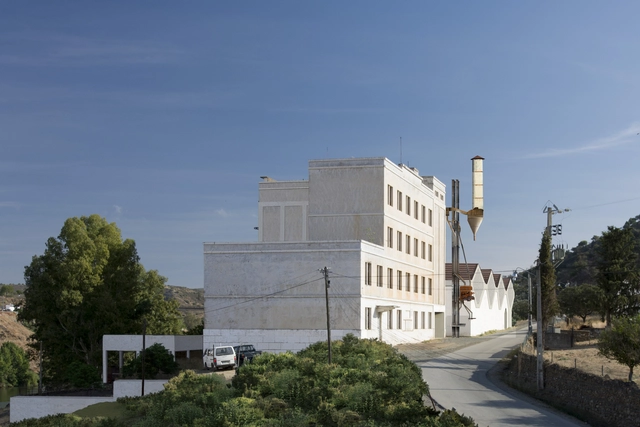
In this fifth-season episode, Sara talks with architects Teresa Novais and Jorge Carvalho from aNC arquitectos about the Biological Station and Gallery of Biodiversity in Mértola. Listen to the conversation and read an excerpt of the interview below.

Architectural Rehabilitation and Local Identity: Interview with aNC arquitectos - Imagem 1 de 4Architectural Rehabilitation and Local Identity: Interview with aNC arquitectos - Imagem 2 de 4Architectural Rehabilitation and Local Identity: Interview with aNC arquitectos - Imagem 3 de 4Architectural Rehabilitation and Local Identity: Interview with aNC arquitectos - Imagem 4 de 4Architectural Rehabilitation and Local Identity: Interview with aNC arquitectos - More Images+ 8

Bike Lanes, Between Urban Design and Public Health

Subscriber Access | 

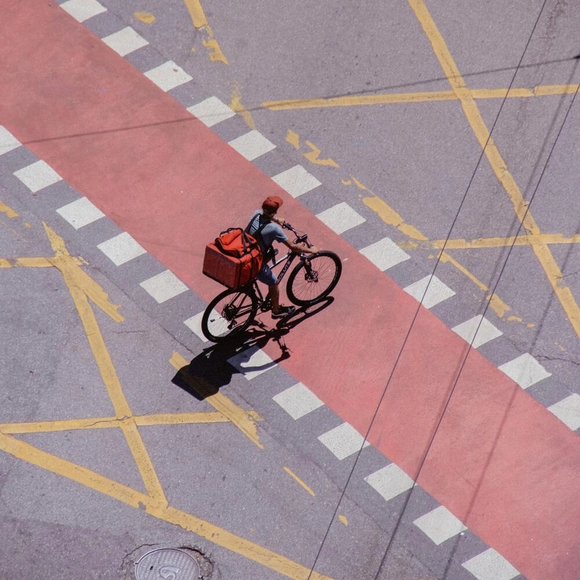
Bike lanes, with their distinct paths and dedicated signage, have increasingly shaped the urban landscape of many cities around the world. Their impacts range from reducing vehicular traffic to promoting healthier and more sustainable lifestyles. Episode 212 of Arquicast addresses this crucial topic, featuring architect and transportation engineering expert Janaína Amorim, a partner at Metrics Mobilidade. The discussion explored global best practices, design and architectural trends, and the impact of bicycle infrastructure on public health.

"The language through which we communicate is that of buildings": Interview with Alejandro Aravena

Subscriber Access | 

No País dos Arquitectos is a podcast created by Sara Nunes, who also runs the architectural film production company Building Pictures. The podcast aims to profile the professionals, projects, and stories behind leading contemporary Portuguese architecture. With just over 10 million inhabitants, Portugal is a fascinating country when it comes to this professional field, and its architectural output far outstrips its demographic and territorial scale.

In the first episode of the fifth season, Sara talks with Chilean architect Alejandro Aravena about the new EDP headquarters in Lisbon. Listen to the conversation (in English) and read an excerpt of the interview below.

"The language through which we communicate is that of buildings": Interview with Alejandro Aravena - 1 的图像 4"The language through which we communicate is that of buildings": Interview with Alejandro Aravena - 2 的图像 4"The language through which we communicate is that of buildings": Interview with Alejandro Aravena - 3 的图像 4"The language through which we communicate is that of buildings": Interview with Alejandro Aravena - 4 的图像 4The language through which we communicate is that of buildings: Interview with Alejandro Aravena - More Images+ 10

"Buildings have to be for people to feel good": Interview with Tomás Salgado of Risco Studio

Subscriber Access | 

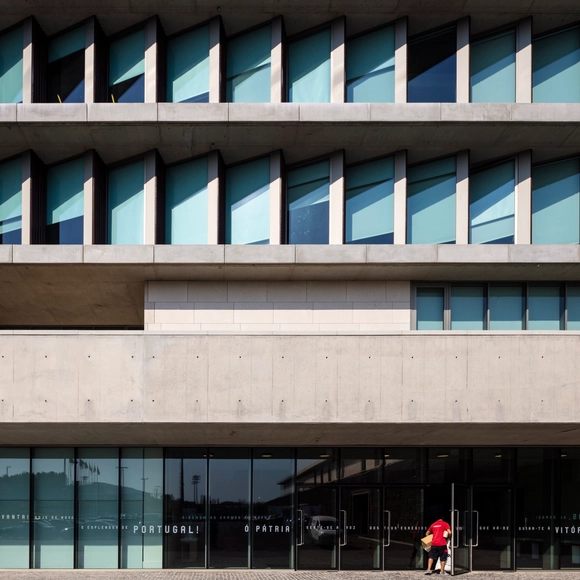
No País dos Arquitectos is a podcast created by Sara Nunes, who is also responsible for the architectural film production company Building Pictures. The podcast aims to profile the professionals, projects, and stories behind Portugal's leading contemporary architecture. With just over 10 million inhabitants, Portugal is a highly compelling country regarding this professional field, and its architectural output punches far above its population or territorial scale.

In this episode of the fourth season, Sara talks with Tomás Salgado, from the office Risco, about the Cidade do Futebol, a facility for the Portuguese Football Federation. Listen to the conversation and read part of the interview below.

"Buildings have to be for people to feel good": Interview with Tomás Salgado of Risco Studio - 1 的图像 4"Buildings have to be for people to feel good": Interview with Tomás Salgado of Risco Studio - 2 的图像 4"Buildings have to be for people to feel good": Interview with Tomás Salgado of Risco Studio - 3 的图像 4"Buildings have to be for people to feel good": Interview with Tomás Salgado of Risco Studio - 4 的图像 4Buildings have to be for people to feel good: Interview with Tomás Salgado of Risco Studio - More Images+ 5

Smart cities, data, and public policies: interview with Ágatha Depiné and Luciana Fonseca

Subscriber Access | 

Cities are constantly evolving, and technological innovations play a significant role in this process. So-called "smart cities" have been a major topic of discussion in recent years, but what does this actually mean? How can technology contribute to better urban management? And how can we ensure that these new possibilities do not further deepen social inequalities? 

Salvador Rueda: "In the city, the public and the private must work together"

Subscriber Access | 

With an academic background in biological sciences, psychology, environmental engineering, and energy management, Salvador Rueda speaks with ArchDaily in Costa Rica about sustainable mobility, urban planning, and the implementation of superblocks in Barcelona.

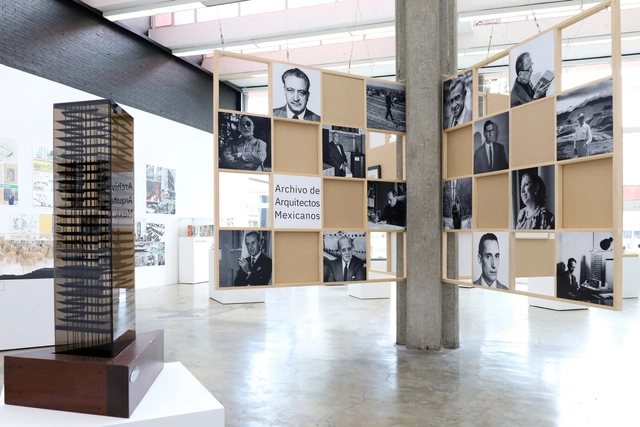
Interview: Archive of Mexican Architects of the Faculty of Architecture, UNAM

Subscriber Access | 

In November 2022, the María Luisa Dehesa Gallery of the Faculty of Architecture at UNAM hosted the first exhibition compiling twenty years of the Mexican Architects Archive, showcasing a variety of documents and objects preserved under its care. The AAM was founded in January 2002, and since its inception, it has become one of the most important archives in the country, thanks to donations by the families of some of the Modern Movement's most influential architects in Mexico.

Ana Mello and Evelyn Müller talk about Conafarq - National Collective of Architectural Photographers

Subscriber Access | 

Photographers Ana Mello and Evelyn Müller were the guests on the latest episode of Betoneira, and the conversation revolved around the work of architectural and interior photographers, author attribution, and image ownership. Müller spoke about the inception of Conafarq (Coletivo Nacional de Fotógrafos de Arquitetura) during the pandemic, when many photographers were left without work for months. Although the market was at a standstill, photographers noticed that their pre-pandemic photos continued to be used by clients in various contexts—such as social media, emails, and other channels. Small groups began to mobilize to discuss the need for photographers to be compensated whenever their photos are used commercially.

Ana Mello and Evelyn Müller talk about Conafarq - National Collective of Architectural Photographers - Imagen 1 de 4Ana Mello and Evelyn Müller talk about Conafarq - National Collective of Architectural Photographers - Imagen 2 de 4Ana Mello and Evelyn Müller talk about Conafarq - National Collective of Architectural Photographers - Imagen 3 de 4Ana Mello and Evelyn Müller talk about Conafarq - National Collective of Architectural Photographers - Imagen 4 de 4Ana Mello and Evelyn Müller talk about Conafarq - National Collective of Architectural Photographers - More Images+ 1

Architecture as a Stage Where People Meet: Interview with Pitagoras Group

Subscriber Access | 

No País dos Arquitectos is a podcast created by Sara Nunes, who also runs the architectural film production company Building Pictures. The podcast aims to explore the professionals, projects, and stories behind leading contemporary Portuguese architecture. With just over 10 million inhabitants, Portugal is a fascinating country in this professional field, and its architectural output far exceeds what its population or territorial scale would suggest.

In this episode of the fourth season, Sara talks with Manuel Roque from Pitagoras Group about the rehabilitation of the former Teatro Jordão and Garagem Avenida building. Listen to the conversation and read an excerpt of the interview below.

Architecture as a Stage Where People Meet: Interview with Pitagoras Group - 1 的图像 4Architecture as a Stage Where People Meet: Interview with Pitagoras Group - 2 的图像 4Architecture as a Stage Where People Meet: Interview with Pitagoras Group - 3 的图像 4Architecture as a Stage Where People Meet: Interview with Pitagoras Group - 4 的图像 4Architecture as a Stage Where People Meet: Interview with Pitagoras Group - More Images+ 7

"We are very proud of the democratization that the website promotes": Interview with the Editors of ArchDaily Brasil

Subscriber Access | 

The latest episode of Betoneira welcomed Romullo Baratto, Victor Delaqua, and Susanna Moreira, editors of ArchDaily Brasil, to discuss the platform's trajectory and the state of architectural communication. For all three, the main challenge lies in covering current events and urgent architectural issues at the speed of digital media, rather than the traditional pace of print. Staying attuned to this rapid flow is essential; over the last twelve years, since the launch of the Portuguese-language site, shifts in digital media have fundamentally reshaped how architecture is researched and published, alongside changes in lifestyle and consumption patterns.

"I am against the term Anthropocene. What is driving the world to final disaster is capital": Interview with Sérgio Ferro

Subscriber Access | 

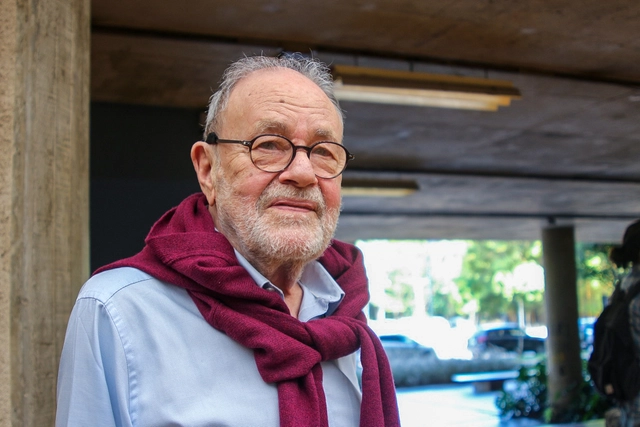
Sérgio Ferro is a Brazilian architect, artist, historian, and architectural critic who, due to his political activism during the military dictatorship, was imprisoned and exiled to France in the 1970s. Throughout his career, he has observed and intervened in the production spaces of civil construction, developing a critique of the production of plastic arts and architecture based on the construction process and its agents: the construction site, technologies, materials, and the builder.

In a historical context dominated by Eurocentric and male references, Ferro, along with architects Rodrigo Lefèvre and Flávio Império, formed Arquitetura Nova, a group that proposed debates centered on architectural production, the social role of the architect, and the relations of production on the construction site, challenging hegemonic thinking and practices, whether in design practice or academia. Following his exile, unable to practice as an architect, he dedicated himself to teaching at the École Nationale Supérieure d'Architecture de Grenoble. 

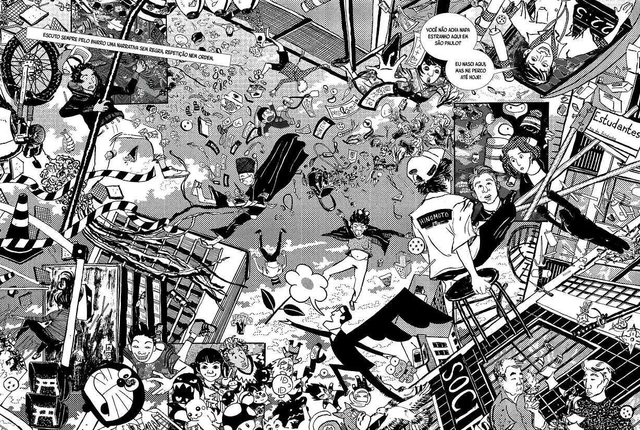
Space in Comics: An Interview with Marília Marz

Subscriber Access | 

The work of Marília Marz uses cities as its source of inspiration and research. She began the conversation on Betoneira by sharing her experience with the Ciência sem Fronteiras (Science Without Borders) program, through which she went to the US to study architecture and ended up falling in love with comics. The artist dove headfirst into the graphic universe at the University of Oregon, where cartoonist Joe Sacco also graduated. Marília Marz pointed out that university placement in the program was somewhat random; not everyone was able to attend their institution of choice. She ended up at a university that was not among her top choices, but which happens to be one of the few schools offering a minor in comics.

You've started following your first account!

Did you know?

You'll now receive updates based on what you follow! Personalize your stream and start following your favorite authors, offices and users.