1. ArchDaily
  2. News

News

Open Question: Is it really possible to design for everyone?

Subscriber Access | 

Many of us agree with Roman Mars of 99% Invisible when he says that "we tend to not notice well-designed things"—yet many also agree that design is often perceived as being for only a select few. Consequently, we must ask ourselves what is truly democratic when it comes to design, and from there, help define and contribute our vision toward a more just society.

From the perspective of design and architecture, we can approach the democratization of design from various angles—from incorporating design into everyday needs to designing inclusively. At the core of it all lies the search for solutions that improve accessibility and livability in our daily lives.

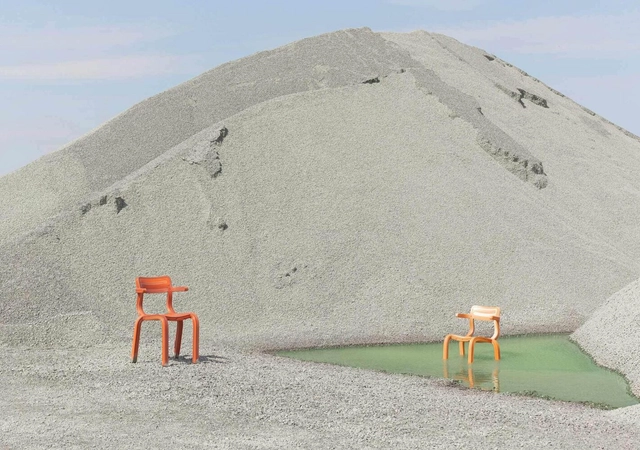
Should recycled materials be the future of architecture and construction?

Subscriber Access | 

The construction industry is one of the largest producers of pollutants and waste globally in its daily operations. To put this into perspective, in the mid-1990s in Great Britain, construction processes generated nearly 10 million tons of post-industrial waste. Approximately a decade ago, over 3.5 billion new bricks were used annually, while around 2.5 billion were demolished; of that total, only about 140 million were reused, with the rest sent to landfills.

Totora, a sustainable material for thermal insulation

Subscriber Access | 

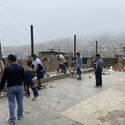
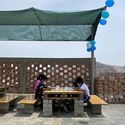
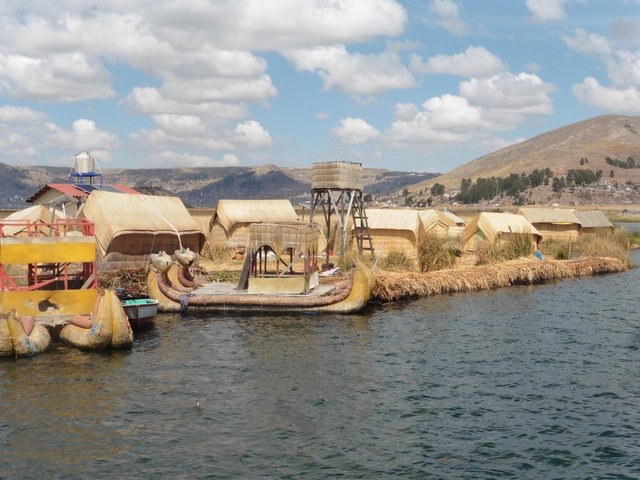
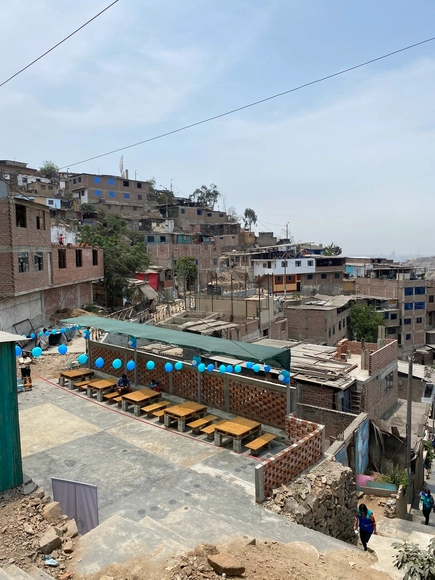
The growing focus on sustainable architecture drives architects to explore alternative sustainable construction materials that can be implemented in new buildings. The research “Totora as a Thermal Insulation Material: Properties and Potential” was published by architect Leyda Aza Medina as a master's thesis in 2016 and won the ADUS 2021 academic practice award. The study offers a sustainable alternative, utilizing the renewable resource of totora reeds to develop thermal insulation for buildings in the Peruvian highlands.

Totora, a sustainable material for thermal insulation - Image 1 of 4Totora, a sustainable material for thermal insulation - Image 2 of 4Totora, a sustainable material for thermal insulation - Image 3 of 4Totora, a sustainable material for thermal insulation - Image 4 of 4Totora, a sustainable material for thermal insulation - More Images+ 1

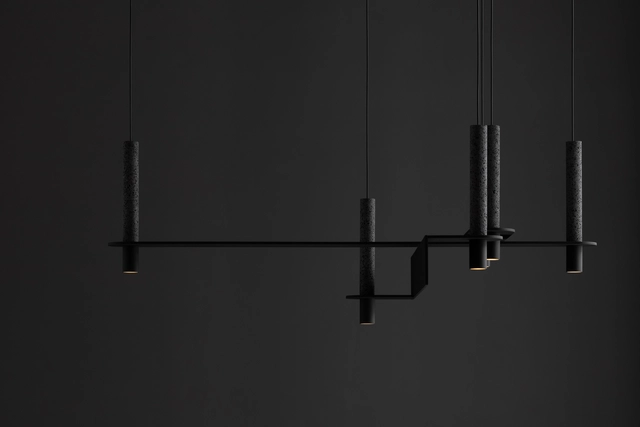
"The Lava Landscape," the exhibition by David Pompa Studio, is presented at Milan Design Week 2022

Subscriber Access | 

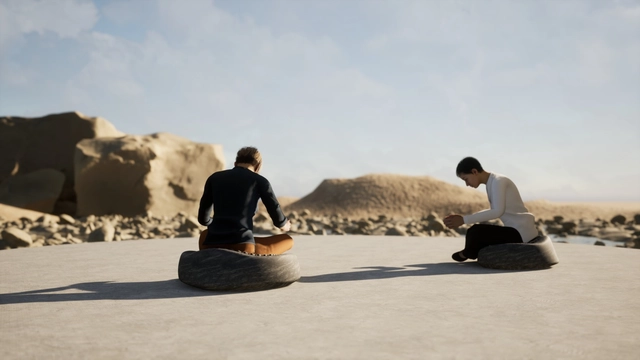
Founded in 2013 and based in Mexico City, David Pompa is a studio comprising designers, engineers, and makers established in Mexico and Austria. David Pompa grew up in both countries and studied product design in London. Over time, the studio has shown a strong interest in traditional materials and techniques, maintaining a commitment to Mexican culture since its inception—a dedication reflected in the creation of aesthetic and accessible design objects. On this occasion, they are presenting a new collection for Milan Design Week 2022 on Via Simone Saint Bon as part of Fuorisalone from June 5 to 12.

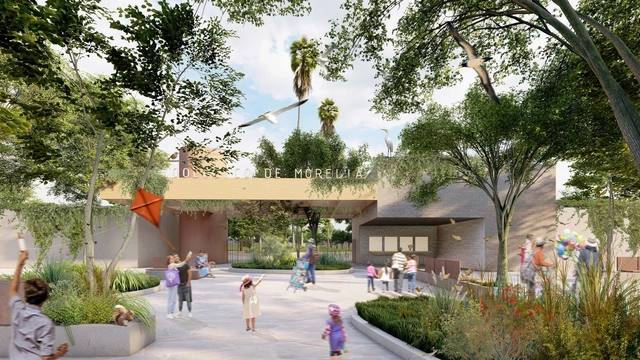
Discover the winning proposal for the "Benito Juárez Ecological Park" in Michoacán, Mexico

As part of an initiative by the Ministry of Urban Development and Mobility of the Government of Michoacán, the Ministry of the Environment, and the Michoacan University of San Nicolás de Hidalgo, the First Ideas Competition to renovate and adapt the Morelia Zoo (one of the largest in Mexico by number of species) to the new environmental, social, and cultural conditions of its context was launched.

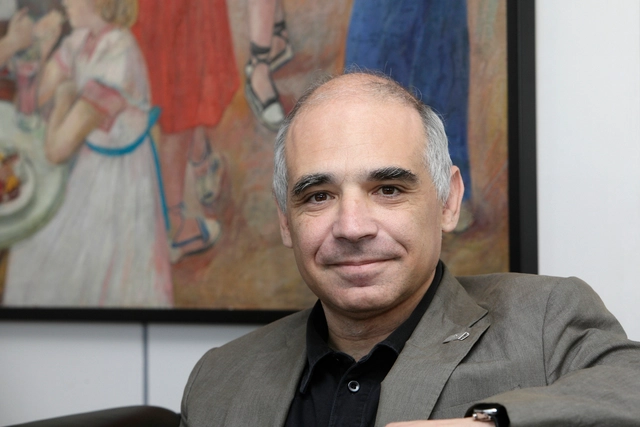
Lluís Comerón, 2022 Gold Medal of Architecture

Spanish architect Lluís Comerón, who recently passed away at 62, has been recognized for his tireless professional practice with the Gold Medal of Architecture. The High Council of Colleges of Architects of Spain (CSCAE) has posthumously awarded the Gold Medal of Architecture to Catalan architect Lluís Comerón Graupera, who served as president of the institution during the 2018–2022 term.

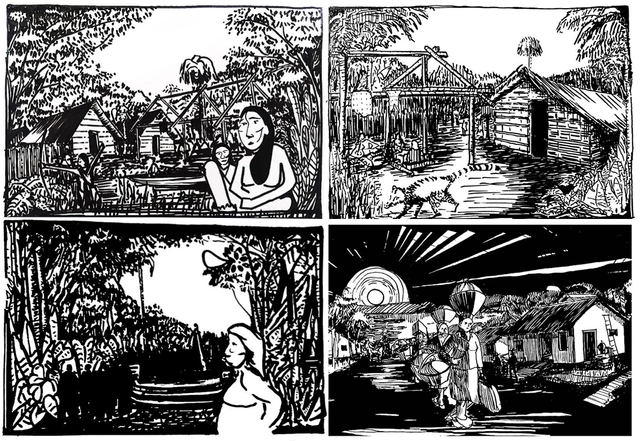
Freehand: Landscape and drawing united in sketches of Misiones, Argentina

Subscriber Access | 

Since the 15th century, the territory of Misiones, Argentina, has witnessed the constant passage and local overlap of a vast number of highly diverse cultures. Indigenous Guaraní, Spanish conquistadors, Jesuit missions, Paulist bandeirantes, people from the Republic of Entre Ríos and later the Province of Corrientes, Paraguayans, Brazilians, and, finally, a sweeping influx of European immigrants fleeing the world wars make up some of the layers of its immeasurable cultural fabric.  

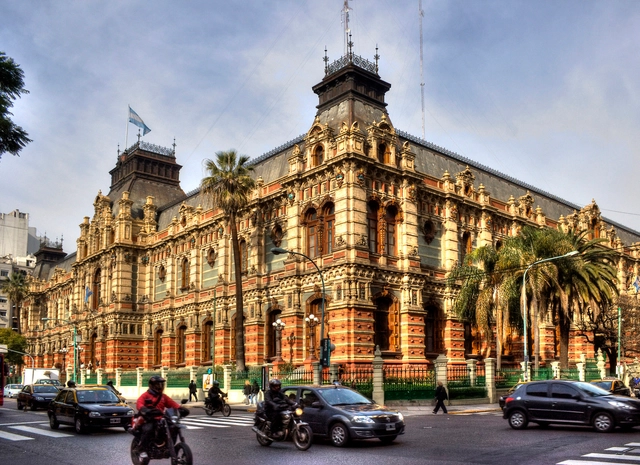
The Palace of Running Waters in Buenos Aires: Between Hygiene, Art, and Technology

Subscriber Access | 

On the path toward poverty reduction, economic growth, and environmental sustainability, both water and sanitation measures play a fundamental role, demonstrating the importance of access to a resource like water in people's lives. To mark World Water Day, celebrated every March 22, we present the Palacio de Aguas Corrientes (Water Company Palace) in Buenos Aires—one of the greatest creations of the 19th-century European foundry industry outside Europe, combining art and engineering in a unique Argentine work declared a National Historic Monument in 1989.

Who has won the National Architecture Award in Chile?

Subscriber Access | 

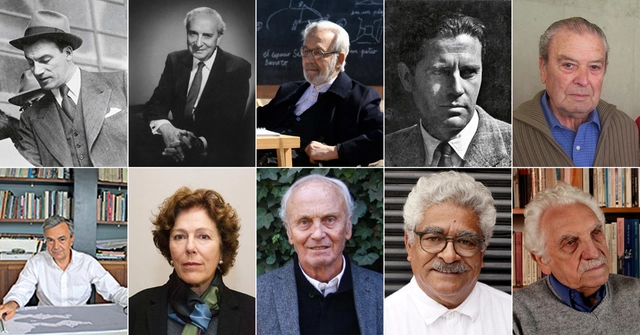
The National Architecture Award of Chile is presented by the Colegio de Arquitectos (Architects Association) to recognize "a lifetime dedicated to the service of architecture," according to the organization. First awarded in 1969, the inaugural recipient was Juan Martínez, architect of landmark projects such as the Law School at the University of Chile and the Votive Temple of Maipú.

Architecture Fanzines in Chile: Small Self-Managed Utopias Between 2005 and 2021

Subscriber Access | 

Publishing architecture is necessary for the discipline itself to be understood as such. Without it, architecture becomes an endeavor devoid of public inquiry, confined to private practices. Yet its presence opens up a field that translates a material language into a written one, reformulating the discourses emerging from this arena. Among the “smallest” of these publications are fanzines—mediums that arise from a desire for self-management and low-cost, small-run production, capable of adapting to diverse content, whether in the form of a booklet or simply folded paper.

The playful potential of the fanzine has sparked growing popularity in Chile, culminating in its inclusion in the XXI Chilean Biennial of Architecture and Urbanism in 2019. Although awareness of this medium predated this event, there is still a gap in understanding its characteristics. This necessitates asking simple, almost naive questions about the specific conditions of its production—discussions that ultimately reveal an invisible network woven among individuals who, without knowing it, were already connected.

"To change the way we build, we all need to participate": Our readers weigh in on Net Zero Architecture

Subscriber Access | 

It is well known that the construction industry is one of the world's largest producers of CO2. While significant progress has been made in technology and design and construction processes, a long road remains to minimize or virtually eliminate carbon emissions in the development of the built environment. 

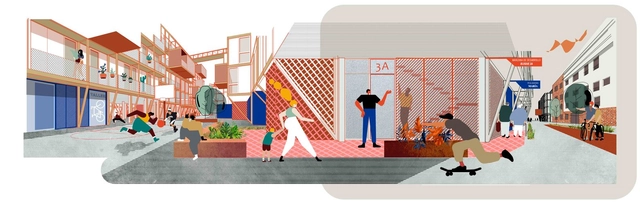
Open question: How will we live in our cities?

Subscriber Access | 

Is there a future for our cities without a sustainable way of life? For some time now, urban sustainability has been viewed primarily through the lens of climate change rather than a holistic vision that integrates society and the way we live in community.

What new ways of living are we experiencing amid social, economic, and ecological shifts? We need to bring to the table different reference cases from around the world and understand the latest trends shaping how we live in our cities.

We want you, our readers, to not only be the first to share examples of co-living, cooperatives, and any new types of social housing you consider benchmarks, but also to share your thoughts on the matter in the form below. Selected comments will be published in an upcoming article.

"The Incredible Story of the Seasonal Worker Who Found His Home in Almendralejo", winning proposal of the EUROPAN 16 awards

The 16th edition of the Europan awards, launched in the spring of 2021 under the theme "Living Cities: Metabolic and Inclusive Vitalities," has announced its results. “The Incredible Story of the Seasonal Worker Who Found His Home in Almendralejo” is a Spanish project selected as one of the seven winners within Spain.

Jean Mermoz House: Reconstruction of the timber formwork system as a tribute to lost heritage in Chile

Subscriber Access | 

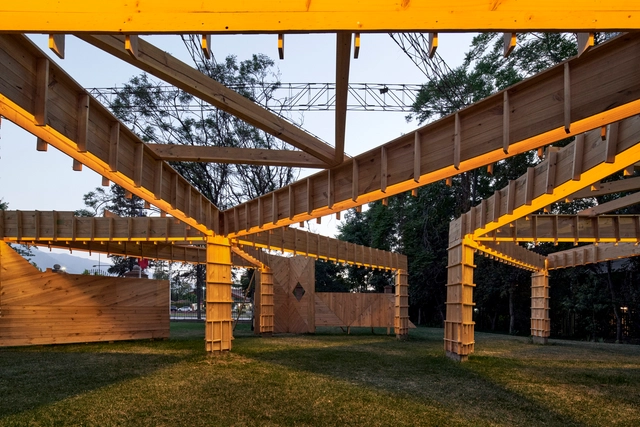
Following the 60th anniversary of the iconic Casa en Jean Mermoz—a precursor to the ideas of Ciudad Abierta in Ritoque—Igor Fracalossi, PhD, proposed a reconstruction of its wooden formwork system. He knows the building well; since 2012, he has dedicated his research to studying "the most complex residential project in Chile to date.”

While walking through the exhibition of the reconstruction in the gardens and galleries of the Centro Cultural Las Condes in 2022, he explains in detail the innovative and unique construction aspects of this demolished work. The house was originally designed by Fabio Cruz Prieto, architect and founding master of the School of Architecture and Design at the Pontificia Universidad Católica de Valparaíso.

Florencia Rodríguez is the new director of the School of Architecture at the University of Illinois Chicago

The School of Architecture at the University of Illinois Chicago (UIC) has appointed Argentine editor and curator Florencia Rodríguez as its new director, effective August 2022. 

Trained as an architect and founder of the magazines PLOT and -NESS, she has dedicated her career to editing, writing, and teaching. Throughout her career, she was a Loeb Fellow and taught architecture at Harvard GSD. Through her work, which focuses on disseminating new narratives and exploring alternative forms of design criticism, she has fostered and strengthened architectural discourse across the Americas.

The City as a Canvas: Art as a Tool in Santiago, Chile

Subscriber Access | 

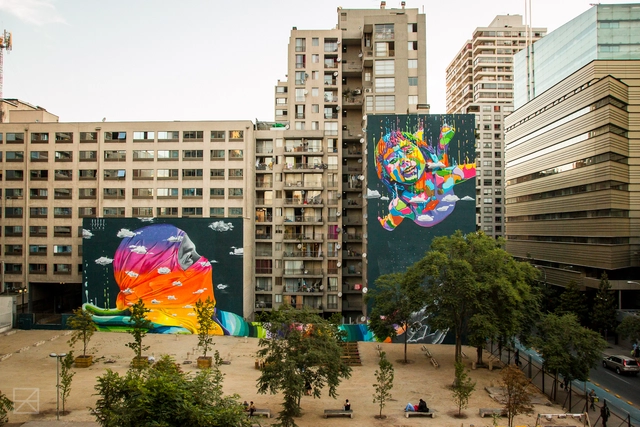
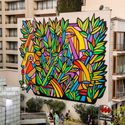
How do we experience cities? What moves us? What do we remember about them? Monuments? Museums? Are we merely tourists, or do we live the city as an experience? Art is part of the urban fabric—a way to create new paths, lifestyles, and reference points that lead us to identify the unique spaces and moments experienced within it. Art is not confined to museums; it is in the streets, on the walls, and on the buildings that shape the city. Public space dialogues with artistic expression, engaging people, neighborhoods, cities, and an interconnected world to create new modes of community within a culture that is attentive to and understands our contexts and ecosystems. 

The City as a Canvas: Art as a Tool in Santiago, Chile - Image 1 of 4The City as a Canvas: Art as a Tool in Santiago, Chile - Image 2 of 4The City as a Canvas: Art as a Tool in Santiago, Chile - Image 3 of 4The City as a Canvas: Art as a Tool in Santiago, Chile - Image 4 of 4The City as a Canvas: Art as a Tool in Santiago, Chile - More Images+ 9

Against Oblivion: Montserrat Palmer and the Discourse of Contemporary Architecture in Chile

Subscriber Access | 

This article by Hugo Mondragón López and Bárbara Rozas Reinecke was originally published under the title "Contra el Olvido: La voz de Montserrat Palmer y el discurso de la arquitectura contemporánea en Chile" in issue 23 of Dearq magazine on July 1, 2018 (DOI: https://doi.org/10.18389/dearq23.2018.02).

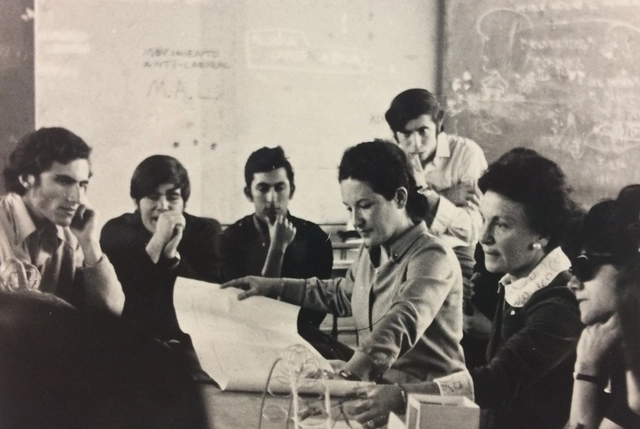
Architect, professor, researcher, editor. Montserrat Palmer Trías was an authoritative voice in Chile's architectural and cultural scene between the late 20th and early 21st centuries. Through her editorial leadership of ARQ magazine, she shaped disciplinary debates while introducing a group of Chilean architects—whose renown was forged in the pages of the publication—to the international stage. Although she nurtured the myth of a woman operating purely on intuition, it is impossible to overlook her rigorous work as a researcher. Paradoxically, a decade after stepping down as the magazine's editor-in-chief, both her figure and her contribution to post-dictatorship Chilean architecture risk falling into oblivion. This article is an attempt to prevent that from happening.

The following is presented as part of a joint collaboration to help disseminate research, analysis, and opinions produced by the national and international academic community on architecture, urban issues, and related fields.

Kitchen Laboratory: Community Space in the Lacandon Jungle of Chiapas, Mexico

Subscriber Access | 

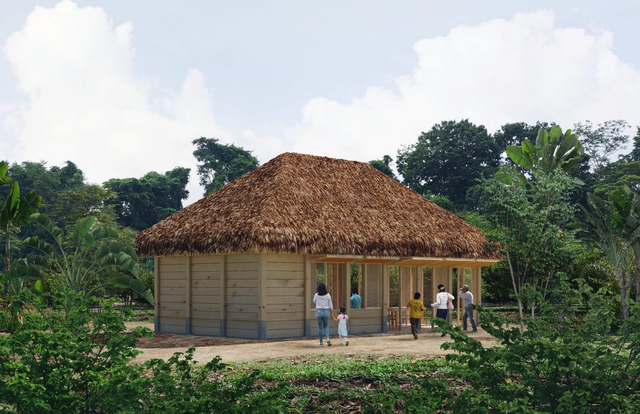
What could be more familiar to any human being than food? Food connects landscape with culture, emotion, history, and overall planetary health. Sharing food and cooking for others is a fundamental act of care and a way of expressing generosity and hospitality, reminding us of how much we depend on one another. Food allows us to think simply about the complex relationships of our habitat, providing a common ground for people to connect just as they would in their own homes: around the kitchen table. 

The Peru Pavilion is recognized as the winner of the People’s Choice Awards at Expo 2020 Dubai

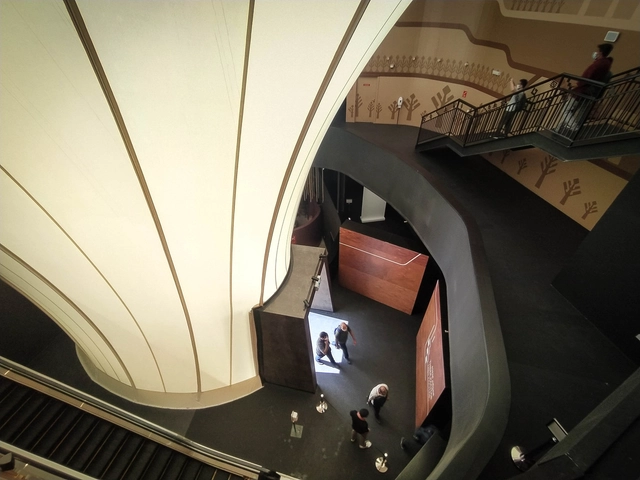
Peru, a country of rich heritage and ancestral wisdom, won two awards at Expo 2020 Dubai for the Peru Pavilion, which captivated visitors through the concept of "Timeless Peru." First, the trade publication Exhibitor presented the pavilion with the World Expo Award in the People’s Choice Awards category, following an online vote where people from around the world selected their best overall experience from the expo.

Additionally, on March 30 of this year, the Peru Pavilion won the Gold Award at the BIE Day Awards in the Self-built pavilions – Category B (between 1,750m2 and 2,500m2) category. The award recognized three key aspects: architecture and landscape, exhibition design, and theme interpretation.

The Peru Pavilion is recognized as the winner of the People’s Choice Awards at Expo 2020 Dubai - Image 1 of 4The Peru Pavilion is recognized as the winner of the People’s Choice Awards at Expo 2020 Dubai - Image 2 of 4The Peru Pavilion is recognized as the winner of the People’s Choice Awards at Expo 2020 Dubai - Image 3 of 4The Peru Pavilion is recognized as the winner of the People’s Choice Awards at Expo 2020 Dubai - Image 4 of 4The Peru Pavilion is recognized as the winner of the People’s Choice Awards at Expo 2020 Dubai - More Images+ 1

YACIMIENTOS: The exhibition that brought together pieces by 53 artists and architects in Mexico City

Subscriber Access | 

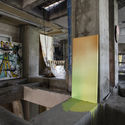
YACIMIENTOS: The exhibition that brought together pieces by 53 artists and architects in Mexico City - Imagen 1 de 4YACIMIENTOS: The exhibition that brought together pieces by 53 artists and architects in Mexico City - Imagen 2 de 4YACIMIENTOS: The exhibition that brought together pieces by 53 artists and architects in Mexico City - Imagen 3 de 4YACIMIENTOS: The exhibition that brought together pieces by 53 artists and architects in Mexico City - Imagen 4 de 4YACIMIENTOS: The exhibition that brought together pieces by 53 artists and architects in Mexico City - More Images+ 32

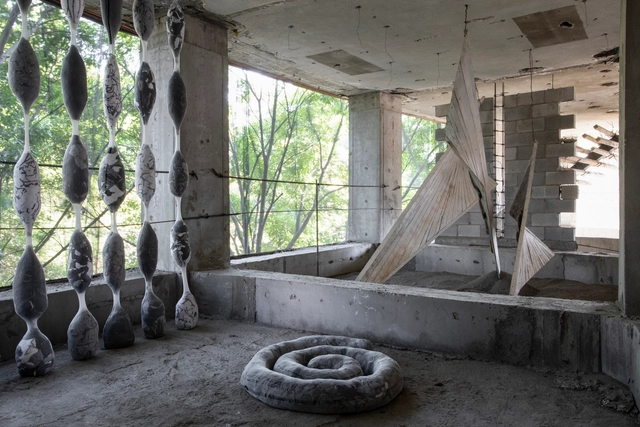
As part of the cultural agenda for Art Week 2022 in Mexico City, guadalajara90210—in collaboration with Michan Architecture and Luis Young—presented the exhibition "YACIMIENTOS," featuring works by 53 artists and architects. The venue, a building currently under reconstruction in the Condesa neighborhood, hosted the exhibition from February 12 to 20.

A blue elephant in the room: the Chilean pavilion at the Venice Biennale

Subscriber Access | 

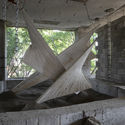
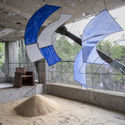
As in previous years, Chile's Ministry of Cultures, Arts, and Heritage has organized the exhibition of Testimonial Spaces, the country's most recent national pavilion presented at the 2021 Venice Biennale, in the lobby of the Museum of Contemporary Art in Parque Forestal (Santiago), making it accessible to the local public.

Although the ministry's open call for each biennale typically focuses on the design of a pavilion, the brief specifies that the selected curator will be responsible for developing both a curatorial concept and an architectural proposal. Certainly, in a contemporary context, the notion of a pavilion is a highly malleable category, making the distinction established in the guidelines particularly intriguing: while a curatorial concept should clearly be associated with some relevant architectural framework, it is not necessarily an architectural proposal in and of itself.

A blue elephant in the room: the Chilean pavilion at the Venice Biennale - Imagem 1 de 4A blue elephant in the room: the Chilean pavilion at the Venice Biennale - Imagem 2 de 4A blue elephant in the room: the Chilean pavilion at the Venice Biennale - Imagem 3 de 4A blue elephant in the room: the Chilean pavilion at the Venice Biennale - Imagem 4 de 4A blue elephant in the room: the Chilean pavilion at the Venice Biennale - More Images+ 7

Pedro Pitarch presents his project for the Special Section of the ARCO 40+1 Fair

Pedro Pitarch Architectures & Urbanisms, a Madrid-based architecture office, has recently designed a project for the Special 40th Anniversary Section of the ARCO Fair called "ARCO 40+1." This exhibition space commemorates 40+1 years of the art fair. The exhibition, where nineteen galleries present their works, was curated by María Inés Rodríguez, Sergio Rubira, and Francesco Stocchi.

Pedro Pitarch presents his project for the Special Section of the ARCO 40+1 Fair - Imagen 1 de 4Pedro Pitarch presents his project for the Special Section of the ARCO 40+1 Fair - Imagen 2 de 4Pedro Pitarch presents his project for the Special Section of the ARCO 40+1 Fair - Imagen 3 de 4Pedro Pitarch presents his project for the Special Section of the ARCO 40+1 Fair - Imagen 4 de 4Pedro Pitarch presents his project for the Special Section of the ARCO 40+1 Fair - More Images+ 14

What Is Color for Architects and Designers?: An Exhibition by Claudia Valsells

Subscriber Access | 

“What's color? for architects and designers” is an exhibition by the artist Claudia Valsells. Curated by Julia Ruiz-Cabello and Gonzalo de Benito, the exhibition brings together testimonials from architecture practices on the use of color in their projects. It took place from December 10 to 14, 2021, at the Pavilion space of the architecture firm PLANTEA, in Madrid. The exhibition design, mirroring the studio where the artist has worked for more than two decades to create her own color chart, shapes the space.

What Is Color for Architects and Designers?: An Exhibition by Claudia Valsells - Image 1 of 4What Is Color for Architects and Designers?: An Exhibition by Claudia Valsells - Image 2 of 4What Is Color for Architects and Designers?: An Exhibition by Claudia Valsells - Image 3 of 4What Is Color for Architects and Designers?: An Exhibition by Claudia Valsells - Image 4 of 4What Is Color for Architects and Designers?: An Exhibition by Claudia Valsells - More Images+ 31

La Guardia Civic and Cultural Center Opens Its Doors in Sant Vicenç dels Horts, Barcelona

Designed to energize the neighborhood and local organizations, the La Guardia Civic and Cultural Center opened its doors on Saturday, April 9, in Plaza de la Paz in Sant Vicenç dels Horts, Barcelona. Its construction was carried out by the Barcelona Metropolitan Area (AMB), while the project was funded by the Sant Vicenç dels Horts City Council and the Barcelona Provincial Council.

You've started following your first account!

Did you know?

You'll now receive updates based on what you follow! Personalize your stream and start following your favorite authors, offices and users.