1. ArchDaily
  2. News

News

Landskating, a documentary about the construction of urban sports parks in Barcelona

Subscriber Access | 

"An old skating area, a forgotten garden beneath bridges, and the reconstruction of a skatepark in a working-class neighborhood serve as the backdrops for this documentary. The parallel narrative of the construction of three new public spaces in Barcelona shows how once-marginalized territories are integrated into the urban fabric while respecting the site, its memory, its people, and its everyday life."

The premise of the documentary Landskating, directed by Kike Barberá, with a script and production by Sergi Carulla and Oscar Blasco (Scob), is highly promising. Filmed between 2013 and 2015, this period saw the realization of participatory processes led by the youth themselves, alongside the construction of Barcelona's first three urban sports parks: the Landskate Parks.

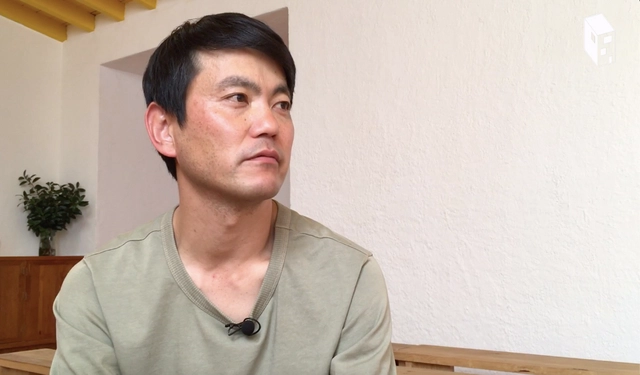
To mark the documentary's public premiere, we interviewed the team at SCOB to learn more about their work.

Pabellón Eco 2020 Competition Finalists

The results of the first stage of the Pabellón Eco 2020 have been announced, following the submission of 90 portfolios from different states across the country. The jury selected 5 portfolios that will present a pavilion proposal to be developed in the courtyard of the Museo Experimental El Eco. Read on for the full list:

Go Hasegawa: 'It is important to think about Luis Barragán's work from different cultures'

Subscriber Access | 

In June, Japanese architect Go Hasegawa attended the first Porto Academy 'Visiting Barragán' Workshop in Mexico City. Held annually at the Faculty of Architecture of the University of Porto—designed by 1992 Pritzker Prize laureate Álvaro Siza—this event is the result of a profound passion for architecture and a belief that practice, as the exercise of the profession, is fundamental to the future of the discipline.

Discover the history of one of Mexico City's most famous Porfirian venues: Proyecto Público Prim

Subscriber Access | 

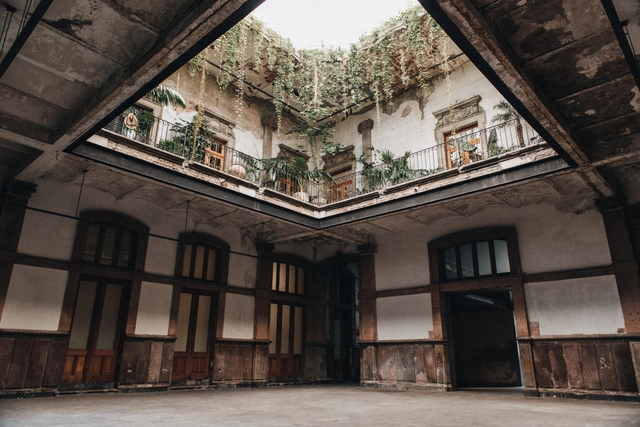
Discover the history of one of Mexico City's most famous Porfirian venues: Proyecto Público Prim - Imagen 1 de 4Discover the history of one of Mexico City's most famous Porfirian venues: Proyecto Público Prim - Imagen 2 de 4Discover the history of one of Mexico City's most famous Porfirian venues: Proyecto Público Prim - Imagen 3 de 4Discover the history of one of Mexico City's most famous Porfirian venues: Proyecto Público Prim - Imagen 4 de 4Discover the history of one of Mexico City's most famous Porfirian venues: Proyecto Público Prim - More Images+ 9

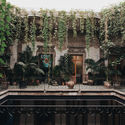
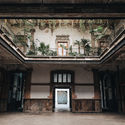
In 1900, Dr. José Ignacio Capetillo and his wife, María de la Luz Servín, purchased the land located at General Prim 32 from Archbishop Eulogio Gregorio Gillow. On this site, the Capetillo-Servín family began construction on an apartment building commissioned to architect Manuel Gorozpe, who designed it in the eclectic style characteristic of the period and completed construction in 1906. 

LANZA Atelier presents "Otro Reino," an exhibition in collaboration with AGO Projects and MT Objects

Subscriber Access | 

LANZA Atelier presents "Otro Reino," an exhibition in collaboration with AGO Projects and MT Objects - Imagem 1 de 4LANZA Atelier presents "Otro Reino," an exhibition in collaboration with AGO Projects and MT Objects - Imagem 2 de 4LANZA Atelier presents "Otro Reino," an exhibition in collaboration with AGO Projects and MT Objects - Imagem 3 de 4LANZA Atelier presents "Otro Reino," an exhibition in collaboration with AGO Projects and MT Objects - Imagem 4 de 4LANZA Atelier presents Otro Reino, an exhibition in collaboration with AGO Projects and MT Objects - More Images+ 5

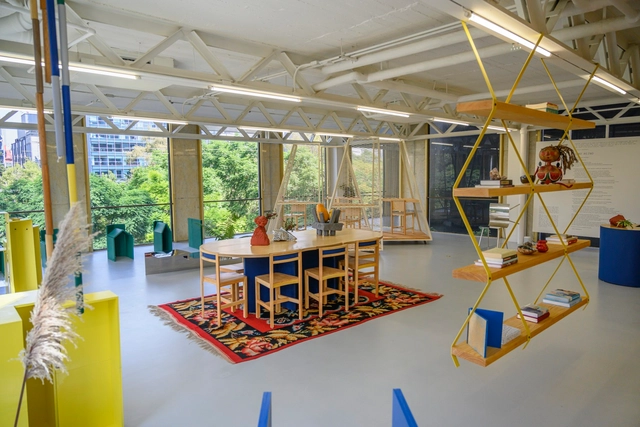
As part of the design program at AGO Projects—a multidisciplinary space focused on promoting design, photography, and architecture, based in New York, which opened its doors in Mexico City just a few weeks ago—the exhibition "Otro Reino" has opened. The showcase features previously unseen and well-known pieces by Isabel Abascal and Alessandro Arienzo's architecture studio, LANZA Atelier, and is complemented by "Neo-neo," a collection of ceramics based on urban concrete accidents by MT Objects.

The Winners of the 2019 Vivienda Rifa Competition: Reflecting on Contemporary Living from the University

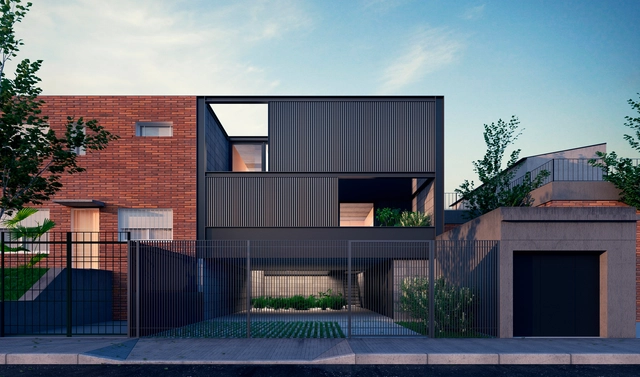
The Rifa Housing Competition is a historically celebrated event in Uruguay that gives new generations of architects from the Faculty of Architecture, Design, and Urbanism (FADU – UdelaR) the real opportunity to design and build a project. Every year, the Arquitectura Rifa travel groups organize this competition to reflect the state of the discipline, offering a perspective on contemporary living and how it is conceptualized within the school.
Stacken: The First Cohousing Model with Self-Management, Communal Work, and Feminism in Sweden

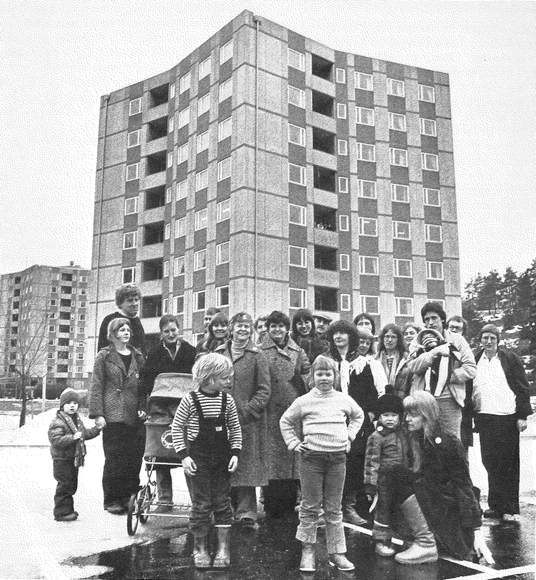
Architect Rodrigo Rieiro Díaz, writing for the Collective ARKRIT, explores the values of community living in Stacken, a cohousing project built in Sweden in 1979. The project became the country's first housing model based on self-management, community labor, and feminism, challenging established social relations and presenting collective living as an attempt to move beyond the standard family model.

Ariel Rojo Designs an Urban Toy for the Abierto Mexicano de Diseño 2019

Subscriber Access | 

Ariel Rojo Designs an Urban Toy for the Abierto Mexicano de Diseño 2019 - Image 1 of 4Ariel Rojo Designs an Urban Toy for the Abierto Mexicano de Diseño 2019 - Image 2 of 4Ariel Rojo Designs an Urban Toy for the Abierto Mexicano de Diseño 2019 - Image 3 of 4Ariel Rojo Designs an Urban Toy for the Abierto Mexicano de Diseño 2019 - Image 4 of 4Ariel Rojo Designs an Urban Toy for the Abierto Mexicano de Diseño 2019 - More Images+ 10

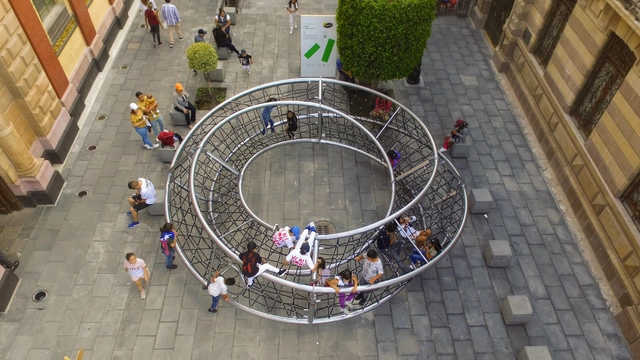
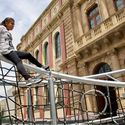
As part of the Abierto Mexicano de Diseño 2019 (AMD2019), Jumbo, an international company focused on the development of urban spaces and furniture, presented the play sculpture “Infinito,” designed by Ariel Rojo. The project stems from the desire to design a line of urban elements that stimulate a sense of adventure and play through a range of play sculptures. These address not only an aesthetic responsibility to users, the city, its parks, and playgrounds, but also introduce an original approach to how children play and learn.

This is what the first line of the Bogotá Metro will look like

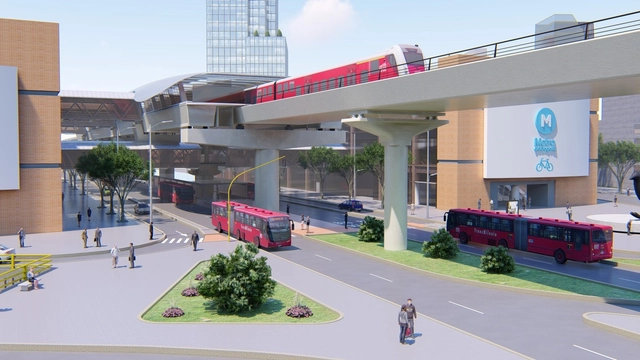
The First Line of the Bogotá Metro, set to begin development in the first half of 2020, will span 24 kilometers, stretching from the southwest to the northeast of the Colombian capital.

These are all the winners of the Mini Stadium and International Pavilion Competition - Expo 2023

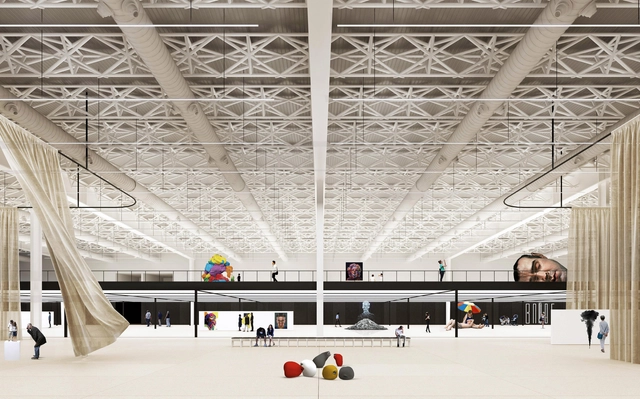
On August 28, the results of the International Ideas Competition for the design and renovation of the existing Mini-Stadium and International Pavilion at Tecnópolis were announced. Organized by the Central Society of Architects (SCA) and the Association of Architects of the Province of Buenos Aires (CAPBA), and sponsored by the Argentine Federation of Architect Entities (FADEA), this second of six international competitions launched in recent months for Expo 2023 addressed the intervention of the two buildings and their connecting foyer.

Discover Ivan Kurov's sculptures that explore the nature and transformation of space

Subscriber Access | 

Discover Ivan Kurov's sculptures that explore the nature and transformation of space - Image 1 of 4Discover Ivan Kurov's sculptures that explore the nature and transformation of space - Image 2 of 4Discover Ivan Kurov's sculptures that explore the nature and transformation of space - Image 3 of 4Discover Ivan Kurov's sculptures that explore the nature and transformation of space - Image 4 of 4Discover Ivan Kurov's sculptures that explore the nature and transformation of space - More Images+ 13

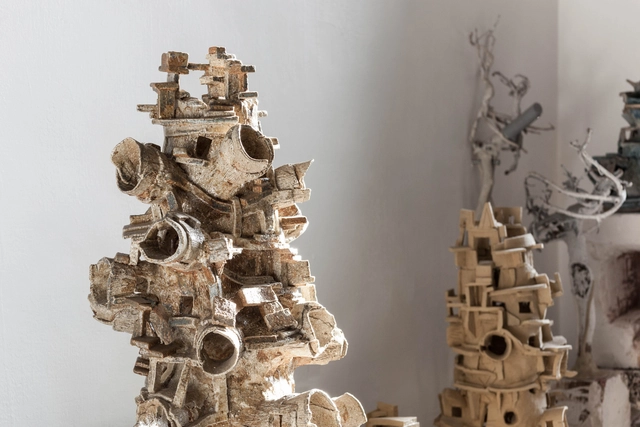
Through sculpture and drawing, Ivan Kurov (Mexico City, 1982) explores nature and transformation in their broadest definitions. While the former allows him to study the chemical properties of materials and the physics of objects, his paintings frame the confrontation between the organic landscape and the intervention of human architecture. For Kurov, art in its fullest sense is achieved outside of discursive intention, occurring when the hand works the material without the mediation of a concept. Consequently, his pieces emerge from the autonomy of processes and from matter in the freedom of its essence. The result is spontaneous and fluid, much like the artist's own conversation.

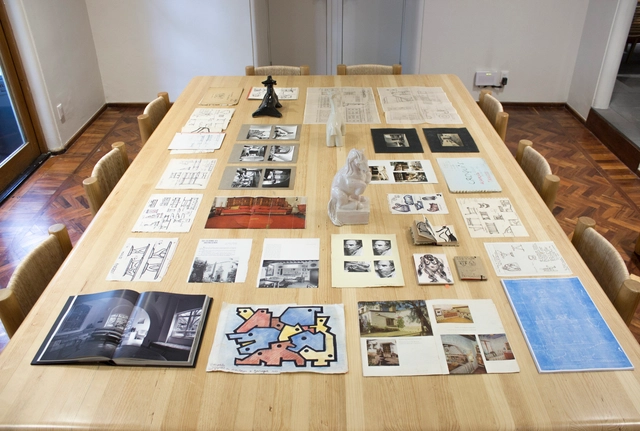
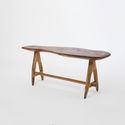
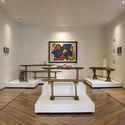
'Clásicos Mexicanos' presents the Manuel Parra archive, safeguarded by Dellekamp / Schleich

'Clásicos Mexicanos' presents the Manuel Parra archive, safeguarded by Dellekamp / Schleich - Imagem 1 de 4'Clásicos Mexicanos' presents the Manuel Parra archive, safeguarded by Dellekamp / Schleich - Imagem 2 de 4'Clásicos Mexicanos' presents the Manuel Parra archive, safeguarded by Dellekamp / Schleich - Imagem 3 de 4'Clásicos Mexicanos' presents the Manuel Parra archive, safeguarded by Dellekamp / Schleich - Imagem 4 de 4'Clásicos Mexicanos' presents the Manuel Parra archive, safeguarded by Dellekamp / Schleich - More Images+ 7

Born out of an initiative to provide a space dedicated to studying Mexican design, 'Clásicos Mexicanos' is a Mexico City-based gallery run by art historian Aldo Solano Rojas—a specialist in modern Mexican furniture, curator of the exhibitions, and head of historical research—and Mónica Landa, a communications professional interested in promoting Mexican culture who carefully directs the gallery.

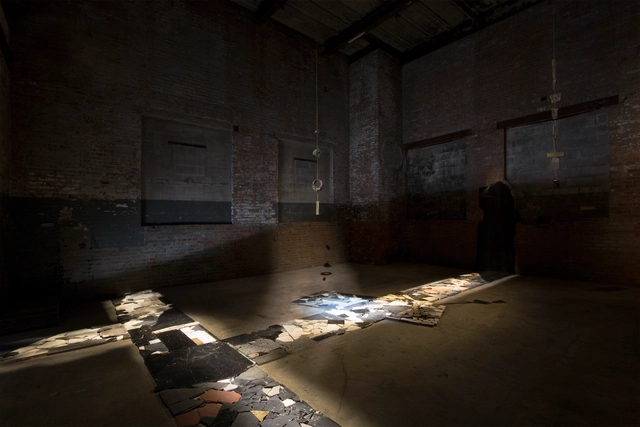
Mexican artist presents an installation on Mexican territory and New York's urbanity

Mexican artist presents an installation on Mexican territory and New York's urbanity - Imagen 1 de 4Mexican artist presents an installation on Mexican territory and New York's urbanity - Imagen 2 de 4Mexican artist presents an installation on Mexican territory and New York's urbanity - Featured ImageMexican artist presents an installation on Mexican territory and New York's urbanity - Imagen 3 de 4Mexican artist presents an installation on Mexican territory and New York's urbanity - More Images+ 3

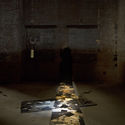
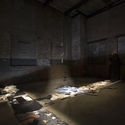
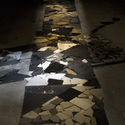
As part of a new exhibition, the Brooklyn-based gallery The Chimney, located at 200 Morgan Avenue in Brooklyn, New York, is pleased to present "Small landscapes from near and far" by Mexican artist Perla Krauze. For her first exhibition at The Chimney, Krauze has documented two geographies: Mexican land and the urban terrain of New York. In both locations, the artist gathered, altered, and reproduced fragments of the earth, recording the effects of time on local street surfaces. Intertwined in a complex dialogue, these two combined sites represent a personal topography and an emotional map that questions the notion of territorial belonging.

10 Projects Designed on Hillsides, Slopes, and Mountainous Areas in Colombia

Subscriber Access | 

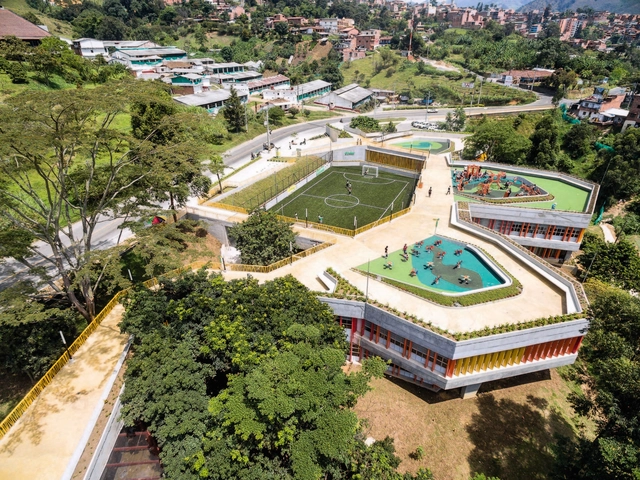
Colombia's topography features both plains and mountainous areas. Despite the challenges this poses for urban development, the country's major cities—from its capital, Bogotá, to Medellín and Cali—have been founded upon it. While this topography has posed significant challenges for construction and mobility, it has also paved the way for innovation, inspiring architectural projects that seamlessly integrate with the mountainous terrain, adapt to their specific altitude, and reflect regional culture.

The Architecture of Prada Poole: "Why is it this way and not otherwise?"

Subscriber Access | 

Many pioneers are ill-timed, arriving too early. José Miguel de Prada Poole [1938-present] is no exception, occupying his place in history as one of the most unique, unconventional, and highly individualistic architects of the 20th century in Spain. A pioneer of pneumatic architecture, his approach was undoubtedly shaped by the pop trends of the era, represented by figures like Archigram, Archizoom, or Team 10. He was always peculiarly interested in the avant-garde's “mobile and deployable work,” specifically exemplified by structures capable of providing variable responses to changing uses. Ultimately, he can be considered one of the first architects to introduce concepts like "sustainability" into a purely architectural context: all of his works minimized energy consumption or were capable of generating microclimates on their own. 

Neri&Hu Address China's Social Issues at Stockholm Design Week with This Exhibition

Neri&Hu Address China's Social Issues at Stockholm Design Week with This Exhibition - Featured Image
© Israel Paredes

Neri&Hu Address China's Social Issues at Stockholm Design Week with This Exhibition - Imagen 1 de 4Neri&Hu Address China's Social Issues at Stockholm Design Week with This Exhibition - Imagen 2 de 4Neri&Hu Address China's Social Issues at Stockholm Design Week with This Exhibition - Imagen 3 de 4Neri&Hu Address China's Social Issues at Stockholm Design Week with This Exhibition - Imagen 4 de 4Neri&Hu Address China's Social Issues at Stockholm Design Week with This Exhibition - More Images+ 23

As part of the activities for Design Week, which took place from February 4 to 10 in Stockholm, architects Lyndon Neri and Rossana Hu were the guests of honor at this edition of Scandinavia's most important design fair. Neri&Hu Design and Research Office created an exhibition addressing and highlighting social issues unique to China. The Unfolding Village is the name of the installation representing the traditional Chinese village, which is disappearing at an alarming rate. The installation utilizes six kilometers of sawn pine timber and 150 square meters of laminated pine boards. The timber, stained black, is sourced from Swedish forests.

Mexican studio AIDIA STUDIO wins competition to design the Museum of Modern Arab Art in Sharjah, UAE

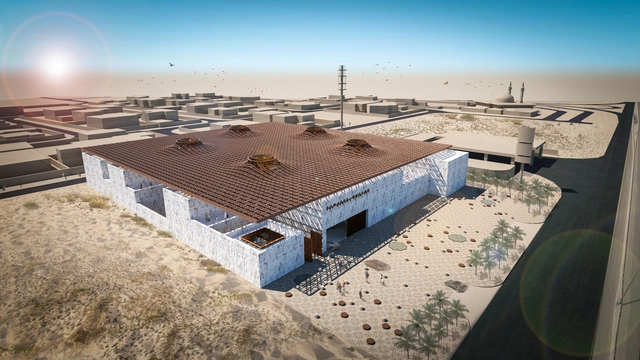
Mexican studio AIDIA STUDIO wins competition to design the Museum of Modern Arab Art in Sharjah, UAE - Image 1 of 4Mexican studio AIDIA STUDIO wins competition to design the Museum of Modern Arab Art in Sharjah, UAE - Image 2 of 4Mexican studio AIDIA STUDIO wins competition to design the Museum of Modern Arab Art in Sharjah, UAE - Image 3 of 4Mexican studio AIDIA STUDIO wins competition to design the Museum of Modern Arab Art in Sharjah, UAE - Image 4 of 4Mexican studio AIDIA STUDIO wins competition to design the Museum of Modern Arab Art in Sharjah, UAE - More Images+ 5

As part of its annual awards program, Tamayouz Excellence Award announced the winners of the Rifat Chadirji Prize, organized in partnership with the Barjeel Art Foundation for its 2019 cycle. This year, the award sought proposals for a modern Arab art museum in Sharjah, UAE, to house Barjeel's extensive collection of art from across the Middle East.

Discover the winning projects of the Cultural Spaces competition in Villa Carlos Paz, Argentina

Subscriber Access | 

On December 4, the opening of the Provincial Preliminary Design Competition for Cultural Spaces in Villa Carlos Paz took place. 

The format involved intervening in three emblematic urban spaces under a single competition, but with individual prizes awarded for each site. The goal was for participants to achieve aesthetic and architectural proposals that would transform each space into a city landmark.

These are the three winning projects:

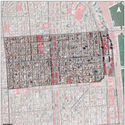
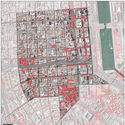
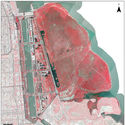
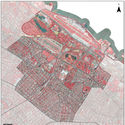
How is vegetation distributed in the city of Buenos Aires?

How is vegetation distributed in the city of Buenos Aires? - 1 的图像 4How is vegetation distributed in the city of Buenos Aires? - 2 的图像 4How is vegetation distributed in the city of Buenos Aires? - 3 的图像 4How is vegetation distributed in the city of Buenos Aires? - 4 的图像 4How is vegetation distributed in the city of Buenos Aires? - More Images+ 10

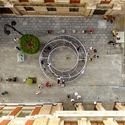
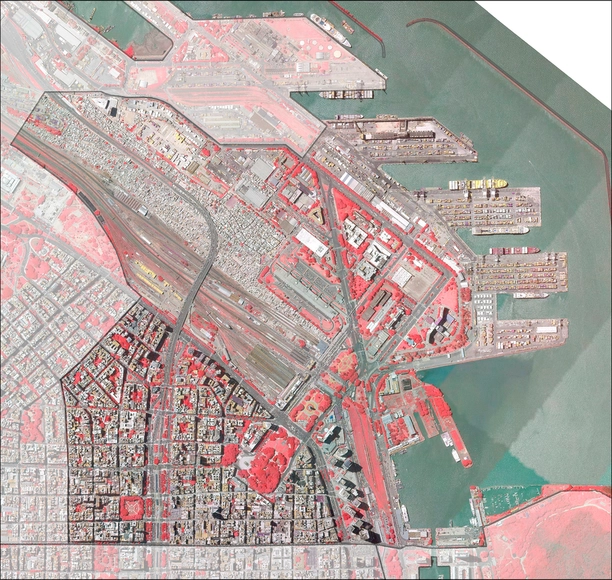
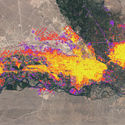
Based on the photogrammetric analysis of the City of Buenos Aires, the General Directorate of Data, Statistics, and Urban Projection produced a "Vegetation Cover Report." This document offers a detailed survey of the city's entire vegetation surface, classified by neighborhood, using zenithal aerial imagery. An infrared sensor was used to capture images that highlight any type of vegetation in red—whether on absorbent or non-absorbent ground—with 100% accuracy.

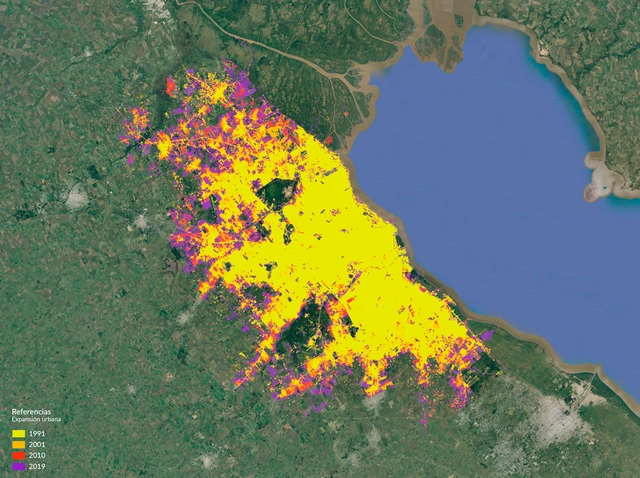
How have Argentina's cities grown over the last 30 years?

How have Argentina's cities grown over the last 30 years? - Image 1 of 4How have Argentina's cities grown over the last 30 years? - Image 2 of 4How have Argentina's cities grown over the last 30 years? - Image 3 of 4How have Argentina's cities grown over the last 30 years? - Image 4 of 4How have Argentina's cities grown over the last 30 years? - More Images+ 17

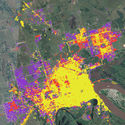
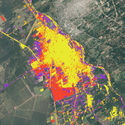
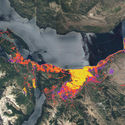
The Federal Urban Observatory (OFU) of the Ministry of the Interior, Public Works, and Housing of Argentina surveyed and mapped urban data for 16 cities across the country, which are home to 50% of Argentina's total population. Based on data collected over 28 years—between 1991 and 2019—this series of maps and graphs illustrates how each city's urban footprint expanded over time. Overall trends show a sharp increase in urbanized land area (77%) compared to moderate population growth (35%), resulting in a general 23% decline in population density. In other words, city growth has predominantly followed a pattern where land expansion far outpaces population growth.

21 university teams envision interventions in historic residential blocks in Santiago

Subscriber Access | 

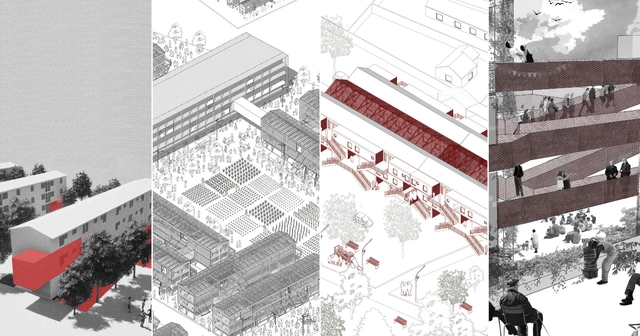
As part of Semana UTEM 2019—"The Project Within the Project"—21 teams from the Faculty of Architecture at the Metropolitan Technological University of Chile (UTEM) participated in the Domestic Pre-Existences workshop. The students proposed interventions for the historic "C Blocks" in Santiago's pericenter—residential complexes designed by the state Housing and Urban Development Service (SERVIU) between 1986 and 1996.

Discover the winning project of the Portales de los Lagos competition in San Luis, Argentina

Subscriber Access | 

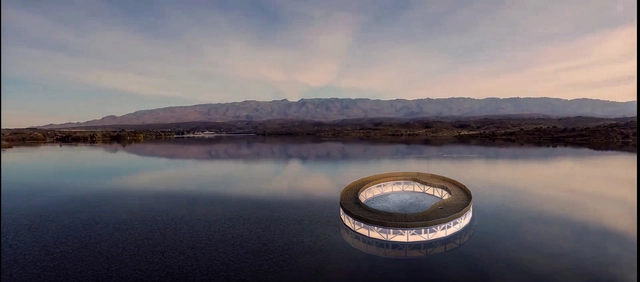
In December of last year, the provincial government of San Luis, Argentina, alongside San Luis Agua, launched the Portales de los Lagos Provincial Ideas Competition. The objective was to design an icon to identify and showcase a key local natural resource: water. Read on to discover the first-prize-winning project in the words of its authors:

CEMEX Announces Architect Juan Benavides as the Winner of the Arq. Marcelo Zambrano Scholarship

As part of the annual CEMEX Awards, the recipient of the Arq. Marcelo Zambrano Scholarship has been announced, reaffirming the commitment to supporting the development of architecture in Mexico. CEMEX awards the Arq. Marcelo Zambrano Scholarship in honor of the exemplary professional dedication and leadership of architect Marcelo Zambrano, aiming to support young Mexicans in pursuing postgraduate studies at prestigious international universities.

Reading Architecture: The Importance of Books in the Design Process

The book is simply another design tool—indispensable to many, but of limited use to others. When I speak of books, I am not referring to the common association with literature (novels, poetry, fiction, …), which are also useful within the abstract and diffuse design process. Enric Miralles, for instance, used to turn to verses by Lorca or the creative world of Queneau to anchor those early design intuitions. Yet I am not referring to this kind of reading, which is equally recommended, but rather to what is specific to our profession—to our unique and sharp gaze. Architects look for inspiration in books, but it is only when they reflect their thoughts on paper that they reveal their true, intangible nature. 

Architects are fortunate to have access to a wide variety of print subgenres. These range from deep written reflections on the discipline to illustrative volumes of architectural images, construction details, plans, and drawings. We are shaped by what we see; that is undeniable. Consequently, this entire wealth of knowledge stays with us throughout the design process, surfacing unpredictably as we address the challenges that arise. Simply turning to a book can open doors along this design path, just as it can close others. We navigate by intuition, but we are always guided by parameters established from the very beginning. Looking for external references in books and magazines is a difficult exercise at first, as the siren song of countless sources can lead us astray. Knowing how to choose these references and initial guidelines will outline a clear, feasible path where the design becomes more manageable, accessible, and adaptable to future changes. 

You've started following your first account!

Did you know?

You'll now receive updates based on what you follow! Personalize your stream and start following your favorite authors, offices and users.