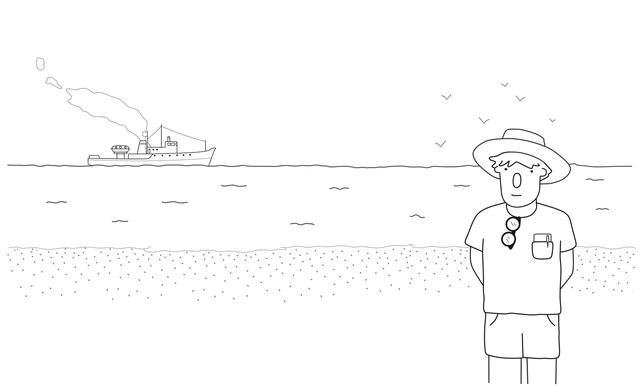
It is time to close AutoCAD and Revit, turn off the computer, and put away the ultimate architect's uniform: black clothing. Summer is here, and with it, vacation season. Whether for a few weeks or just a couple of days, here are some activities to clear your mind without leaving the discipline behind.
Originally published in ArquitecturaAhora, architect Ana Sugranyes explores the origin and evolution of the concept of the right to the city, from 1960s Paris to its global expansion.
In the name of social integration or sustainability, the United Nations New Urban Agenda (2016) also incorporated a reference to the right to the city. “Words, then, are of no use: they are just words,” says Alberti. Meanwhile, Chile maintains its high level of income inequality, which has a direct, correlative effect on the deep socio-spatial segregation of its territories and cities; this, in turn, corresponds to worrying levels of social, cultural, and structural violence.
It is inspiring to learn about new architectural practices innovating with natural materials. Chilean architect Domingo Arancibia is the founder of NORMAL, an architecture office characterized by conducting interdisciplinary regional studies that allow them to experiment with local materials and apply them to construction systems.
Based in Chile, a country with more than 6,400 kilometers of Pacific coastline, the studio has spent over two years researching the properties of cochayuyo—a unique seaweed found along the country's coast—and exploring how it can be used in architectural projects.
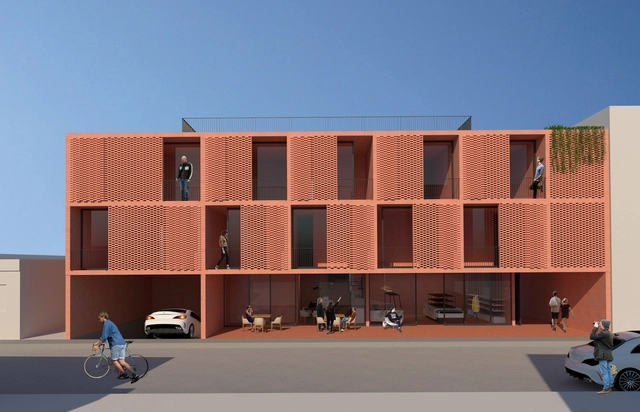
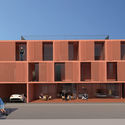
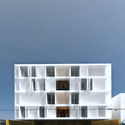
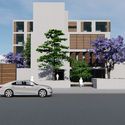
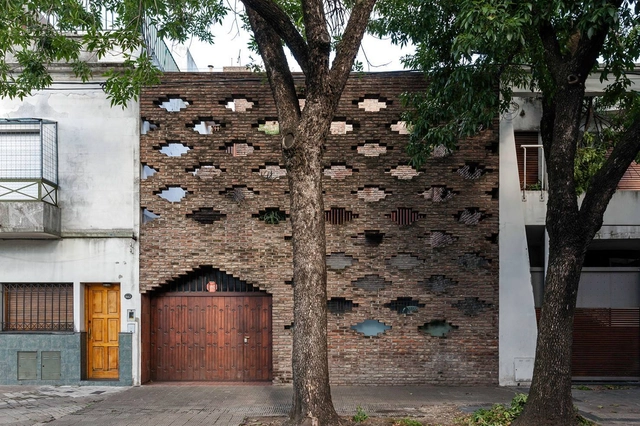
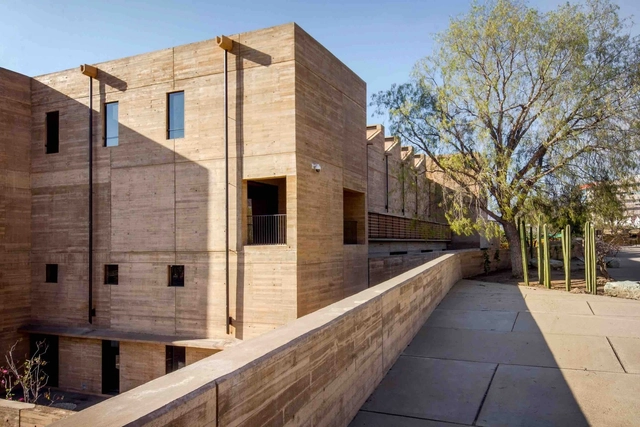
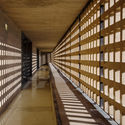
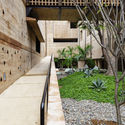
The Mexican architecture firm Comunal Taller de Arquitectura has been announced as the winner of the 2019 AR Emerging Architecture awards, alongside two highly commended practices—Estudio MMX and Estúdio Gustavo Utrabo—and the joint winners of the Peter Davey Prize, TAKA Architects and Clancy Moore Architects.
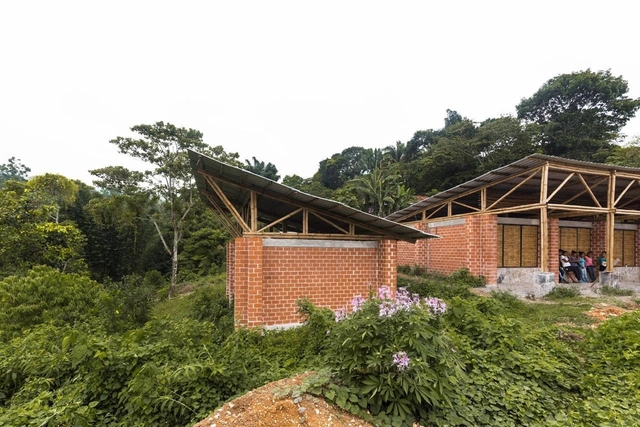
First image Alejandro Rogelis Arquitectura, second image Arquitectura en Estudio, and third image Pacheco Estudio de Arquitectura
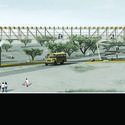
In Bogotá, the mayor's office has launched an initiative to build seven public Happiness Centers (CEFE), where residents of each sector of the city will have access to cultural spaces, Olympic and recreational pools, gyms, and leisure areas. The competitions have been managed through the Colombian Association of Architects (SCA). The CEFE Chapinero—named after the locality where it will be built—will be located in the El Retiro neighborhood.
Do you have ideas on how to improve existing social housing to transform environmental conditions? That was the question posed by Proyectar a Conciencia 2.0, a competition open to students and faculty throughout Chile, aiming to intervene in the Family Heritage Protection Program (PPPF) of the Chilean Ministry of Housing and Urbanism (MINVU).
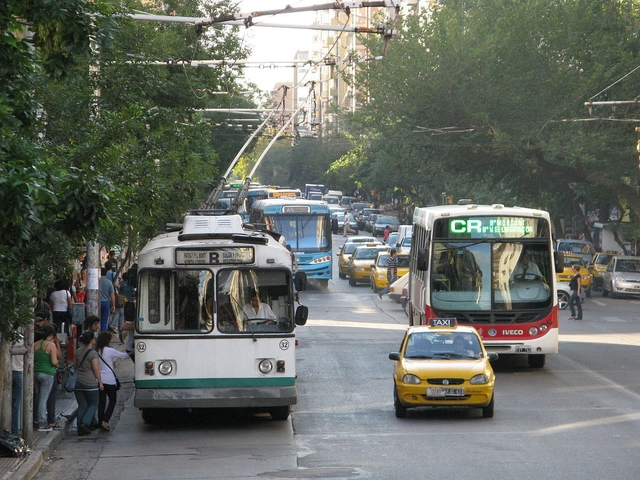
via Wikipedia user: Poiche Licensed under CC BY 2.0
Since the mid-twentieth century, Latin American cities have undergone metropolization processes in which transportation has been heavily impacted by the exponential growth of private vehicle use. This is driven by rapid, unregulated urban sprawl that causes cities to spread extensively across the territory. This physical expansion is compounded by deficient public transit management and weak domestic socioeconomic conditions, both of which severely constrain the development of transportation systems.
Córdoba, Argentina's most populous city after Buenos Aires, is a prime example of this paradigm, featuring one of the largest urban footprints in the world at 576 square kilometers (excluding its metropolitan area). Its physical structure is radiocentric, with transport corridors converging in the city center, creating a dense core where services are concentrated and an ever-expanding periphery.
In light of the social crisis Chile is currently experiencing, ArchDaily speaks with urban and regional planning specialists to understand its impact on our cities. On this occasion, we speak with Isabel Serra, an architect graduated from the Pontificia Universidad Católica de Chile, specialized in public policy, a member of the City and Territory Laboratory (Laboratorio de Ciudad y Territorio) at Universidad Diego Portales, and an academic at the same institution.
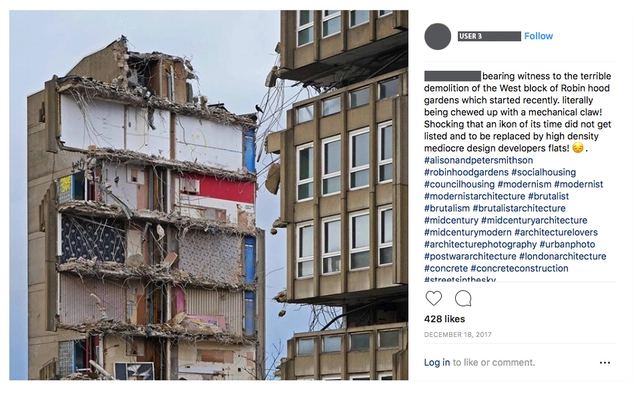
In this article, Beatriz Coeffé Boitano presents a portion of her Master’s thesis in Arts and Cultural Management at King’s College London, titled “Brutalism Revival: media as active spaces of urban memory.” The piece reflects on the documentation and construction of a collective discourse around urban memory through social media platforms, focusing on the demolition of the brutalist Robin Hood Gardens complex by Alison and Peter Smithson.
Casa Alorda. Photograph: Walter Salcedo. Image via XI BIAU
At each Ibero-American Biennial of Architecture and Urbanism, the Ibero-American Prize for Architecture and Urbanism is awarded: a recognition for those who have worked to promote and defend the values of the discipline in the region.
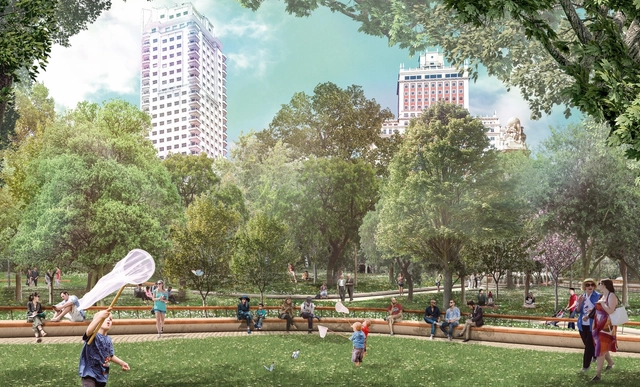
Welcome Mother Nature, diseño ganador para la reforma de la Plaza de España. Image Cortesía de Porras La Casta Arquitectos
In February of this year, construction will begin on the renovation of Plaza de España in Madrid. The project is a collaborative effort by design firms Guadiana and Porras La Casta Arquitectos, led by architects Lorenzo Fernández-Ordóñez and Fernando Porras-Isla.
The project, known as Welcome Mother Nature, seeks to create a large green area in the city center, recovering its long-lost identity as a "plaza," which had been reduced to a transit space. The proposal emphasizes the definition of a plaza as a "social place of expression, gathering, and freedom." The project's main priority is to create a space where "it is easy to build shared civic experiences," while creating a new lung for a city that constantly lives under a cloud of pollution and smog.
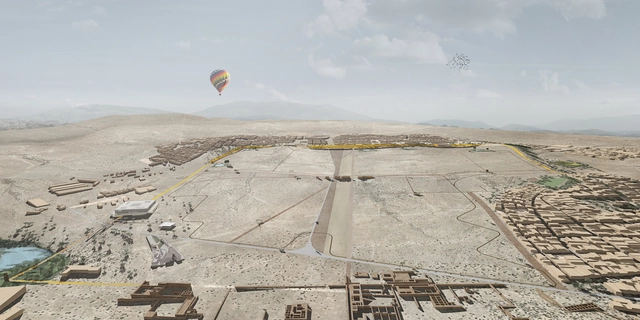
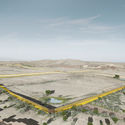
As part of the celebrations for the Bicentennial of Peru's Independence, the Ministry of Culture, the Municipality of Lima, and Grupo Centenario announced an international architecture and landscaping competition to design a metropolitan park along the perimeter of the Pachacamac Sanctuary in the Lurín district of Lima. The competition sought to encourage reflection on Lima's relationship with its historical and landscape heritage, as the Sanctuary houses some of the most important structures of the national archaeological heritage, spanning more than fifteen centuries of human occupation.
via Gobierno de la Ciudad Autónoma de Buenos Aires under CC BY 2.5 AR license
With the launch of the new Urban and Building Code, approved by the Buenos Aires City Legislature in late 2018, the city of Buenos Aires has begun to reconfigure how information is accessed in the urban and architectural fields. In line with this approach, Plano Abierto BA serves as a tool that allows any resident to access online data regarding development capacity, permitted uses, building heritage listings, maximum heights, construction records and inspections, and the current status of each individual plot in the city (including cadastral data, built area, and number of floors). This provides indicative urban planning information to facilitate the understanding of the New Urban Code of Buenos Aires.
Today, when it comes to urban planning, the design and pursuit of inclusive cities is generally promoted. That is, fostering collective environments where all sectors of society can thrive.
How much easier would this task be if spaces were created where different segments of society could express their needs regarding how they live?
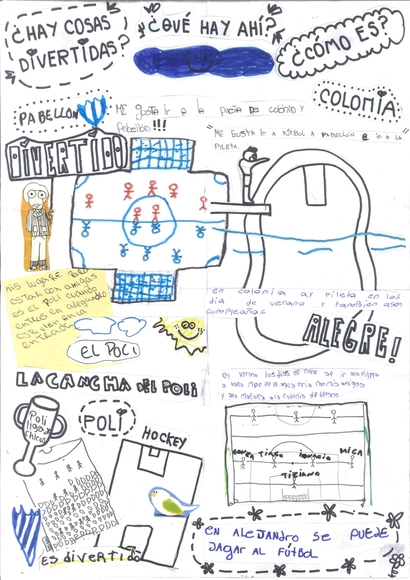
“Leo Leo! Que Ves? La ciudad contada por los niños y las niñas” is a project that originated in the city of Córdoba in 2017, within the framework of the artistic and cultural activities program of the Undersecretariat of Culture at the National University of Córdoba. It continues to develop activities such as “Ciudad niñez-ca,” led by Paola Antonietti and workshop facilitators Camila García Reyna, María Paz Pérez Roque, Rocío Maldonado, Gabriela Soto, and Matias Zanetti, alongside FAUD's Urbanism 1A department and the City and Territory Studies Workshop.
We explore this project through the words of its creators.
Casa Central. Image Cortesía de Universidad Austral de Chile
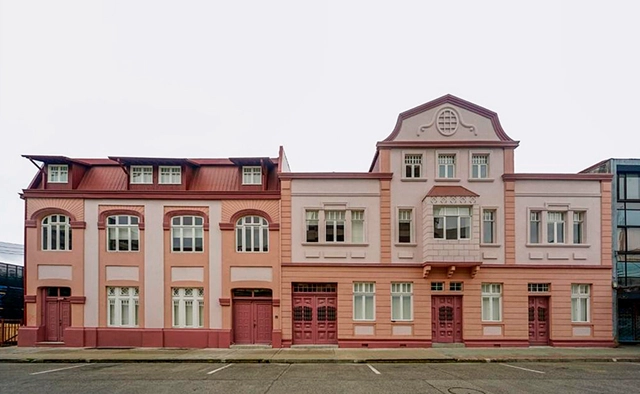
To date, the Universidad Austral de Chile (UACh) has restored more than a dozen historic houses in Valdivia, and is expected to continue this work in the coming years. Located in two main areas of the city—Isla Teja and the corridor known as the Yungay-General Lagos Axis—the university is committed to repurposing these existing structures, transforming them from family residences into public-use university spaces.
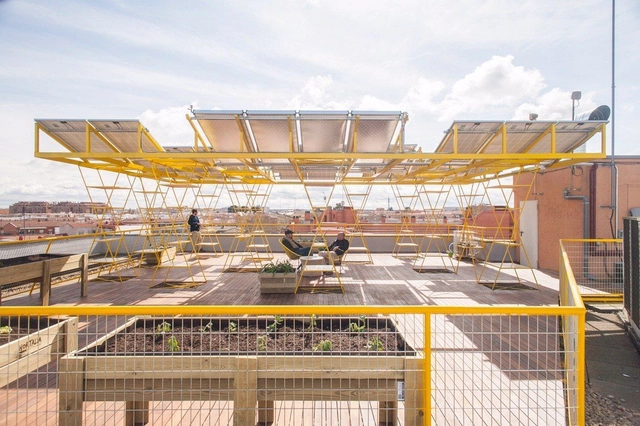
Mares is an urban transformation and social economy project developed by estudio SIC,VIC (Vivero de iniciativas ciudadanas) and TXP (Todo por praxis) in Madrid, Spain. The project reclaims four former buildings across four different districts of the city, converting them into innovation hubs. Each hub is linked to key urban challenges: Mobility, Food, Recycling, Energy, and Care.
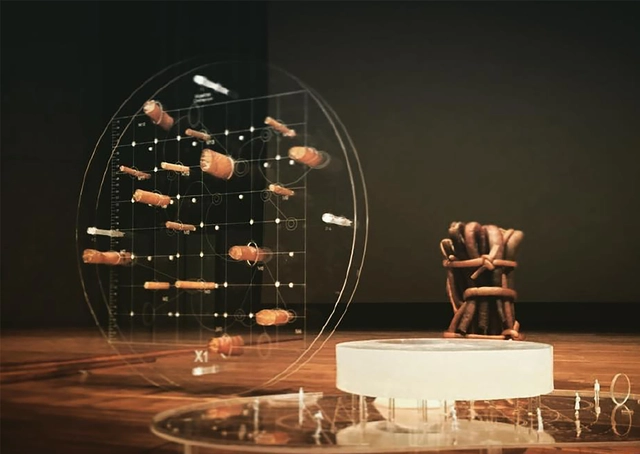
On Friday, May 7, the winning proposal of the second "Imagining Machines" (Máquinas Imaginantes) open call was announced. The initiative invited architects, researchers, and writers to reflect on "machines" of the past and present operating within architecture as tools for social analysis and production. The open call accepted both real and speculative projects, incorporating installations, historical documents, archival material, performance formats, and publications that engaged with the creation of imagining machines.
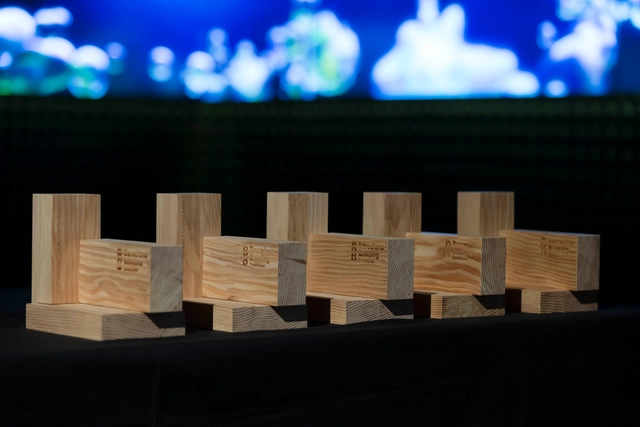
On Wednesday, May 15, the winners of the BBConstrumat 2019 Awards, curated by the Fundació Mies van der Rohe Barcelona, were announced at the Roca Gallery Barcelona.
Santa Lucía Esplanade aims to connect Vicuña Mackenna Square with the adjacent, renowned public hill of Santiago, Chile. The goal is to improve the urban space and connectivity of this historic monument and tourist attraction within the district.
The project is funded by the Regional Government, and the corresponding works have been authorized by the National Monuments Council and the Municipal Works Directorate. Learn more about the project in detail below.
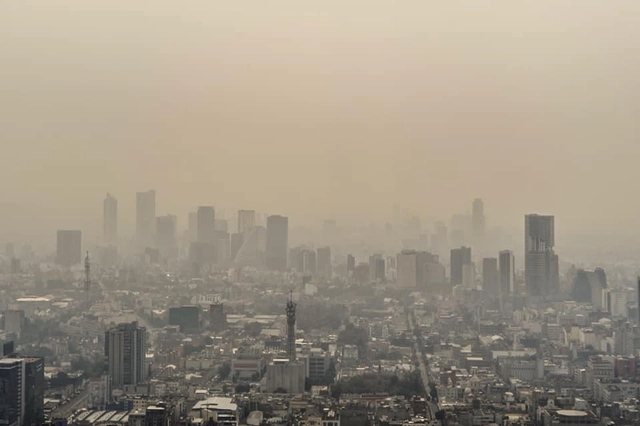
In recent days, Mexico City has experienced pollution levels reaching 150 points on the Air Quality Index in various areas, such as Nezahualcóyotl in the State of Mexico. On May 13 of this year, Mexico City Mayor Claudia Sheinbaum reported that while hazy conditions and low visibility prevailed in the nation's capital, an environmental contingency had not yet been declared.
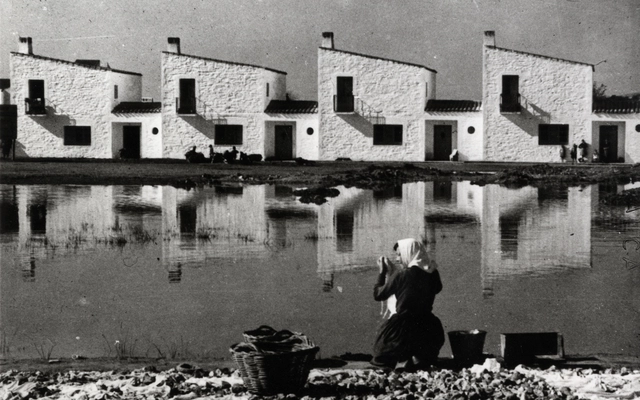
José Luis Fernández del Amo (1914–1995) belongs to the landscape of postwar Spanish architecture, with projects and works that stood apart from the academic aura. His works circulated like clandestine messages that opened up new paths, hinted at truths, supported collective wills, and vanished into a crowd driven by diverse interests. Like many of his generation, he had to begin his professional career trapped between the conflicts of disillusionment and a spiritual shift in his outlook on life—a disillusionment born from the searing cruelty of a civil war that provoked, in those who endured it, an internal shift in response to the drama unleashed by such conflicts.













.jpg?1560267104&format=webp&width=640&height=580)
.jpg?1566501205&format=webp&width=640&height=580)