This reportage was originally published in issue 207 of Revista El Malpensante (Colombia), with Spanish translation by Andrés Hoyos.
Once subjugated by illegal armed groups and devastated by the largest urban military operation in Colombia's history, the Las Independencias neighborhood, located in Medellín's Comuna 13, is today an open-air graffiti gallery. Access and transit through the area are facilitated by an outdoor escalator system—the only one of its kind in the world installed in an informal settlement.
The XI Ibero-American Biennial of Architecture and Urbanism (XI BIAU) concluded last Friday, October 11, in Asunción, featuring lectures by Jorge Scrimaglio, one of the two winners of the 2019 Ibero-American Architecture Prize, and a closing lecture by Solano Benítez and Gloria Cabral, co-founders of Gabinete de Arquitectura.
https://www.archdaily.com/1120272/xi-biau-highlights-the-contrasts-and-contradictions-of-ibero-america-in-photography-contestArchDaily Team
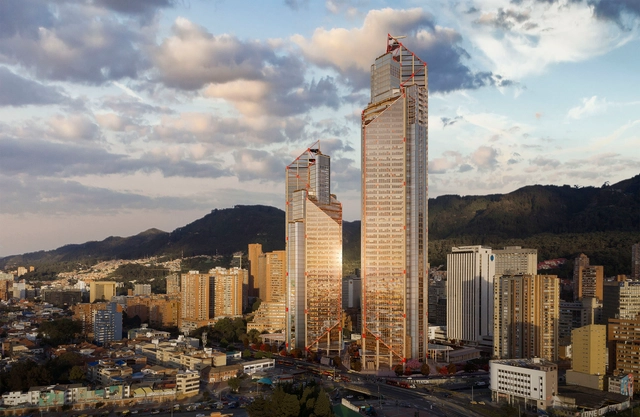
Over the next five years, Bogota will inaugurate a series of public and private projects across the city, from skyscrapers to Felicidad Centers, highlighting those resulting from public architectural design competitions, legally managed by the Colombian Society of Architects. Below, explore the main projects set to open:
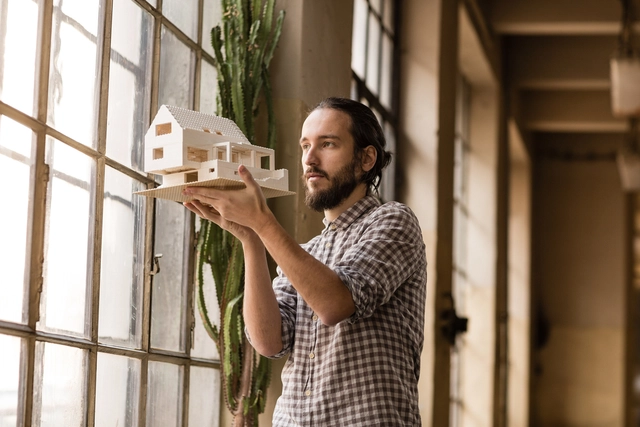
During Chilean architect Felipe Assadi's course at the 2019 Summer Workshop of the Faculty of Architecture of the IUAV University of Venice, students reflected on the idea of a floating city and its inhabitants, resulting in floating architecture for a fluctuating population. To this end, the architecture students built a wooden floating pavilion as a scale prototype of a micro-dwelling, which forms part of a geometric system for expanding the city over water.
Read about the project in detail below, in the words of its designers.
In light of the social crisis Chile is currently experiencing, ArchDaily speaks with urban and regional planning specialists to understand its impact on our cities. On this occasion, we speak with Isabel Serra, an architect graduated from the Pontificia Universidad Católica de Chile, specialized in public policy, a member of the City and Territory Laboratory (Laboratorio de Ciudad y Territorio) at Universidad Diego Portales, and an academic at the same institution.
For its 66th edition, the Progressive Architecture (P/A) Awards recognize unbuilt projects that demonstrate overall design excellence and innovation. The evaluations took place in December 2018, and the winners will be honored at a ceremony in New York in February 2019.
Global South, resilience, buildtech, and new materials: as 2019 comes to a close, we look back on a year rich in research and reflection, approaching architecture from different perspectives to support the millions of readers worldwide who visit ArchDaily every day.
Aiming to offer inspiration, knowledge, and tools, we have published hundreds of articles on topics as diverse as your views on the built environment. With this in mind, read on for our selection of the year. Goodbye 2019, hello 2020!
"The Metropolitan Rural Landscape" is a compendium that presents diverse, intentional perspectives on metropolitan rural territory. These viewpoints aim to highlight and open a discussion on the challenges and potential of these spaces. Below are some excerpts from the project:
The Mexican architecture firm Comunal Taller de Arquitectura has been announced as the winner of the 2019 AR Emerging Architecture awards, alongside two highly commended practices—Estudio MMX and Estúdio Gustavo Utrabo—and the joint winners of the Peter Davey Prize, TAKA Architects and Clancy Moore Architects.
First image Alejandro Rogelis Arquitectura, second image Arquitectura en Estudio, and third image Pacheco Estudio de Arquitectura
In Bogotá, the mayor's office has launched an initiative to build seven public Happiness Centers (CEFE), where residents of each sector of the city will have access to cultural spaces, Olympic and recreational pools, gyms, and leisure areas. The competitions have been managed through the Colombian Association of Architects (SCA). The CEFE Chapinero—named after the locality where it will be built—will be located in the El Retiro neighborhood.
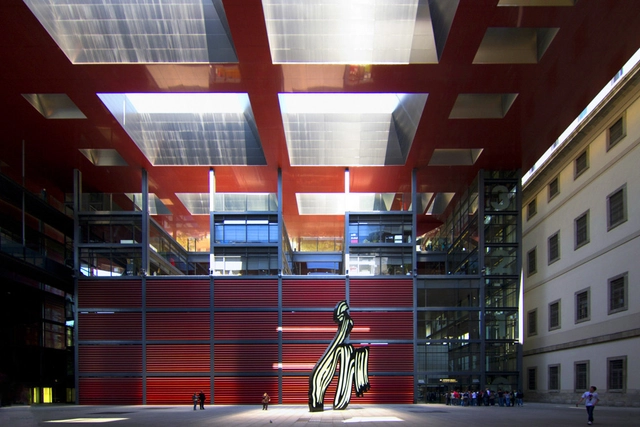
The family of José Antonio Coderch [1913-1984] has handed over the Catalan architect's significant archive to the Reina Sofía Museum in Madrid. With this acquisition, the renowned Madrid museum seeks to follow the path forged by other contemporary art institutions, such as the MoMA in New York or the Pompidou in Paris. Because these institutions already feature dedicated architecture departments, the Reina Sofía aims to expand its own holdings, incorporating both architectural movements and the individual professionals who shaped the art of building. This initiative has been promoted for several years under the leadership of the museum's director, Manuel Borja-Villel.
The archive, which was stored in a utility room at the home of one of Coderch's children, consists of 9,800 documents organized across 875 folders and dating from 1941 to 1978. It includes plans and sketches of his architectural projects; designs, photographs, and negatives of his works, alongside family photos; professional correspondence; invoices and receipts for each project; as well as magazines, books, publications, and scale models; portraits of the architect, several of his numerous awards, and personal belongings.
The winners of the Richard H. Driehaus Building Arts Awards, presented annually to four master craftspeople in various traditional building trades in Spain, have been announced.
At the opening of the XXI Chilean Biennial of Architecture and Urbanism, Spanish architect Andrés Jaque, founder of Office for Political Innovation (OFFPOLINN), delivered a keynote lecture presenting three paradigmatic works from his career that reflect his vision of architecture and its place in society.
https://www.archdaily.com/1120256/andres-jaque-the-most-radical-form-of-politics-now-is-to-make-more-things-possibleArchDaily Team
Do you have ideas on how to improve existing social housing to transform environmental conditions? That was the question posed by Proyectar a Conciencia 2.0, a competition open to students and faculty throughout Chile, aiming to intervene in the Family Heritage Protection Program (PPPF) of the Chilean Ministry of Housing and Urbanism (MINVU).
via Wikipedia user: Poiche Licensed under CC BY 2.0
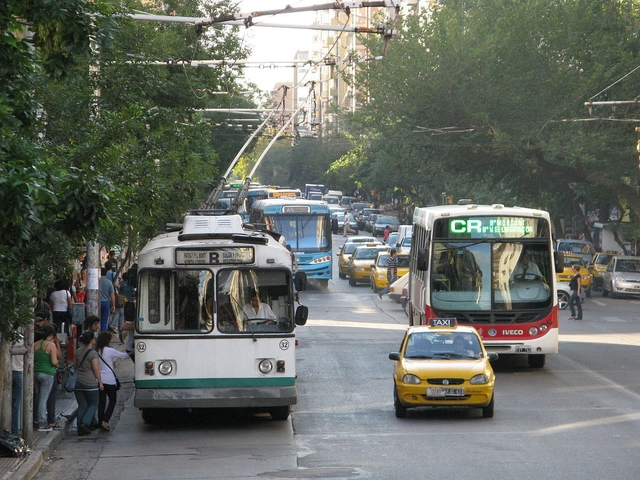
Since the mid-twentieth century, Latin American cities have undergone metropolization processes in which transportation has been heavily impacted by the exponential growth of private vehicle use. This is driven by rapid, unregulated urban sprawl that causes cities to spread extensively across the territory. This physical expansion is compounded by deficient public transit management and weak domestic socioeconomic conditions, both of which severely constrain the development of transportation systems.
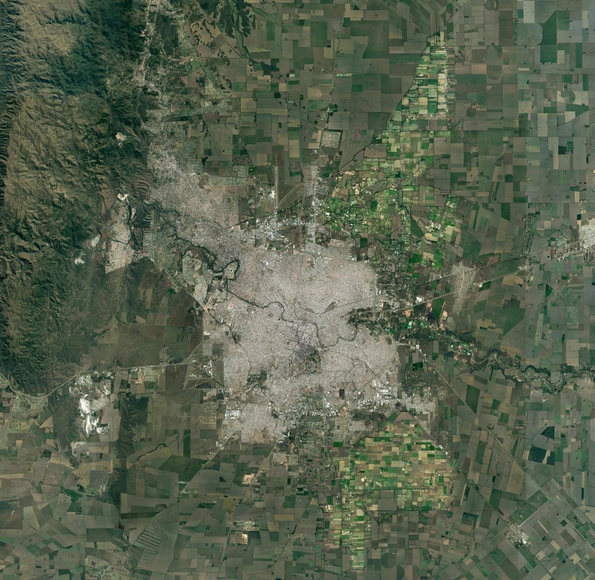
Córdoba, Argentina's most populous city after Buenos Aires, is a prime example of this paradigm, featuring one of the largest urban footprints in the world at 576 square kilometers (excluding its metropolitan area). Its physical structure is radiocentric, with transport corridors converging in the city center, creating a dense core where services are concentrated and an ever-expanding periphery.
via Gobierno de la Ciudad Autónoma de Buenos Aires under CC BY 2.5 AR license
With the launch of the new Urban and Building Code, approved by the Buenos Aires City Legislature in late 2018, the city of Buenos Aires has begun to reconfigure how information is accessed in the urban and architectural fields. In line with this approach, Plano Abierto BA serves as a tool that allows any resident to access online data regarding development capacity, permitted uses, building heritage listings, maximum heights, construction records and inspections, and the current status of each individual plot in the city (including cadastral data, built area, and number of floors). This provides indicative urban planning information to facilitate the understanding of the New Urban Code of Buenos Aires.
Today, when it comes to urban planning, the design and pursuit of inclusive cities is generally promoted. That is, fostering collective environments where all sectors of society can thrive.
How much easier would this task be if spaces were created where different segments of society could express their needs regarding how they live?
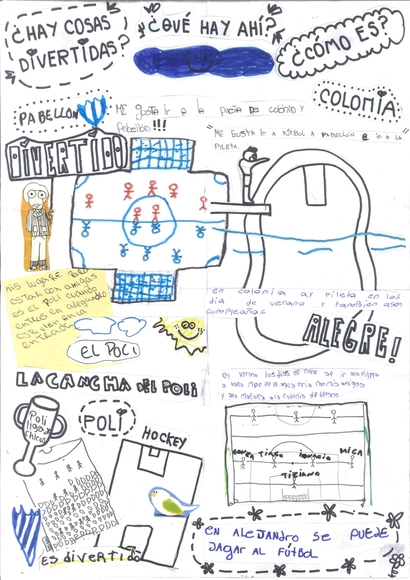
“Leo Leo! Que Ves? La ciudad contada por los niños y las niñas” is a project that originated in the city of Córdoba in 2017, within the framework of the artistic and cultural activities program of the Undersecretariat of Culture at the National University of Córdoba. It continues to develop activities such as “Ciudad niñez-ca,” led by Paola Antonietti and workshop facilitators Camila García Reyna, María Paz Pérez Roque, Rocío Maldonado, Gabriela Soto, and Matias Zanetti, alongside FAUD's Urbanism 1A department and the City and Territory Studies Workshop.
We explore this project through the words of its creators.
Campo Baeza asserted that “Light is the most beautiful, richest, and most luxurious material used by architects. The only problem is that it is given to us for free, is within everyone's reach, and is not valued enough” [1]. Today, many architects agree on the importance of lighting when creating architectural spaces, reflecting on its quality, quantity, nuance, and directionality. Despite this, when determining the characteristics of their building enclosures, many choose to work with materials that ensure a high degree of privacy, either by incorporating opaque elements or envelopes that screen views and diffuse contact with public outdoor spaces.
In certain cases where solar conditions permit, modern technological developments allow for the incorporation of translucent enclosure systems that ensure the entry of abundant, controlled natural light throughout the day without sacrificing privacy. These self-supporting treated glass panel systems offer the possibility of generating completely glazed, continuous, homogeneous, unobstructed, and translucent surfaces while simultaneously screening views into the spaces. Below, we present 6 projects located in Argentina that exemplify different ways of working with these systems.
Usina de Innovación Colectiva is a cultural initiative of the School of Architecture, Design, and Urbanism at the University of the Republic in Uruguay.
It was established to revitalize disciplines related to architecture, design, landscape, and the city by creating opportunities that foster exchange, reflection, and the dissemination of work in these areas.
A total of 1,598 legally practicing architects in Colombia participated in the study titled “Characterization Study of the Colombian Architect,” developed by the National Professional Council of Architecture and its Auxiliary Professions (CPNAA). Its president, Julio César Báez Cardoso, shared the key findings in a recent article published by the association.
Currently, project production within universities in Mexico is immense, and we believe it is the perfect time to showcase some of their best work. Many undergraduate theses—also known as graduation projects—address truly interesting and valuable topics for our country. Unfortunately, the vast majority remain stored on library shelves or in a computer folder, missing the opportunity to drive real change in our cities and the way we inhabit them.
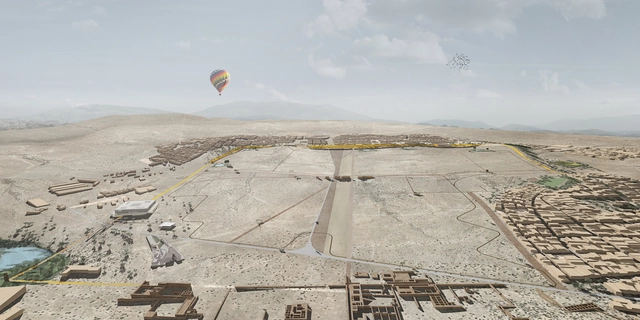
As part of the celebrations for the Bicentennial of Peru's Independence, the Ministry of Culture, the Municipality of Lima, and Grupo Centenario announced an international architecture and landscaping competition to design a metropolitan park along the perimeter of the Pachacamac Sanctuary in the Lurín district of Lima. The competition sought to encourage reflection on Lima's relationship with its historical and landscape heritage, as the Sanctuary houses some of the most important structures of the national archaeological heritage, spanning more than fifteen centuries of human occupation.
Just over a month ago, the Senate of the Argentine Nation approved the Declaration of Climate and Ecological Emergencyin the country and gave partial approval to the bill for the Law on Minimum Budgets for Adaptation and Mitigation to Climate Change. Through this initiative, driven by youth environmental organizations, Argentina becomes the first country in Latin America to move forward with a bill of this nature.
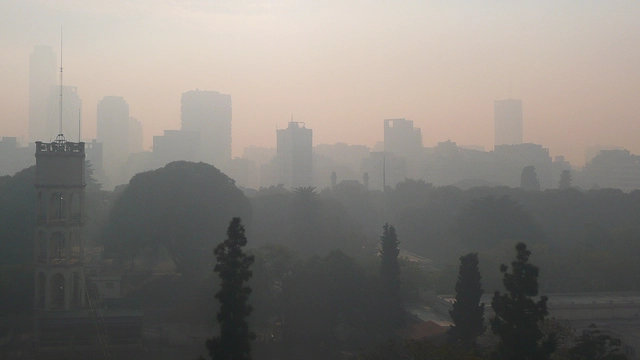
The recent and worrying increase in fires in the Amazon, where the fires have begun to relentlessly consume our planet's most important natural lung, has brought environmental issues to the forefront. The consequences of this event will drastically alter the global climate and demand urgent action, preparing us for industrial, energy, productive, and consumption shifts.
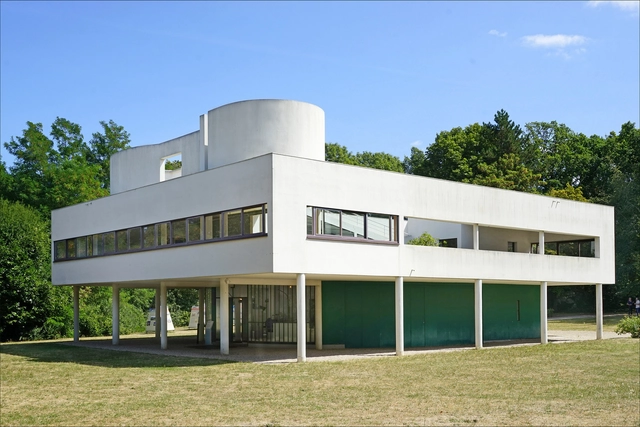
via Flickr user: Jean-Pierre Dalbéra Licensed under CC BY 2.0
Fifty of today's leading architects—answering the call of the Now Institute and its director, Thom Mayne—were convened to assess the architectural legacy of the last century. Their goal? To compile a definitive list of 100 buildings that represent, in their view, the 100 most remarkable architectural achievements of the 20th century. Prominent figures such as Tadao Ando, Steven Holl, Richard Rogers, Kazuyo Sejima, Toyo Ito, Rafael Moneo, Kengo Kuma, and Denise Scott Brown, among others, formed the voting panel.