May 3 is a holiday originating from the Feast of the Finding of the Holy Cross, also known as the May Cross (Cruz de Mayo) or Festival of the Crosses (Fiesta de las Cruces), which has its roots in the Roman Rite celebrating the devotion to the Cross of Christ. Over time, this commemoration has evolved and been adopted across cities in Mexico, Chile, Spain, Ecuador, El Salvador, Guatemala, Paraguay, Peru, Trinidad and Tobago, Argentina, Colombia, and Venezuela, where the festivities typically include floral decorations, processions, and dances.
Today, discussing infrastructure means discussing geopolitics and connectivity as a key driver of global competitiveness. Connectivity, however, should not be understood solely as physical infrastructure, even if we are talking about roads for autonomous vehicles or hyperloop tunnels.
The following project is the winning entry of the National Architectural Design Competition "Enhancement of the Cerro San Cristóbal Tourist Circuit and Creation of the Virgen de Cocharcas Santísima Theme Park."
https://www.archdaily.com/1120815/threshold-between-the-sacred-and-the-everyday-project-for-the-valorization-of-the-tourist-circuit-of-san-cristobal-hill-in-peruArchDaily Team
The recent book 'Plan de desarrollo urbano de la zona noroeste de la ciudad de Mar del Plata' by Guillermo Tella, Beatriz Cuenya, Martín Delucchi, and Laura Corbalán Vieiro synthesizes the results achieved through the technical assistance and institutional coordination experience carried out during 2017-2018 for the Municipality of General Pueyrredón (province of Buenos Aires, Argentina) by the Center for Urban and Regional Studies (CEUR-CONICET) and the Inter-American Development Bank (IDB).
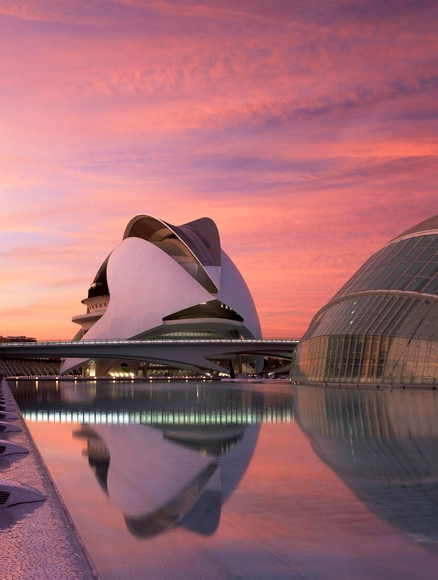
The World Design Organization has selected Valencia, Spain, as the next World Design Capital for 2022, following a competition with finalist city Bangalore, India.
Mexico City, considered one of the largest and most populous urban areas in the world, is in fact the largest city in the Americas and the Spanish-speaking world. Given this vast footprint, its immense population has led to sprawling peripheral settlements, highlighting the urgent need for a denser, more inclusive city. Various factors—such as the abandonment of downtown buildings following historic earthquakes like the one in 1985, compounded by a lack of basic habitability—have drawn the attention of diverse actors. Through clear, targeted interventions, they seek to restore a cohesive urban fabric that empowers residents to reclaim their city.
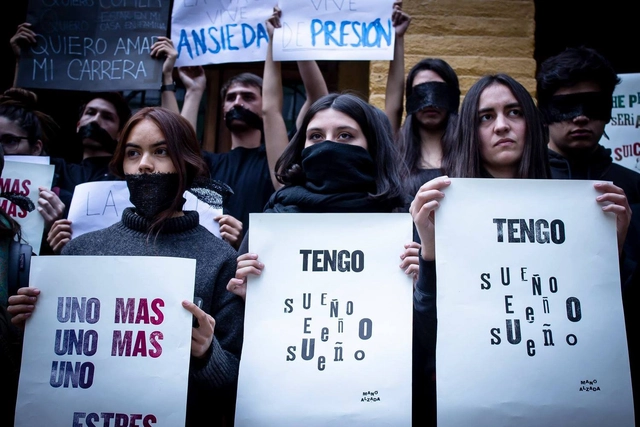
In light of the social crisis currently unfolding in Chile, ArchDaily has launched a series of conversations with various urban and spatial planning specialists to understand its impact on our cities and the contributions our discipline can make. On this occasion, we spoke with Chilean architect Liliana de Simone, PhD in Urban Studies, director of the Observatory on Culture, Consumption, and Society (OCCS), coordinator of the Gender and City network, and professor at the Pontificia Universidad Católica de Chile.
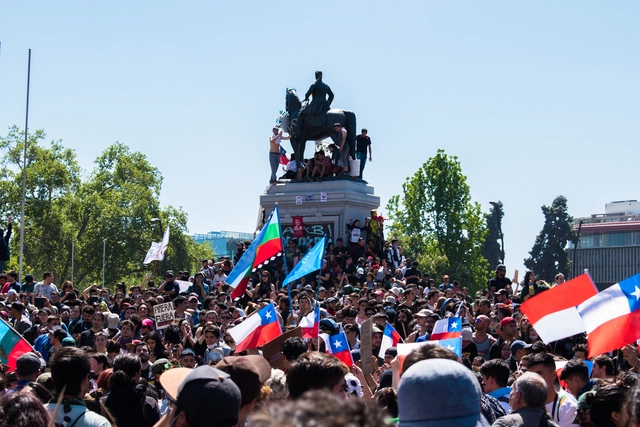
Amid the ongoing social crisis in Chile, the National Council for Urban Development (CNDU) issued an official statement acknowledging "broadly the diagnosis of deep segregation in our cities and the urgent need for greater social integration."
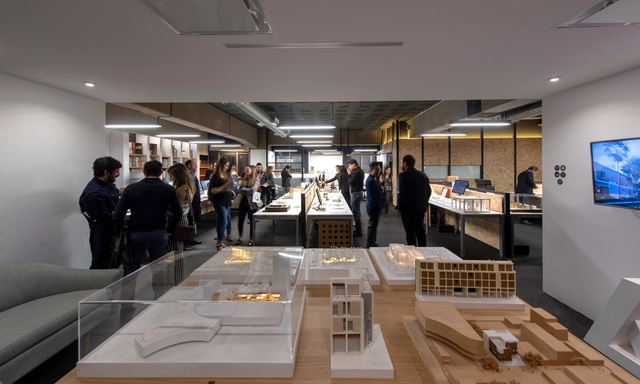
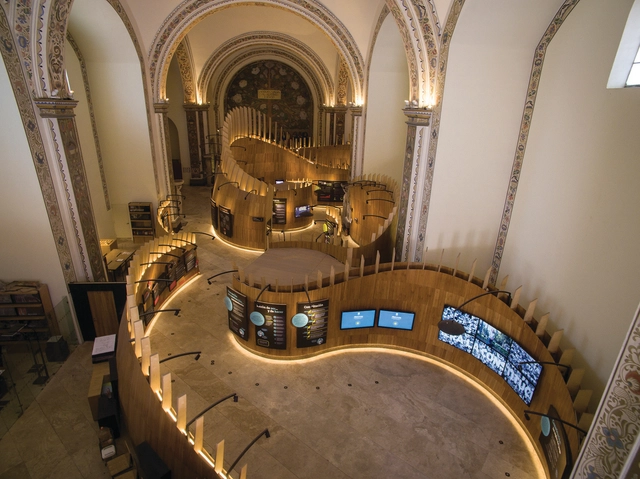
Mexican studio Tuux was recognized with the Red Dot Award in the Product Design 2019 category for the design of the new exhibition and operational spaces of the Museum of the Constitutions (Museo de las Constituciones), an accolade the jury awards to entries featuring exceptional design.
https://www.archdaily.com/1120778/mexicans-win-german-competition-for-exhibition-designArchDaily Team
Today, Mexico’s contemporary architecture scene is shaped by architects who work daily to address the evolving conditions of their surroundings. Various events—such as the 2017 earthquakes—have brought critical issues to the forefront, prompting a rethinking of the profession at different levels, gathering lessons that have redefined the role of the discipline and, above all, the place that architectural objects occupy in the world. This paradigm shift has heightened architects' awareness regarding materiality, regional processes, and urban issues, opening up space for the collective. This involves multidisciplinary teams providing new answers but, above all, asking new questions.
It seems almost impossible to imagine that a single public initiative could have spawned most of the national highways we have today in Argentina, established tourism as an economic driver for the country, consolidated the national oil company YPF against foreign competition, and driven a large part of the development of Argentine modern architecture.
Yet it is entirely plausible when we look at one of the largest territorial interventions in the country's history—a vanguard of modernity that established the automobile as a mass means of transportation in our region.
I met Vera Primavera in Ibarra, Ecuador, during the sixth edition of EARQ (PUCE-SI)—a graffiti and tattoo artist whose work revolves around mysticism, magic, intimacy, and women in the city.
With the goal of promoting the development of innovative urban ideas and proposals that can be implemented in the execution plans of the Provincial Municipality of Satipo, this entity—through its Sub-Department of Urban Development and Infrastructure, in collaboration with the Colegio de Arquitectos del Perú Regional Junín—launched the Satipo National Ideas Competition 2019: "Intervention on Jr. Colonos Fundadores and Treatment of the Satipo Waterfront" Ideas Competition.
As its name suggests, the project consists of two intervention areas: on one hand, it proposes an intervention on two blocks of Jr. Colonos Fundadores through pedestrianization, pavement treatment, and urban furniture design; on the other hand, it outlines the design of the Satipo Waterfront with an urban program that includes a bike path and sports equipment, as well as pavement treatment and urban furniture.
Aiming to internationalize emerging architectural production in Latin America, the Latin American Architecture Biennale (BAL 2019) has announced the practices selected to participate in the next edition of the event, which will take place in September 2019 in Pamplona, Spain.
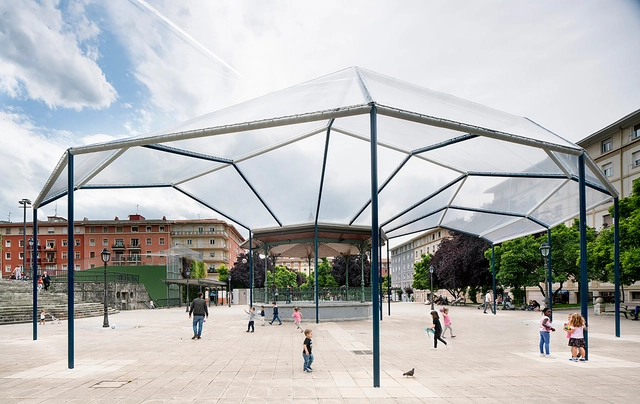
Located in the historic neighborhood of San Ignacio in the city of Bilbao, Spain, Levante Square is a prominent gathering point for residents and visitors alike. To address the lack of covered spaces protecting from the heavy rain, Spanish architecture office CANOBARDIN has designed a solution for users: a concentric structure titled "A Piece of Sky in Levante Square" that allows people to inhabit the public space and find shelter without losing touch with their surroundings, acting as a piece of the sky by day and a reflection of the square by night.
Developed by Tecno Fast and designed as part of a collaborative, sustainable tourist accommodation community, the Tiny Cabins designed by Chilean architects Mathias Klotz and Felipe Assadi measure 24.5 square meters and weigh approximately 5 tons, incorporating at least one bedroom, a kitchen, a bathroom, and storage space.
The cabin designed by Felipe Assadi sleeps up to four people and centers its layout on the bedroom, positioning the bed to face a large picture window, while incorporating two nautical-style bunk beds and a rooftop deck. Mathias Klotz's cabin is designed for three people, prioritizing the living room and connecting it with both the kitchen and the outdoors.
Materia, founded in 2009, is one of the most prominent emerging firms in Mexico and Latin America. Its work focuses on studying the relationship between spatial moments and the strategy of materiality in architecture. The firm's work is characterized by a meticulous, handcrafted refinement and technical execution of built details. Its creative process methodology considers the contextual elements of the site, the user, and the specific requirements of each project as design references. Concepts such as mass, light, and contrast are fundamental tenets in the materialization of projected spaces.
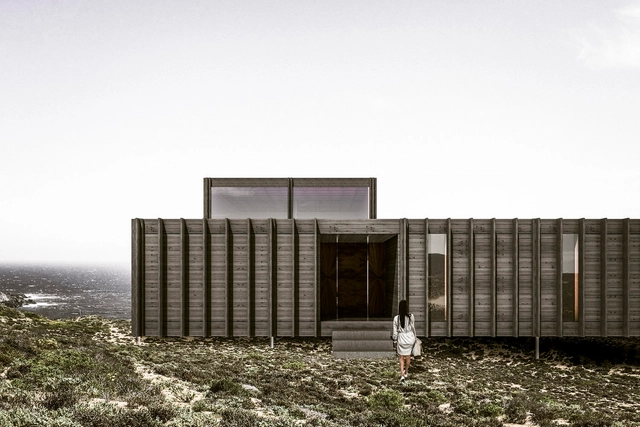
Located just two hours from Santiago, the town of Los Vilos is home to a development that offers a reconnection with nature and architecture: the Ochoquebradas project. Within a vast oceanfront property, the master plan features weekend homes designed by renowned architects. The latest house to join the master plan was designed by the Argentine architecture firm Moarqs.
True to the spirit of the site, the architects designed a structure with minimal footprint, embracing the surrounding landscape through courtyards and large openings.
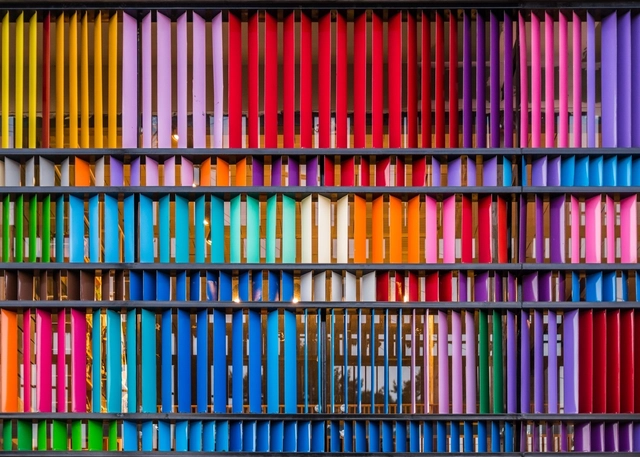
It is said that when Le Corbusier arrived in Greece, he was struck by its architecture—the Hellenistic temples, their regulating system of proportions, and their monochromia. Many of these elements went on to influence his work. What would have surprised the architect, however, is that Greek temples were actually not monochromatic; in fact, they were far from it. Blue, red, green, and even gold: these were the vibrant colors that enveloped Greek buildings. Friezes, pediments, colonnades, and even sculptures—every inch was coated in color derived from pigments. The passage of time, wars, exposure to the sun, rain, and wind, along with the perishable nature of the pigments, caused the surfaces to fade, leaving the cold marble exposed.
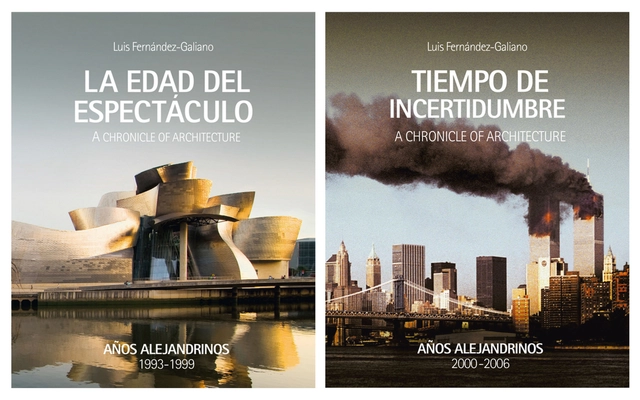
On Tuesday, February 19, the book ‘Años alejandrinos’ was presented at the Ivorypress Gallery in Madrid. Luis Fernández-Galiano, the author, presented the work accompanied by two Pritzker laureates: Rafael Moneo on one side, and Norman Foster on the other. “It is very difficult to find a critic with Luis’s background,” noted Moneo, while Foster shared an anecdote about how he insists his children read the work of the Calatayud-born critic.
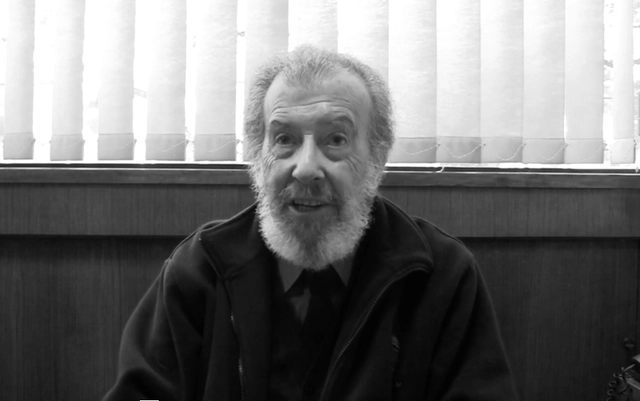
Chilean architect and urbanist Germán Bannen, known for prominent projects in the municipality of Providencia such as the Parque de las Esculturas, Plaza Pedro de Valdivia, and the Plaza Bustamante Literary Café, passed away today at the age of 91, according to close sources.








-20180529.jpg?1574888445 "DPS Apartments / Estudio MMX + Olga Romano. Image")