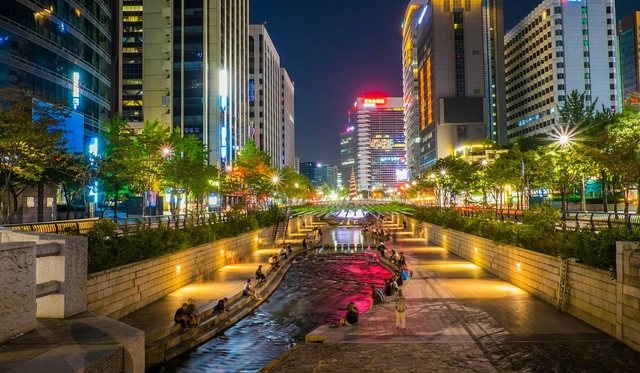
Renaturalization of the Cheonggyecheon River in Seoul – South Korea. Source: https://www.koreapost.com.br/wp-content/uploads/2016/01/Rio-Cheonggyecheon-Seul.jpg. Courtesy of the authors
The significant restoration of the natural riverbed of the Cheonggyecheon River in Seoul, South Korea, and the urban revitalization of its surroundings are a brilliant example of Sustainable Urban Drainage. This deconstruction is based on the premise of renaturalization, which aims to restore the pre-development water balance (increasing concentration time and reducing peak runoff) through high permeability. It also demonstrates the undeniable importance of preserving valley floors and Permanent Preservation Areas (APPs) in Brazil, as defined by the Forest Code.
https://www.archdaily.com/1121937/sustainable-urban-drainage-to-achieve-un-sdg-targetsAdriana Idalina Rojas Gutierrez e Ivanete Carpes Ramos
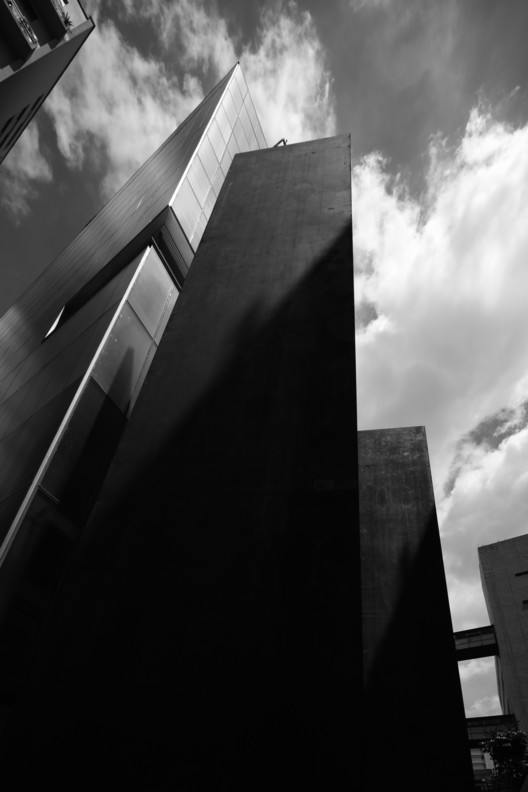
Whether for universal accessibility, spatial fluidity, or plastic continuity, ramps bring unique and highly welcome qualities to architectural projects. That is, of course, when they can be successfully integrated into the design—typically a demanding task due to accessibility standards governing maximum slopes.
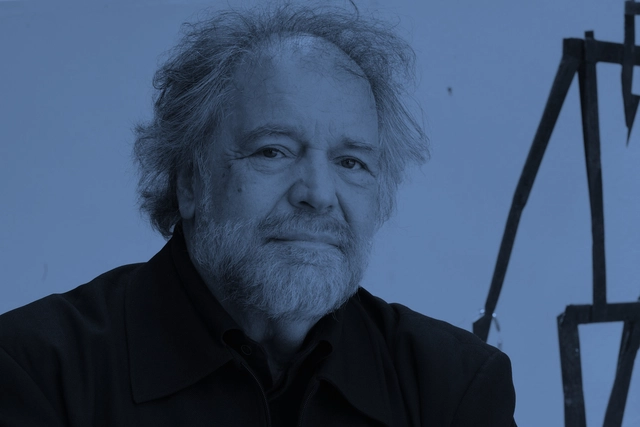
This week's Arquicast Entrevista features the work of an internationally recognized architect from Minas Gerais. A 1973 graduate of the School of Architecture at the Federal University of Minas Gerais (UFMG), Gustavo Penna founded his firm, GPA&A, that same year. Since then, the practice has been based in a century-old mansion in downtown Belo Horizonte. Penna has won numerous international awards, and his work has been exhibited in Brazil and around the world, including at the São Paulo Architecture Biennale, the Venice Biennale, the World Triennial of Architecture in Belgrade, and the Institut Français d’Architecture in Paris.
Eletrodutos para distribuição da rede elétrica aparente. Aplicação de papel de parede. Projeto: Apartamento 203. Image Cortesia de Apartamento 203
Also known as "dry construction," this concept is increasingly used in interior renovations. These simple solutions transform the essence of indoor spaces in a more economical and sustainable way by minimizing construction waste and, consequently, reducing the waste of money, time, and raw materials. In this guide, we have gathered 8 tips to help you design more mindful interior renovations.
Today, computer-aided design (CAD) is the most widely used system for producing technical drawings among construction professionals and academics. It became popular through AutoCAD (Autodesk) by representing geometries that translated design intent into two dimensions. Released in the 1980s, it remains highly relevant and is still used by large corporations, extending its utility through the tradition it has built over four decades in the market.
Brazil has just surpassed the 2,000-megawatt (MW) milestone of operational capacity in centralized solar photovoltaic generation systems—large-scale plants connected to the National Interconnected System (SIN).
According to data from the Brazilian Association of Solar Photovoltaic Energy (ABSOLAR), solar photovoltaic power—based on the direct conversion of solar radiation into electricity in a renewable, clean, sustainable, and increasingly competitive way—reached a total of 2,056 MW of operational installed capacity, equivalent to 1.2% of the country's electricity mix. As a result, it becomes the 7th largest energy source in Brazil, surpassing nuclear power, which accounts for 1,990 MW (1.2%) from the Angra I and Angra II plants located in Rio de Janeiro.
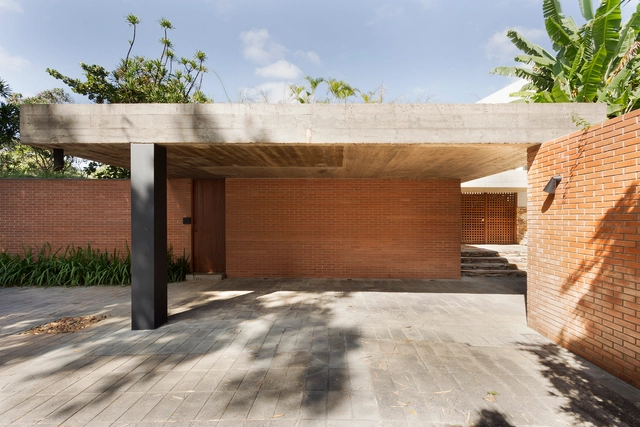
Masonry is undoubtedly one of the most widespread construction techniques in Brazil. Brick, which can serve as both structural support and building enclosure, is an expressive and highly versatile material, easy to use due to its widespread production and the general availability of labor across the country.
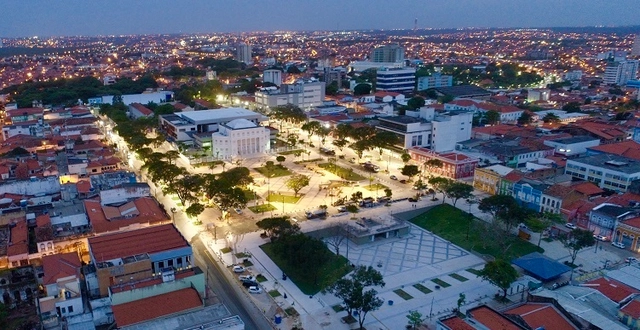
Aerial view of the Deodoro Complex, in São Luís (MA). Photo: Meireles Jr. Courtesy of Iphan
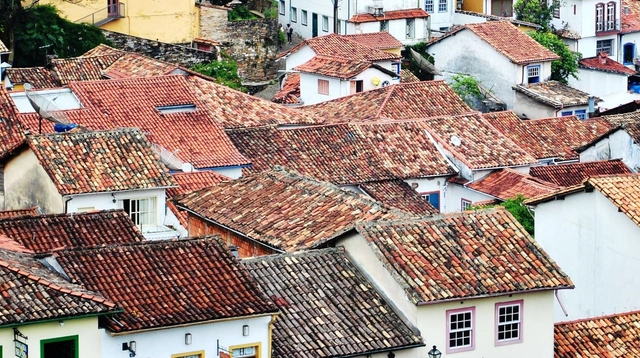
A high-quality public space that prioritizes pedestrians, features organized urban planning, and invites people to stay, enjoy, and socialize. This was the guiding premise of the first phase of the urban revitalization of Rua Grande, in São Luís, the capital of Maranhão. The project began with the restructuring of the entire Deodoro Complex, which now offers visitors and residents a new perspective on the Deodoro and Panteon Squares and the Silva Maia and Gomes de Castro promenades.
Reflecting on the everyday. This is the premise of the 12th São Paulo International Architecture Biennial, which opens this September in the capital. Under the theme “Everyday” (“Todo dia”), the biennial aims to address the “most trivial dimension of reality,” shedding light on the production of ordinary, common space—which is, for this very reason, fundamental to the quality of the environment we inhabit daily. Curators Vanessa Grossman and Ciro Miguel join us for a conversation about this key event, which plays a crucial role in bridging academic research, architectural practice, and society at large.
The Association of Sabesp Engineers (AESabesp) has launched a competition to select the best architectural designs for the future São Paulo Water Museum. The goal is to find the best architectural concepts and alternatives for the restoration and expansion of the former water and sewage department building—currently known as the França Pinto Reservation Center—and the implementation of the cultural venue.
Marked by the intersection and mutual reinforcement of curatorial design and institutional action, the 34th Bienal de São Paulo emphasizes the poetics of “relation” and adopts an innovative operational structure. This framework involves exhibitions and events hosted at the Bienal Pavilion starting in February 2020, in collaboration with a network of more than 20 institutions across São Paulo. Once the Pavilion is fully occupied by the exhibition starting in September 2020, these partner institutions will host, within their own spaces, exhibitions integrated into the 34th Bienal.
The fanzine Architecture and Politics, produced days before the second round of the 2018 presidential elections, is a manifesto on the urgency of understanding the production of space in its intrinsic relationship with power. Foreshadowing the fate that the outcome of this election brought upon the country, it suggests a way of interpreting the Brazilian political landscape.
Since their university days, architecture students are taught that ventilating indoor spaces is crucial for removing excess heat. However, the specific conditions under which this practice actually achieves adequate thermal performance are not always clearly defined, especially regarding residential roof ventilation.
https://www.archdaily.com/1121931/design-strategies-for-housing-ventilate-the-roof-or-add-thermal-insulationAdriana Camargo de Brito
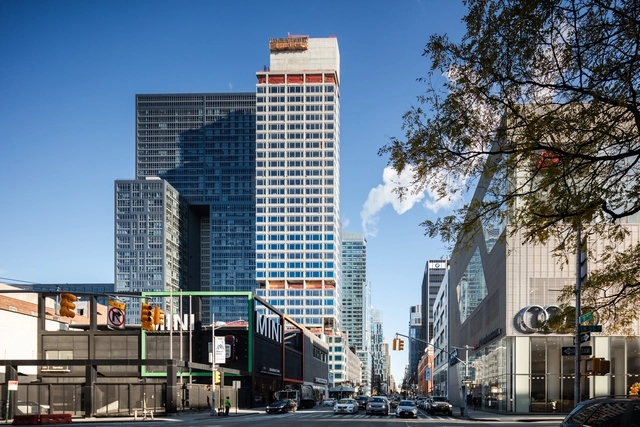
Standing 120 meters tall at the corner of West 56th Street and Eleventh Avenue, the first building by Álvaro Siza in New York is nearing completion. Named 611 West 56th Street, the residential condominium will also feature several amenities for its residents, including a swimming pool, a spa, a gym, a children's playroom, and event spaces.
Portuguese architect Eduardo Souto de Moura was recognized this week with the 2019 Arnold W. Brunner Memorial Prize, an award presented annually by the American Academy of Arts and Letters to an architect of any nationality who has made significant contributions to "architecture as an art."
The Bahia Department of the Institute of Architects of Brazil has launched the IAB BA 2019 Awards, aimed at identifying, recognizing, and promoting the intellectual and professional work of architects and urban planners active in the state of Bahia. This year, there are 12 categories open for submissions, including Interior Architecture, Restoration and Rehabilitation of Built Heritage, Photography of Architectural Objects or Urban Spaces, and Design.
Tasked with mapping contemporary Brazilian production, the Tomie Ohtake Institute AkzoNobel Architecture Prize began its activities in 2013 with loosely defined horizons. While there was the expectation of creating an unprecedented initiative on the national stage by honoring projects built over the last decade, there was also the clear challenge of establishing a prize without categories, dealing with a broad universe of programs and comparing initiatives of widely differing scales.
One of the most influential contemporary artists, American sculptor Richard Serra will have their first public artwork in Latin America installed in São Paulo. The headquarters of the Instituto Moreira Salles on Avenida Paulista will permanently house the sculpture Echo, created specifically for the cultural center, which will be open to the public free of charge starting next Saturday in the institute's outdoor garden.
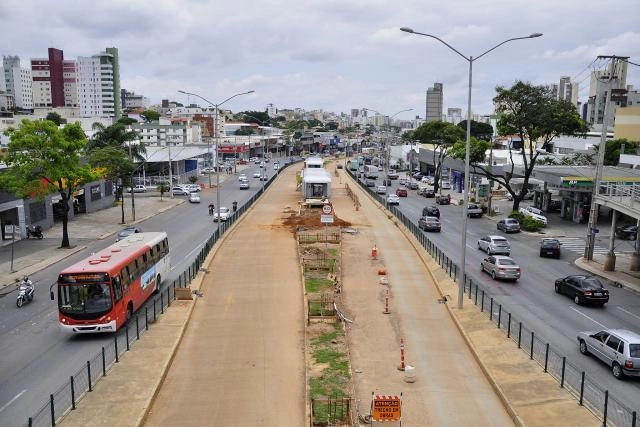
Accessibility is still a challenge for Belo Horizonte's BRT. In the image, the system is still under construction. Photo: Mariana Gil/WRI Brasil
Improving public transit requires close attention not only to vehicles and routes, but to how people access and exit them. All too often, urban planning fails to account for the diverse needs of all individuals and how they navigate a transit system.
https://www.archdaily.com/1121928/a-section-of-belo-horizontes-brt-highlights-the-importance-of-accessibilityPaula Manoela dos Santos
Architectural modernism emerged in the wake of the early 20th-century European avant-gardes. The movement was fueled by industrial capitalism and the thrilling technological progress unfolding before everyone's eyes. The break with the past had been deliberately ushered in by intellectual, artistic, and technical movements since the mid-19th century. The Crystal Palace, for instance, designed by Sir Joseph Paxton, was built in London to host the Great Exhibition of 1851 and represented a structural revolution in the use of lightweight materials such as iron and glass.
Tekôa is a space within Ekôa Park that explores solutions by bridging theory and practice. It is a hub for integrative permaculture practices based on two principles: developing a practical ecology and experimenting with low-environmental-impact solutions that yield positive social impacts, thereby inventing new ways of living, building shelter, and producing food. Sem Muros believes that to achieve an ecologically sound and socially just life, people must develop autonomy. To this end, the techniques used are simple, easily replicable, and tailored to the environmental context of the project's territory.
https://www.archdaily.com/1121765/tekoa-a-way-of-dwelling-that-integrates-permaculture-practices-bioconstruction-and-food-productionMarcella Arruda e Tomaz Lotufo
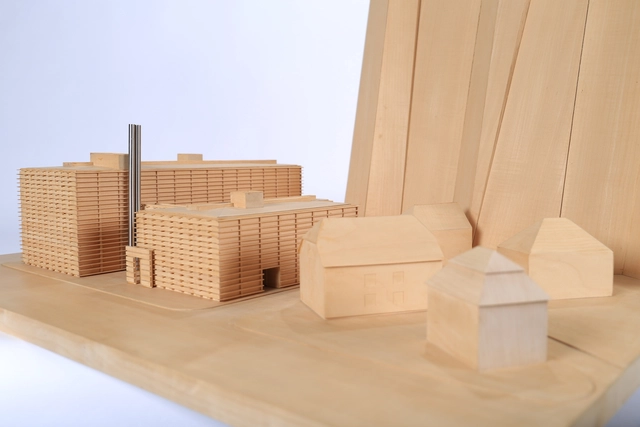
Maquete do projeto Salzburg Hotel. Image Cortesia de Casa da Arquitectura
The Casa da Arquitectura - Portuguese Centre for Architecture has reached an agreement with Pritzker laureate Eduardo Souto de Moura to deposit his archive at the Portuguese institution. Signed on May 6, the agreement adds approximately 8,500 drawings and all textual and photographic documentation detailing the projects from the architect's 40-year career to the 604 models already housed at the institution since 2009.
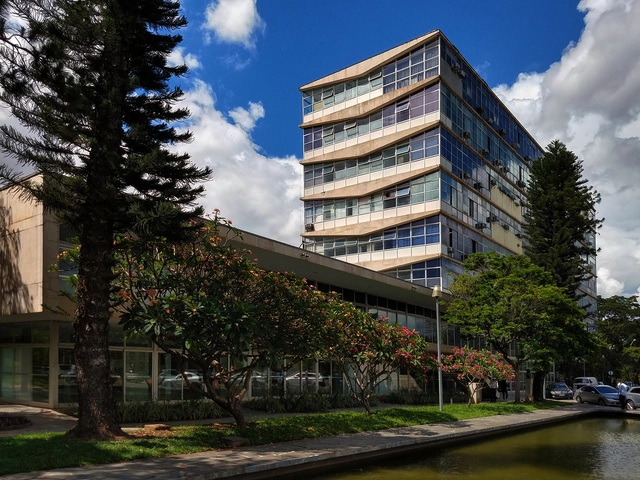
One of Belo Horizonte's main landmarks, the Pampulha Church, designed by Oscar Niemeyer, has undergone a meticulous restoration and will reopen to the public today, October 4. The building had been closed since June of last year, when work began to address water infiltration. This included a complex project to replace the wooden ceiling of the central nave, as well as general maintenance such as cleaning and restoring the external ceramic tile cladding, repainting the chapel, and repairing the Portuguese pavement sidewalks.
Much has been said since the then-new minister of economy, Paulo Guedes, stated that it was necessary to “take a knife” to the S System. However, these discussions have focused almost exclusively on the financial aspects of the system. To truly understand the relevance of the S System to Brazilian society—whose flagship organizations include SENAC (National Service for Commercial Apprenticeship), SESC (Social Service of Commerce), SENAI (National Service for Industrial Apprenticeship), SESI (Social Service of Industry), and SEBRAE (Brazilian Micro and Small Business Support Service)—it is far more instructive to examine the original motivations behind this vocational education system, the pedagogical and political project that drove its creation, the role of architecture in its facilities to achieve its goals, and its ongoing relevance in the fields of education and culture.
.jpg?1556291339&format=webp&width=640&height=580)
.jpg?1562087791&format=webp&width=640&height=580)
.jpg?1561993576 "Aplicação de revestimento sobre revestimento. DEPOIS da Reforma de Banheiro em parceria com a Leroy Merlin Brasil. Projeto: Apartamento 203. Image Cortesia de Apartamento 203")
.jpg?1561992294 "Aplicação de papel de parede. Elétrica projeta com distribuição da rede elétrica aparente. Projeto: Apartamento 203. Image Cortesia de Apartamento 203")
.jpg?1561992738 "DEPOIS da Reforma de Banheiro em parceria com a Leroy Merlin Brasil. Projeto: Apartamento 203. Image Cortesia de Apartamento 203")

.jpg?1562087791)

.jpg?1553011212&format=webp&width=640&height=580)


.jpg?1568988710&format=webp&width=640&height=580)
.jpg?1568988664 "Ximena Garrido-Lecca - Insurgencias Botánicas: Phaseolus Lunatus, 2017 | Installation view / Dimensions variable / Photo: Ramiro Chavez")
.jpg?1568988535 "Deana Lawson - Mama Goma, 2014 | 35 x 45 in (99 x 114.3 cm) / Courtesy of the artist")
.jpg?1568988594 "Clara Ianni - Free Form, 2013 | video (b&w, sound), 7’14’’ / Courtesy of the artist")
.jpg?1568988648 "Ximena Garrido-Lecca - Insurgencias Botánicas: Phaseolus Lunatus, 2017 | Installation view / Dimensions variable / Photo: Ramiro Chavez")
.jpg?1568988710)

.jpg?1555600350&format=webp&width=640&height=580)
.jpg?1572356608&format=webp&width=640&height=580)

.jpg?1549026286&format=webp&width=640&height=580)
.jpg?1549029133 "Cortesia de Sem Muros arquitetura integrada")
.jpg?1549029152 "Courtesy of Ekôa Park")
.jpg?1549029125 "Cortesia de Sem Muros arquitetura integrada")
.jpg?1549026266 "Courtesy of Lúcio Ventania")
.jpg?1549026286)
.jpg?1570032524&format=webp&width=640&height=580)
