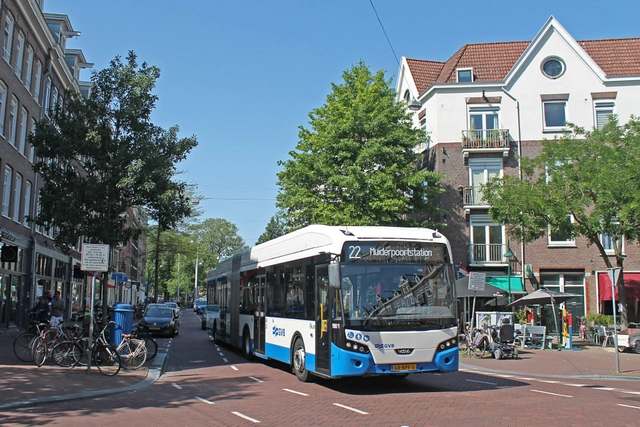
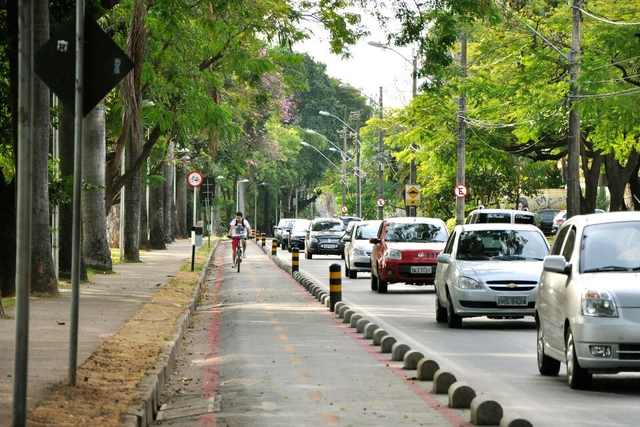
Photo: Daniël Bleumink/Flickr. Courtesy of Caos Planejado
Over the last few decades, discussions on addressing climate challenges have unfolded even as we experience their effects. Although cars and motorcycles are the primary emitters of pollutants, buses also play a significant role in greenhouse gas emissions and the rise of illnesses related to air pollution. In this regard, adopting new technologies, such as electric buses and alternative fuels, is essential to reducing their impact on public health and the environment.
https://www.archdaily.com/1132188/electric-buses-can-make-our-cities-more-sustainableITDP Brasil
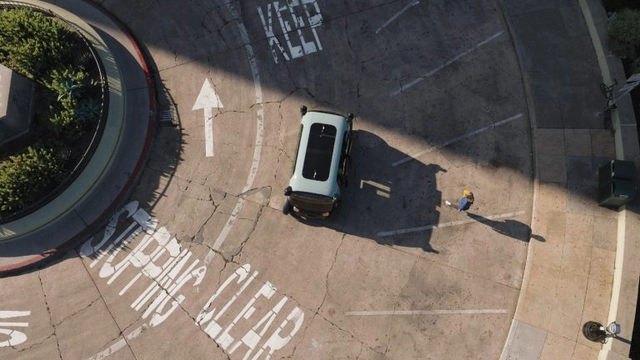
In 2020, US-based startup Zoox revealed the prototype of its autonomous electric vehicle. Now, the robotaxi is entering an advanced testing phase in California.
Resembling a minivan, the vehicle is tall, boxy, and features sliding glass doors. Its large wheels and rounded corners stand out, giving it a cartoonish appearance.
No País dos Arquitectos is a podcast created by Sara Nunes, who is also responsible for the architectural film production company Building Pictures. The podcast aims to profile the professionals, projects, and stories behind leading contemporary Portuguese architecture. With just over 10 million inhabitants, Portugal is a highly fascinating country in this professional field, and its architectural output far exceeds what its small population or territorial scale would suggest.
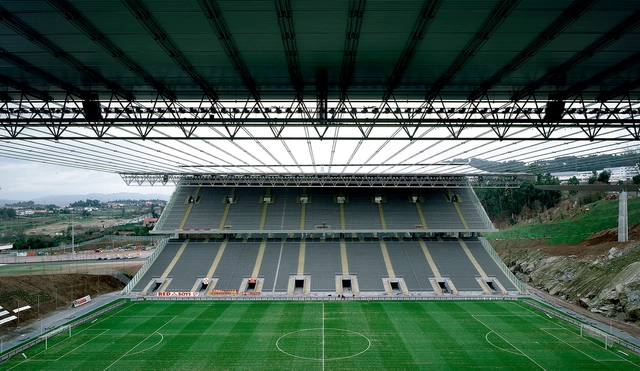
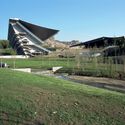
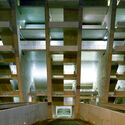
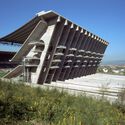
In this episode, Sara talks with architect Eduardo Souto de Moura about the Braga Municipal Stadium. Listen to the full interview and read a partial transcript of the conversation below:
For the first time in history, the global urban population has surpassed the rural population. Today, 55% of people live in urban areas, and projections indicate this figure will reach nearly 70% by 2050—an increase of 2.5 billion urban dwellers. This prompts us to ask: what model of urbanization do we want for the coming decades? The answer depends on understanding rising urbanization rates as a challenge not only for cities but also for rural and peri-urban territories, whether productive or natural.
For the sixth time, we are giving our readers the responsibility of recognizing and rewarding the projects that have made the greatest impact on the profession through the ArchDaily Brasil 2022 Building of the Year Award. By voting, you become part of an unbiased network of jurors recognizing the most outstanding projects of the past year.
Over the next three weeks, the collective intelligence of our readers will filter through hundreds of projects from Portuguese-speaking countries—Brazil, Portugal, Mozambique, Angola, Guinea-Bissau, East Timor, Equatorial Guinea, Macau, Cape Verde, and São Tomé and Príncipe—published in 2021, selecting the best works built in Portuguese-speaking territories.
From hundreds of projects published in 2021, readers will choose their favorites, and the 15 projects with the most votes will move on to the second stage of the award.
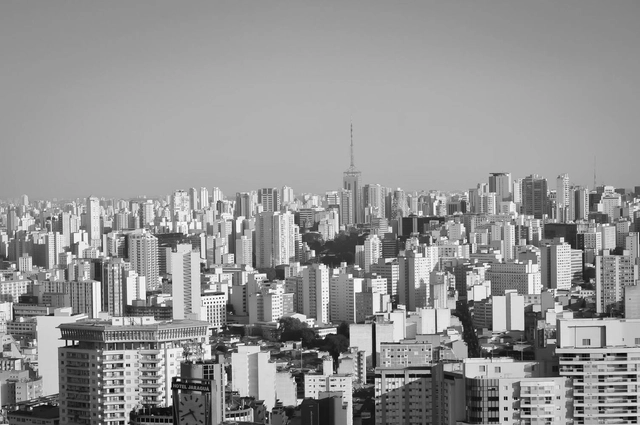
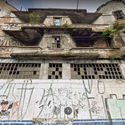
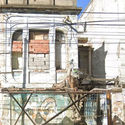
São Paulo's downtown area clearly displays the contradictions of our cities. On one hand, vacant properties sit idle in areas well-served by urban infrastructure; on the other, the number of people experiencing homelessness is growing, sheltered in tents and precarious, makeshift structures.
When we think of healthcare, we think of doctors, nurses, surgeons, radiologists, and anesthesiologists – the people who treat illnesses and save lives.
Yet we often overlook a large group of people who make saving lives possible – medical coding specialists, healthcare service managers, hospital architects and engineers, and others working behind the scenes to deliver positive health outcomes.
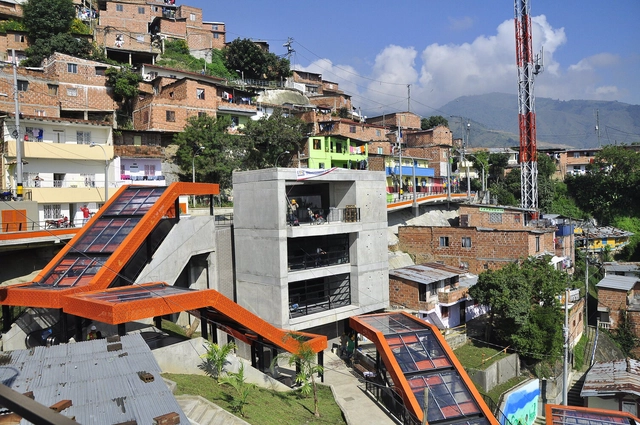
Metrocable in Medellín. Photo: EMBARQ Brasil | WRI Brasil Cidades Sustentáveis, via Visualhunt
UX Design, or user experience-centered design, is not, as is commonly thought, a field focused exclusively on the digital world, screens, and visual interfaces. Rather, it deals with the "complex networks of relationships that users have with one another and within the system itself," whether virtual, graphic, architectural, or urban. This is according to Cuca Righini, an architect who graduated from FAUUSP and a specialist in UX design, design thinking, and the pedagogy of cooperation.
No País dos Arquitectos is a podcast created by Sara Nunes, who also runs the architectural film production company Building Pictures. The podcast aims to profile the professionals, projects, and stories behind benchmark contemporary Portuguese architecture. With just over 10 million inhabitants, Portugal is a highly compelling country within this professional field, and its architectural output far outstrips what its population or territorial scale might suggest.
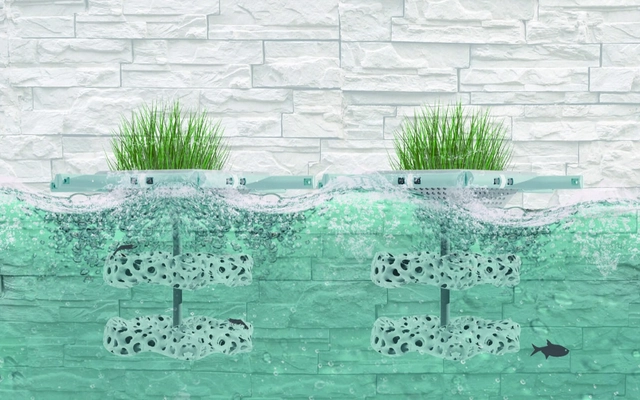
Students at Tunghai University in Taiwan have designed a type of artificial coral reef. The proposed structure is made of 3D-printed eco-friendly ceramic to help revitalize urban rivers.
While natural corals are irreplaceable and essential to ocean health, this 3D-printed structure has a specific mission: to provide shelter for aquatic organisms. This alone can help sustain various species.
In 2021, the average London driver spent 148 hours in traffic jams—double the national average, according to a new report by Inrix, a road traffic analytics company. These findings led to a BBC report that attributed this new, alleged status as the world's most congested city to an increase in bike lanes, implemented across London to ensure social distancing during pandemic travel. This analysis seems to overlook the fact that congestion in 2021 was practically the same as in 2019.
To understand what is happening, we must remember that the amount of time available to each of us limits how much we can travel. There are many things we need to fit into 24 hours and, on average, we spend only one hour commuting. This limits the accumulation of congestion in cities.
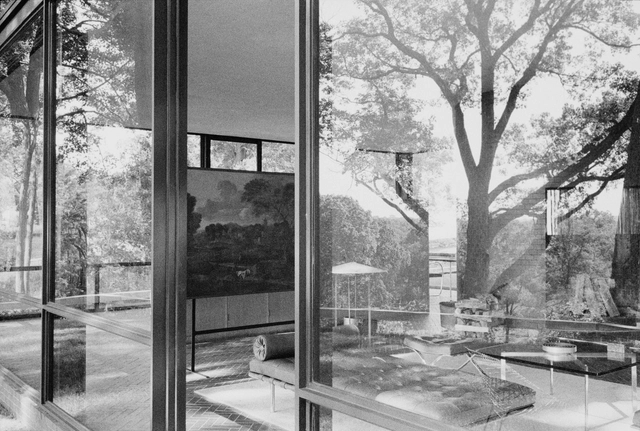
The Glass House, located on Ponus Ridge Road in New Canaan, Connecticut, was designed and built in the late 1940s as the home of its architect, Philip Johnson. Considered an icon of modern architecture, the house explores the boundaries between interior and exterior. One year after its completion, its mimesis, the Brick House, was built 25 meters in front of it, sharing the same length but only half the depth of the glass house.
https://www.archdaily.com/1132105/exhibitionism-and-seclusion-the-glass-house-complex-of-philip-johnson-and-david-whitneyHelena Ramos e Rafael Baumer
The impacts of human-induced climate change have already caused loss and damage to people and ecosystems. These impacts are most severe among marginalized urban populations, such as slum dwellers. In the most vulnerable regions, the number of deaths from droughts, floods, and storms was 15 times higher over the last decade than in the least vulnerable regions.
This past January, the Municipal Government of São Paulo, one of Latin America's largest cities, released the results of its Census of the Homeless Population, presenting its socioeconomic characterization and a territorial profile. Recent GDP data, along with the census findings, demonstrate the impacts of the pandemic and the economic and political crisis on society, confirming what is being reflected across major Brazilian cities.
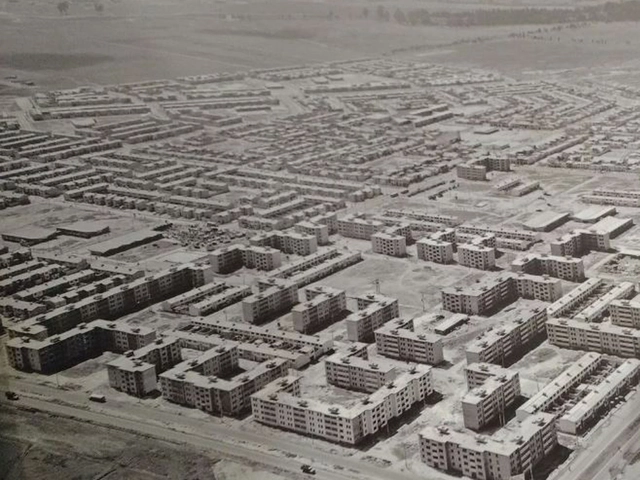
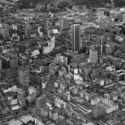
Panoramic view of the Kennedy neighborhood in 1964. It was renamed that year, having previously been called Ciudad Techo. ArchDaily. Image Courtesy of Felipe Cardona
Across a 350-hectare site, 24 superblocks organize the ten thousand housing units of the Ciudad Kennedy complex in Bogotá. Built between 1961 and 1963, its construction embodies an urban vision embedded in a social, political, and ideological framework that specifically involved Colombia, yet was shared to some extent across Latin America during the Cold War.
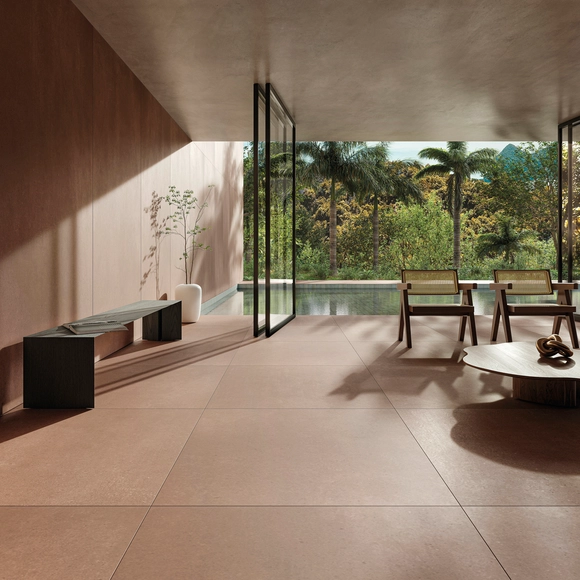
Linha Oh!Take "Cliff". Image Cortesia de Portobello
Portobello has just launched the Soma line, co-created with architect Paulo Mendes da Rocha; Oh!Take and its complement, Soul, designed by Ruy Ohtake; and Shibori, developed with Italian designer Paola Navone. These products are part of the 2022 Unlimited Dreams collection, launched simultaneously at Expo Revestir and in Portobello Shop stores across Brazil in early March.
In 2014, when The Guardian reporter Ben Quinn opened the eyes of citizens worldwide to hostile urban design practices, coining what would become known as the "hostile architecture" phenomenon, few expected such a massive global response. A myriad of urban design strategies came to light, which restrict civic participation and segregate how the city is appropriated—elements that curb specific behaviors and hinder access and presence for certain social groups. These codes of conduct, dictated by urban design, run counter to everything studied about democratic, welcoming cities, as championed by Jan Gehl and Jane Jacobs.
Videos
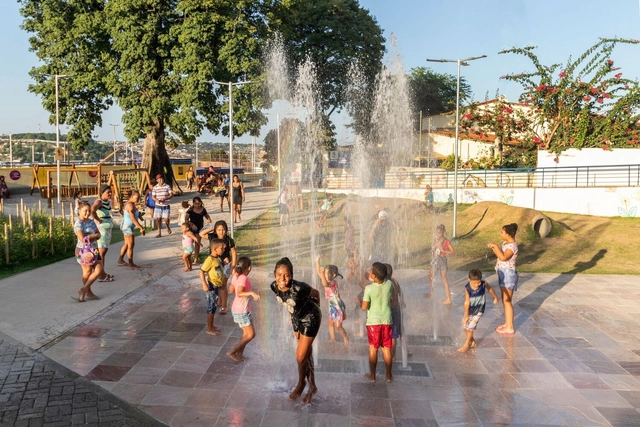
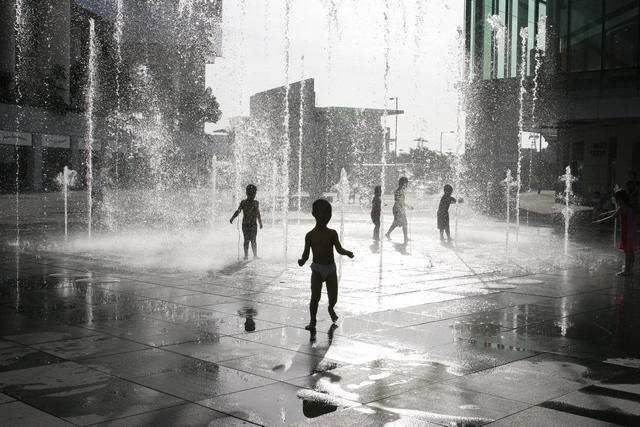
via Cities for Play. Designing Child Friendly High Density Neighbourhoods
Escola da Cidade, through the Architecture, Education, and Society and Mobility and Contemporary City courses of its Graduate Program, in partnership with the Alana Institute's Child and Nature program, invited Ursula Troncoso to deliver two lectures. Aiming to foster an agenda for creating greener, more accessible, and child-friendly cities that places childhood at the center of the urban debate, the initiative recognizes the need to build a collaborative network between universities, public officials, and civil society to promote actions centered on urban innovation, quality of life, sustainability, and well-being for both children and the planet.
https://www.archdaily.com/1132093/childhood-in-brazil-is-urban-ursula-troncoso-talks-about-the-city-children-and-mobilityEscola da Cidade
Videos
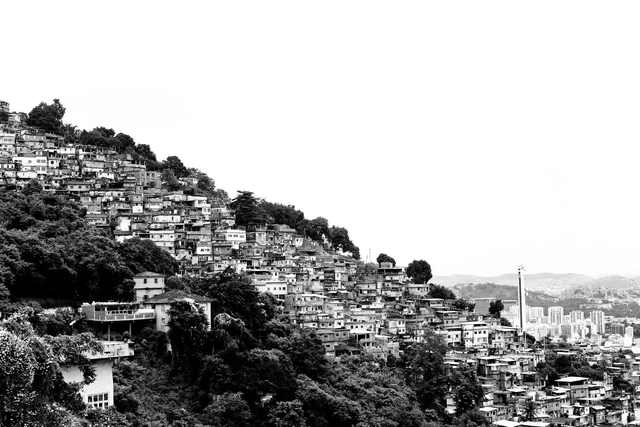
Niterói, RJ. Photo by Nayani Teixeira on Unsplash
The postgraduate course Cidades em Disputa – pesquisa, história e processos sociais, at Escola da Cidade, hosted Tainá de Paula, who delivered the open lecture “Body and Territorialities: The Necessary Debate on the Non-City.” Raised in one of the favelas of Praça Seca, in the West Zone of Rio de Janeiro, the architect and urban planner defines herself as a Black woman, mother, and activist for urban struggles, particularly in the peripheries and favelas. During her talk, Tainá—who has also served as a city councilor since 2020—discussed subalternized territories and the “non-city,” which excludes and segregates, while stressing the urgent need to build an agenda to break away from these conditions through racial, class, and gender emancipation.
https://www.archdaily.com/1132097/taina-de-paula-talks-about-the-body-territorialities-and-the-non-cityEscola da Cidade
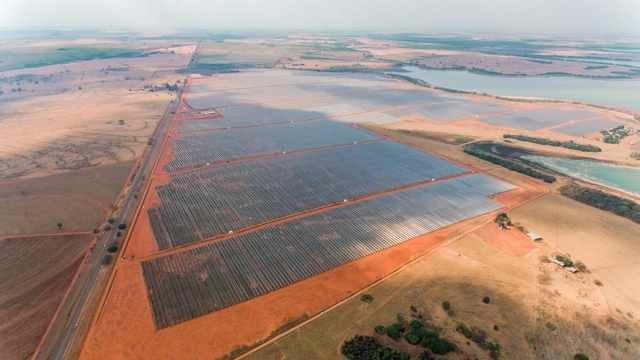
Pereira Barreto solar photovoltaic complex in the state of São Paulo. Image courtesy of EDP Renováveis
Brazil has just surpassed the historic milestone of 14 gigawatts (GW) of operational solar photovoltaic capacity, combining utility-scale plants and distributed self-generation systems on rooftops, facades, and small plots of land. Consequently, solar power now surpasses the installed capacity of the Itaipu hydroelectric plant, according to data from the Brazilian Association of Photovoltaic Solar Energy (ABSOLAR).
Whether as an actor or a writer, Gregorio Duvivier makes us laugh – and think – even when commenting on today's bleakest issues. This is, according to him, a way to build connections and strengthen friendships.
A guest on the Betoneira Podcast, he also discusses Carnival, public spaces, and the Rio-São Paulo rivalry, a recurring theme in his work.
No País dos Arquitectos is a podcast created by Sara Nunes, who is also behind the architectural film production company Building Pictures. The project aims to introduce the professionals, projects, and stories behind leading contemporary Portuguese architecture. With just over 10 million inhabitants, Portugal presents a highly compelling landscape for the profession, boasting an architectural output that far exceeds what its population or territorial scale might suggest.
In this episode, Sara talks with architect João Maria Trindade about the Garducho Biological Station and the importance of preserving biodiversity. Listen to the full interview and read an excerpt of the transcript below:
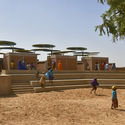
Casa de cultura na aldeia de Itaoca Guarani. Image Cortesia de Grupo ][ Fresta
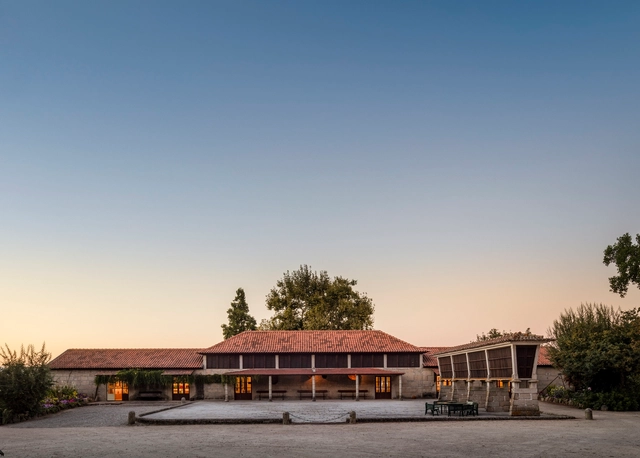
Working at the intersection of architectural and social projects, Grupo ][ Fresta was one of the practices recognized by the 2021 IAB Awards in the Urbanism, Planning, and Cities category. The highlighted project proposes a set of infrastructure alongside cultural and community facilities across 12 Guarani and Tupi villages, spread over 24,000 hectares of land south of the country's largest city.
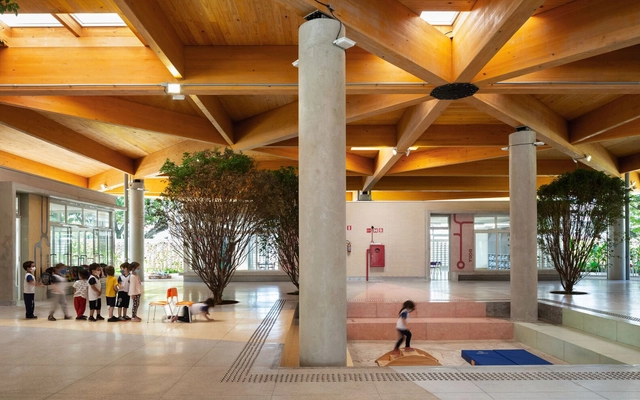
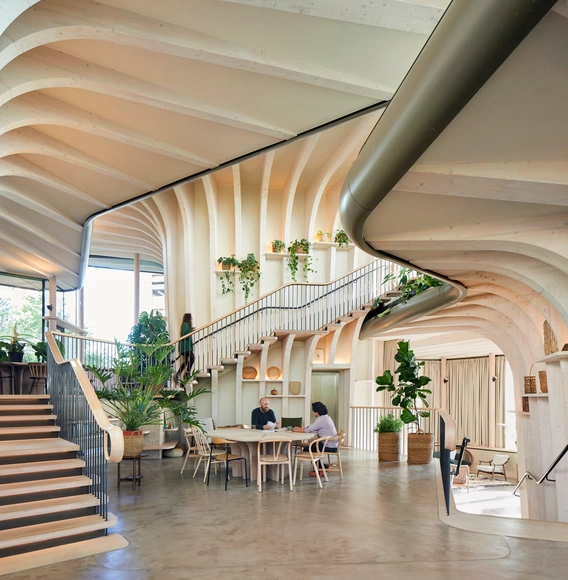
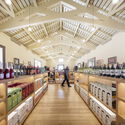
National School Day was celebrated yesterday, March 15, an important date to remember and value the role of educational institutions. Spaces that foster new perspectives, knowledge, exchanges, interaction, and play must be designed to rise to the challenge. While we have previously highlighted fifteen projects designed by Brazilian architects, today we take the opportunity to showcase some of the solutions and techniques adopted in recent years when approaching this program.













![Grupo ] [ Fresta designs infrastructure and community facilities for 12 Guarani and Tupi villages in São Paulo - Featured Image](https://snoopy.archdaily.com/images/archdaily/media/images/6232/016c/0ad4/6c01/66a1/6ed1/slideshow/mod-itaocagurarani-casadecultura-1.jpg?1647444343&format=webp&width=640&height=580)
![Grupo ] [ Fresta designs infrastructure and community facilities for 12 Guarani and Tupi villages in São Paulo - Imagem 1 de 4](https://images.adsttc.com/media/images/6231/fbe0/0ad4/6c01/66a1/6ec0/thumb_jpg/arq-titp-ep-riobranco-cozinha-centro-externa-final-2.jpg?1647442939 "Cozinha na aldeia de Rio Branco. Image Cortesia de Grupo ][ Fresta")
![Grupo ] [ Fresta designs infrastructure and community facilities for 12 Guarani and Tupi villages in São Paulo - Imagem 2 de 4](https://images.adsttc.com/media/images/6231/fbe8/e457/ed01/6b47/39d3/thumb_jpg/arq-titp-ep-itatupi-centrocultura-externa-final-2.jpg?1647442945 "Centro cultural na aldeia de Itatupi . Image Cortesia de Grupo ][ Fresta")
![Grupo ] [ Fresta designs infrastructure and community facilities for 12 Guarani and Tupi villages in São Paulo - Imagem 3 de 4](https://images.adsttc.com/media/images/6231/fbf3/0ad4/6c01/66a1/6ecb/thumb_jpg/mod-tenonde-casadecultura-externa-final-1.jpg?1647442976 "Casa de cultura na aldeia Tenondé Por. Image Cortesia de Grupo ][ Fresta")
![Grupo ] [ Fresta designs infrastructure and community facilities for 12 Guarani and Tupi villages in São Paulo - Imagem 4 de 4](https://images.adsttc.com/media/images/6231/fbeb/0ad4/6c01/66a1/6ec5/thumb_jpg/mod-aguapeu-externa-final.jpg?1647442947 "Equipamento na aldeia de Aguapeu . Image Cortesia de Grupo ][ Fresta")
![Grupo ] [ Fresta designs infrastructure and community facilities for 12 Guarani and Tupi villages in São Paulo - More Images](https://images.adsttc.com/media/images/6232/016c/0ad4/6c01/66a1/6ed1/newsletter/mod-itaocagurarani-casadecultura-1.jpg?1647444343)