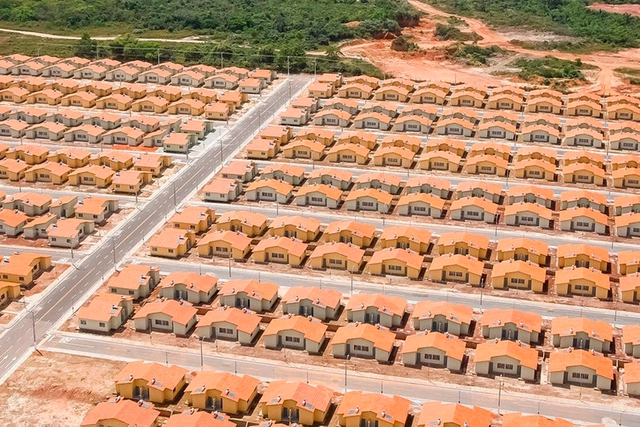
Minha Casa, Minha Vida in São Luís. Image: Palácio do Planalto/Isac Nóbrega
3D-printed houses. Prefabricated houses. “Open-source” houses. Minha Casa, Minha Vida. From technological panaceas to government programs, countless solutions aim to resolve the housing deficit by building houses. The problem with this strategy is that the housing shortage is not a shortage of houses, but of apartments.
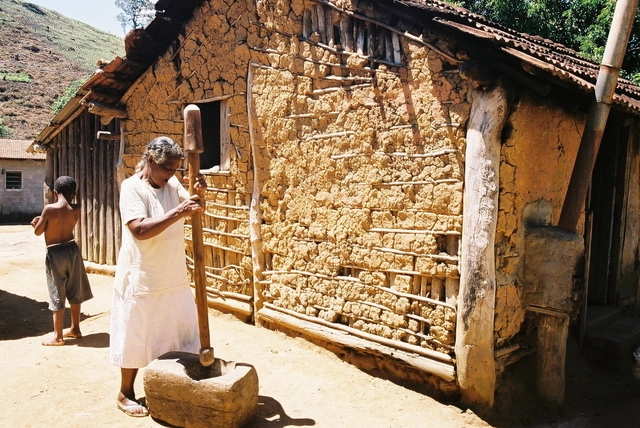
Quilombo Cangume, Itaóca (2004). Photo: Luis Eduardo Tavares, photo taken during the Cinevale em Movimento 2004 project. Via Flickr. CC BY-SA 2.0 License
By introducing terms associated with quilombos in two of its articles, the 1988 Federal Constitution paved the way for social peasant movements, mobilized and organized around ethnic identity, to appropriate this category. This was an unforeseen outcome for legislators, who had approached the quilombo category from a past-oriented perspective, relying on an archaeological and exoticizing view of cultural heritage associated with non-Luso-Brazilian cultural roots.
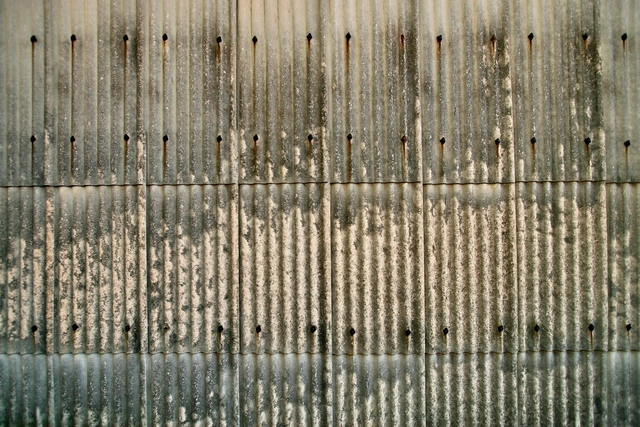
Photo by Monsieur Chitiàn, via Flickr. Licensed under CC BY-NC-ND 2.0
Widely used in roofing tiles and water tanks, the production of asbestos in Brazil was halted in 2017 by a Supreme Court ruling. Studies conducted by the World Health Organization prove that the material is carcinogenic; however, counter to this evidence and the consensus in 65 other countries, four Brazilian senators are calling for the resumption of the mineral's production.
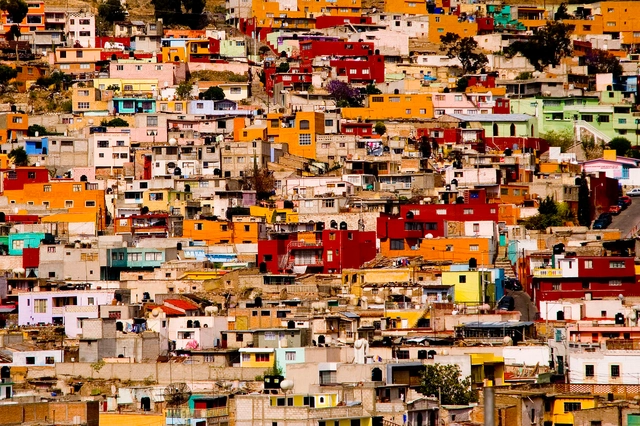
Favela in Pachuca, Mexico. Photo by go vegan go, via Wikipedia. License CC BY-SA 2.0
The Council of Architecture and Urbanism of Rio de Janeiro (CAU/RJ) has launched two public calls for sponsorship proposals and one partnership call for the production of short films on urban policy. The sponsorships focus on projects relevant to the knowledge, strengthening, and development of the profession in the state of Rio de Janeiro, as well as projects supporting technical assistance for social interest housing (ATHIS).
The tension between modernity and tradition is the most striking feature of Hans Broos's work, as evidenced by his designs for Cia Hering, where eclectic buildings are juxtaposed with exposed concrete structures in a symbiosis of historical eras.
Herein lies the radical contemporaneity of his work: Broos understands the contemporary as the coexistence of distinct eras meeting at the same moment, shaping the wonderful entanglement of which time is made, as Lina Bo used to say.
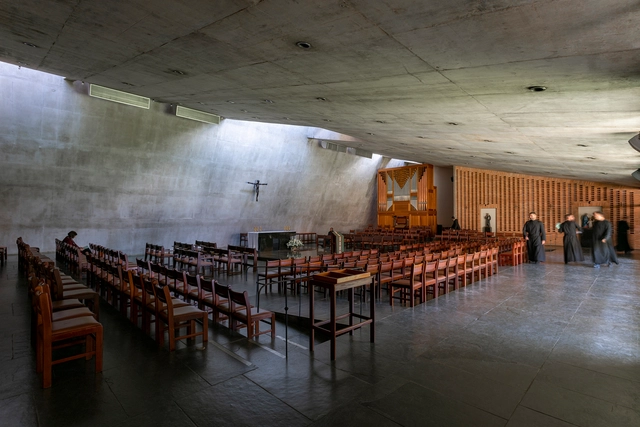
Photo: Luigi Versaggi, via Flickr; license CC BY-SA 2.0
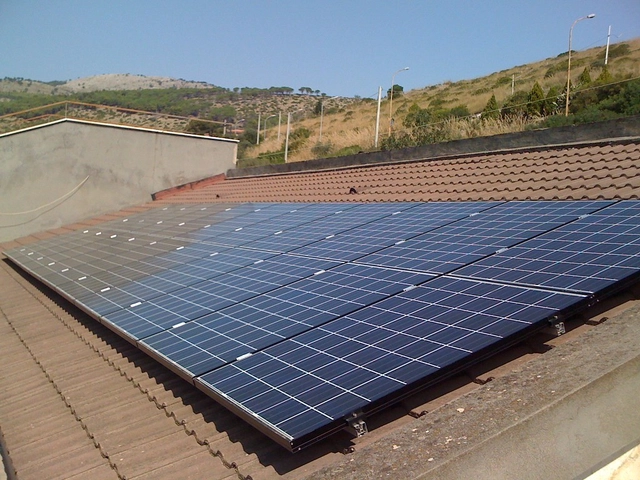
A new law scheduled for approval by the end of the first half of 2019, set to take effect by decree in 2020, is expected to establish guidelines and objectives for solar energy use in the city of São Paulo. Regulations from Palmas, in the Brazilian state of Tocantins, and California, in the United States, served as benchmarks to technically develop a bill tailored to the city's needs.
https://www.archdaily.com/1122563/new-law-encourages-the-use-of-solar-energy-in-the-city-of-sao-pauloMayra Rosa
Places are physical spaces imbued with cultural significance, to which values are assigned. In Brazil, the term was permanently integrated into the heritage vocabulary in 2000, following Decree No. 3,551—which established the four Registry Books, including the Registry of Places—and the implementation of the National Inventory of Cultural References. Within this framework, Place is, therefore, a category for classifying cultural assets.
Oscar Niemeyer, sem título (Catedral de Brasília). Image Cortesia de Instituto Tomie Ohtake
Following runs in Rio de Janeiro in 2017 and Brasília, the exhibition “Oscar Niemeyer (1907-2012) – Territories of Creation”, organized to mark the architect's 110th birth anniversary, arrives at the Tomie Ohtake Institute with several new additions.
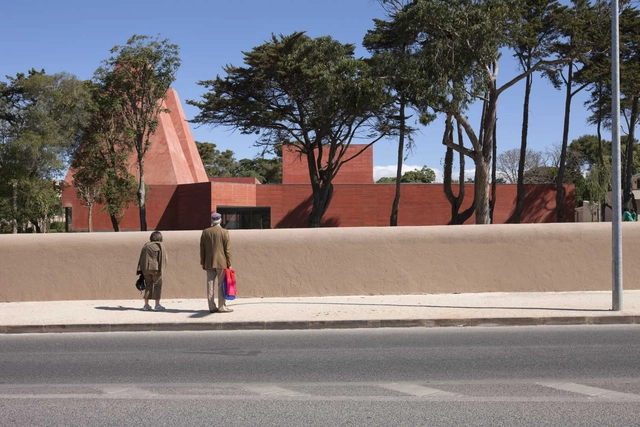
Signs all over the city, on trains and subways. The words "Souto Moura" require no further explanation in a city with two world-renowned architects. It is the opening night of his exhibition "Souto de Moura: Memory, Projects, Works" at Casa da Arquitectura on October 18, 2019, and the two greatest leading figures of the so-called Porto School are there, side by side. Álvaro Siza, alongside other guests of honor, walks through all forty projects in the exhibition, listening to Eduardo Souto de Moura's concise, humble, and almost simple explanations of each one. They are Portugal's two Pritzker laureates, who also happen to live and work in the same buildings, in addition to having collaborated on several projects. Eduardo does not hide his pride in Siza's presence at his solo exhibition. Nor does he hesitate to acknowledge the master's influence on his career. Yet Souto de Moura's architecture is unique; it has a life of its own. And everyone there knows it.
In May of this year, *The Guardian* recommended in its style guide that journalists and contributors heighten their language when discussing climate change or global warming. Now, the British newspaper announced, it is a climate crisis, emergency, or climate breakdown.
https://www.archdaily.com/1122551/climate-crisis-and-the-right-to-the-cityTama Savaget e Henrique Frota
Growth Acceleration Program (PAC). Via: VisualHunt / CC BY-NC-SA
The Government of the State of São Paulo has established the Nossa Casa housing program, which aims to stimulate private investment in social interest housing geared toward low-income populations. The program came into effect through Decree No. 64,388 of August 14 of this year.
This week marks the launch of the national advertising campaign by the Council of Architecture and Urbanism of Brazil (CAU/BR), themed "Architecture and Urbanism, a Right for All." Its objective is to highlight the importance of the work of architects and urban planners for society as a whole, including those planning modest renovations and construction projects. As an example, the campaign features the Moradas da Saúde residential complex in Rio de Janeiro, designed by architect and urban planner Demetre Anastassakis.
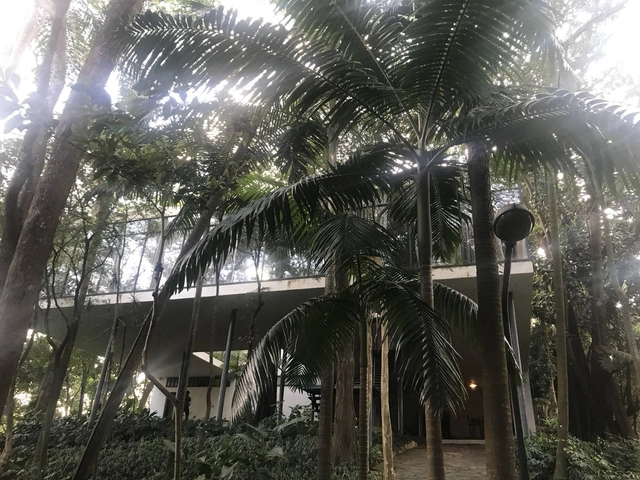
The Glass House, the residence where Lina Bo Bardi and her husband, Pietro Maria Bardi, lived for over 40 years and the current headquarters of the Lina Bo and P.M. Bardi Institute, will open its doors for a special free tour in celebration of São Paulo's 465th anniversary. The program begins at 11:30 AM and will feature the participation of the Institute's president, Waldick Jatobá.
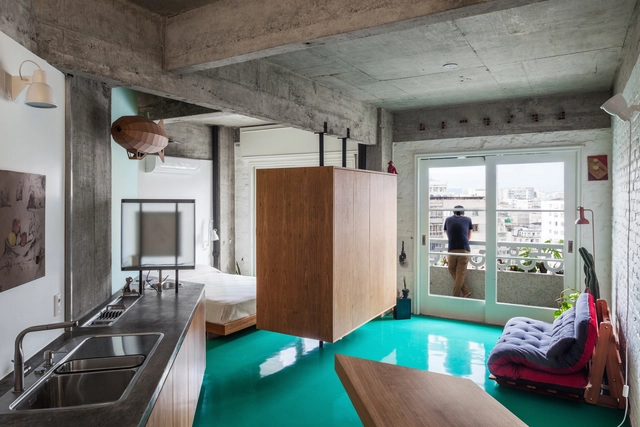
For several months, we have been publishing compilations of Brazilian residential projects across various themes in our Casas Brasileiras series. With this in mind, and considering the diverse challenges and scales that shape architectural practice—and, above all, contemporary living—we are launching our first article in the *Brazilian Apartments* series today. In it, we will explore the design challenges, innovative solutions, and new materialities of this housing typology.
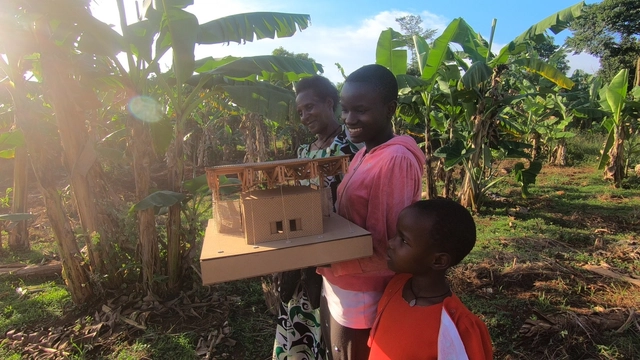
The **A Casa de Jajja **project explores the relationship between affection and architecture as an emancipatory practice. It grew out of research developed as Mariana Montag’s graduation thesis at the School of Architecture and Urbanism of Mackenzie Presbyterian University. This connection of affection emerged through her involvement in the School Project in Kikajjo, a rural village in Uganda, East Africa. There, Mariana met Jajja Imaculate, a strong and faithful 75-year-old woman, grandmother to Rose and Gift. Together, they designed and discussed what a house would look like—a home whose architecture not only shelters Jajja but also serves as an emancipatory practice challenging gender roles, with the construction process conducted through capacity-building workshops for women.
The exhibition “Organic Rational” on the work of architect Pedro Ramalho, curated by Nuno Brandão Costa and drawing on his archive recently donated to Casa da Arquitectura, is on view at the Gallery of Casa da Arquitectura – Portuguese Centre for Architecture, in Matosinhos, until September 8.
https://www.archdaily.com/1122613/organic-rational-pedro-ramalho-exhibition-at-casa-da-arquitecturaPedro Vada
Do you like podcasts? We recently partnered with ArquiCast, an excellent Portuguese-language podcast on Architecture and Urbanism hosted by Adilson Amaral, Aline Cruz, and Raphael Rodrigues. For those who don't know, a podcast is a type of audio program periodically updated by creators via RSS (Really Simple Syndication) technology for blogs. Check out some of the episodes they have already recorded discussing articles published on ArchDaily.
https://www.archdaily.com/1122588/arquicast-the-brazilian-podcast-on-architecture-and-urbanismPedro Vada
55Laney69 on VisualHunt.com / CC BY-NC - modified. Image via Visual Hunt
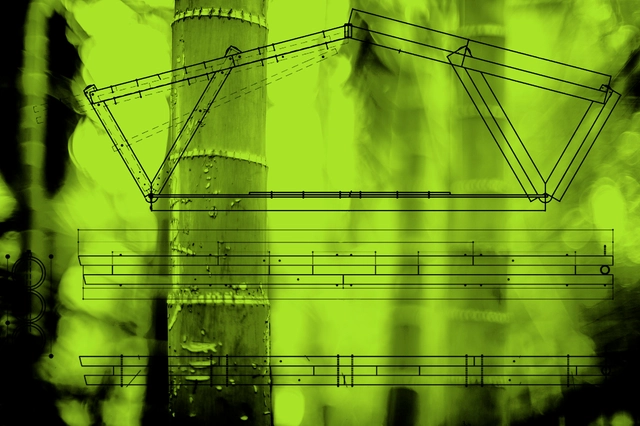
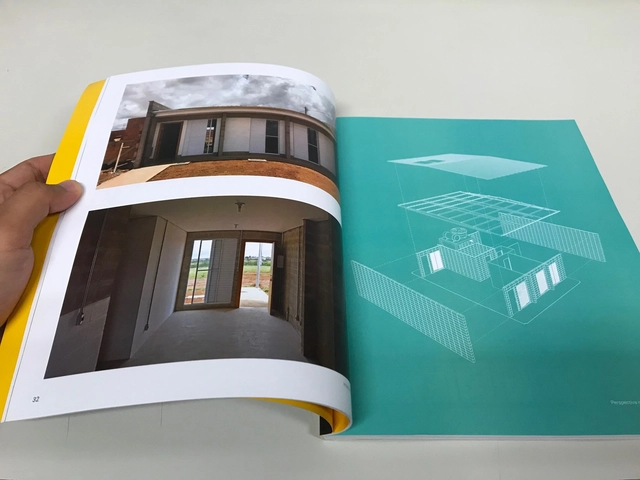
In this article shared by the Bamboo Experimentation Laboratory at UNESP - Bauru the researchers involved report on the construction of the Workshop Shed at the Horto de Aimorés Rural Settlement. The project utilized raw bamboo combined with round aroeira columns and metal connections. Read the summary submitted by the authors and the results of this process below.
https://www.archdaily.com/1122590/bamboo-components-production-design-and-prefabrication-processPedro Vada
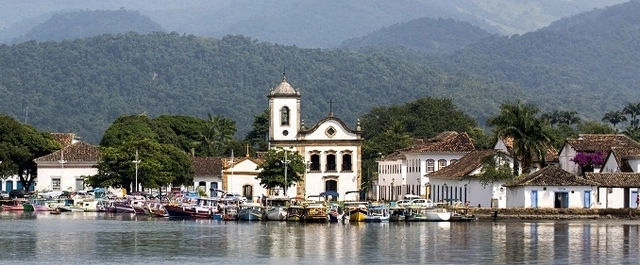
The site comprising the historic city of Paraty and the Ilha Grande Basin, in Angra dos Reis, in the southern region of Rio de Janeiro state, received a favorable technical recommendation this week from the United Nations Educational, Scientific and Cultural Organization (UNESCO) to become a World Heritage Site.
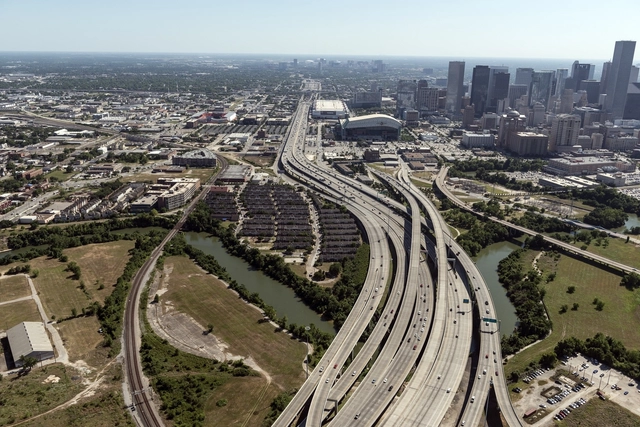
Aerial view of Houston. Courtesy of Caos Planejado
While conventional American urbanism is known to drive excessive sprawl, it is worth remembering that, ultimately, the true extent of a city's horizontal expansion lies far beyond the reach of urban planning controls.
A team of professionals from the Housing Company of the Federal District (CODHAB/DF) has launched a crowdfunding campaign for the publication series “Experiências em Arquitetura Social” (Experiences in Social Architecture). The books compile architecture and urban planning projects designed to improve the quality of housing design and construction in the Federal District.
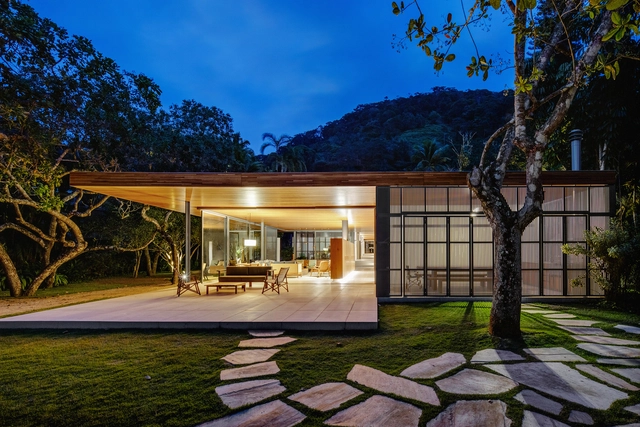
In architectural discourse, much is discussed regarding the influence of the site where a building is situated, whether through the incorporation of surrounding elements during the design process, or through the negation or overcoming of its undesirable characteristics. Some situations make this negotiation more evident than others, especially when the natural environment is dominant. In these cases, one constantly observes the tension between natural preexistence and human intervention, as well as the possible ways to achieve harmony between the two.
Since the 1970s, architecture has sought connections with other fields of art, looking for inspiration to break with the paradigms of the time in sculpture and painting, as well as in music and literature. In schools and professional practice, architectural projects were developed based on the study of "paintings by Vermeer, as well as those of the Cubists, the music of Bach, as well as Meredith Monk, literary fragments by Heraclitus, as well as Herman Melville's Moby-Dick and James Joyce's Finnegans Wake."[1]
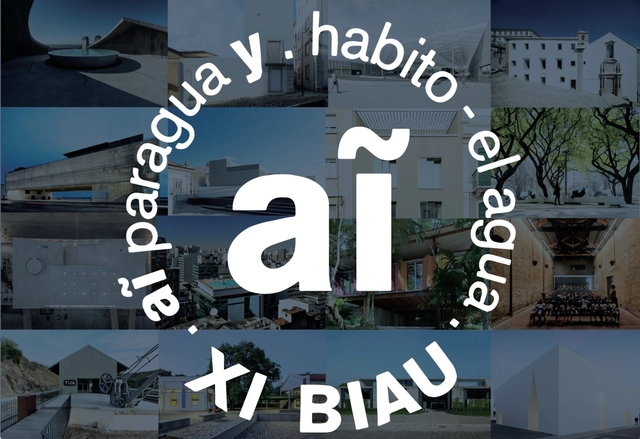
The XI Ibero-American Biennial of Architecture and Urbanism, which will take place in Paraguay, has just released the list of projects selected to participate in the exhibition. The selection was made by committees appointed by each country. In Brazil, those responsible are: UNA Arquitetos (curators), Carlos Eduardo Comas, Fernando Luiz Lara, Guilah Naslavsky, Guilherme Wisnik, Luciano Margotto, Naia Alban, Otávio Leonídio, and Paulo Henrique Paranhos. In Portugal, the selection was overseen by: Paulo David (curator), Ana Pedro Ferreira, and Pedro Maria Ribeiro. See the complete list of selected projects below.
https://www.archdaily.com/1122056/find-out-which-brazilian-and-portuguese-projects-were-selected-for-the-xi-biauPedro Vada

__S_d__caneta_hidrográfica_sobre_papel__33_x_48_cm.jpg?1553802678&format=webp&width=640&height=580)

.jpg?1560957484&format=webp&width=640&height=580)



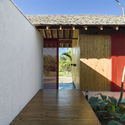
.jpg?1562845563 "House in Prumirim Beach / brro arquitetos. Image: © André Scarpa")