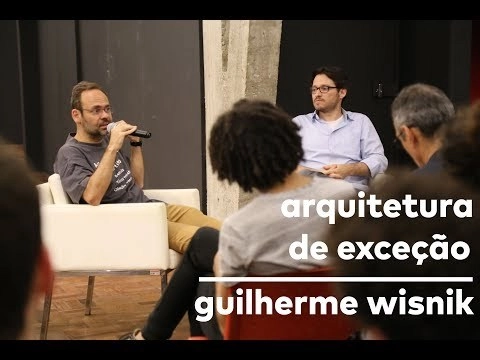
An open lecture on architect Paulo Mendes da Rocha and the Brazil Pavilion at Expo ’70 Osaka, as part of the exhibition "Architecture of Exception – The Brazil Pavilion at Expo ’70 Osaka." Exhibition curators José Paulo Gouvêa and Alexandre Benoit invite FAUUSP professor Guilherme Wisnik and Daniele Pisani, professor at Politecnico di Milano and author of the book Paulo Mendes da Rocha: Complete Works (Gustavo Gili, 2002).
https://www.archdaily.com/1122306/architecture-of-exception-guilherme-wisnik-and-daniele-pisaniPedro Vada
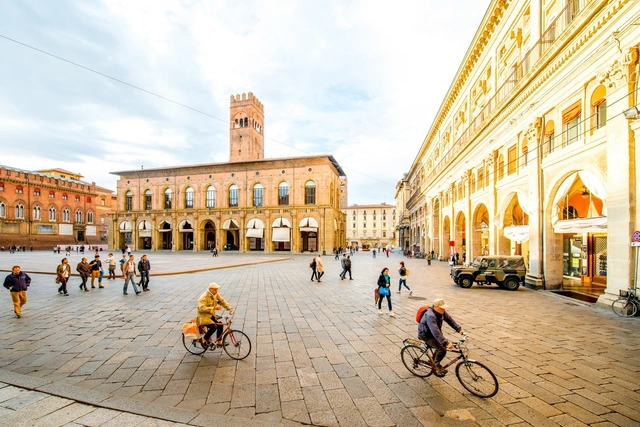
One of Italy's most important culinary hubs, Bologna is aiming to encourage its residents to adopt cycling, public transit, or simply walking as their primary means of transportation—leaving their cars at home. To achieve this, the city has launched an incentive program.
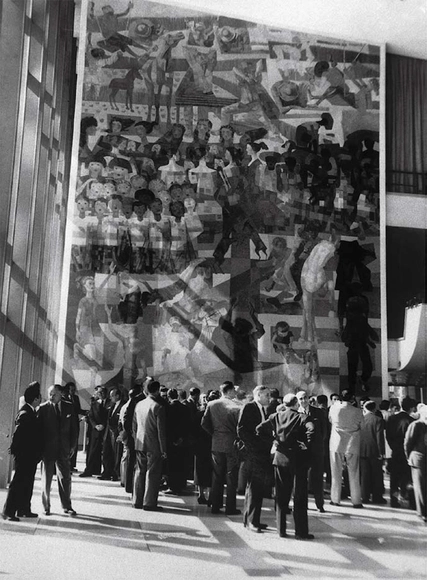
Painel "Guerra e Paz" de Candido Portinari na ONU, Nova Iorque. Image Cortesia de Oficina de Mosaicos
Led by the Portuguese duo Isabel Ruas and Gonçalo Ruas, the studio Oficina de Mosaicos will create a mosaic reinterpretation of the work War and Peace, the monumental panel painted by Candido Portinari and donated to the UN in 1956. The piece will be permanently displayed at the USP campus in Butantã. The project has the support of the artist's son, João Portinari, and is currently in its fundraising phase.
Discovering the stories behind architectural projects and urban interventions is the premise of ARQ.DOC, a new series set to premiere in January 2019 on YouTube. Produced in a documentary format, the episodes explore the creative diversity of Brazilian architecture.
On October 19, a workshop on implementing an ecological sanitation system will be held. The event will take place in São Paulo's South Zone and is open to anyone interested. The workshop is organized by the social-environmental project cooperative Sapiência Ambiental in partnership with the UFABC Agroecology Center.
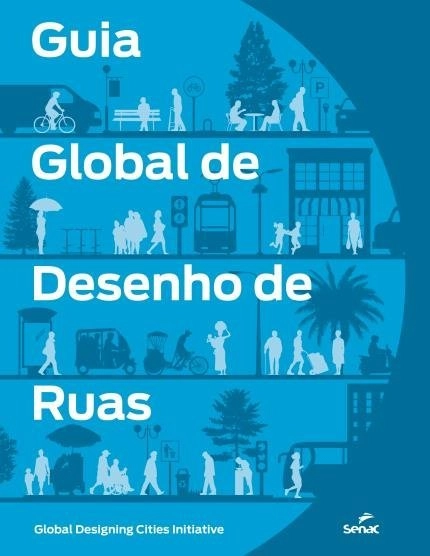
The urban public space between two architectural masses is defined as a street. It is where we establish the relationship between motorized vehicles, non-motorized transport, and pedestrians. In managing this relationship, public space requires a series of systems to guarantee active occupancy, in addition to infrastructure and safety. Consequently, the proper design of roadways and their immediate public surroundings becomes essential. Beyond what meets the eye, water, gas, electricity, and telecommunications networks are laid out beneath our feet, completely unnoticed.
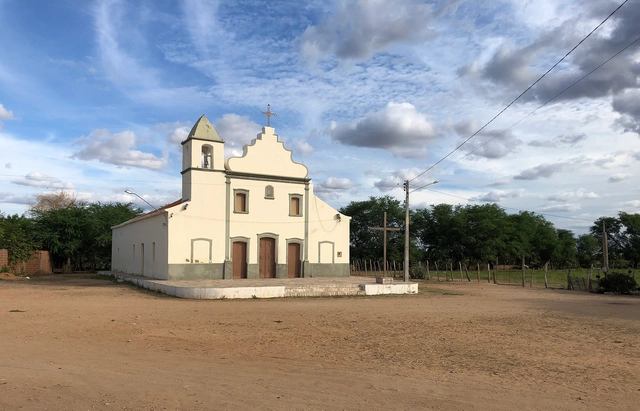
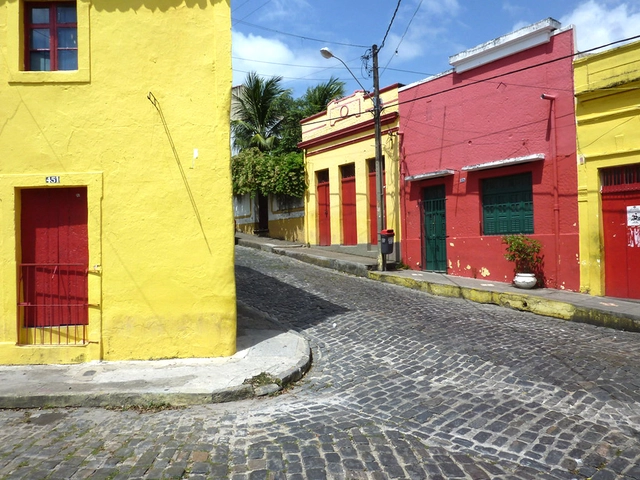
Church in Belém de São Francisco, Pernambuco. Photo by Oliver de Luccia, 2019
These river journeys are intended for on-site research, documentation, and data collection focusing on rivers. They are conducted by researchers from the Fluvial Metropolis Group of the Faculty of Architecture and Urbanism at the University of São Paulo (FAUUSP), coordinated by Professor Alexandre Delijaicov. Each researcher maps out their itinerary based on personal interests, yet shares a common goal: to gather design references for fluvial infrastructure architecture, expanding the research group's imaginary and repertoire. The driving question for the researchers is: how do people relate to the river waters flowing through their metropolises, cities, or towns within the built environment along the riverbanks? The boundary defined by the elements of land and water is the starting point for this observation.
Do you like podcasts? We recently partnered with ArquiCast, an excellent Portuguese-language podcast on Architecture and Urbanism hosted by Adilson Amaral, Aline Cruz, and Raphael Rodrigues. For those who don't know, a podcast is a type of audio program periodically updated by creators via RSS (Really Simple Syndication) technology for blogs. Check out some of the episodes they have already recorded discussing articles published on ArchDaily.
https://www.archdaily.com/1122588/arquicast-the-brazilian-podcast-on-architecture-and-urbanismPedro Vada
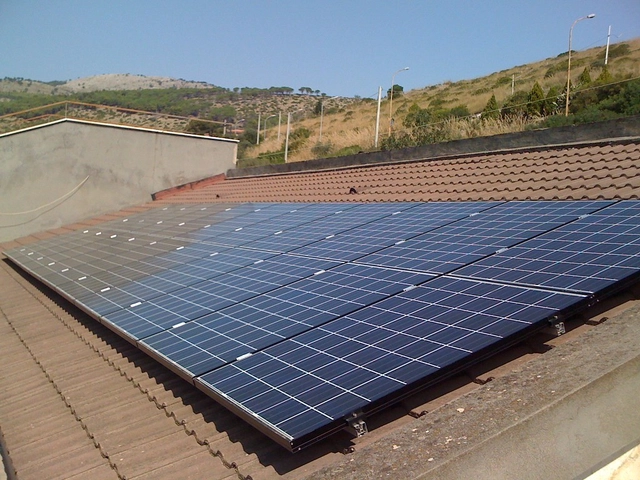
Photo: Luigi Versaggi, via Flickr; license CC BY-SA 2.0
A new law scheduled for approval by the end of the first half of 2019, set to take effect by decree in 2020, is expected to establish guidelines and objectives for solar energy use in the city of São Paulo. Regulations from Palmas, in the Brazilian state of Tocantins, and California, in the United States, served as benchmarks to technically develop a bill tailored to the city's needs.
https://www.archdaily.com/1122563/new-law-encourages-the-use-of-solar-energy-in-the-city-of-sao-pauloMayra Rosa
Places are physical spaces imbued with cultural significance, to which values are assigned. In Brazil, the term was permanently integrated into the heritage vocabulary in 2000, following Decree No. 3,551—which established the four Registry Books, including the Registry of Places—and the implementation of the National Inventory of Cultural References. Within this framework, Place is, therefore, a category for classifying cultural assets.
Economic and urban processes are known to drive major modifications in the urban structure. In light of the events of January 25, 2019, with the collapse of the Brumadinho dam, it is clear that environmental negligence by major mining corporations also has the power to produce profound consequences and alter the ways in which people inhabit and utilize the territory.
https://www.archdaily.com/1122572/the-importance-of-the-urban-planner-in-territorial-intervention-the-case-of-marianaAryane Diaz e Sérgio Lessa
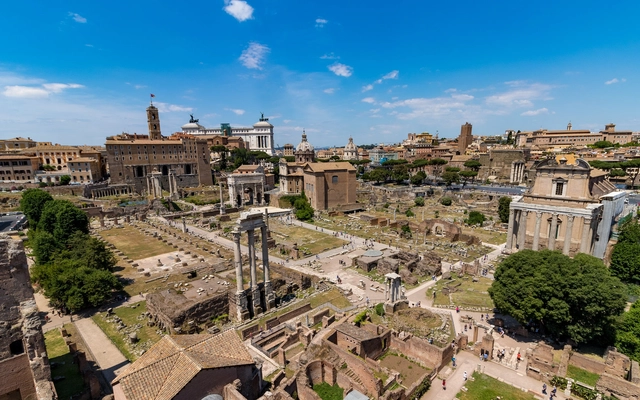
Ruins of the Roman Forum. Photo: hl_1001 on Visual Hunt / CC BY-NC
Metropolis is a word derived from the Greek metropolis, a combination of meter (mother or womb) and polis (city). Thus, the metropolis is the mother city, the most important within a context where several interconnected cities depend on one another to fully function. In most cases, metropolises feature conurbations of multiple urban clusters.
https://www.archdaily.com/1122579/what-does-ancient-rome-have-to-teach-brazilian-metropolisesPaulo Sa Vale
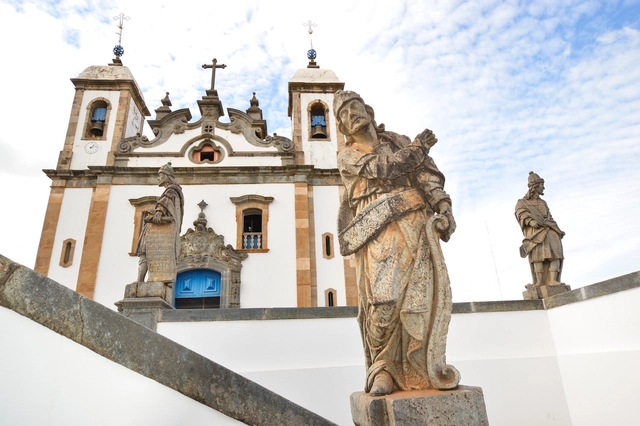
The artistic production of the Minas Gerais Baroque was considered the first genuinely Brazilian art. Sanctuary of Bom Jesus de Matosinhos in Congonhas do Campo - MG. Photo by Paulo Hulyk, via Flickr. License CC BY-NC 2.0
The term identity lends itself to various definitions depending on the disciplinary field. Discussions of the term in social theory have frequently been appropriated by the cultural heritage field. Therefore, it is useful to trace the dynamics of this expression's transformation within the social sciences. In this context, identity relates to the individual's self-conception, their sense of belonging, and their group affiliations.
Primeiro lugar. Image Cortesia de Prefeitura de Ribeirão Preto
Organized by the Municipality of Ribeirão Preto last October, the competition for the city's Administrative Center has concluded with the selection of three winning projects and two honorable mentions. Discover the selected projects below:
As a result of three months of training in local engagement within the pioneering COURB Ambassadors Program, mobilizers from various Brazilian cities promoted actions in their territories. Aiming for the collaborative construction of inclusive cities, the Articulation Journey—a highly collaborative effort—took place between August and September and featured three types of actions: roundtables, territorial interventions, and collective proposals. The ambassadors mapped and engaged more than 150 institutions in the program, including city halls, universities, collectives, businesses, and organizations.
https://www.archdaily.com/1122586/three-ways-to-activate-urban-space-courb-articulation-journeyCOURB Brasil
Designing in a country with a predominantly equatorial or tropical climate requires decisions that mitigate heat gain within the building's interior. The versatility, functionality, and aesthetic appeal of the brise-soleilencourage architects—particularly within the Brazilian context—to incorporate them into residential designs. The brise-soleil, or sunshade, acts as a middle ground between openness and enclosure, controlling natural light without obstructing ventilation. Furthermore, this system strikes a balance between interior privacy and exterior views.
Urban densification and the demand for urban land have, among other things, led to a reduction in lot sizes in cities. Large parcels of land once destined for single-family homes have made way for multi-family buildings that, depending on their location, feature commercial establishments and services on their ground floors. Building a house in major urban centers is no easy task, largely due to the scarcity of available plots, or their reduced dimensions when they can be found.
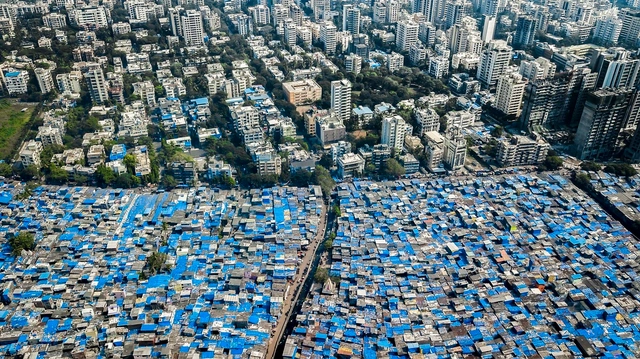
Imagine Lagos, Nigeria, a city of 22 million people. What was once a small coastal town just a few decades ago has exploded into a sprawling megacity stretching over more than 1,170 square kilometers. This rapid growth has strained municipal services to their limit: less than 10% of people live in homes connected to sewer networks, and less than 20% have access to running water. Many homes are in slums or informal settlements on the city’s periphery.
Now imagine Lagos twice as large.
https://www.archdaily.com/1122528/cities-are-growing-horizontally-not-vertically-3-reasons-why-this-is-a-problemJillian Du e Anjali Mahendra
Quilombo Cangume, Itaóca (2004). Photo: Luis Eduardo Tavares, photo taken during the Cinevale em Movimento 2004 project. Via Flickr. CC BY-SA 2.0 License
By introducing terms associated with quilombos in two of its articles, the 1988 Federal Constitution paved the way for social peasant movements, mobilized and organized around ethnic identity, to appropriate this category. This was an unforeseen outcome for legislators, who had approached the quilombo category from a past-oriented perspective, relying on an archaeological and exoticizing view of cultural heritage associated with non-Luso-Brazilian cultural roots.
Photo by Monsieur Chitiàn, via Flickr. Licensed under CC BY-NC-ND 2.0
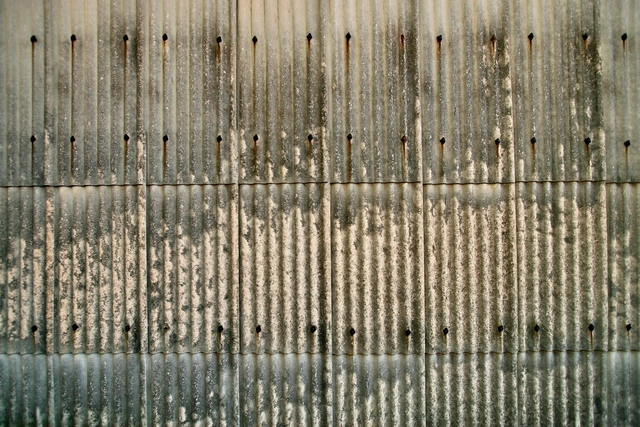
Widely used in roofing tiles and water tanks, the production of asbestos in Brazil was halted in 2017 by a Supreme Court ruling. Studies conducted by the World Health Organization prove that the material is carcinogenic; however, counter to this evidence and the consensus in 65 other countries, four Brazilian senators are calling for the resumption of the mineral's production.
In May of this year, *The Guardian* recommended in its style guide that journalists and contributors heighten their language when discussing climate change or global warming. Now, the British newspaper announced, it is a climate crisis, emergency, or climate breakdown.
https://www.archdaily.com/1122551/climate-crisis-and-the-right-to-the-cityTama Savaget e Henrique Frota
Growth Acceleration Program (PAC). Via: VisualHunt / CC BY-NC-SA
The Government of the State of São Paulo has established the Nossa Casa housing program, which aims to stimulate private investment in social interest housing geared toward low-income populations. The program came into effect through Decree No. 64,388 of August 14 of this year.
Signs all over the city, on trains and subways. The words "Souto Moura" require no further explanation in a city with two world-renowned architects. It is the opening night of his exhibition "Souto de Moura: Memory, Projects, Works" at Casa da Arquitectura on October 18, 2019, and the two greatest leading figures of the so-called Porto School are there, side by side. Álvaro Siza, alongside other guests of honor, walks through all forty projects in the exhibition, listening to Eduardo Souto de Moura's concise, humble, and almost simple explanations of each one. They are Portugal's two Pritzker laureates, who also happen to live and work in the same buildings, in addition to having collaborated on several projects. Eduardo does not hide his pride in Siza's presence at his solo exhibition. Nor does he hesitate to acknowledge the master's influence on his career. Yet Souto de Moura's architecture is unique; it has a life of its own. And everyone there knows it.
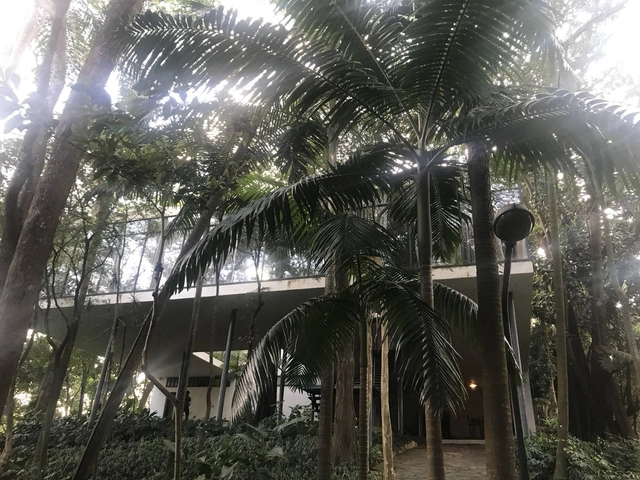
The Glass House, the residence where Lina Bo Bardi and her husband, Pietro Maria Bardi, lived for over 40 years and the current headquarters of the Lina Bo and P.M. Bardi Institute, will open its doors for a special free tour in celebration of São Paulo's 465th anniversary. The program begins at 11:30 AM and will feature the participation of the Institute's president, Waldick Jatobá.




.jpg?1554907489&format=webp&width=640&height=580)
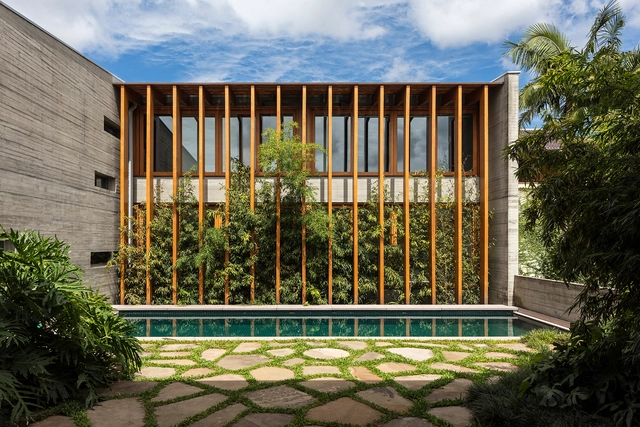
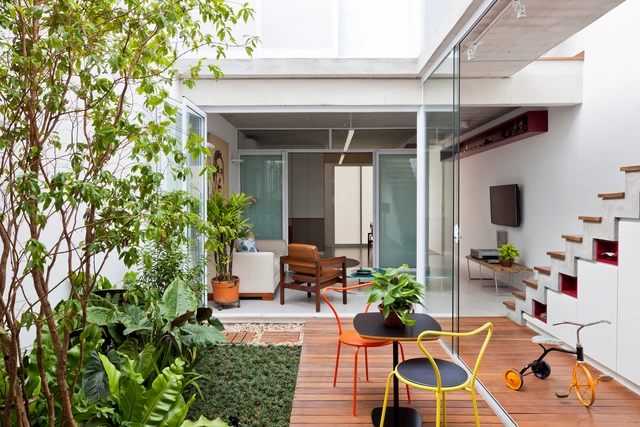

.jpg?1547216045 "Pirajá House / Estúdio BRA. Photo: © Maíra Acayaba")