1. ArchDaily
  2. Civic Design

Civic Design: The Latest Architecture and News

Renzo Piano On 'Civic Duty' In Our Cities

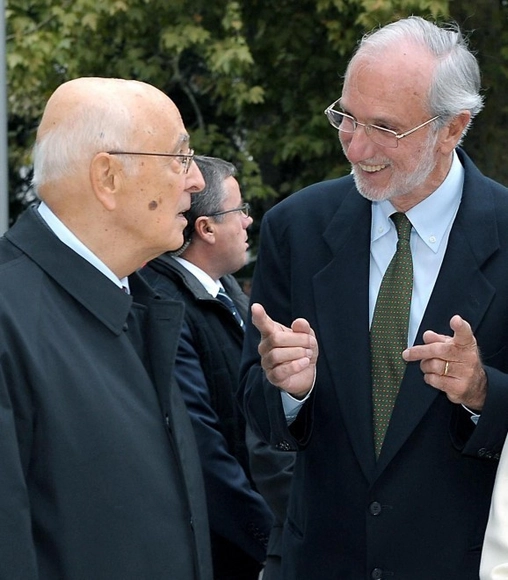
In The New Yorker's latest Postcard from Rome Elizabeth Kolbert talks to Renzo Piano in his Senate Office at the Palazzo Giustiniani, just around the corner from the Pantheon. Piano, who was named a Senator for Life by Italian President Giorgio Napolitano in September 2013 (when he was 75 years of age), immediately "handed over the office, along with his government salary, to six much younger architects." He then "asked them to come up with ways to improve the periferie - the often run-down neighborhoods that ring Rome and Italy’s other major cities." Kolbert attests to Piano's belief in the power of museums and libraries and concert halls. For him, "they become places where people share values [and] where they stay together." "This is what I call the civic role of architecture."

Design Excellence of US Embassies: Openness and Security

"The works of our artists, architects, and preservationists provide us with another language of diplomacy. A transcendent language that allows us to convey values that are at once uniquely American yet speak to all of humanity.  Increasingly in this world, art and architecture help us maintain our sense of openness and liberation." -- Former Secretary of State Hillary Rodham Clinton, April 12, 2010 

An embassy is much more than a building or a work of architecture; it functions as a symbolic representation of countries' relationships to one another. It represents the universal language of diplomacy - "communicating values and ideals, extending well beyond any moment in time". An embassy has the difficult task of representing two diametrically opposed concepts: security and openness. The former typically overpowers the latter in importance, which is most probably why when we think of foreign embassies, it conjures up images of stately monolithic buildings surrounded by tall fences and menacing guards or "bunkers, bland cubes, lifeless compounds", according to Tanya Ballard Brown of NPR's All Things Considered.

More after the break...