Remember spending hours of your fleeting youth in front of the computer screen, building lively and complex towns with vibrant neighborhoods, schools, shopping centers, industry, power plants.. only to have them all destroyed by an unforeseen asteroid or UFO?
Let’s dump the word “zoning,” as in zoning ordinances that govern how land is developed and how buildings often are designed. Land-use regulation is still needed, but zoning increasingly has become a conceptually inappropriate term, an obsolete characterization of how we plan and shape growth. - Roger K. Lewis
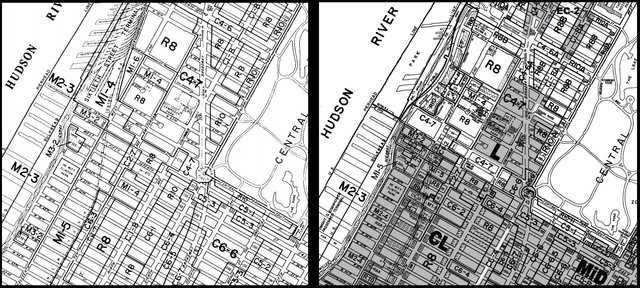
Zoning, just over a century old concept, is already becoming an outdated system by which the government regulates development and growth. Exceptions and loopholes within current zoning legislation prove that city planning is pushing a zoning transformation to reflect the goals and needs of city building today and in the future. To determine how zoning and land use need to change we must first assess the intentions of future city building. Planners and architects, legislators and community activists have already begun establishing guidelines and ordinances that approach the goals of sustainability and liveability. The AIA has established Local Leaders: Healthier Communities through Design and has made a commitment to the Decade of Design: Global Solutions Challenge. NYC has come up with Active Design Guidelines: Promoting Physical Activity and Health in Design and its Zone Green initiative in regards to updating its zoning resolution. Philadelphia has augmented its zoning to include urban farms and community gardens. It is safe to assume that many other cities will follow this precedent.
Approaching zero-waste is a matter of changing the way our culture thinks about use and reuse. It's not an impossible task, and San Francisco is leading the march to establish a feasible means of enacting public policy, structuring programs and educating the public on what it means to be "zero-waste". With a goal set for 2020, SF hopes to keep 100% of its waste out of landfills. Mayor Ed Lee estimates that the leading waste management company "Recology" is diverting nearly 80% of trash from landfills to be recycled or turned into compost. This begins with a public policy that sets a standard and gains traction as citizens embrace the goals of the city. Support programs reinforce these guidelines that eventually become habits and a cultural response to treating our environment.
Read on after the break for more on San Francisco's road to "zero-waste".