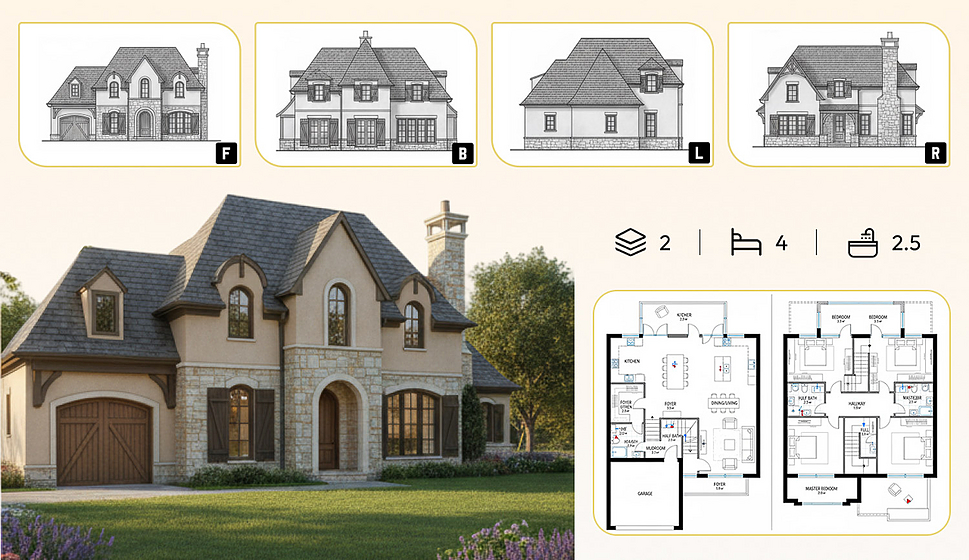
This guide covers a workflow that moves from project parameters to generated floor plans, 3D perspective views, exterior design exploration, and site context visualization, using AI tools in place of preliminary CAD and rendering work.
This guide covers a workflow that moves from project parameters to generated floor plans, 3D perspective views, exterior design exploration, and site context visualization, using AI tools in place of preliminary CAD and rendering work.
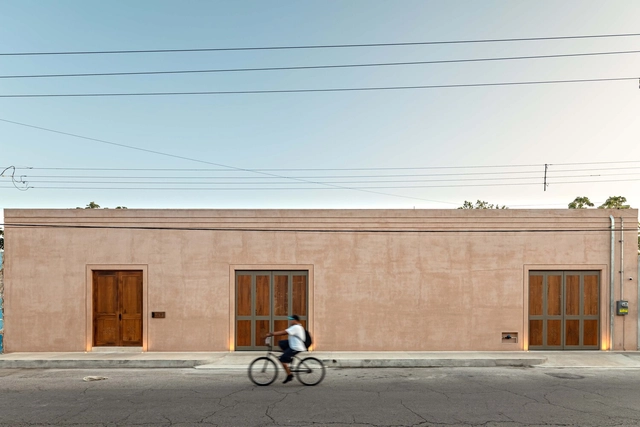
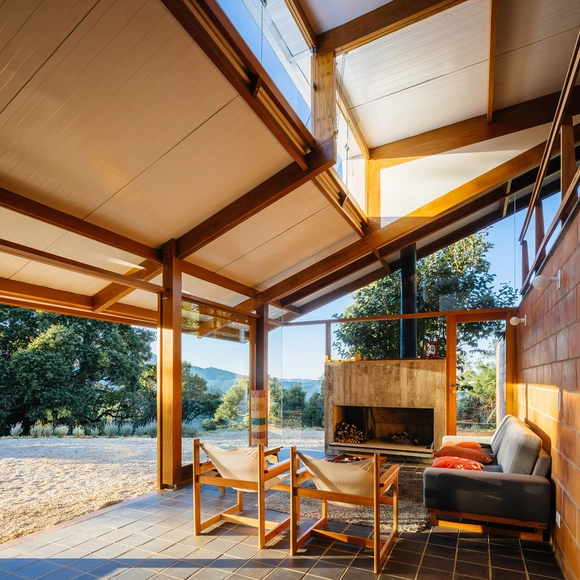
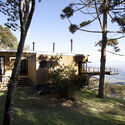
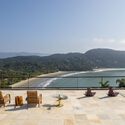
Spanning over 500 kilometers across the states of Rio de Janeiro, São Paulo, and Minas Gerais, the Serra da Mantiqueira has become in recent years one of the favorite destinations for travelers seeking mild climates and a countryside atmosphere. Towns like Gonçalves, Monte Verde, Campos do Jordão, Santo Antônio dos Pinhais, and Camanducaia are just a few of the municipalities in the Mantiqueira region that have attracted a growing number of visitors seeking a closer connection with nature.
The mountain range has altitudes varying between 1,000 and 3,000 meters, resulting in low temperatures for its latitude. Additionally, mist and occasional frost lend the landscape a bucolic character quite distinct from other nearby, lower-elevation areas—an effect that becomes even more pronounced in the winter.
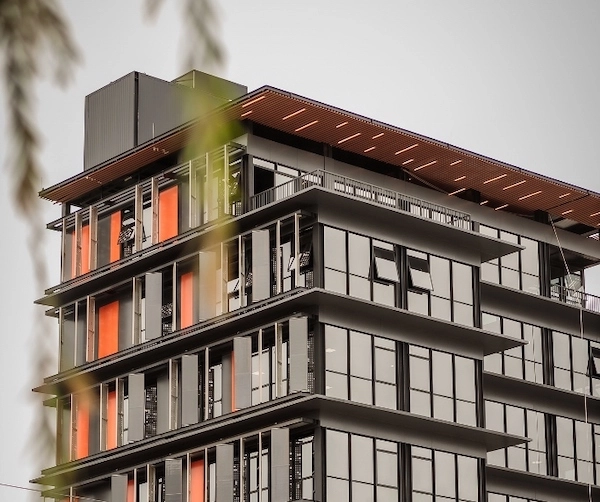
The Level Building, an eight-story corporate building constructed in downtown Tubarão, Santa Catarina, took just 100 days to complete, with 20 of those days dedicated exclusively to on-site assembly. This was made possible by using off-site construction methods, meaning it was fabricated in a factory. Due to its scale and rapid timeline, the off-site building is being hailed as a milestone in Brazilian construction. “It is the largest volumetric off-site building in Latin America,” says Ricardo Mateus, CEO and founder of the construction tech company Brasil ao Cubo, the firm behind the project.
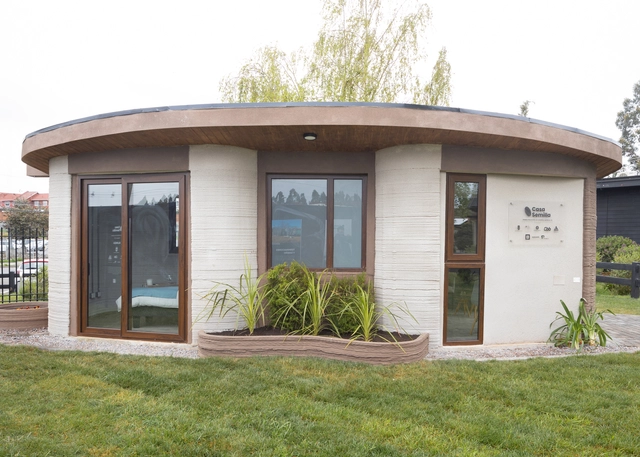
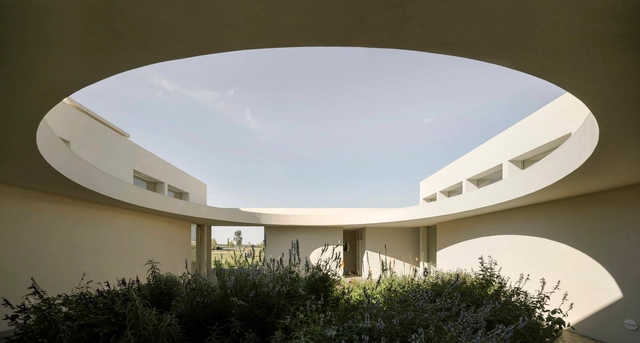

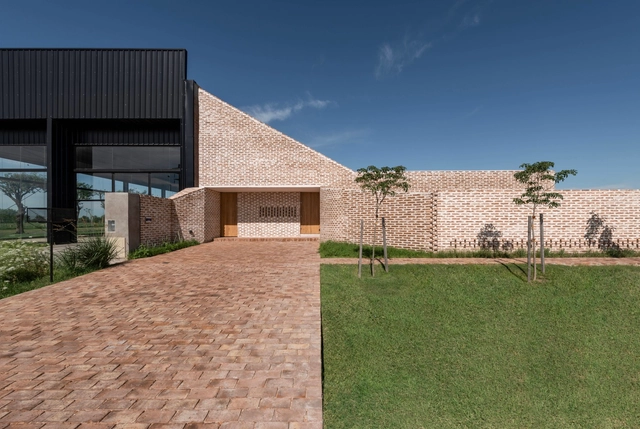
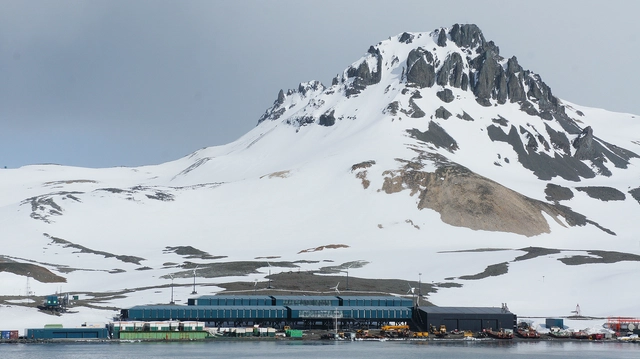
Registration for the 8th Instituto Tomie Ohtake AkzoNobel Architecture Prize has been extended until September 9. Submissions can be made online and free of charge on the award website.
The initiative—aimed at Brazilian or foreign architects who have lived in Brazil for at least two years and present projects built over the last ten years—continues to map contemporary architectural production, highlighting significant projects in the current Brazilian landscape. Commitment to the site and sustainability, as well as design and constructive inventiveness, are key aspects of the evaluation process.

Following a one-year hiatus imposed by the coronavirus pandemic, Open House Porto (OHP) returns in an adapted format that aims to celebrate the relationship between citizens and public space. On July 3 and 4, the public will be able to visit and explore 16 spaces in Matosinhos, Porto, Vila Nova de Gaia, and, for the first time, Maia, which is making its debut in the event.

New award to recognize projects and initiatives that improve walking conditions in Brazilian cities
The first edition of the Walkable City Award, organized by SampaPé! with the support of ITDP Brazil and Walk21, will reward and highlight public sector efforts to improve walkability in Brazilian cities in recent years.
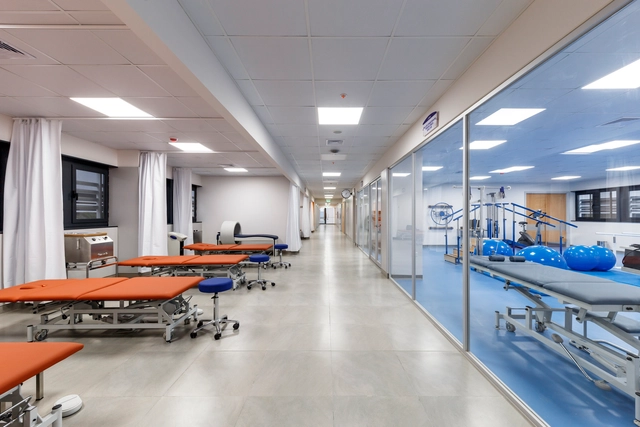
On July 2, Brazil celebrated Hospital Day. The date commemorates the founding of the Santa Casa de Misericórdia de Santos Hospital, in the state of São Paulo, in 1945—considered one of the largest in the country—and today serves as a way to honor healthcare professionals, from doctors and nurses to social workers, technicians, and administrative staff.
Naturally, in the current context, this date takes on an even deeper layer of meaning, becoming also an opportunity to celebrate the immeasurable efforts of healthcare professionals who fight daily to ensure the survival of hundreds of thousands of people infected by the coronavirus. To mark the occasion beyond national borders, we have gathered ten Latin American hospital projects here.