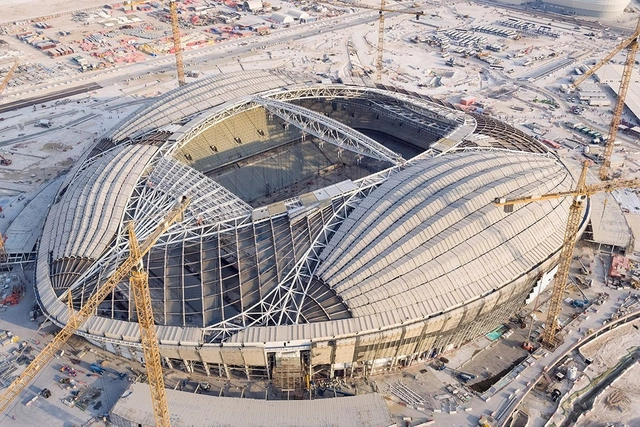
Al Wakrah Stadium construction. Image courtesy of the Supreme Committee for Delivery & Legacy
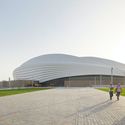
Between February 2014 and September 2015—just a few months before her untimely and unexpected passing—architect Zaha Hadid was at the center of a heated and controversial debate. This debate focused, on one hand, on the growing and increasingly severe allegations concerning labor conditions in Qatar in general, and specifically on construction projects undertaken for the 2022 FIFA World Cup (ITUC, 2014; Amnesty International, 2016); and, on the other hand, on the design of the Al Wakrah Stadium—developed by the London-based architecture firm that bears her name, and signed by Hadid and Patrik Schumacher for the event.
https://www.archdaily.com/1123662/architecture-form-and-labor-reflections-on-zaha-hadid-and-the-stadium-construction-for-the-2022-world-cup-in-qatarMarianna Boghosian Al Assal
When discussing indigenous peoples, it always seems like something far from us, something that does not belong to us—relegated to the distant forest, to history, and so on. This segment of the population is often met only with prejudice and stereotypes. Even the term “indigenous culture” is commonly romanticized, even by self-proclaimed experts, whether out of ignorance, lack of access to accurate information, or sheer intellectual laziness. Yet the fact remains: we have always had indigenous peoples among us.
https://www.archdaily.com/1123466/indigenous-peoples-in-urban-spaces-it-was-not-the-village-that-came-to-the-city-but-the-city-that-came-to-the-villageDanielle Klintowitz, Fernanda Correia e Marcos Aguiar
In this week's Seminar on Culture and Contemporary Reality, organized by Escola da Cidade, Guilherme Wisnik speaks with Ana Luiza Nobre, an architect and professor at PUC-Rio, where she coordinates the Là/Laboratório de Análises Arquitetônicas.
https://www.archdaily.com/1124072/un-common-waiting-conversation-between-guilherme-wisnik-and-ana-luiza-nobreArchDaily Team
The social housing situation in Latin America is often quite similar, varying primarily according to specific local climate adaptations. However, in most architecture schools, it is uncommon for undergraduate curricula to delve deeply into this subject. Perhaps the best way to understand these housing typologies—from an architectural standpoint—is through direct experience.
https://www.archdaily.com/1123810/an-architecture-students-experience-with-social-housing-in-cubaJuan Miguel de la Fuente
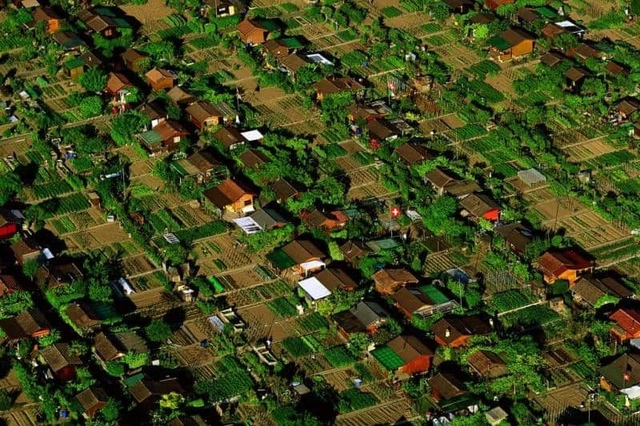
Les Avanchets is a Swiss town where the majority of residents grow their own food in home gardens. Beyond cultivation, trading food is also common practice: those with surplus carrots trade them for cabbage or lemons, ensuring everyone has access to a healthy, diverse, and pesticide-free diet.
When it comes to climate change, the headlines can sometimes seem contradictory. One day, we read about catastrophic wildfires wreaking havoc across the globe; the next, we see an optimistic article about the rapid rise of solar and wind energy. Taken together, these narratives can make it difficult to grasp the big picture of climate action. Are countries actually implementing effective solutions if greenhouse gas (GHG) emissions continue to rise? In which areas has the world made enough progress to overcome the climate crisis, and where are the gaps? What specific measures are needed to get us on the right track?
https://www.archdaily.com/1136114/what-the-world-can-still-do-to-keep-global-warming-below-degrees-cWRI Brasil
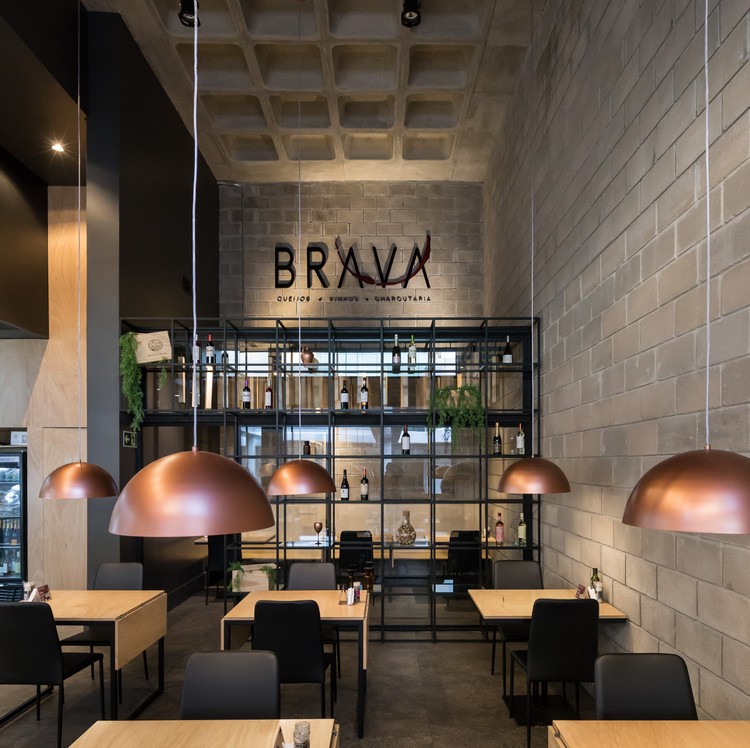
A benchmark in the Brazilian lighting market, designer Cris Bertolucci is inaugurating an expansion of her concept store as part of the celebrations for the brand's 13th anniversary.
With its sights set on the future, in 2024, the Universidad Católica del Uruguay is adding the Architecture, Design, and Environment program to its academic offerings. Felipe Reyno, PhD in Architecture and director of this new degree program, reflects on the need to train architects with a contemporary, contextual, diverse, critical, and collaborative perspective.
Aiming to promote independent design, contemporary craftsmanship, and Brazilian art, the Feira na Rosenbaum has chosen Belo Horizonte for another edition of "Feira pelo Brasil," taking place from November 23 to 26 at the historic Mercado Novo, located at 742 Olegário Maciel Avenue, in the city center.
The Museu A CASA do Objeto Brasileiro is hosting the SP Artesanal Christmas Fair, an initiative that blends art, solidarity, and culture, featuring over twenty exhibitors. The exhibition will take place from November 24 to 26 at the Espaço de Encontros of the Museu A CASA, located at 1216 Av. Pedroso de Morais, in Pinheiros, São Paulo.
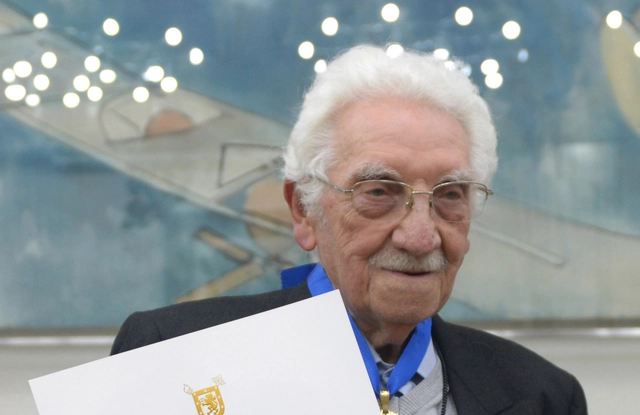
Courtesy of Communications Unit, Faculty of Architecture and Built Environment, University of Santiago, Chile
The Universidad de Santiago de Chile awarded its highest academic distinction to architect Miguel Lawner Steiman, who received an honorary doctorate on November 16.
Everyone is eager to return to the new routine of the future that lies ahead. The COVID-19 pandemic has demanded daily innovation as well as adaptation in the way we live. Solutions are highly diverse. Many of them were already available but, under normal circumstances, might have taken years to be tested and approved. Others are not only old acquaintances but have long been advocated and demanded by us. Now that they have had to be implemented in record time, our only certainty is this: nothing will be as it was before.
https://www.archdaily.com/1123792/pedestrian-mobility-in-times-of-pandemicWans Spiess, Kelly Fernandes e Ana Carolina Nunes
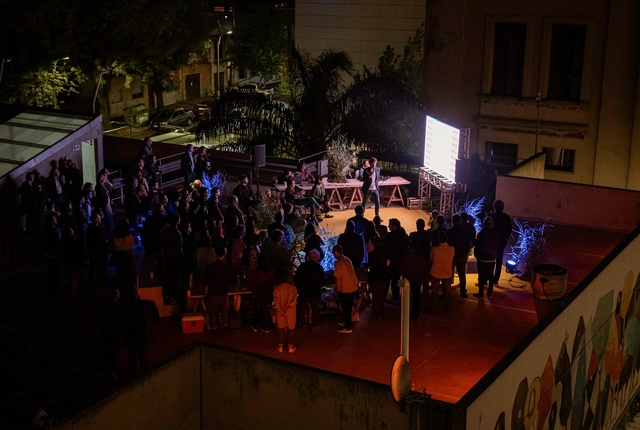
This Wednesday, April 22, FAU Encontros will host the first episode of tão longe, tãoperto, a debate series proposed by architect and professor Marta Bogéa. Lisbon-based architect Manuel Aires Mateus and São Paulo-based architect Marina Acayaba will join the conversation.
Among the diverse range of programs and typologies within architectural and urban practice, public and cultural projects perhaps have the greatest impact on urban life. This type of program is certainly compelling, as it involves designing buildings and spaces that will be appropriated by a vast number of users with diverse demands and ways of occupying space.
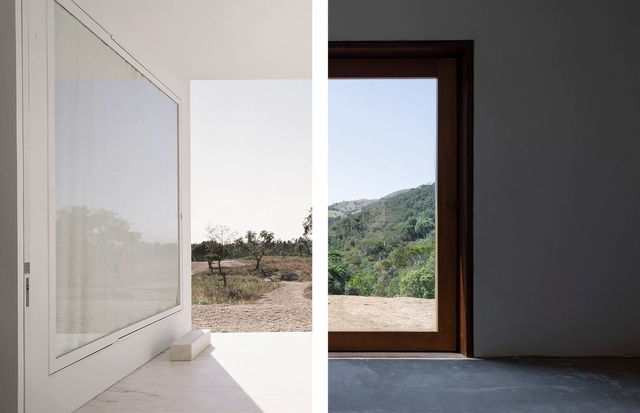
Repurposing an existing structure, either by assigning it a new use or simply improving its condition, is a smart strategy in our current environmental context of rapid resource consumption. While finding ways to rehabilitate a building is a core task of architecture, the mission becomes far more complex when the pre-existing structure is imbued with deep cultural and historical value. Indeed, intervening in—and altering—architectural heritage means redesigning the past and prescribing a future, which may or may not introduce new ways of using the space.
At 60, Brasília continues to command attention. No one seems indifferent to the flaws and merits of the first contemporary city to be designated a World Heritage Site. On the anniversary of the Brazilian capital, we look at its walkability, exploring why the controversies surrounding its lack of urbanity are well-founded.





.jpg?1587013812&format=webp&width=640&height=580)