Last September, Corporación Ciudades alongside Fundación Mi Parque presented the guide "Water Efficiency in Green Spaces: Best Practices," aiming to provide concrete examples and solutions for maintaining parks, plazas, and gardens within Chile's current water context. The guide is an interactive document covering three major areas: Design and Maintenance Initiatives; Educational and Public Awareness Strategies; and Regulatory and Planning Strategies. You can access more information and download the guide for free at the following link.
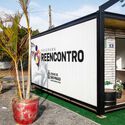
Modular units will house people experiencing homelessness in São Paulo. The project, named Vila Reencontro, was launched in the Bom Retiro neighborhood—though the proposed site is currently being analyzed for potential soil contamination—and is now expanding to Ladeira da Memória Street, near the Anhangabaú Metro station in the city center.
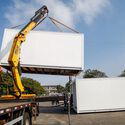
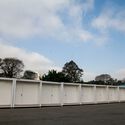
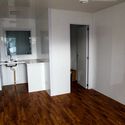
Led by SMADS (Municipal Secretariat of Assistance and Social Development), the initiative provides temporary housing made from shipping containers, functioning as modular metal homes.
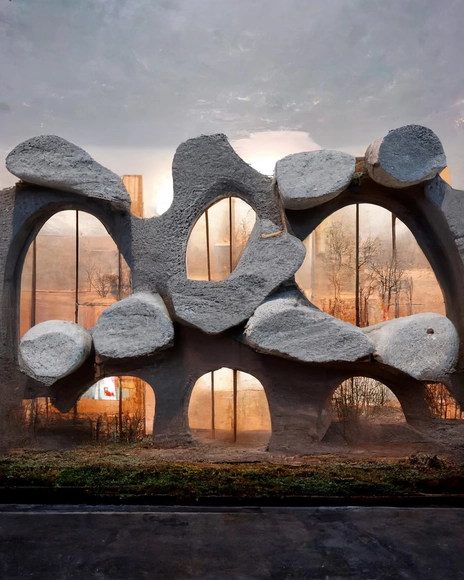
Much has been said about the power of artificial intelligence and how its rise could transform the architectural profession. This topic has already been explored in previous articles here.
The primary tool causing concern among industry experts is DALL-E, a machine learning-based software that generates images from text prompts entered by the user. Other platforms offer similar capabilities, such as Midjourney and Stable Diffusion.
rita_ magazine is now accepting academic paper submissions for its upcoming 19th issue. The call is open to faculty, graduate students, and professionals with a master's or doctoral degree, and submissions may be in either Spanish or Portuguese.
Located in the Recoleta neighborhood of Buenos Aires, the Mariano Moreno National Library stems from a national design competition launched in 1961. Built on the site of Argentina's former Presidential Residence during the presidency of Juan Domingo Perón (the Unzué Palace), the competition—which closed in April 1962—sought to shake up the architectural scene, serving not only as a mandatory step to develop the project but also as a platform for formal and programmatic experimentation.
In October 2022, Fundación Patrimonio Sustentable, alongside the Downtown Valdivia Trade Association and Sercotec Los Ríos Region, launched the Barrio Cochrane Guide: Heritage and Commerce of Valdivia. This publication highlights the heritage, human, and architectural value of the neighborhood, featuring stories of local businesses, historic trades, and iconic buildings in the area.
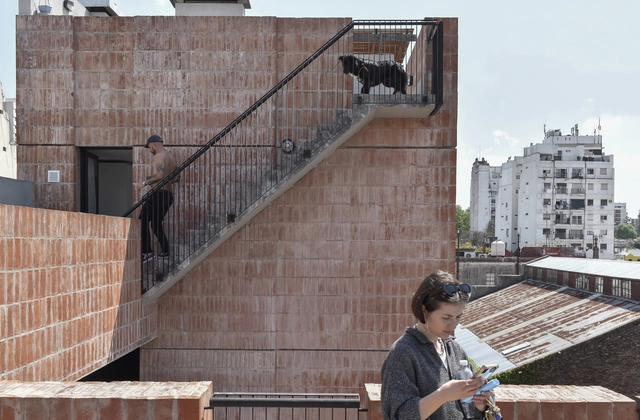
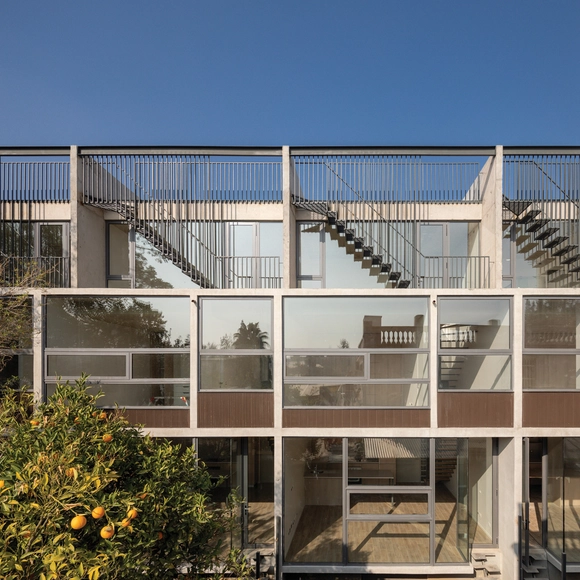
First Prize: Cohabiting in the City. Olaguer 3136, Colegiales. Image via Wikipedia user: TOAGCA. Licensed under CC BY-SA 4.0. Image author: TOAGCA
As part of Open House Buenos Aires, the themed photography competition Open Foto 2022 was held with the support of Wikimedia Argentina. Its goal is to highlight the architecture of Buenos Aires through the routes taken by visitors during the architecture and urbanism festival on October 1 and 2, 2022.
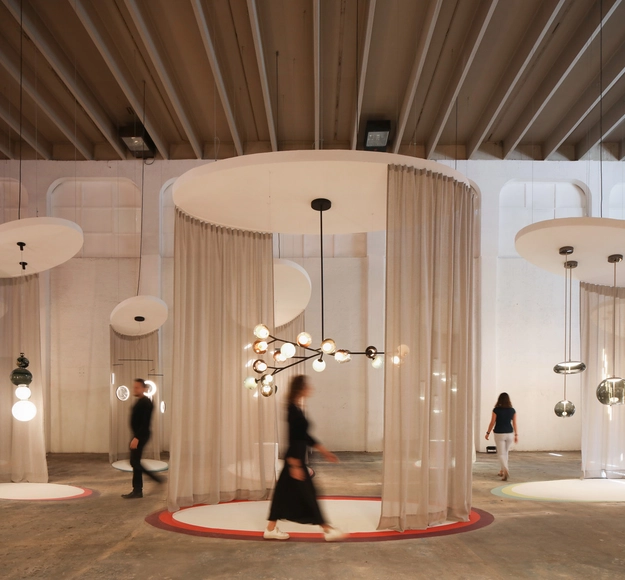
On November 10, Diez Company launched the fourth edition of Maison Diez Company to Mexican and international audiences. This space, dedicated to lighting design, brings together designers, creatives, architects, interior designers, business partners, lighting experts, and representatives of international brands to celebrate light.
For centuries, architecture has been one of the most publicly discussed topics by architects and users or inhabitants, as well as by critics, theorists, historians, and writers. This book provides an overview of these discussions as they have unfolded in the Western world through four thematic paths: housing, society, history, and art.
Following the compilation 'Cada tanto aparece un perro que habla y otros ensayos' (Puente Editores, Barcelona, 2018), Smiljan Radić has continued to write short texts as an activity parallel to his professional practice as an architect.
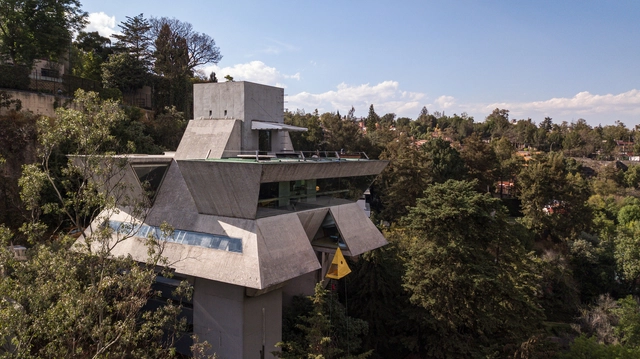
Today, November 10, the National Academy of Architecture, through a statement issued by Arch. José F. Reygadas Valdéz (President) and Arch. Antonio Gallardo E. (Secretary General), announced the passing of Mexican architect Agustín Hernández Navarro, an Emeritus Academic of the institution.
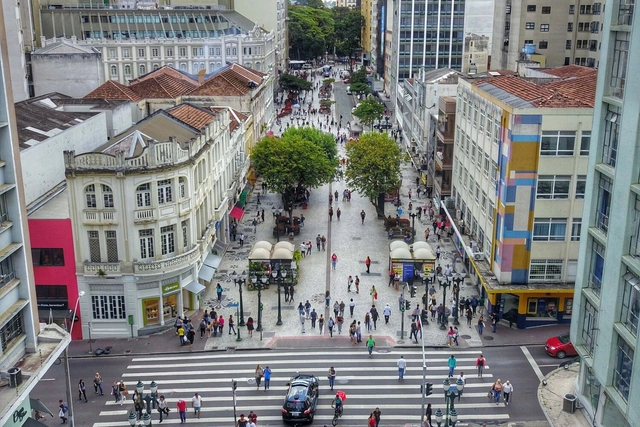
XV de Novembro Street in Curitiba, Brazil, became a social gathering point after being closed to cars in 1972. Via: CBN Curitiba
The urgent need to reduce greenhouse gas (GHG) emissions in the transportation sector presents both a challenge and an opportunity for local governments. This is particularly true for Zero Emission Areas (ZEAs)—urban zones where pollutant emissions are neutralized. This measure primarily benefits citizens, who enjoy healthier urban spaces and more vibrant commercial activity. However, ensuring success—or at least mitigating public backlash—requires deep social engagement and effective communication with the population.
https://www.archdaily.com/1132084/what-are-zero-emission-zonesITDP Brasil
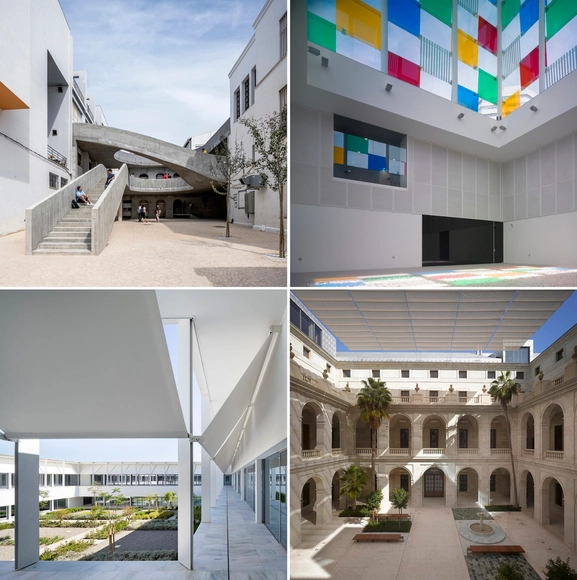
1. Patio Bellas Artes UMA / DJ arquitectura. Image by Jesús Granada. 2. Centre Pompidou Málaga / Javier Pérez De La Fuente, Juan Antonio Marín Malavé. Image by Jesús Granada. 3. Government Pavilion of the University of Málaga / alcolea+tárrago arquitectos + Roberto Ercilla + Lecumberri & Cidoncha. Image by Javier Callejas. 4. Museo de Málaga / Pardo Tapia Arquitectos. Image by Roland Halbe. Image
From November 18 to 20, 2022, Open House Málaga, one of the world's most important architecture and city festivals, will take place. Now in its second year in the city, the festival features over 40 free activities, including building visits, urban tours, and experiences. The event aims to connect the city with its residents and visitors, offering a unique architectural perspective alongside architects and industry professionals.
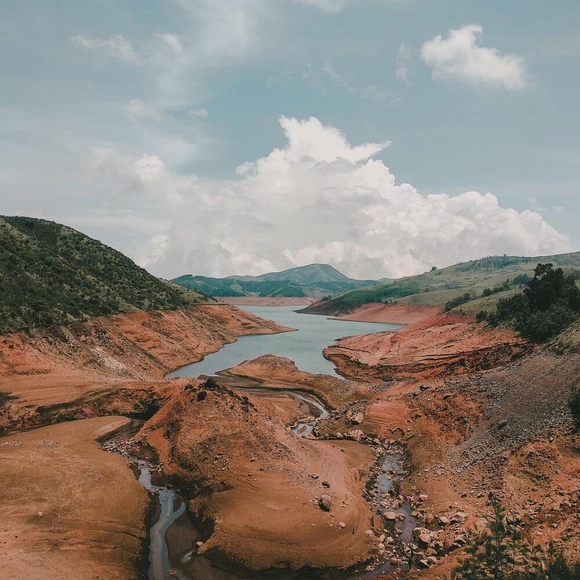
The city of Sharm El Sheikh, Egypt, hosts the 2022 United Nations Climate Change Conference, COP27, from November 6 to 18. The conference builds on the negotiations of COP26 in Glasgow, Scotland, in 2021, with the expectation that countries will demonstrate climate ambition and urgency to limit the rise in global temperature to 1.5°C.
https://www.archdaily.com/1132088/3-topics-of-interest-to-brazil-at-cop27WRI Brasil
Paulo Tavares’s work explores the potential of architectural archaeology, imagery, and fieldwork conducted alongside communities to reveal and reconstruct historical processes of violence against both human and non-human populations and the environment.