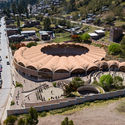
Render hecho por Josué Miranda - Aérea parque cultural de la danza. Image Cortesía de Isabel Loredo Pecho
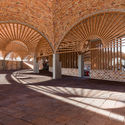
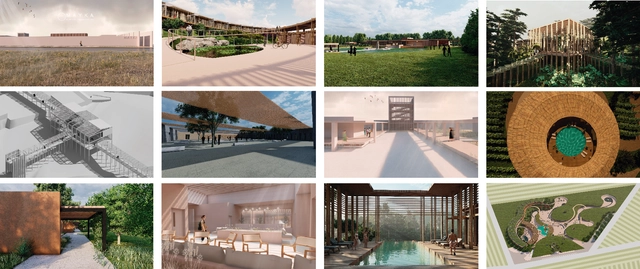
In November 2021, the ADUS Award in the "Professional Urban Design (Project)" category was presented to the team from Signare Estudio, composed of architects Isabel Loredo Pecho and Juan José Quiun Montes, for their project "Plaza Cultural de la Danza" in Lircay, Peru.
The award aims to highlight architectural projects that lead to a more sustainable world, based on the premise that architecture drives sustainable trends and improves the quality of life in our cities and the habitat as a whole.
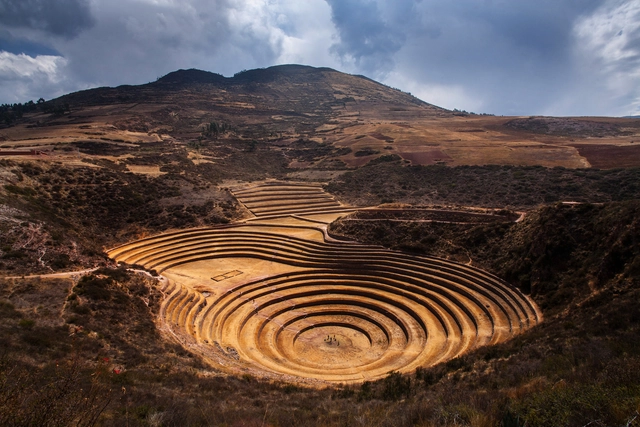
The project “Moray, the lost territory – Experiencing Muyus” was developed as part of AAVS Nanoturismo, an experimental teaching, research, and development program by the AA Visiting School of the Architectural Association, School of Architecture in London, United Kingdom. It was carried out by a multidisciplinary team in 2019 in Maras, Cusco, Peru.
Nanotourism reconsiders traditional tourism, shifting it toward a critical, creative, and local perspective. Accordingly, the study utilized the PAR (Participatory Action Research) method, which, through participation, action, and research, identified key “hidden” aspects within this context.
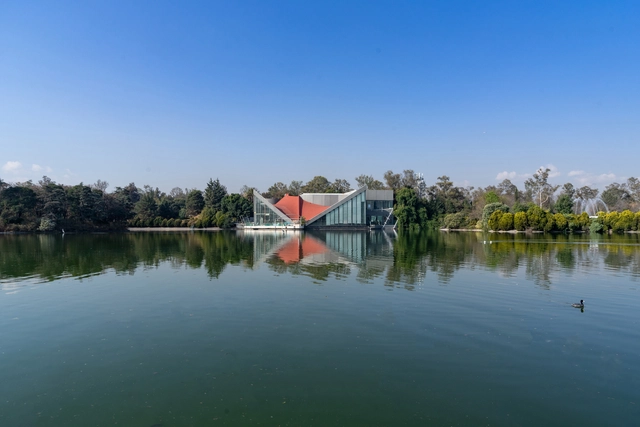
As part of the cultural program for Art Week and as a response to the pandemic crisis, a new space has opened its doors in Mexico City to reimagine our current situation and rethink our relationship with public space and the Chapultepec Forest. From the roots of change generated by this crisis emerged the opportunity to recover and repurpose the iconic building known as "Restaurante Lago"—inaugurated on October 24, 1964, and designed by architect Alfonso Ramírez Ponce—giving it a new purpose: "to transform the private into public, the exclusive into inclusive, the social into cultural. To peel back the layers of history and return the present to its origin, rediscovering an icon of 1960s modern architecture."
An increasing number of disciplines are engaging with the right to housing. Whether in the realms of architecture, law, economics, urban planning, geography, or political science, diverse voices have sought to identify the obstacles to its fulfillment, especially within increasingly hostile urban environments. Yet, while we all talk about the right to housing, we are not speaking of the same thing.
On Route 104, km 4.5 in Manantiales, Uruguay, stands the new Atchugarry Museum of Contemporary Art (MACA), located on the grounds of the Pablo Atchugarry Foundation. Open to the general public, the building designed by architect Carlos Ott aims to promote the development of national artists while placing Uruguay on the map of major international exhibitions.
The new Maestranza Ukamau Neighborhood, an example addressing access to public housing in Santiago, Chile. Image
"Every person has the right to decent and adequate housing that allows for the free development of personal, family, and community life," states the provision that advanced to the draft of Chile's new Constitution. The draft is being prepared by the Constitutional Convention—a 155-member political body tasked with drafting and approving the proposal for a new agreement for the Republic, which was enabled by the October 2020 plebiscite and driven by the social protests that took place in the country in October 2019.
“Architecture is embedded storytelling,” wrote Marco Frascari. Emphasizing the reciprocity between architecture and narrative throughout his career, this Italian architect, theorist, and educator saw stories as the key to creating a “nontrivial”—and therefore transcendent—architecture. It is from his ideas, writings, teachings, and studies that the reflection inspiring this text arises.
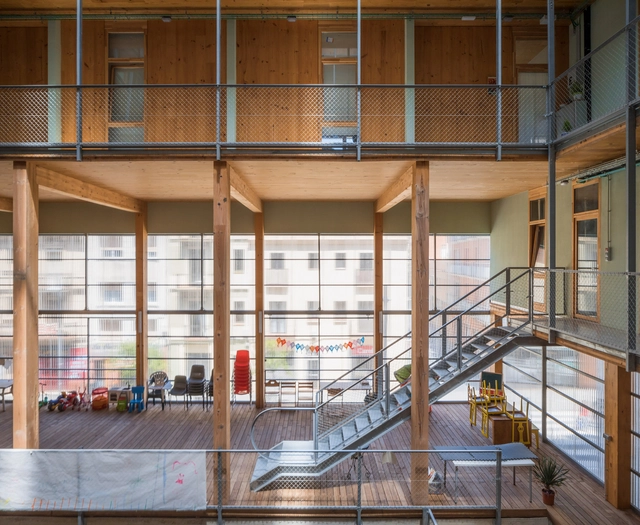
Cooperative housing, or co-housing, is a residential model that promotes access to housing in cities. This model first developed in countries like Denmark and Uruguay, and it is becoming increasingly popular throughout Europe. Indeed, it arrived in Barcelona several years ago and has since steadily expanded throughout the region, spreading beyond the boundaries of the Catalan capital. Below, we explore the cooperative housing model in Barcelona and how it contributes to a more democratic architecture for its citizens.
View of the Factory from the Wetland. Project by Mathias Klotz and Sebastián Mundi for the CCU Limache Brewery Museum. Image via CCU
The team led by Mathias Klotz and Sebastián Mundi of the architecture firms Klotz and SML has been unanimously selected in the open call for the heritage reconversion of the former CCU Brewery in Limache, the Chilean company announced today in a press release.
This project seeks to preserve the brewing heritage represented by the iconic building founded in 1883, through a museum open to the public.
Taller Virtual de las Américas (TVA). Image Cortesía de Taller virtual de las Américas
More than a decade ago, a new initiative emerged to redefine the architectural pedagogical system. With an influence that today spans countries like Argentina, Peru, Mexico, Venezuela, Guatemala, and the United States, the Virtual Workshop of the Americas (TVA) successfully and synergistically brings together education, collectivity, and virtuality. Architects Nahuel Salcedo and Celeste Gómez Lahoz are part of the coordination team driving this project forward year after year. Here, they explain the initiative in greater detail.
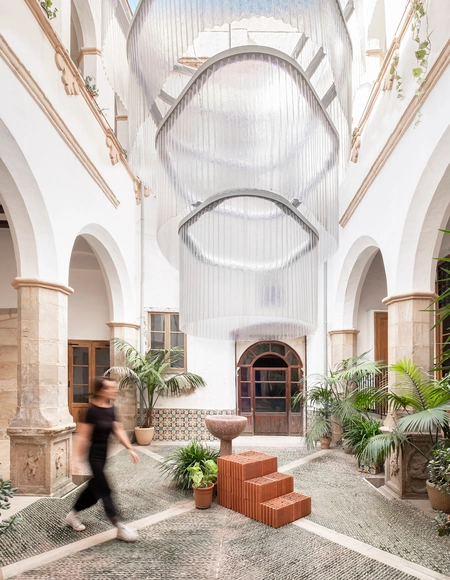
This monumental lamp, standing over 6 meters tall and covering an area of 55 square meters, hangs from the main courtyard of the Purissima Concepció monastery, radically transforming this 17th-century building through light and color.
In the second half of the twentieth century, driven by the mass adoption of the automobile and exponential population growth, cities around the world expanded at an accelerated pace. Santiago, Chile, was no exception, characterized by an extensive and fragmented urban sprawl that has led to a heavy reliance on cars, environmental degradation, and the loss of agricultural land. Without planning and policies aimed at sustainable urban development, the result is a more polluted and less green city—an alarming scenario considering the climate crisis we face.
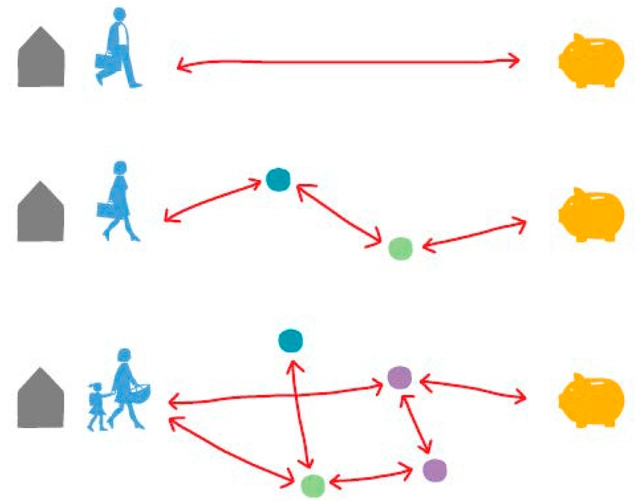
Figure 1. Everyday life itineraries. Source: own work by the authors.. Image via VAD
Proximity, understood as an urban quality that facilitates the management and pursuit of daily life, has for decades been a key tenet of feminist and gender-responsive urbanism. In the 1970s, academics from various disciplines began analyzing the link between the configuration and use of space and gender relations and roles. Since then, a robust critique of the androcentric configuration of the city has emerged, alongside proposals and criteria to rethink spaces from a gender perspective.
https://www.archdaily.com/1132448/the-precursors-of-proximity-a-feminist-genealogy-of-the-15-minute-cityCol·lectiu Punt 6
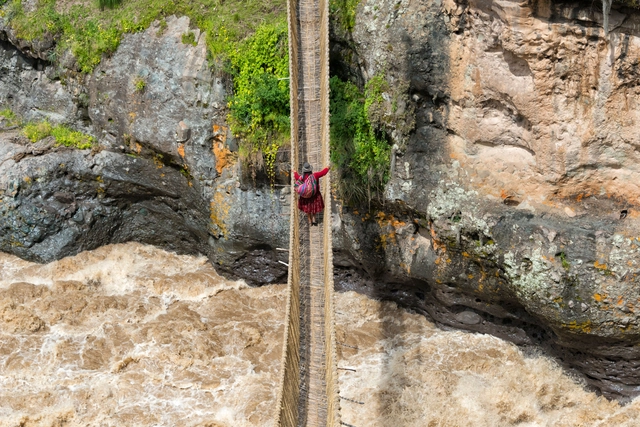
In the mountain range of the Andes in Peru, at over 3,700 meters above sea level, lies the Q'eswachaka suspension ropebridge, declared an Intangible Cultural Heritage of Humanity by UNESCO. The hand-woven bridge, which connects both sides of a gorge over the Apurímac River, has become the last remaining Inca bridge in use to survive modern times. This has been made possible through the transmission of Inca culture and engineering across generations, which renew the bridge every year to ensure its preservation.
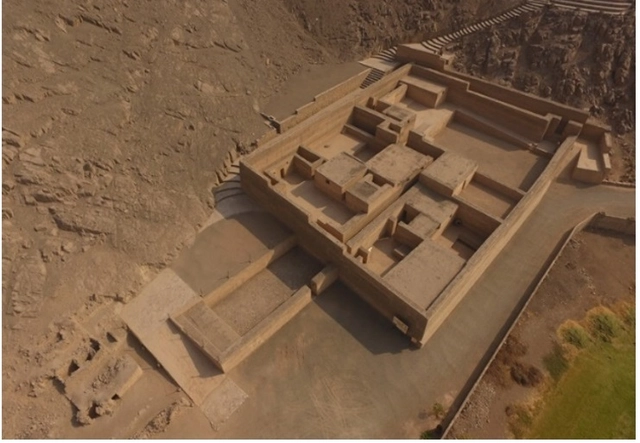
Palacio de Puruchuco. Image Cortesía de Norma León Lescano
Peru is a country with an extensive, rich, and deeply significant archaeological heritage. Unfortunately, the passage of time has brought severe deterioration. In their article, "Captura de datos 3D para virtualizar el patrimonio cultural" (3D Data Capture to Virtualize Cultural Heritage), authors Norma León Lescano, Yann Barnet, and Alvaro Racchumi outline the method they used to capture a three-dimensional replica of the Palace of Puruchuco. By doing so, they aim to provide the necessary information to guide and promote the virtualization of this remarkable cultural heritage, expanding its reach, appreciation, and preservation.
Calera del Rey House / gualano + gualano: arquitectos. Image
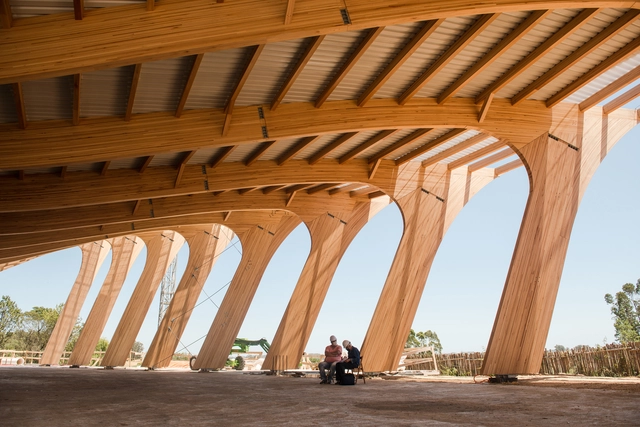
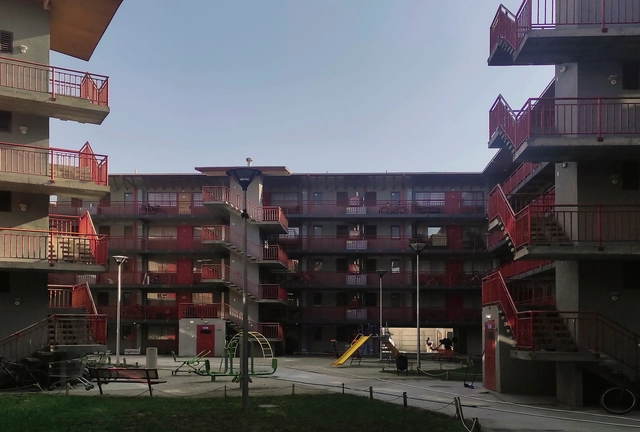
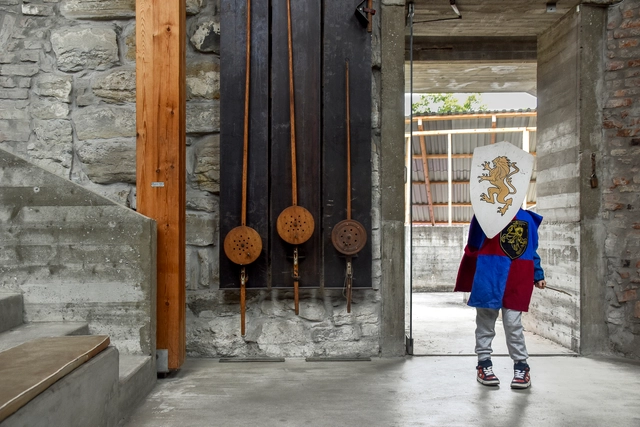
The Association of Architects of Uruguay has announced the selected works from the 129 projects that participated in the 2021 Completed Work Competition. To ensure maximum territorial equity, the competition considered projects built between 2014 and 2020 across different regions of Uruguay. Divided into seven diverse categories—ranging from housing, cultural, and social infrastructure to interventions in built heritage or public spaces—one award and two honorable mentions were granted for each category.
The jury comprised Alma Varela, Humberto Eliash, Bernardo Martín, Héctor Berio, María Samaniego, Fernando Giordano, Alejandro Baptista, Nivaldo Andrade, and Angela Perdomo, who evaluated their respective categories. They were advised by Juan A. Articardi, Cristina Bausero, and Salvador Schelotto. Below are the winners in each category.
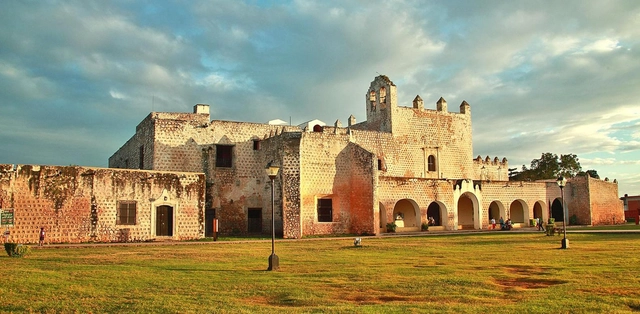
Valladolid is a town of just under 50,000 inhabitants, located in eastern Yucatán. It sits halfway between Cancún and Mérida, about 40 minutes from the Chichén-Itzá archaeological zone. Initially, the tourists who visited did so as a stopover during their travels across the peninsula. However, its gastronomy and architecture transformed it from an involuntary rest stop into a tourist destination in its own right.
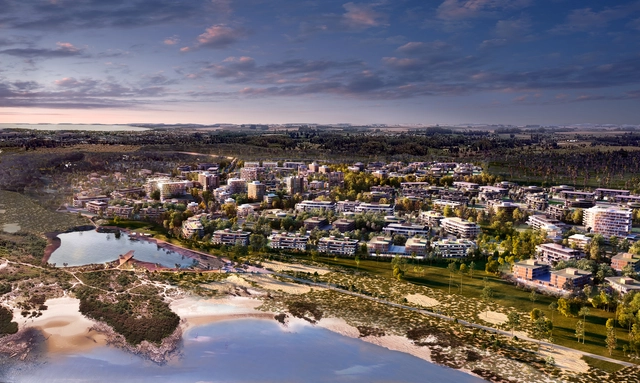
The phenomenon of building new cities around the world is gaining momentum in an effort to mitigate the effects of climate change, contain mass migration and brain drain, or improve the poor quality of life in some cities—a reality highlighted by pandemic lockdowns, among many other reasons. Urban planners and professionals in architecture, engineering, and other disciplines undoubtedly face major challenges, raising the question: should we concentrate all our efforts on creating new urban centers, or focus instead on improving conditions and addressing the issues of existing ones?
Videos
Cortesía de OP Arquitectos (Marcela Orcaje - Gonzalo Pérez)
The Municipality of General Pueyrredón and the Buenos Aires Province Association of Architects announced a Provincial Ideas and Preliminary Projects Competition for the 40th Anniversary Memorial of the fallen soldiers in the Malvinas and its area of influence. This scope included the plaza of the same name and its surrounding area in the city of Mar del Plata, Buenos Aires province.
Casa Domínguez. Alejandro de la Sota. La Caeyra, Pontevedra, 1973. Fotografía José Hevia. Image Cortesía de Fundación Alejandro de la Sota
The Alejandro de la Sota Foundation has created a portal to showcase the leading figures and works of the pioneers of Spanish modern architecture. The reason? When discussing the Modern Movement, it often seems that only architects like Mies van der Rohe, Le Corbusier, or Walter Gropius are mentioned. But what was happening in Spain during those years? Which figures stood out, and what were their intentions when designing?
Acervo documental del Sillón BKF. Image Cortesía de Estudio Normal
Under the title Origen, Estudio Normal and Fundación IDA are organizing an exhibition centered on the BKF chair, presenting it as a fundamental piece of Argentine design history and a key element of the design language of the BKF+H project, developed by Estudio Normal. With contributions from Fundación IDA, the exhibition is enriched by previously unpublished archival documentation related to the history of the chair and its creators.
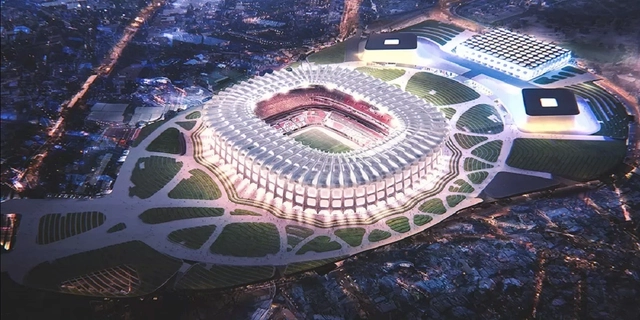
As part of the preparations for the 2026 FIFA World Cup—co-hosted by Mexico, the United States, and Canada—the remodeling proposal for Mexico City's Estadio Azteca has been unveiled. The historic venue has hosted countless milestone events over the decades and remains one of the capital's premier event spaces.
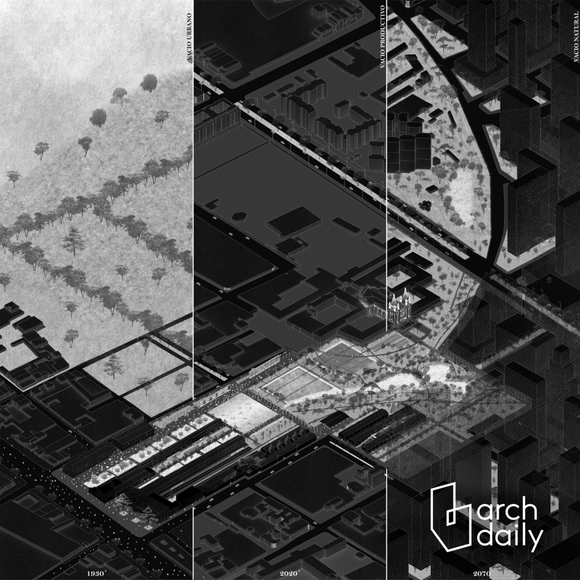
Traducciones: la utopía y el vacío performativo. Image Cortesía de Juan Manuel Sandoval Perdomo
To showcase the valuable work emerging from Latin American and Spanish universities, this year we launched an open call inviting architecture students to submit their graduation projects completed in 2021.
After thoroughly evaluating 137 proposals, our editorial team has selected and highlighted 10 projects that demonstrate rigorous critical thinking in response to their self-defined challenges. The selection valued not only those projects that delivered the best possible architecture through efficient design tailored to their context, program, and users, but also those that paid significant attention to human scale, the environment, experimentation, and new ways of addressing architecture in cities.




.jpg?1643728555&format=webp&width=640&height=580)


.jpg?1643844501&format=webp&width=640&height=580)



.jpg?1654626680&format=webp&width=640&height=580)