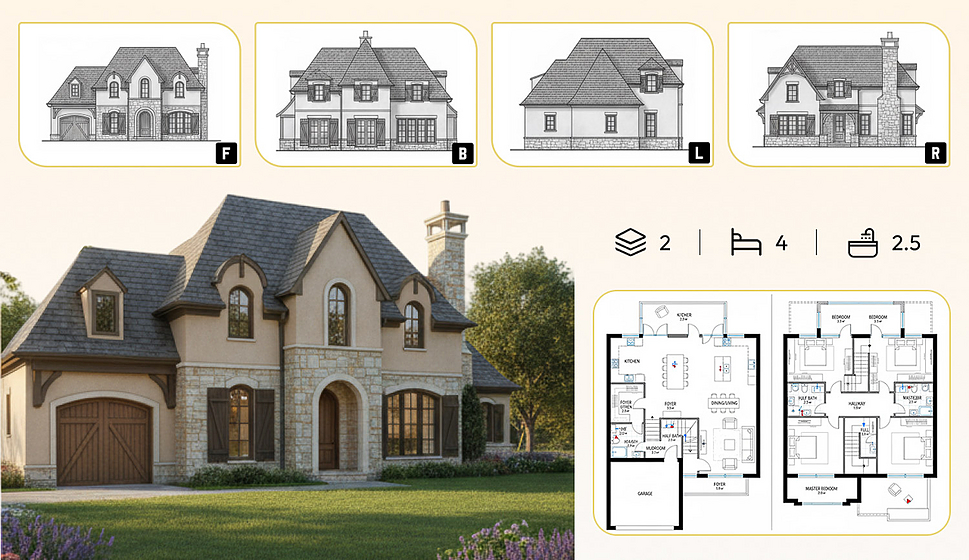
This guide covers a workflow that moves from project parameters to generated floor plans, 3D perspective views, exterior design exploration, and site context visualization, using AI tools in place of preliminary CAD and rendering work.
This guide covers a workflow that moves from project parameters to generated floor plans, 3D perspective views, exterior design exploration, and site context visualization, using AI tools in place of preliminary CAD and rendering work.
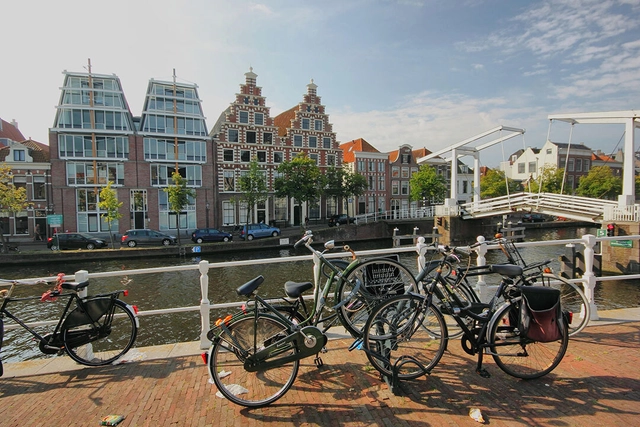
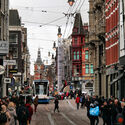
The Netherlands, colloquially referred to as Holland, is synonymous with its bicycles, an iconic element of the country's urban landscape. The integration of cyclists and motor vehicles often surprises visitors.
The Dutch connection to bicycles is clear in the statistics: in 2021, 84% of the Dutch population used bicycles daily. In Amsterdam, this figure reaches around 63%, demonstrating a strong preference for the vehicle. In contrast, only 7% of Brazilians choose the bicycle as their primary mode of transportation.
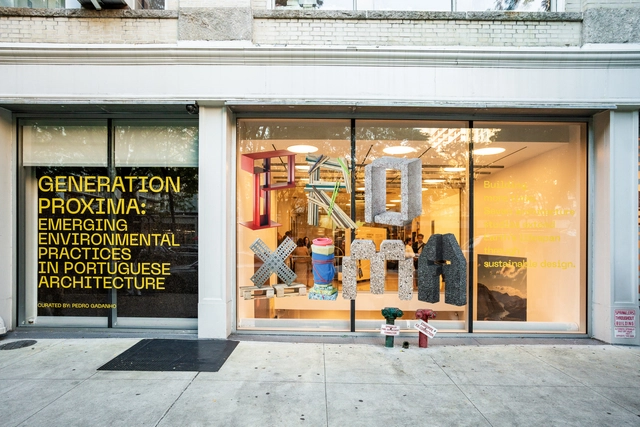
No País dos Arquitectos is a podcast created by Sara Nunes, who also runs the architectural film production company Building Pictures. The podcast aims to profile the professionals, projects, and stories behind landmark contemporary Portuguese architecture. With just over 10 million inhabitants, Portugal is a highly compelling country within this professional field, and its architectural output far exceeds what its population and territorial scale would suggest.
In this episode of the sixth season, Sara talks with architect and curator Pedro Gadanho about the exhibition Generation Proxima: Emerging Environmental Practices in Portuguese Architecture. Listen to the conversation and read part of the interview below.
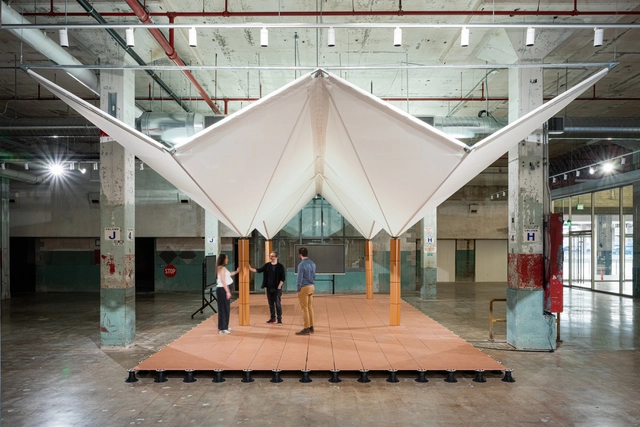
Building Ecologies is the result of collaborative and interdisciplinary research led by architect Juan José Castellón at Rice University, featuring the participation of the School of Architecture, the Department of Civil and Environmental Engineering, and the Shepherd School of Music, along with support from the Carbon Hub initiative.
Exhibited at POST Houston in Texas, this model proposes innovative approaches to urban infrastructure and social spaces, aiming to promote the integration of architectural, technological, and ecological systems.
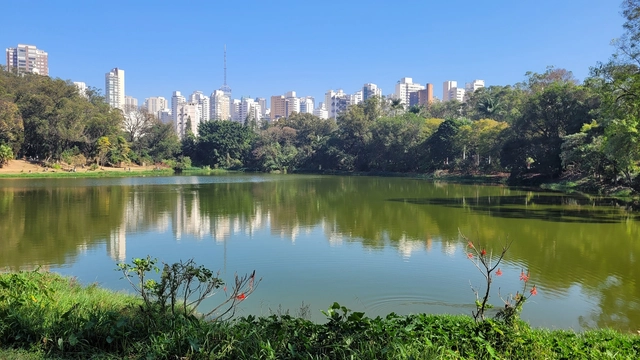
The Viva o Verde SP initiative, a partnership between the United Nations Human Settlements Programme (UN-Habitat) and the Municipal Secretariat for the Green and the Environment (SVMA) of the City of São Paulo, has officially launched assessment activities for over one hundred parks across the city.
The initiative involves implementing the City-Wide Public Space Assessment, a tool developed by UN-Habitat's Global Public Space Programme. From October to December, researchers will visit more than one hundred urban, linear, waterfront, and natural parks to conduct detailed structural assessments of each location.
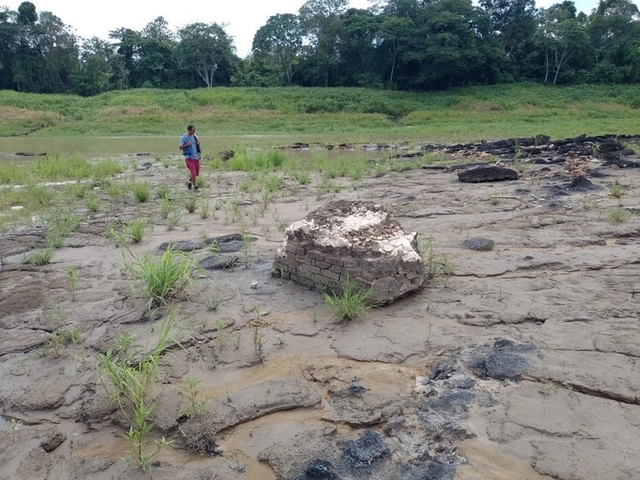
The historic drought affecting the Amazon region has revealed four archaeological sites in the state of Amazonas, three of which were completely unknown and are of great importance. The National Institute of Historic and Artistic Heritage (Iphan) has implemented an emergency action plan, involving inspections and educational initiatives in partnership with various public agencies and social organizations, including the Soka Institute of the Amazon, which voluntarily dedicates itself to the preservation of local cultural and environmental heritage.
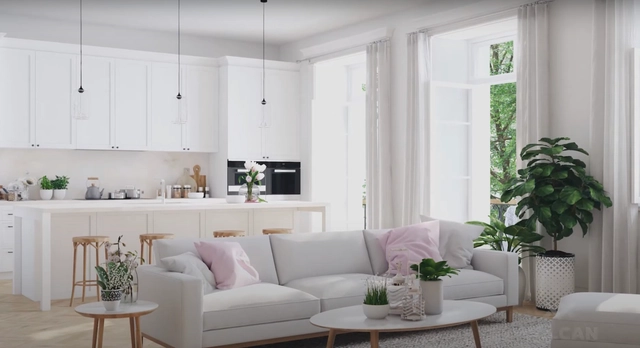
Designing and constructing homes is a complex process involving a variety of factors. Within this process, considering the various design elements is essential—including underlayments, ceilings, partitions, claddings, structures, and facades—alongside selecting the right materials for each. This choice must align with user preferences as well as indoor and outdoor conditions, prioritizing durability, energy efficiency, and aesthetics.
To simplify the design process, Volcan develops Volcanboard fiber cement building solutions for different construction elements. Available in a variety of thicknesses to adapt to various applications, these fiber cement boards stand out for their fire and moisture resistance, as well as their long-term durability and versatility. Below, we explore various applications of Volcanboard in residential design.
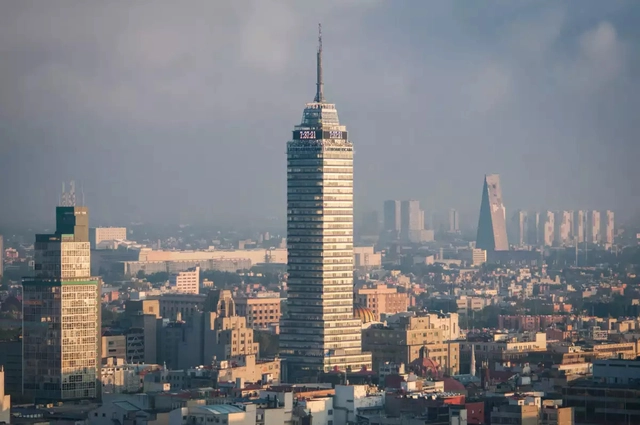
Amid the bustle and majesty of Mexico City, the iconic buildings that adorn its skyline boast not only imposing architecture, but also stories and secrets that spark curiosity. During this month dedicated to architecture, we bring you some of the curiosities and myths surrounding CDMX's buildings, which serve as the pillars of multiple narratives.
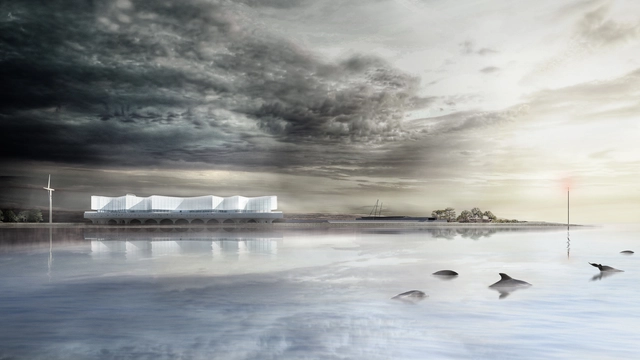
From the competition for the Gabriela Mistral Cultural Center to the competition for the restoration of Palacio Pereira, architectural competitions have enabled the design and construction of many iconic buildings in Chile's history. To recognize architectural competitions as a platform for professionals and students to not only showcase their creativity and skills, but also to secure the preliminary design that best meets a building's requirements, we have selected some of Chile's most successful architectural competition results.
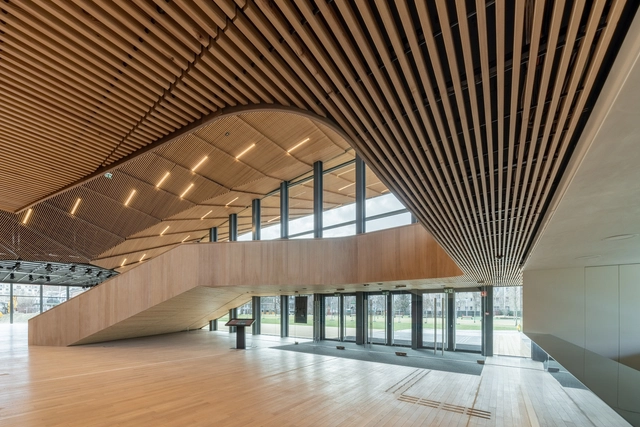
Through the incorporation of various elements, interior design creates comprehensive spaces that blend functionality and aesthetics. Among these components, suspended ceilings are a solution that integrates finishes suspended from the main structure. While adapting to a wide range of styles through a diversity of materials, colors, and textures, suspended ceilings also address acoustic needs, contribute to thermal insulation, and integrate lighting systems.
Among its solutions for interior applications, Hunter Douglas combines aesthetics, comfort, and sustainability to develop the WoodLines suspended ceiling line. Integrating innovation with natural materials, the manufacturing process continuously bonds a natural wood veneer to a roll-formed metal profile. As a result, linear ceilings composed of continuous slats are obtained, combining the functionality of a metal ceiling with the warmth and aesthetic appeal of natural wood.
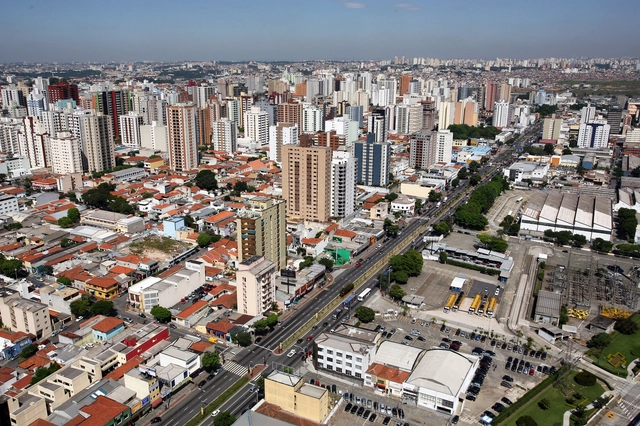
On the first of this month, São Caetano do Sul (SP) implemented free fares on municipal buses through its "Zero Fare Program." Far from an isolated initiative, the measure aims to encourage public transportation use, providing direct savings to residents while improving air quality.
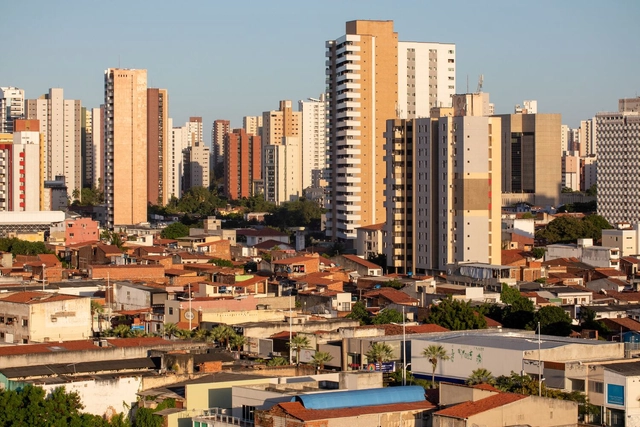
The ten cities selected to compete for $9 million in the Sustainable Cities Challenge, a global mobility initiative by the Toyota Mobility Foundation in partnership with Challenge Works and the World Resources Institute, have been announced. The list of selected cities includes Fortaleza, Brazil, as well as cities in Colombia, India, Italy, Malaysia, Mexico, the United Kingdom, and the United States.
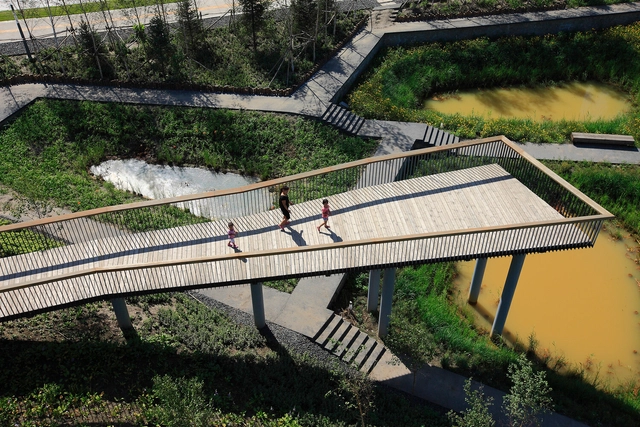
The climate emergency manifests itself in Brazilian cities in various ways: floods in the South, coastal surges in Rio de Janeiro, storms causing power outages in São Paulo, wildfire smoke in Manaus, droughts in Amazonian rivers, and heatwaves in the Midwest. Therefore, integrating the fight against climate change into public planning is crucial.
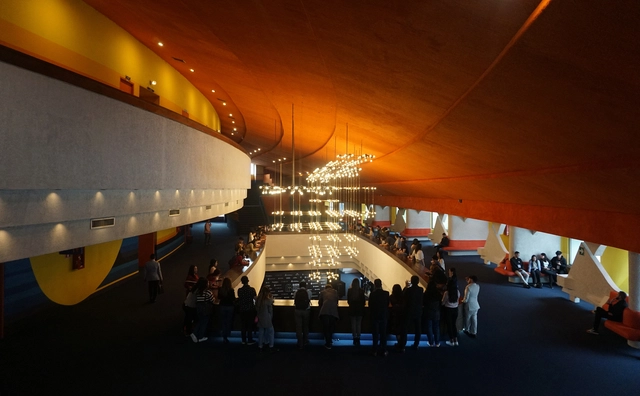
On November 15, the Guatemala Architecture Biennial 2023 opened at the Miguel Ángel Asturias Cultural Center—one of the country's most important performing arts venues. While the previous 2021 edition recognized the importance of the city, architecture, and urban planning under the theme 'Mobility,' this latest iteration focuses on 'Public Space' under the slogan 'The City, Without Walls.' Over three days, this new approach will highlight public space as one of the most vital elements in urban planning, with a significant impact on citizens' social, psychological, and physical well-being.
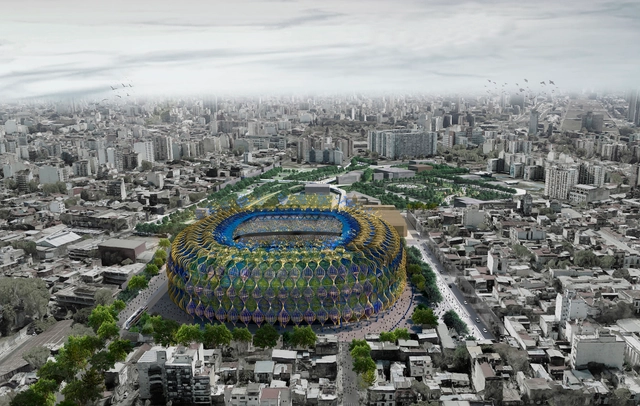
The School of Architecture and Design at the University of Morón (ESAD) has presented the expansion and renovation project for the Club Atlético Boca Juniors stadium, widely known as La Bombonera, located in the Autonomous City of Buenos Aires, Argentina. Led by Alejandro Borrachia alongside a team of ESAD professors and students, the project proposes rethinking the stadium's capacity and its adaptation to modern demands, aiming to address the needs of club members and officials, the social issues affecting local residents, and the city's environmental challenges.
.jpg?1587013812&format=webp&width=640&height=580)
The social housing situation in Latin America is often quite similar, varying primarily according to specific local climate adaptations. However, in most architecture schools, it is uncommon for undergraduate curricula to delve deeply into this subject. Perhaps the best way to understand these housing typologies—from an architectural standpoint—is through direct experience.
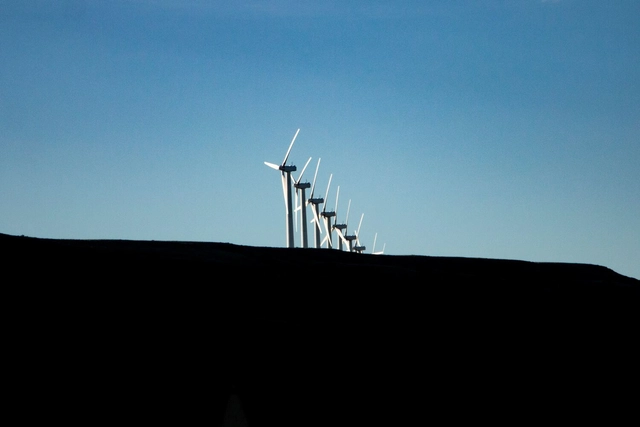
When it comes to climate change, the headlines can sometimes seem contradictory. One day, we read about catastrophic wildfires wreaking havoc across the globe; the next, we see an optimistic article about the rapid rise of solar and wind energy. Taken together, these narratives can make it difficult to grasp the big picture of climate action. Are countries actually implementing effective solutions if greenhouse gas (GHG) emissions continue to rise? In which areas has the world made enough progress to overcome the climate crisis, and where are the gaps? What specific measures are needed to get us on the right track?
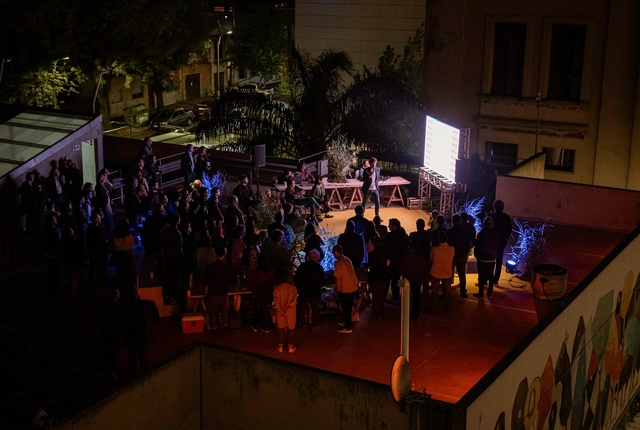
With its sights set on the future, in 2024, the Universidad Católica del Uruguay is adding the Architecture, Design, and Environment program to its academic offerings. Felipe Reyno, PhD in Architecture and director of this new degree program, reflects on the need to train architects with a contemporary, contextual, diverse, critical, and collaborative perspective.
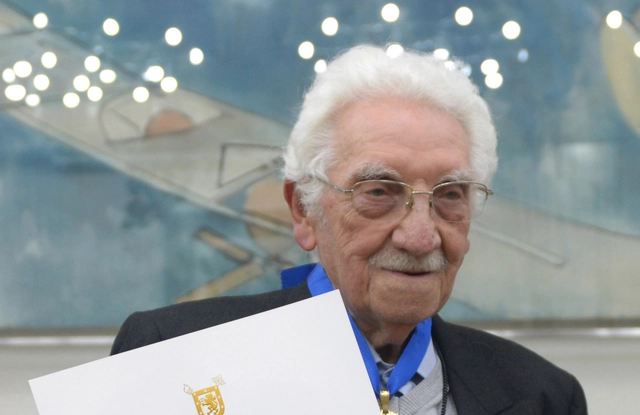
The Universidad de Santiago de Chile awarded its highest academic distinction to architect Miguel Lawner Steiman, who received an honorary doctorate on November 16.

While the first edition's theme was SHARE, and the second was CIRCULATE, the 3rd Tomie Ohtake Institute Leroy Merlin Design Award proposes REVIEW as its core concept—an opportunity to look at our social and environmental context, critically analyze it, and ask: how can a project contribute based on what is already in place?

In 2017, the city of Salvador, Bahia, established its Urban Afforestation Master Plan and, as part of this initiative, released a comprehensive guide for anyone wishing to plant in urban spaces.
Which species are most suitable and how to plant trees on sidewalks are some of the questions answered in the document. Although titled the “Salvador Technical Urban Afforestation Manual”, the guide can be used by residents of any city, especially those living in the Atlantic Forest biome.

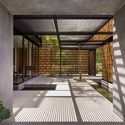
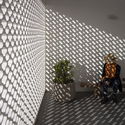
These architectural elements are used for different reasons almost everywhere, because they have a visual permeability that promotes the much desired dialogue between interior and exterior, which most architects seek, while being able to maintain the privacy of the users of a building. However, in tropical climates, they gain even greater importance as they allow constant natural ventilation, shade areas with large amounts of sunshine, and provide natural lighting and thermal comfort.
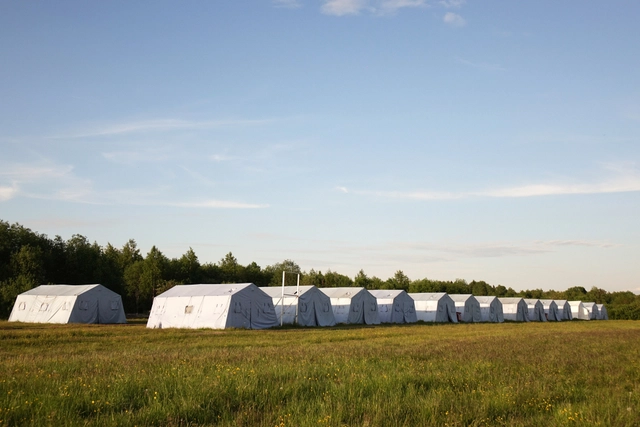
Like the flight of a bird, a summer rain, ocean tides, lightning during a storm, or a prolonged drought, natural phenomena occur every day without our noticing. Yet, some draw more attention, such as volcanic eruptions, earthquakes, the emergence of a new virus, or major floods. Even so, if they occur in an uninhabited region and do not cause significant material damage, they remain merely natural phenomena. If, however, they strike populated areas, causing deaths, injuries, production disruptions, major financial losses, and displacement, only then are they considered natural disasters.
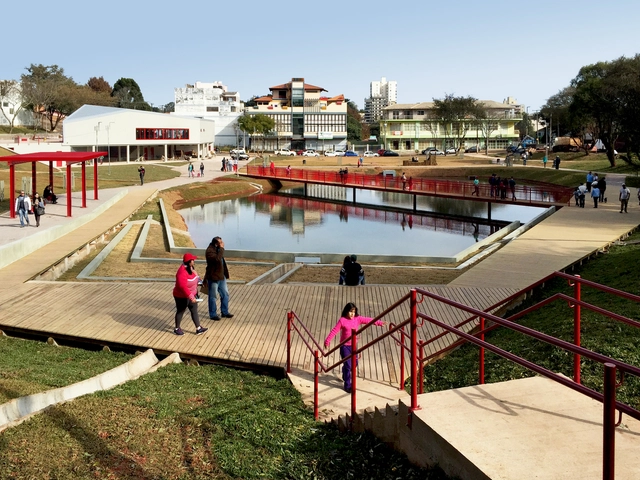
Developed by the Semeia Institute and the United Nations Office for Project Services (UNOPS), Parques para Todas e Todos is a tool to inspire the creation of more diverse spaces by incorporating a gender perspective into the planning and management of urban parks. It offers guidelines, suggestions, and ideas to begin designing parks that address everyone's needs.
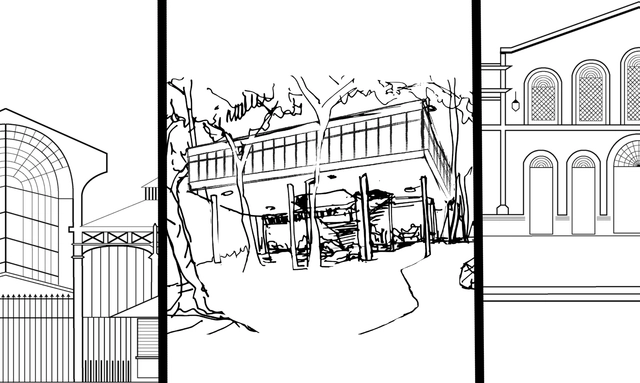
Pé na Estrada is an outreach project of the School of Architecture and Urbanism at the University of Brasília, active since 2011 as an extracurricular activity. Its primary goal is to organize and promote study trips across Brazilian cities. However, due to the COVID-19 pandemic, the project had to adapt to social distancing, launching new heritage education initiatives and encouraging alternative ways of experiencing spaces studied in the classroom to expand the knowledge and creative vocabulary of both students and the community.