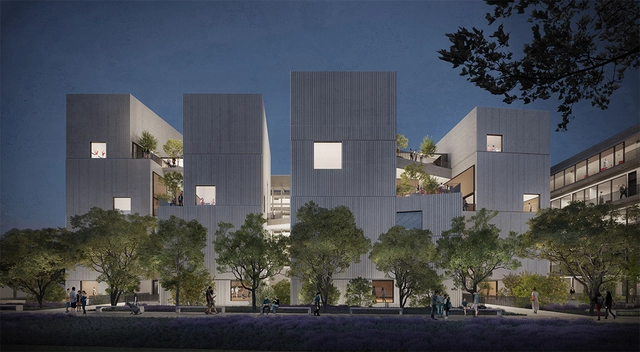
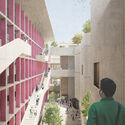
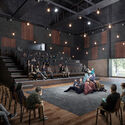
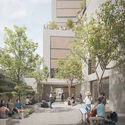
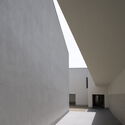
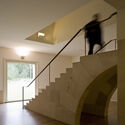
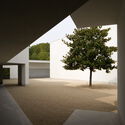
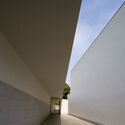
The winning proposal for the construction of the new infrastructure for the Faculty of Performing Arts at the Pontificia Universidad Católica del Perú (PUCP) has been announced. The project will be designed by the prestigious architecture firm Barclay & Crousse. The new building aims to centralize Performing Arts activities on the PUCP campus and strengthen a sense of community by bringing theater, performing arts creation and production, music, and dance together in an integrated space for learning where the architecture itself becomes a stage and a landscape for education.
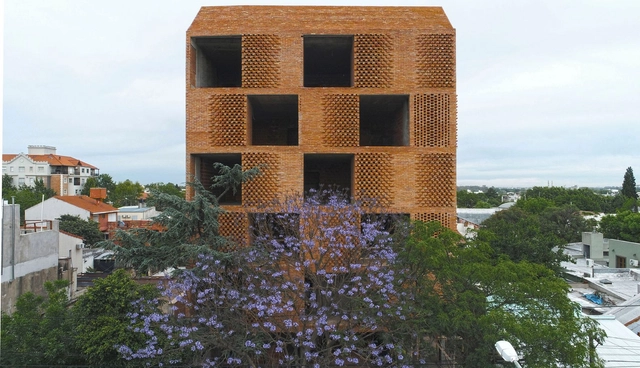
Edificio damero / Francisco Cadau Oficina de Arquitectura. Image Cortesía de Francisco Cadau Oficina de Arquitectura
During the fourth day of the 18th Buenos Aires International Biennial of Architecture, the Biennial Awards were announced, highlighting architectural projects and works developed over the last four years both nationally and internationally. Awarded by the Biennial's Steering Committee, the categories spanned from single-family housing, multi-family housing, and interior design to landscape, urban space, and public and private facilities.
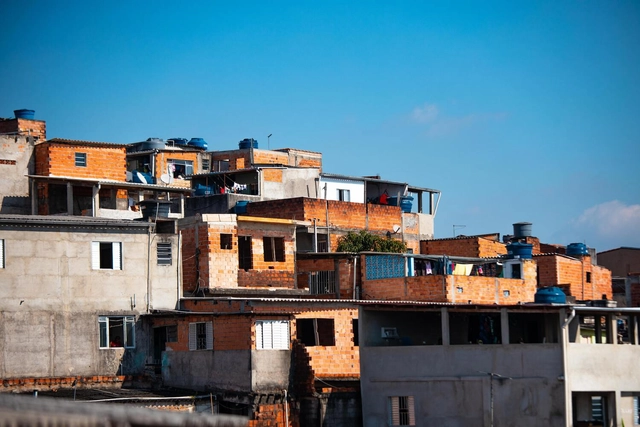
Nearly 100 million Brazilians lack access to sewage collection, according to data from Trata Brasil. The Guaranys community, part of Cidade de Deus in Rio de Janeiro and home to about 450 families, is part of this statistic. The area features homes built entirely in flooded zones and open sewers. To address this issue, the community was selected for a social project that installs biodigester toilets in vulnerable areas.
According to the American Society of Heating, Refrigerating and Air-Conditioning Engineers (ASHRAE)—which organizes global data and supports research in this field—thermal comfort is defined as the condition of the mind that expresses satisfaction with the thermal environment. Why is it important to study adaptive comfort in Latin American climates? Given that 40% of the population lives in the tropics, designing architecture capable of adapting to tropical climates is essential. Consequently, in line with human-centered design, strategies must be tailored to the specific local conditions in which they are implemented.
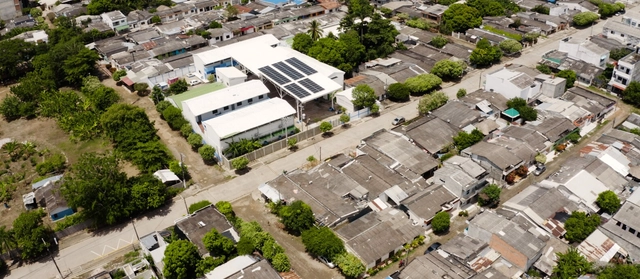
Franco Morales, technical director of EBP Chile, who plays a cross-cutting role across the company's various departments (construction, climate change, and local energy), frequently collaborates with the CEELA Project. Following his participation in the energy retrofitting project for the Juan XXIII School in Montería, Colombia, and identifying a widespread challenge—namely, schools built without an architecture suited to their climatic context—he has begun developing a sustainable design manual for educational institutions in hot-dry and hot-humid climates.
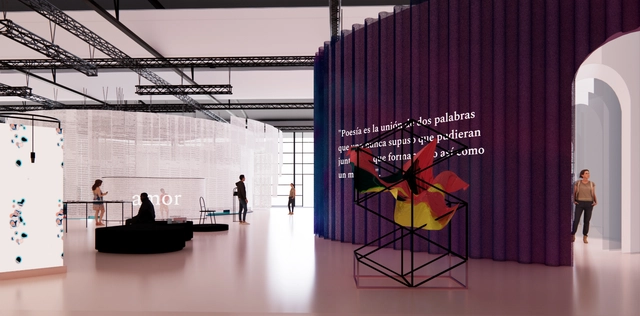
Pabellón de España en la Feria Internacional del Libro de Fráncfort 2022 / Enorme Studio. Image Cortesía de Enorme Studio
The Frankfurt Book Fair is the world's largest book trade fair in terms of publishing representation, taking place every year in mid-October. In this edition, Spain is the Guest of Honor, presenting a unique opportunity to showcase its culture and literature to the world.
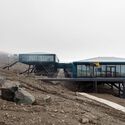
Estúdio 41 is a name frequently seen on lists of design competition winners throughout Brazil. Based in Curitiba, the architecture firm was born out of a collaboration between architects who graduated from UFPR, dedicating its energy to developing competition proposals where inquiry, experimentation, and innovation find fertile ground. What is striking is that the team—composed of João Gabriel Rosa, Martin Kaufer Goic, Eron Costin, Emerson Vidigal, and Fabio Henrique Faria—has achieved a remarkable success rate, with completed projects such as the Antarctic Station and the Fecomércio Headquarters.
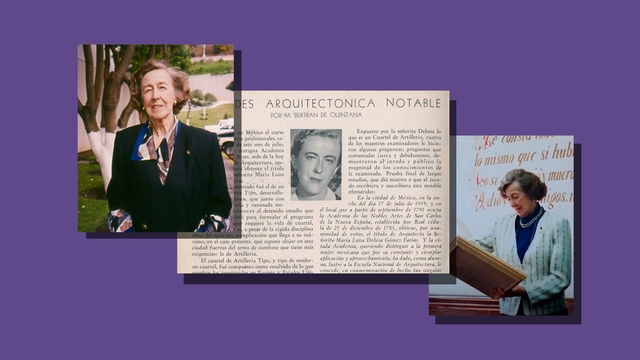
María Luisa Dehesa Gómez Farías (1912–2009) was a Mexican architect from Xalapa, Veracruz, who became the first woman in Mexico to earn a degree in architecture. Her professional training began in 1933 when she entered the Royal Academy of San Carlos. This required her to relocate to Mexico City—renting a rooftop room in Coyoacán from which she commuted by streetcar—to join a class of 113 students, only five of whom were women.
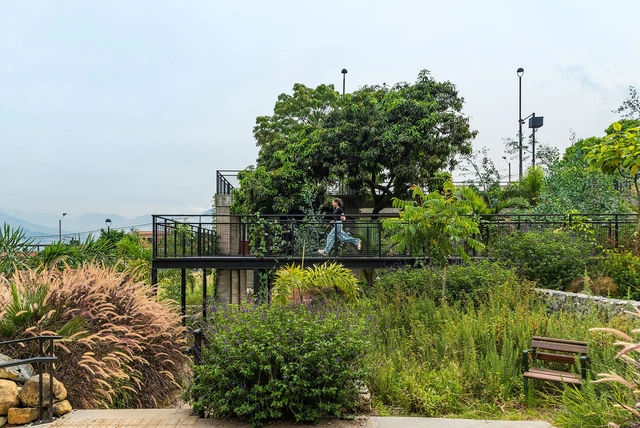
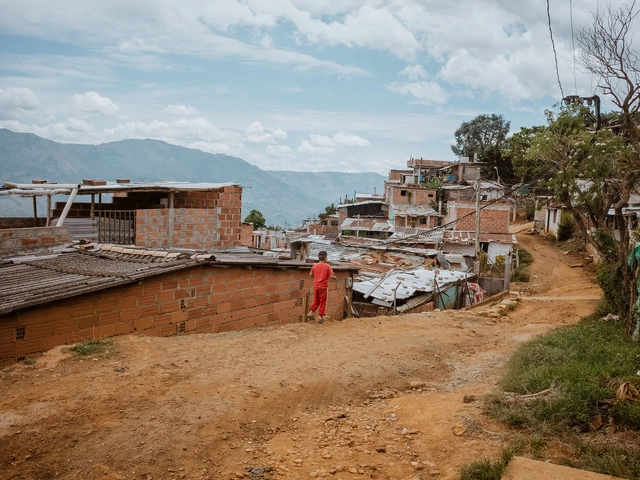
As part of the World Habitat Day celebrations, the platform SPACE10 has launched "Urbanismo Comunitario," a 20-minute documentary on informal settlements in Medellín, Colombia. Amid rapid urbanization and forced displacement, the number of people living in informal settlements is growing. The UN estimates that by 2030, three billion people will be living in these territories. The documentary examines new alternatives for housing construction in informal settlements, based on community collaboration, material innovation, and the co-development of solutions in partnership with communities.
Today at 5:00 p.m., the award ceremony for the winners of the 4th edition of the Oscar Niemeyer Award for Latin American Architecture will take place. Held as part of the 18th Buenos Aires International Architecture Biennale, the event will feature a lecture by the grand prize winner, Laurent Troost.
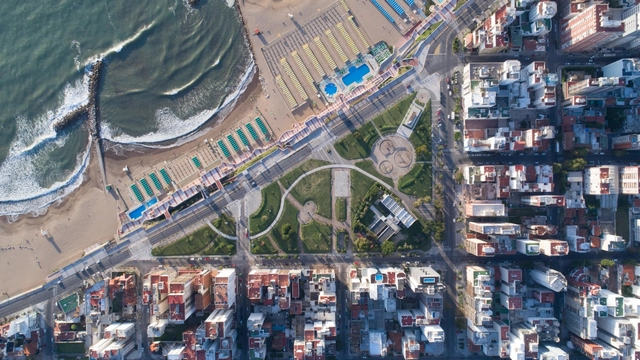
Since 1968, the firm Mariani – Pérez Maraviglia – Cañadas Arquitectos has been practicing in the city of Mar del Plata, Argentina. Facing the sea, this city has steadily grown and expanded over time. With a career spanning over 50 years, the firm's extensive body of work—including buildings and projects not only in Mar del Plata but also in Santa Fe, Asunción, Punta del Este, and beyond—demonstrates how their perspective on the past serves the present and future.
YouTube is the social network with the highest number of monthly active users—around 2 billion, nearly double that of Instagram. As a search engine, it ranks second, behind only Google. It comes as no surprise, then, that the fashion, music, and beauty industries have embraced the platform with open arms. By contrast, design and architecture have lagged behind.
How can emotional connection help create more welcoming spaces for marginalized groups? What is the impact of technology on the conception of our cities and homes? How can architecture and design improve well-being and elevate self-esteem? These and other questions guide this conversation with architect, urbanist, and designer Guto Requena hosted by the Betoneira Podcast.
Santuario Señor de Tula / Dellekamp Schleich + AGENdA Agencia de Arquitectura. Image Cortesía de Bienal Nacional de Arquitectura Mexicana
The Federation of Colleges of Architects of the Republic of Mexico, A.C., invited all Mexican architects to participate in the XVII National and International Biennial of Mexican Architecture 2022. This event sought to identify the country's best architectural works, as well as publications, research, and theses, recognizing their authors and promoting the most outstanding projects to foster, through analysis and critique, a reflection on responsible contemporary architecture and sustainable solutions. In this biennial, a single Gold Medal was awarded, and the projects were classified into 23 categories, featuring various Honorable Mentions and Silver Medals. Read on to discover the winners.
“Don't build walls, no more; Or the city dies.” I discovered this poem on a solitary wheatpaste poster stuck to one of the endless walls that make the city of São Paulo a worse place to live. I must admit that every time I take my youngest son to get vaccinated at the local health clinic (UBS) in Vila Romana, I think it would be nice to have a can of spray paint to graffiti the poem onto the walls of one of the apartment complexes recently built right across the street, which occupies nearly an entire block in the neighborhood.
https://www.archdaily.com/1132622/a-tax-on-condominium-wallsVitor Meira França
What are the stories of the first Ibero-American women architects? This is the central question we seek to answer in celebration of this month's ArchDaily topic: Women in Architecture.
In seeking to present their motivations, inspirations, and career paths, we conducted research to bring visibility and recognition to several figures who have historically been overlooked. Meet Doris Clark Núñez, Guadalupe Ibarra, Matilde Ucelay Maórtua, Filandia Pizzul, Dora Riedel, Luz Amorocho, María Luisa Dehesa, Arinda da Cruz Sobral, and Julia Guarino below.
With the goal of getting to know the architects, projects, and stories behind landmark Portuguese architecture, Sara Nunes, from the architectural film production company Building Pictures, launched the podcastNo País dos Arquitectos, where she talks with leading figures of contemporary Portuguese architecture. In the first episode of the fourth season, Sara speaks with architect Álvaro Siza Vieira about the expansion project for the Serralves Museum of Contemporary Art.
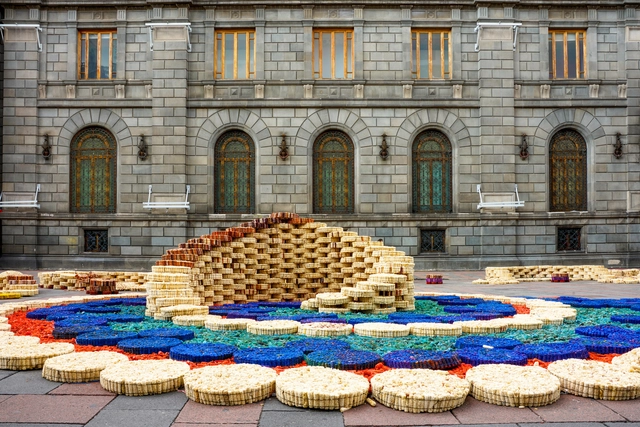
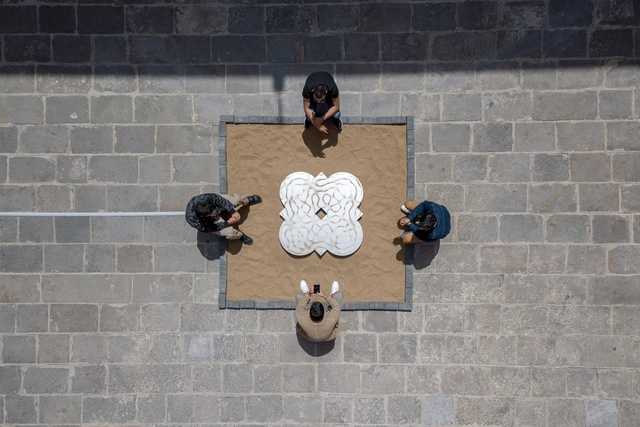
“La Olotera” Autores: Alfombristas Mexicanos. Image Cortesía de Mextrópoli
For the eighth time, the MEXTRÓPOLI Architecture and City Festival held the Arquine No. 24 | MEXTRÓPOLI 2022 Pavilion competition, a platform where architecture, urban planning, and art meet to contemplate and celebrate Mexico City. The event also aims to engage citizens by occupying public space with architectural installations that can be activated by visitors. Celebrating public spaces or offering a fresh perspective on everyday routes is the driving force behind MEXTRÓPOLI’s exhibition of these ephemeral architectural installations.
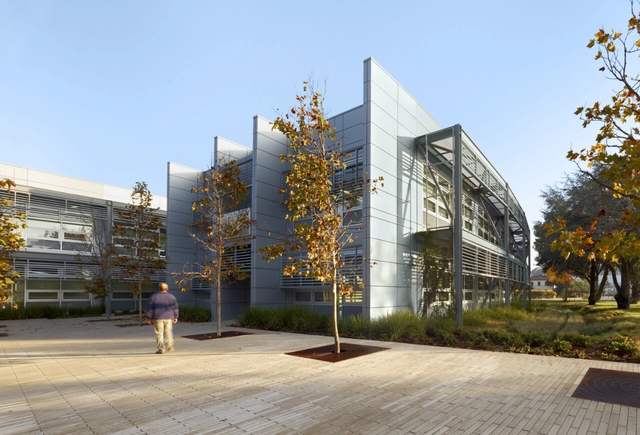
NASA Sustainability Base / William McDonough + Partners and AECOM. Courtesy of William McDonough + Partners
The term “cradle to cradle” was coined by American architect William McDonough and German chemical engineer Michael Braungart in their manifesto-book Cradle to Cradle: Remaking the Way We Make Things, published in 2002. This theory is not merely architectural; rather, it applies to any product, promoting a biological approach to manufacturing in which components are considered nutrients in a “healthy metabolism.”
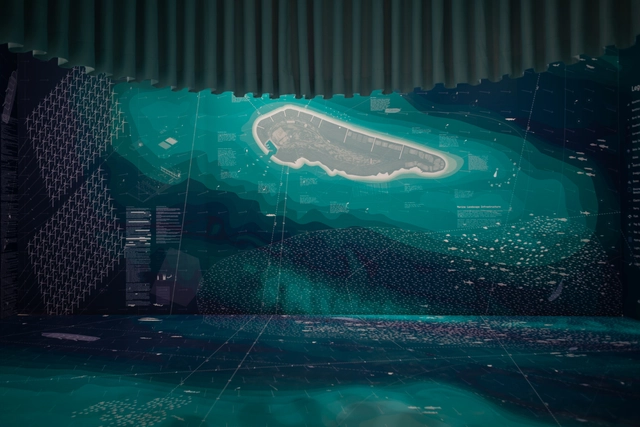
Terra. A term used to define the planet we live on, the soil we walk on, and the raw material for the most diverse works. From it derives the word territory, which, beyond its symbolic meaning in shaping culture and worldviews, is also the foundation of any settlement and of nature itself. The power of all the meanings this word carries is taken as the title of the 6th Lisbon Architecture Triennale, which explores themes concerning the human relationship with its context and the revolutionary processes spanning the most diverse scales of architecture.
Initiated by Patio Efímero—a collective of young creatives—the open call for the "Patio 3 Competition: Encounter of Ephemeral Interventions" was launched in early 2022. Organized in collaboration with the National System of Art Creators of the Federal Ministry of Culture, the Puebla State Ministry of Culture, Museos Puebla, the Municipal Institute of Art and Culture of Puebla, the Municipal Ministry of Economy and Tourism of Puebla, and the Historic Center and Cultural Heritage Management Office of the Municipality of Puebla, the call invited established and emerging graphic, visual, and multidisciplinary artists, as well as architects, to participate in the third edition of Patio Efímero.
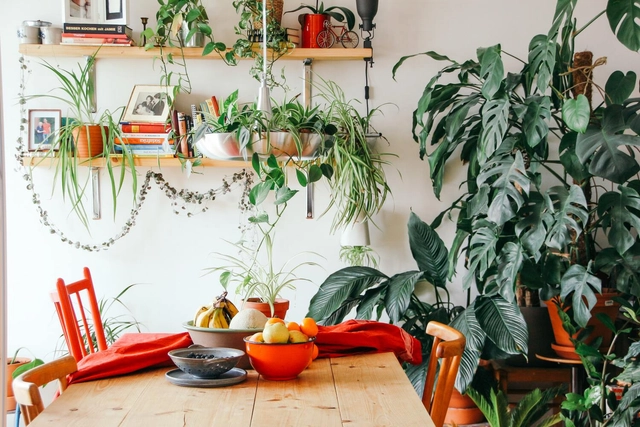
The importance of connecting with nature is the subject of numerous studies. Research by the Harvard T.H. Chan School of Public Health indicates that living near woodlands, parks, and gardens is associated with a lower risk of developing kidney and respiratory diseases, as well as reduced rates of depression. However, those living in major urban centers cannot always bridge this gap, whether due to a lack of parks, a shortage of time, or simply the distance to the nearest green space. In such cases, an alternative is to bring nature indoors, relying on the power of plants as an integral part of home decor.
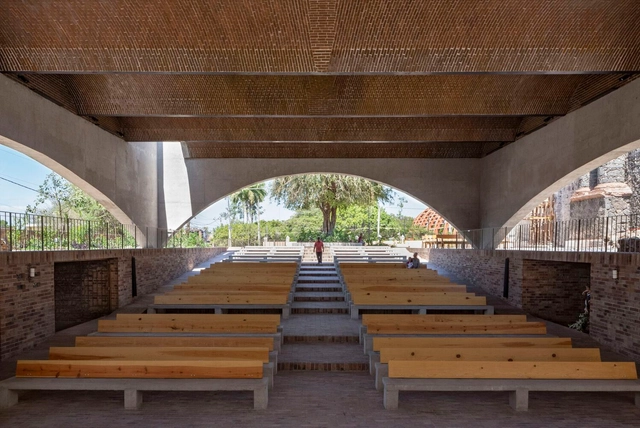
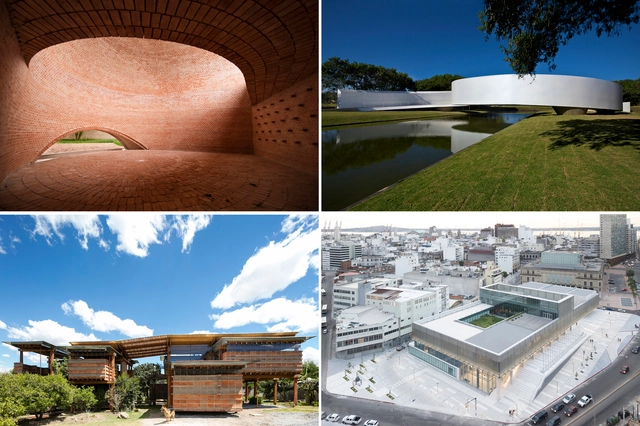
1. San Bernardo Chapel / Nicolás Campodonico. Courtesy of Nicolás Campodonico. 2. Japanese Immigration Memorial / Gustavo Penna Arquiteto e Associados. Image by Jomar Bragança. 3. Casa en el Carrizal / Daniel Moreno + Sebastián Calero. Image by Lorena Darquea. 4. CAF Southern Region Headquarters / LAPS Arquitectos. Image by Javier Agustín Rojas. Image
Geared toward students, professionals, and architecture enthusiasts, the course taught by Juan Pablo Aschner on Contemporary Latin American Architecture is a massive open online course (MOOC) in Spanish. It offers a comprehensive and systematic overview of the architecture built in Latin America from 2000 to the present, providing diverse tools to analyze the variables and intentions behind each building.
"I Book on Sundays" is hosted by Carmelo of Enorme Studio, delving into forgotten architectural publications, books, and architecture magazines from the '60s, '70s, and '80s that harbor the most fascinating stories.
Following a hiatus in 2022, the series returned with Episode 19, titled “Always Young”, telling the story of Ettore Sottsass Jr., and "No One Is a Prophet in Their Own Land", a tribute to the late master of architecture, Ricardo Bofill. Now, he brings us "Only the Best Products Go to the Museum", the first part of a two-part episode dedicated to the American "architects" of SITE—James Wines, Alison Sky, and Michelle Stone—and how they elevated BEST showrooms to the pinnacle of art.