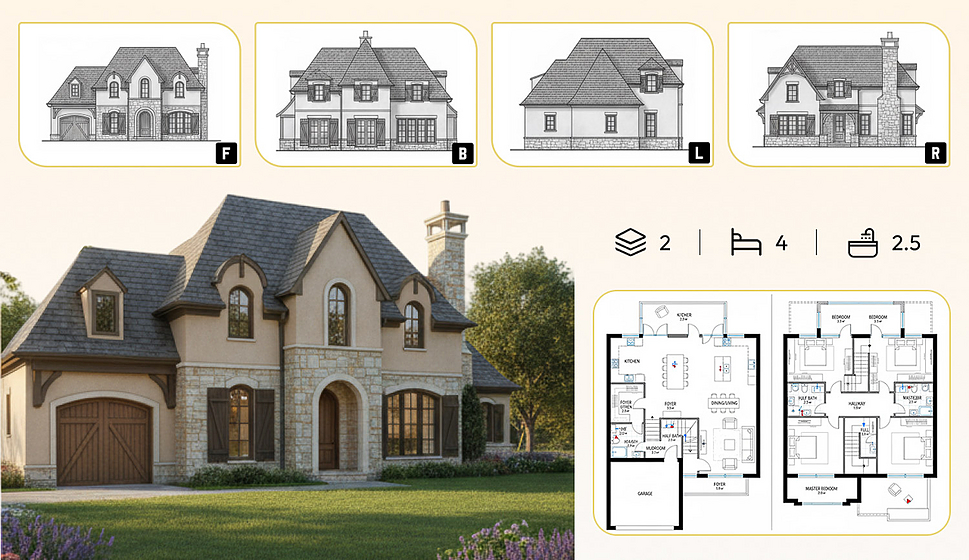
This guide covers a workflow that moves from project parameters to generated floor plans, 3D perspective views, exterior design exploration, and site context visualization, using AI tools in place of preliminary CAD and rendering work.
This guide covers a workflow that moves from project parameters to generated floor plans, 3D perspective views, exterior design exploration, and site context visualization, using AI tools in place of preliminary CAD and rendering work.
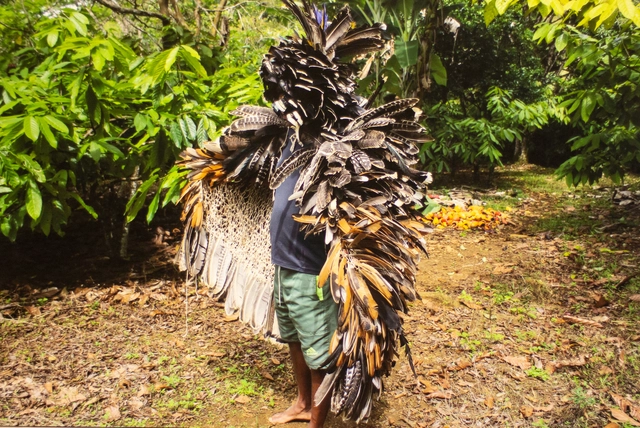
Hãhãwpuá is the name used by the Pataxó Indigenous people of Brazil to refer to the land, the soil, or, more precisely, the territory that after colonization became known as Brazil, though it has had—and still has—many other names. Amidst all these “Brazils,” Brazil as Indigenous land is the focus of the country's pavilion at the Venice Art Biennale 2024, which has consequently been renamed the Hãhãwpuá Pavilion.
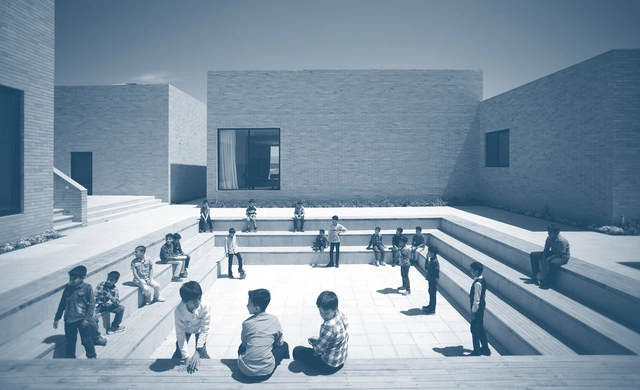
The global community of architecture students and architects is constantly producing valuable, high-quality content that deserves to be shared and discussed. At ArchDaily, we want to provide a platform for voices that often go unheard, showcasing new ideas and discoveries that enrich our field. We know that behind every project lies hard work, deep reflection, and transformative potential. Let's prevent these efforts from being forgotten or lost in digital archives, and instead foster dialogue and new perspectives.
If you believe your research—such as theses, academic essays, research papers, or literature reviews—deserves to be shared and discussed, we invite you to submit it using our participation form.
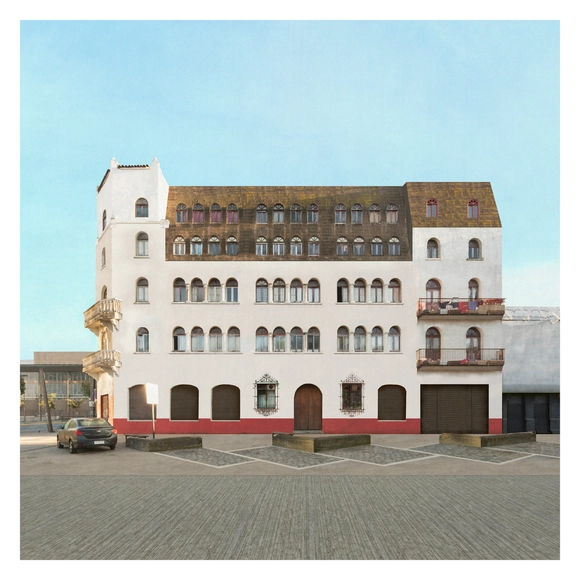
The images in this exhibition seek to create a space for reflection on a condition that can be extrapolated to the current state of the city of Concepción, Chile. They offer a simultaneous view of architectural works related by technique, scale, or construction period, capturing the distinctive identity that defined the city over the last 100 years—one that is currently threatened by an urban renewal process far removed from the motivations that gave rise to its heritage legacy.
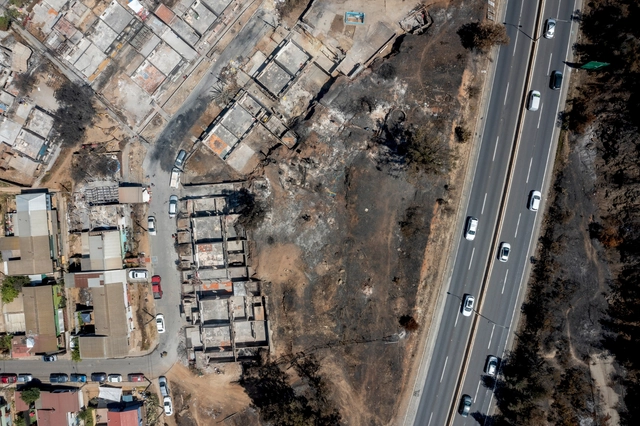
As of this writing, the death toll exceeds 130, with over 15,000 homes affected by the megafires in Valparaíso, Viña del Mar, and Quilpué, which struck Chile in early February 2024. Above all, this tragedy forces us to once again confront the lack of urban planning and to continue improving prevention, evacuation, and warning systems. These events also demand—once again—that we outline a diagnosis and concrete courses of action toward necessary adaptation.
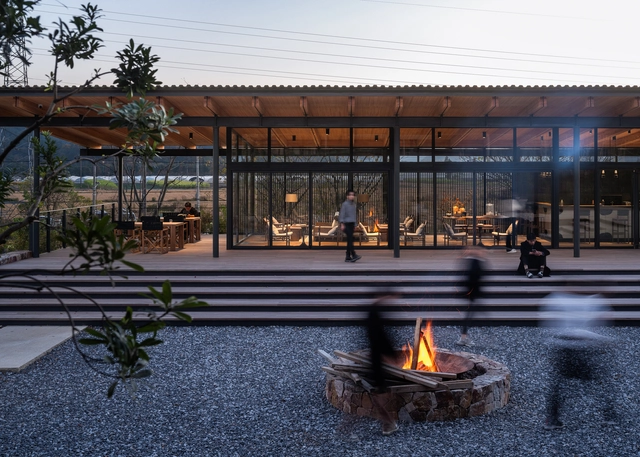
Founded in Shanghai in 2002 by a group of architects with academic backgrounds from China and abroad, Verse Design currently operates offices in Shanghai and Los Angeles. For over two decades, Verse Design has been deeply engaged in multi-scale practices across urban design, architectural design, community making, and residential product systems, developing a systematic and coherent design logic and methodology. From master planning and urban design to schematic design and detail control, a "craftsman's spirit" underpins every phase of their work.
Cultural and tourism resort towns, neighborhood communities, civic spaces, and community retail form the core of the firm's spatial typologies and research. Over the past decade, Verse Design has master-planned and fully designed a series of resort towns for the renowned lifestyle brand Aranya, including projects in Qinhuangdao, Jinshanling, Wuling Mountain, Sanya, and Jiulong Lake in Guangzhou. Additionally, the firm has been deeply involved in the master planning and architectural design of prominent projects such as Jiangshan Wanli, Prolo Utopia, and Shanghai Vanke's Ideal Land.
Verse Design maintains a boutique team size and a flat management structure, offering architects a highly autonomous working environment. Here, team members engage in multi-dimensional, full-phase projects ranging from early-stage programming and urban design to architectural design and detail execution. We welcome talented, like-minded architects to join us and grow alongside the firm. The office is located in a historic garden villa at the intersection of Zhaojiabang Road and Wulumuqi Road in Shanghai, just 50 meters from the Zhaojiabang Road Metro Station (Lines 7 and 9), offering easy accessibility and a comfortable working environment.
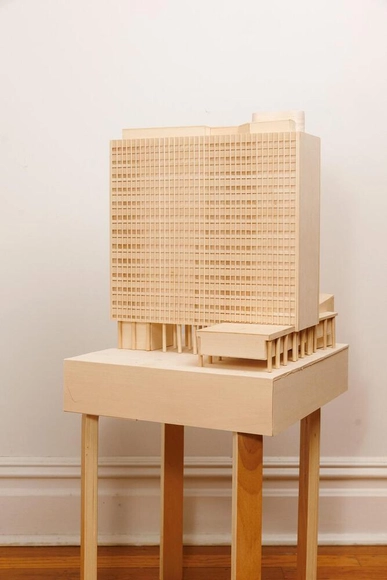
Conceived during the Fall Residency Program for Independent Projects at the IPA – Institute for Public Architecture, the project “The other of the other” (2023) was developed through visits to and research in a series of institutional sites and archives in New York City—resources that have influenced Talles Lopes's work since 2018. These primarily include spaces and archives related to the dissemination of Brazilian modernist architecture in the Global North from a New York perspective, specifically the MoMA archives in Manhattan.
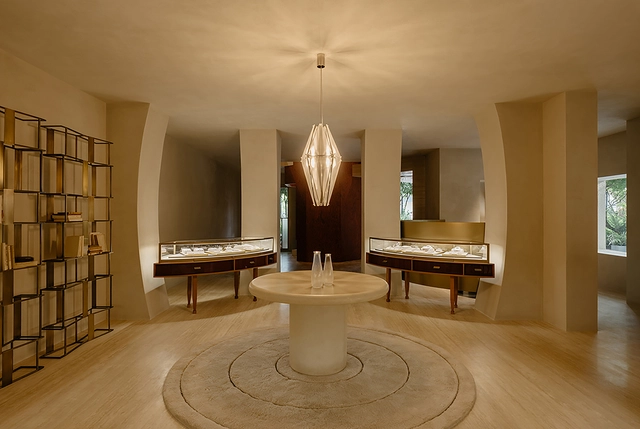
OUTIN.DESIGN was founded in 2014 by Chen Wang and Shajun Jiang. Based in China, it is an award-winning, multidisciplinary design firm with international recognition.
OUTIN.DESIGN's creative process begins with the observation of the self, daily life, nature, humanity, art, and the world itself. The studio seeks to gather and translate these impressions, reflecting ideas, objects, and moments through an experimental, functional, and forward-looking design language.
Our practice comprises four interdisciplinary design teams—R.E.C, WMT, SIBAN, and JEDI 404—which operate both independently and collaboratively across boundaries. Their exploration spans a comprehensive range of design scales, including architecture, community interaction, innovative retail spaces, exhibition design, co-working offices, boutique hotels, residential and lifestyle environments, interior styling and sourcing, as well as product design and prop development.
Each team brings a distinct design language and expertise to the table, enabling us to provide clients with comprehensive support across highly specialized, intersecting domains. This structure fosters diversity and pluralism within creative communities and technical innovation, while ensuring the streamlined operation of OUTIN.DESIGN as a cohesive, collective practice.
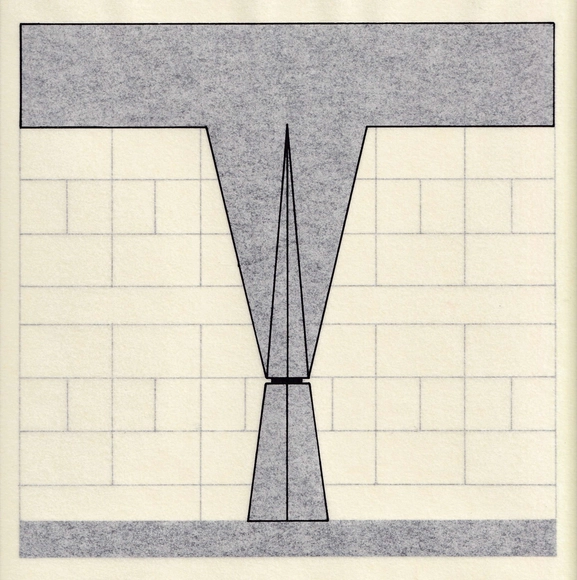
Some lessons, however simple, can resonate lastingly within our personal practice. This is the case with a specific memory from my undergraduate years in the Architecture and Urbanism program at Escola da Cidade, where, during a second-year technical drawing class, the professors suggested we retrace the floor plans of the Butantã House, designed by architect Paulo Mendes da Rocha. My recollection is that, immediately, some of the students found the activity uninspired or even irrelevant—which is understandable—while for others it was certainly enjoyable and fruitful, even if they might not recall this specific episode more than a decade later, as is the case here. The value of being exposed to different activities within a course—from the most to the least conventional, from the simplest to the most elaborate—is that each individual will utilize different tools and knowledge in unique ways. Hence the importance of a wide range of experiences, even within the seemingly rigid instruction of technical drawing. What is trivial for some can be instrumental for others, whether momentarily or over the long term.
The 8th edition of the ArchDaily Brasil Building of the Year award has arrived, and once again we need your help to select the best architectural projects of the year. By voting, you become part of an unbiased network of jurors recognizing the most relevant projects published last year.
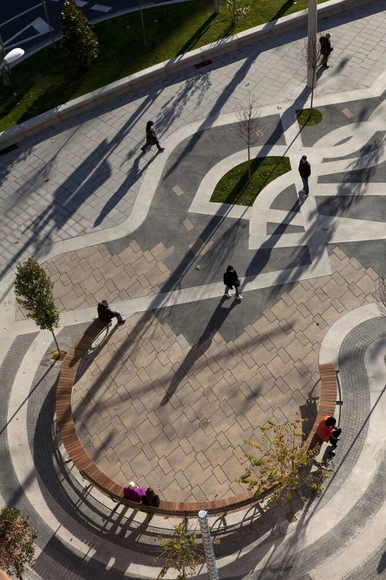
Concrete, in its various facets, exhibits an interesting duality thanks to its aesthetic and technical qualities, which have been explored by architects and designers in different typologies and contexts. On the one hand, reinforced concrete displays the strength and durability required for large-scale construction, efficiently withstanding adverse weather conditions. On the other hand, the malleability of stamped concrete allows it to elegantly adapt to complex shapes and imprint patterns on the surface, utilizing texture and pattern to cultivate a distinct atmosphere within the built environment.
Stamped concrete has gained prominence due to its durability and versatility, offering options and designs that adapt to different architectural styles. However, while we are familiar with its use and applications, specifying it requires a meticulous approach to ensure optimal results. Below is a practical guide covering the essential considerations from Melón Hormigones for specifying this innovative material, from pattern selection to proper care and maintenance.
In 2024, we celebrate the fifteenth edition of our Obra del Año award: the highest recognition in the Spanish-speaking architectural world, where the winners are chosen by popular vote. Starting today, Tuesday, March 12, you and all our readers will be responsible for deciding which projects inspired us in 2023 and now faithfully represent the identity of our local contexts.
Over the next three weeks, the entire ArchDaily en Español network will serve as the platform to celebrate the best built architecture in Spain and Latin America. From a selection of nearly one thousand projects published in 2023, you can easily find your favorites by browsing through the categories and using our search filter to sort projects by country and architecture firm.
The Obra del Año 2024 Award is brought to you by Dornbracht, renowned for its design leadership in architecture, which can be found globally in bathrooms and kitchens.
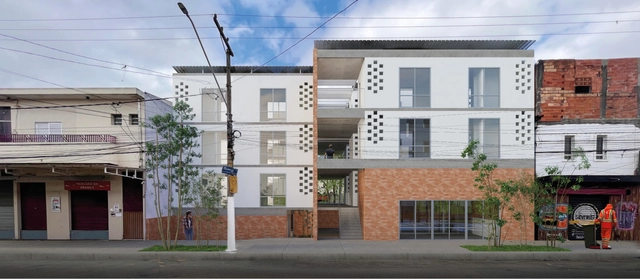
How can architecture and urbanism once again contribute to the debate and production of Social Interest Housing (HIS)? This was one of the core questions guiding the development of the Social Interest Housing Guidelines Manual for Jardim Lapena, developed by the Tide Setubal Foundation and BlendLab for the East Zone of São Paulo. This manual compiled a set of guidelines regarding housing, management models, site planning, and integration with the urban environment, shaping the proposals for the + Lapena Habitar Call for Projects held in late 2022.
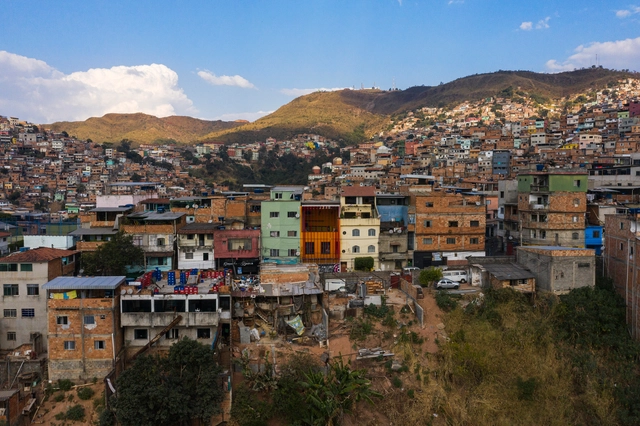
In developing architectural projects in favelas and peripheral areas, the work of Coletivo LEVANTE demonstrates immense sensitivity to the unique character and specificities of these environments. According to the group, "recognizing the values lived and realized by favela residents—landscape, architecture, identity, and relationships" is the very raw material they seek for their projects. This approach has gained recognition through works like the Lá da Favelinha Cultural Center and Casa no Pomar do Cafezal, winner of the ArchDaily 2023 Building of the Year Award.
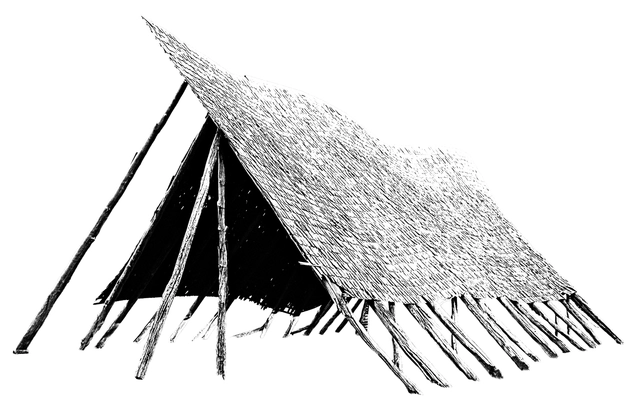
The architectural heritage established by the early settlers of the Aysén region—initially a minimal expression of dwelling designed to protect inhabitants from the elements, which later evolved intrinsically alongside the changing needs of its residents—symbolically represents a vernacular architectural identity in wood.
Today, with few exceptions, the remaining houses from the early years of spontaneous settlement in the region show advanced signs of decay. They are often repurposed as storage sheds or outbuildings next to the main house due to degraded materials, a lack of basic utilities, or precarious thermal insulation.
Similarly, although the vast majority of larger and more complex homes from a more recent period—built primarily in urban areas—remain inhabited, the structural decay of these buildings is increasingly evident. This precarious condition is closely linked to their occupants, who are mostly older adults lacking the financial resources or physical capability to undertake necessary repairs.
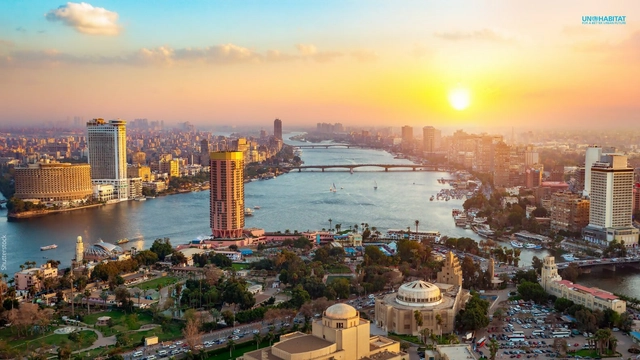
Under the theme “It All Starts at Home: Local Actions for Sustainable Cities and Communities,” the 12th Session of the World Urban Forum (WUF12) will be held in Cairo, Egypt, from November 4 to 8, 2024. The conference returns to the African continent more than 20 years after its inaugural edition in Nairobi, Kenya, in 2002.
Convened by the United Nations Human Settlements Programme (UN-Habitat) and co-organized with the Government of the Arab Republic of Egypt, the event is the premier global conference on the future of cities. The sessions will take place at the Egypt International Exhibition Center and will be broadcast online for free.
We invite you to participate in the 2024 ArchDaily Brasil Building of the Year Award. In its eighth edition, we task our readers with the responsibility of recognizing and rewarding the projects that have had the greatest impact on the profession. By voting for the finalists, you become part of an unbiased network of jurors recognizing the most relevant projects built over the past year in Portuguese-speaking countries. Only a few days remain before the voting stage closes, which will select the three main winners of the 2024 ArchDaily Brasil Building of the Year Award from among the 15 finalists.
Registered users can vote for their favorite project once a day. The voting stage closes on April 3 at 11:59 PM (Brasília time GMT-3).
We invite you to participate in the 2024 Obra del Año Award. For this fifteenth edition, we ask you to recognize the projects that are making the greatest impact on the built environment. By voting, you become part of an independent, impartial network that has consistently helped us celebrate architecture of all scales, purposes, and contexts, in countries both large and small. Only a few hours remain to vote for your favorite project and help narrow down 1,000 nominees to just 15 finalists.
Remember, registered users can vote for their favorite project. The first stage ends on Tuesday, March 26, 2024, at 11:59 PM (GMT-3). Thank you once again for helping us continue to democratize architecture.
The 2024 Obra del Año Award is brought to you by Dornbracht, renowned for its leading architectural designs, which can be found internationally in bathrooms and kitchens.
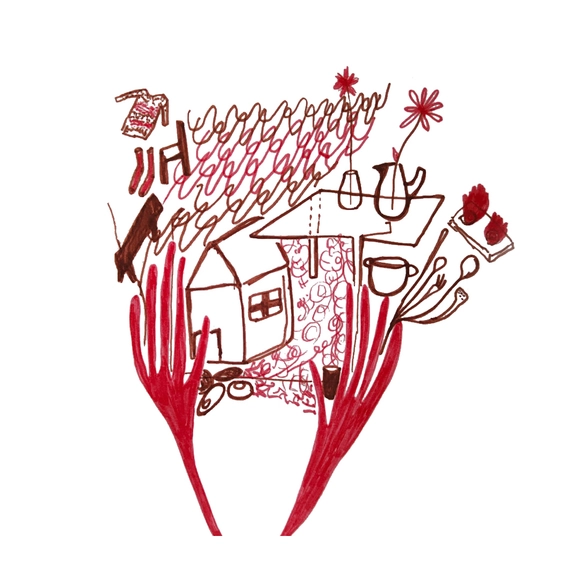
The craft of architecture is, fundamentally, a practice of approaching the other. While the product expected of the architect is a physical object, it must respond with the utmost sensitivity to the people who will use it—that is, those who will inhabit the space.
During the 1980s and 1990s, a paradigm shift occurred in how the social sciences understood certain social phenomena. Spatiality became a key concept for grounding social phenomena in physical space, giving rise to a new research perspective known as the "spatial turn in the social sciences." This approach aims to anchor social phenomena, such as dwelling, in concrete material spaces, acknowledging that physical space exerts agency over human social life, and vice versa.
*This article was submitted by Andrea Henríquez through our call for architectural research submissions.
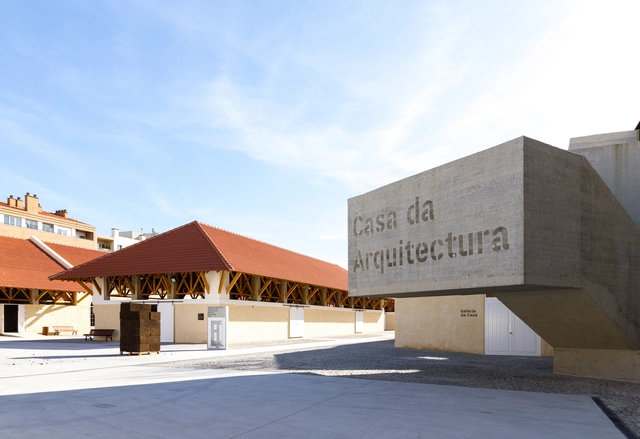
Casa da Arquitectura has opened a call for 10 doctoral research fellowships, funded by the Foundation for Science and Technology (FCT) under the Cooperation Protocol for the Funding of the Multiannual Plan for Doctoral Research Fellowships established between both institutions.
Today is the day to discover the finalists for ODA2024: the award for the best architecture in Spanish. Our expert jury—that is, you, the readers—has selected 15 of their favorite projects from nearly 1,000 works of architecture built in Latin America and Spain.
This award has become a true tradition, now in its sixteenth edition. It is an invitation to all our readers to recognize the projects published in 2023 that inspired them and represent the identity of their local contexts in a globalized world, shaping how architecture is practiced in Latin America and Spain within an increasingly heterogeneous and multicultural environment.
Starting today and until next Wednesday, April 3 at 11:59 PM (GMT -3), you can explore each of the finalists in detail and vote for the project that best represents the architecture in Spanish that inspires us, defines us, and shapes us. Discover all the finalist projects below.
The 2024 Obra del Año Award is presented to you thanks to Dornbracht, renowned for its leading architectural designs, which can be found in bathrooms and kitchens worldwide.
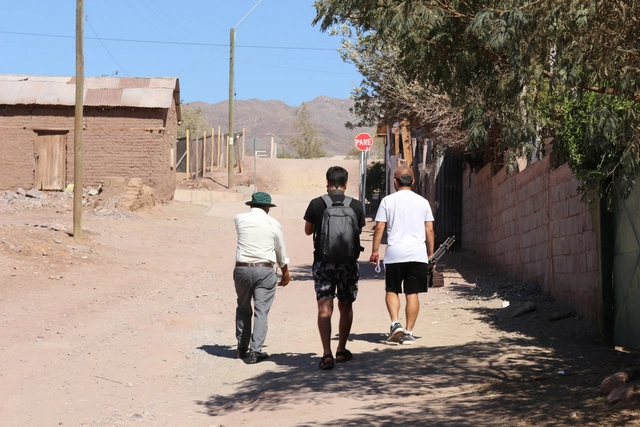
Walking through rural communities in Chile today, it is clear that from a pedestrian perspective, these areas are growing through the application of urban design elements. There is a clash between two realities: on one hand, the historical practices of the residents themselves, and on the other, the introduction of standardized urban development.
Alongside their own ways of life, local residents have been forced to adapt to standardized territorial growth, excluded from decision-making processes regarding interventions in their pedestrian environment. Regulatory frameworks are the tools used by direct operators to intervene in the rural sphere. Generally, the resident—the central subject of social policies—remains a passive and uninformed actor regarding these regulatory frameworks (Tapia, 2007).
*This article was submitted by Felipe Aguilera through our call for submissions for architectural research.
We are pleased to present the finalist projects of the 2024 ArchDaily Brasil Building of the Year Award. After two weeks of nominations, the favorite projects were chosen from hundreds of built works in Portuguese-speaking countries. Our jury, composed of thousands of readers, has once again done an excellent job of selecting these 15 works.
From today until April 3 at 11:59 PM (Brasilia time, GMT-3), you can vote once a day for the projects you consider to be the best examples of contemporary Lusophone architecture. The results will be announced on April 4.
Last week, we announced the 15 finalists for the 2024 ArchDaily Brasil Building of the Year Award, which celebrates the best of Lusophone architecture, inviting our readers to choose their favorite projects built in Portuguese-speaking countries. The day has come to announce the winners of ODA 2024.
The 2024 Building of the Year Award is presented by Dornbracht, an internationally renowned brand specialized in kitchen and bathroom products.
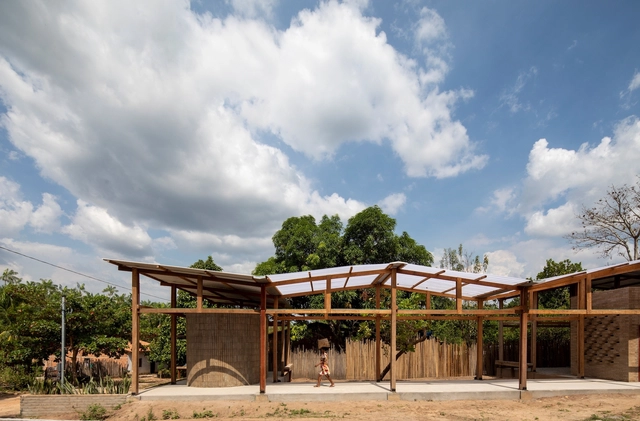
The Tomie Ohtake Institute and AkzoNobel have just released experimental videos about the three winning projects in the Professional category of the 9th Tomie Ohtake AkzoNobel Architecture Prize. The films feature Casarão 28, the Quebradeiras de Babaçu Reference Center, and the São Benedito Route.