During the International Union of Architects (UIA) 2020 International Forum, “Affordable Housing Activation: Removing Barriers,” the Higher Council of Spanish Architects’ Colleges (CSCAE) developed the first dynamic atlas on access to housing. The platform aggregates over 4,000 economic, urban, and development indicators into a single interface, making them easy to analyze and interpret. The data is sourced from major international organizations, including the World Bank, the Inter-American Development Bank, the International Monetary Fund, and the World Health Organization.
News
300.000 Km/s's New Web Tool: The First Dynamic Atlas to Access Housing Information
https://www.archdaily.com/1131975/3000-km-ss-new-web-tool-the-first-dynamic-atlas-to-access-housing-informationMili Sánchez Azcona
A Void of Possibilities: Discovering the Work of Vão

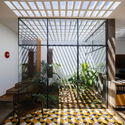
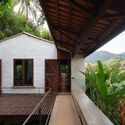
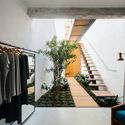
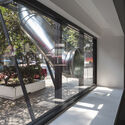
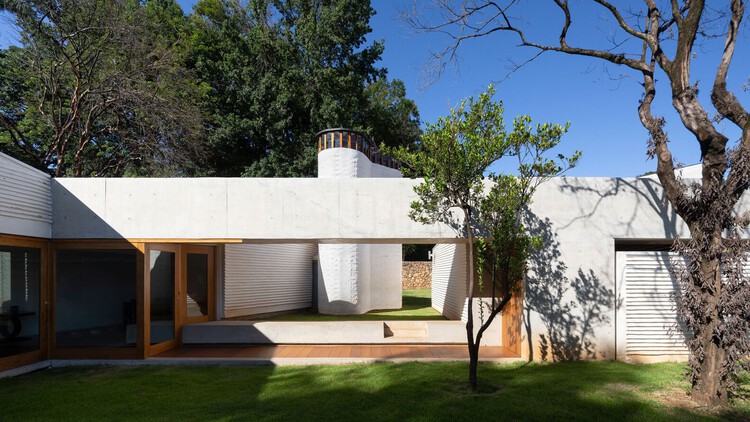
Founded in 2013 in São Paulo, this young transdisciplinary practice focuses on architecture, urbanism, and fine arts. Influenced by visual arts, music, theater, and everyday urban life, the firm translates these lived experiences into projects across diverse scales, briefs, and contexts.
Named after a term with multiple meanings in Portuguese—in architecture, *vão* represents the void or span between structural elements, a space to be occupied and activated by social, political, artistic, and various other interactions—the firm was founded by Anna Juni, Enk te Winkel, and Gustavo Delonero. Throughout its nearly ten-year history, it has maintained a small team, alongside occasional collaborations with friends and colleagues on specific projects.
https://www.archdaily.com/1131969/a-void-of-possibilities-discovering-the-work-of-vaoGiovana Martino
Call for Entries Opens for the European Award for Architectural Heritage Intervention AHI
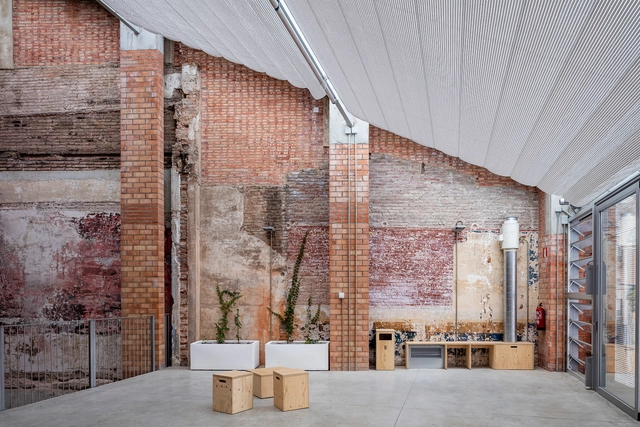
The call for entries for the European Award for Architectural Heritage Intervention (AHI), aimed at professionals and associations linked to architectural heritage, is open until March 17, 2023. Its primary objective is to recognize high-quality interventions in built heritage across all its dimensions. In doing so, the award aims to contribute to their dissemination and establish itself as a catalyst and observatory for the new challenges that contemporary architectural globalization poses to the conservation and intervention of built heritage.
https://www.archdaily.com/1131978/call-for-entries-opens-for-the-european-award-for-architectural-heritage-intervention-ahiAgustina Iñiguez
Construction Technologies for a Sustainable Habitat: CEVE and the Application of New Materials in Argentina
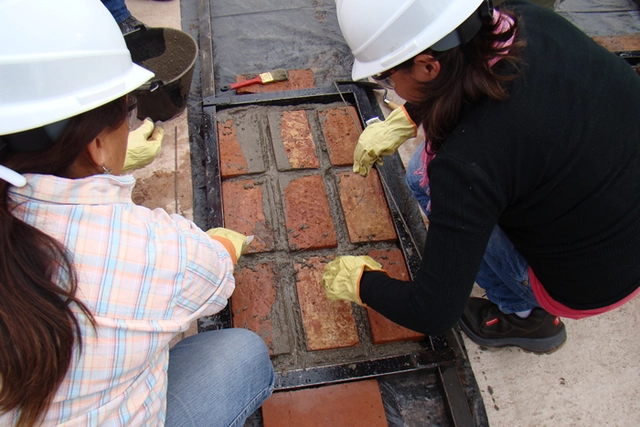
The Experimental Center for Affordable Housing (CEVE) is a research, experimentation, development, and transfer center for construction technologies and comprehensive management, focusing on the social production of habitat. Founded around 1967 by architect Horacio Berretta within the Faculty of Architecture of the Catholic University of Córdoba (UCC), CEVE is jointly affiliated with the National Scientific and Technical Research Council (CONICET) and the Affordable Housing Association (AVE).
https://www.archdaily.com/1132151/construction-technologies-for-a-sustainable-habitat-ceve-and-the-application-of-new-materials-in-argentinaAgustina Iñiguez
Jobs in Shenzhen | Studio 10: Architectural Designer, Project Manager, Interior Designer, Intern
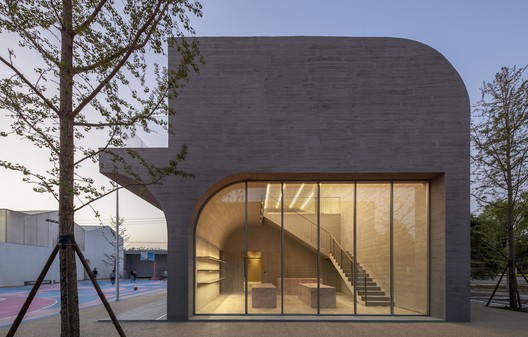
Founded in 2017, Studio 10 is an interdisciplinary design practice based in Shenzhen and Hong Kong. We are dedicated to providing highly customized, high-quality, boutique architectural, interior, product, and other creative design services. Our design and research span both the world's highest-density urban environments and low-density rural areas. As a multidisciplinary studio, we view architecture and space as the ultimate, omnipresent medium between people and their natural, social, and cultural environments. In our practice, architecture and space are not only shelters within the environment and media for perceiving our surroundings, but also catalysts and generators for rural and urban community revitalization and environmental improvement. Through constant reflection, we aim to leverage architecture and space to promote economic, cultural, and social progress, seeking an enduring balance and harmony between humanity and the environment.
To reconnect humanity with nature, we explore unorthodox treatments of form and materials in our designs, reflecting a desire to humanize architecture. By reintroducing pre-industrial and pre-digital craftsmanship into the design process, architecture and space become a hybrid of rationality and intuition. We also constantly explore recyclable, recycled, and repurposed natural and industrial materials, advocating for environmental awareness and sensitivity through their innovative and defamiliarized application.
https://www.archdaily.com/1132143/jobs-in-shenzhen-studio-10-architectural-designer-project-manager-interior-designer-internJuly Shao
Model Books: 90 Architecture Publications in Barcelona's Plaza Real

“Libros Model” is presented in Barcelona's Plaza Reial, hosted by its curator, Ethel Baraona. Joined by Santiago Bogani, they speak with curious visitors who stop to ask about the wooden wall and table filled with architectural publications.
The installation features a selection of 90 books from various international publishers promoting and disseminating work and ideas within the architectural field—inviting reflection on the central theme of the Model. Barcelona Architectures Festival: Re-Grow.
As part of “Libros Model,” a network of bookstores and libraries across Barcelona will also present special collections reflecting on the five themes of this inaugural edition of the festival: Between-Classes, Between-Cultures, Between-Species, Between-Generations, and Between-Materials.
From 'A Bestiary of the Anthropocene' to 'Icebergs, Zombies, and the Ultra-Thin', the complete selection of books curated by Baraona is presented below.
https://www.archdaily.com/1132172/model-books-90-architecture-publications-in-barcelonas-plaza-realFabian Dejtiar
“Taxation” of solar energy takes effect in January

In January of this year, a legal framework for distributed micro- and minigeneration of energy was established under Law 14,300/2022. The text ensured that the sector's previous rules would be maintained until 2045 for existing solar installations and new customers within a 12-month window. Now, with only three months left in the year, the topic is back in the spotlight, as the deadline to secure benefits like exemptions from certain tariff components is fast approaching.
https://www.archdaily.com/1132227/taxation-of-solar-energy-takes-effect-in-januaryMarcia Sousa
Jobs in Hangzhou | GLA Design: Project Leader, Design Lead, Architectural Designer (Concept Design & Construction Documentation), Urban Planner / Project Planner, Lead Interior Designer, Structural Engineer, Brand Specialist (Photographer)

GLA Design was founded in 2010 and holds a Class-A qualification in architectural engineering approved by the Ministry of Construction. Over years of development, the firm has established a diverse team of professional designers. Upholding an unwavering commitment to "the ultimate pursuit of architectural quality," GLA emphasizes full-process involvement and control over its projects. Using high-quality, highly resolved design works as its benchmark, the firm rigorously controls every design detail.
https://www.archdaily.com/1132236/jobs-in-hangzhou-gla-design-project-leader-design-lead-architectural-designer-concept-design-and-construction-documentation-urban-planner-project-planner-lead-interior-designer-structural-engineer-brand-specialist-photographerJuly Shao
A water plaza in the desert: the Brazil Pavilion at Expo 2020 Dubai
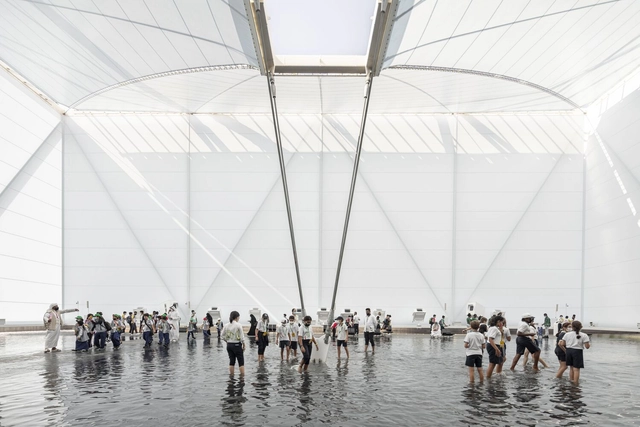
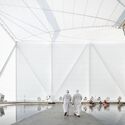
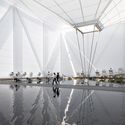
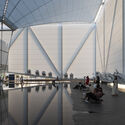
Inspired by the waters of Brazilian rivers and mangroves, the Brazil Pavilion at Expo 2020 Dubai invites visitors to an interactive experience immersed in an atmosphere of sounds, projections, temperatures, and textures that evoke Brazilian landscapes. Designed by architecture firms JPG.ARQ, MMBB Arquitetos, and Ben-Avid, and curated by Guilherme Wisnik and Alexandre Benoit, the project won the 2018 competition to represent the country at the event, which runs through March 2022.

https://www.archdaily.com/1132237/a-water-plaza-in-the-desert-the-brazil-pavilion-at-expo-2020-dubaiSusanna Moreira
"We don't want to apply our layer and erase the layer of history": Interview with Filipa Guerreiro and Tiago Correia
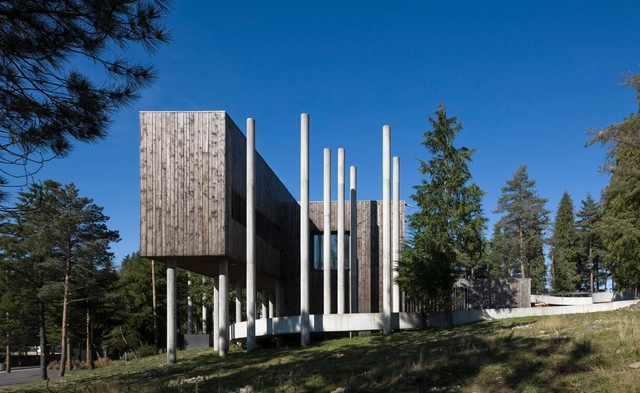
No País dos Arquitectos is a podcast created by Sara Nunes, who is also responsible for the architectural film production company Building Pictures. The podcast aims to introduce the professionals, projects, and stories behind Portugal's leading contemporary architecture. With just over 10 million inhabitants, Portugal is a highly compelling country when it comes to this professional field, boasting an architectural output that far exceeds its demographic or territorial scale.
In this episode of the fourth season, Sara talks with architects Filipa Guerreiro and Tiago Correia about the Environmental Education and Interpretation Center of the Corno de Bico Protected Landscape. Listen to the conversation and read part of the interview below.


https://www.archdaily.com/1132244/we-dont-want-to-apply-our-layer-and-erase-the-layer-of-history-interview-with-filipa-guerreiro-and-tiago-correiaRomullo Baratto
How to incorporate switches into interior design?
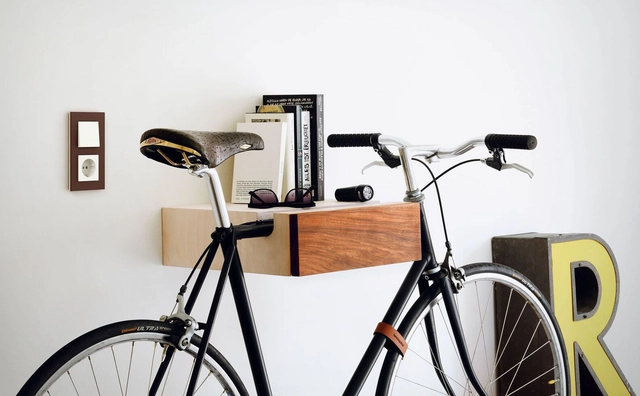
Turning a space's lights on or off is a routine part of daily life. This almost automatic action is made possible by a switch, a device designed to divert or interrupt the flow of electrical current. Given its essential role in everyday life, how can we combine a switch's functionality with aesthetic appeal?
Just as current design trends integrate exposed installations and services into interior design strategies, the new range of light switches combines functionality with an aesthetic diversity tailored to the personality of each space. Adapting to different styles relies on a combination of three factors: the choice of materials, colors, and formats. Below, we look at the available options using the GIRA catalog as a guide.

https://www.archdaily.com/1132186/how-to-incorporate-switches-into-interior-designCamila Prieto
Open House Lisboa 2022 proposes to rediscover invisible architecture
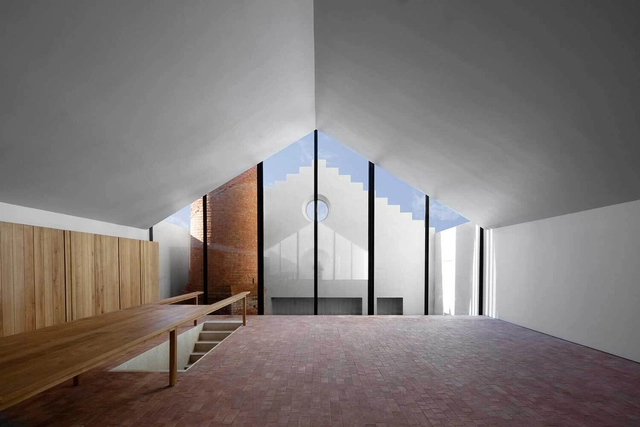
No País dos Arquitectos is a podcast created by Sara Nunes, who is also behind the architectural film production company Building Pictures. The podcast aims to profile the professionals, projects, and stories behind leading contemporary Portuguese architecture. With just over 10 million inhabitants, Portugal is a fascinating country when it comes to this professional field, and its architectural output far exceeds what its population or territorial scale might suggest.
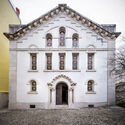
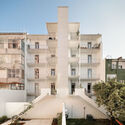
In this episode, Sara talks with Sofia Couto and Sérgio Antunes of Aurora Arquitectos, curators of the Open House Lisboa 2022, which is themed "The Rebellion of the Invisible.” Listen to the full interview and read an excerpt of the conversation below:



https://www.archdaily.com/1132197/open-house-lisboa-2022-proposes-to-rediscover-invisible-architectureRomullo Baratto
5 Cities Show How to Thrive in Turbulent Times

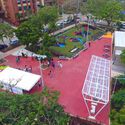
History shows that when struck by crises and disasters, cities generally recover and emerge stronger and more resilient than before. The Great Chicago Fire famously gave rise to skyscrapers. Contagious disease outbreaks contributed to public health policies and modern sanitation practices. The devastation of World War II catalyzed unprecedented investments in housing and infrastructure.

https://www.archdaily.com/1132210/5-cities-show-how-to-thrive-in-turbulent-timesSalome Gongadze, Anne Maassen e Liuda Serohina
The 50 Best Houses of 2022
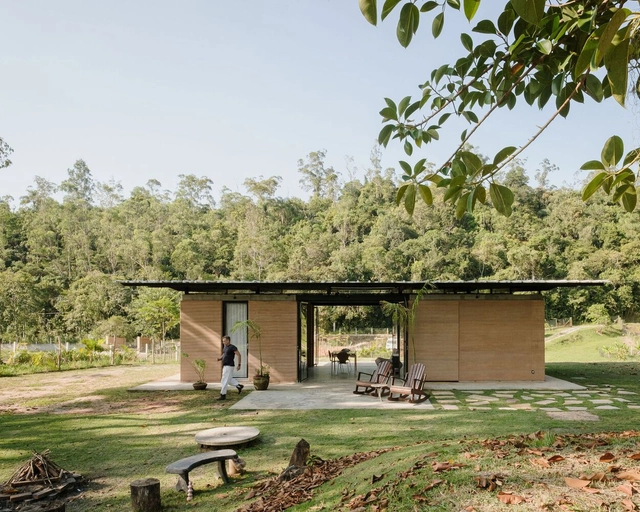
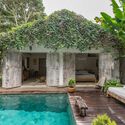
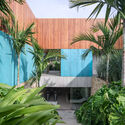
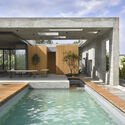
As another year comes to a close, the ArchDaily team gathers the highlights of architecture in a series of retrospectives reflecting on the content featured over the past twelve months. As part of this effort, our curation team turns its attention to one of the most popular categories among our readers, residential architecture, selecting the projects that represent the best of a vast global architectural production, as seen through the eyes of our audience.

https://www.archdaily.com/1132285/the-50-best-houses-of-2022Susanna Moreira
The inaugural meeting of the Performing Arts Venue Design Branch of the China Association of Performing Arts Equipment Technology was successfully held!

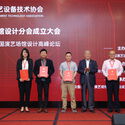
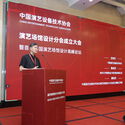

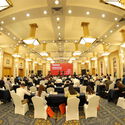

On August 28, the Inaugural Assembly of the Performing Arts Venue Design Branch of the China Association of Performing Arts Equipment Technology and the First China Performing Arts Venue Design Summit Forum were held in Beijing. Co-organized by the Architectural Design and Research Institute of Tsinghua University Co., Ltd. (THAD), the newly established branch is dedicated to fostering the integration of the cultural tourism, performing arts, and architectural design industries. By driving scientific planning, optimizing theater technology, and expanding multifunctional capabilities, the branch aims to enhance the design, construction, and operational quality of performing arts venues across China, contributing to the industry's advancement.
https://www.archdaily.com/1132292/the-inaugural-meeting-of-the-performing-arts-venue-design-branch-of-the-china-association-of-performing-arts-equipment-technology-was-successfully-heldJuly Shao
Territorial Human Well-being Matrix: A tool to improve the quality of life
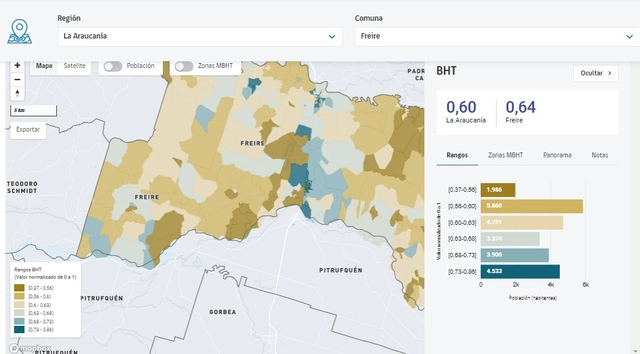
The decentralization process currently underway in Chile represents one of the major social and structural transformations of the political system in a country historically characterized by a highly centralized culture. In May 2021, with the democratic election of Regional Governors, Chile took a major step toward this goal; true decentralization, after all, occurs when decision-making capacity is transferred to local territories, redistributing power from the central government to the regions.
To support a successful decentralization process and strengthen regional governments, the Territorial Human Well-Being Matrix (MBHT) was developed. Designed by the Center for Territorial Intelligence at the Universidad Adolfo Ibáñez Design Lab (CIT.UAI.CL), the initiative is part of the “National Program for Strengthening Regional Capacities” carried out by the Undersecretariat of Regional and Administrative Development (Subdere).
This tool equips decision-making bodies with enhanced capabilities, allowing them to compare different areas, identify patterns, challenges, and opportunities to effectively implement solutions, and pinpoint the gaps and imbalances that need to be addressed.
https://www.archdaily.com/1132318/territorial-human-well-being-matrix-a-tool-to-improve-the-quality-of-lifeMarco Gatica M.
The Best Brazilian Landscape Architecture Projects of 2021
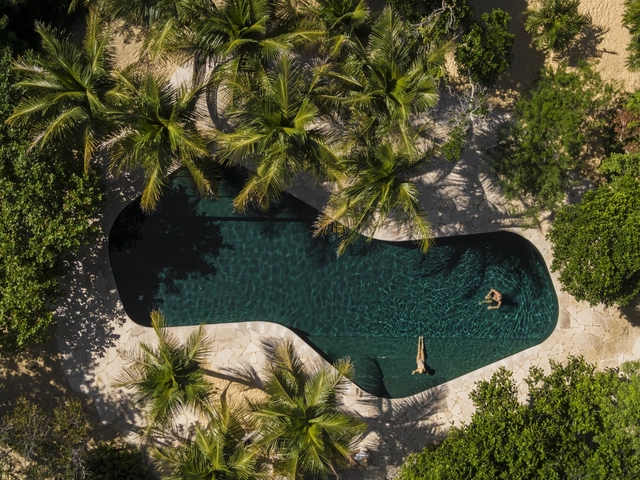
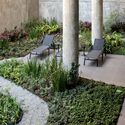
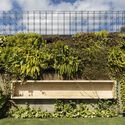
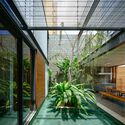
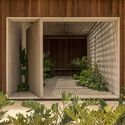

Considering focal points, biomes, and resting spaces, creating rhythm alongside architecture, and facilitating the maintenance and enjoyment of spaces are just some of the challenges of landscape design. Today, rather than serving merely as an element of spatial composition, the relationship between landscape architecture and the built environment is increasingly valued as we understand how the presence of nature benefits the health and comfort of humans and other species. Consequently, thinking about and designing the landscape has become an increasingly complex and valued endeavor.
https://www.archdaily.com/1132265/the-best-brazilian-landscape-architecture-projects-of-2021Victor Delaqua
Iphan opens applications for the 2022 Rodrigo Melo Franco de Andrade Award

The National Historical and Artistic Heritage Institute (Iphan) has launched the 35th edition of the Rodrigo Melo Franco de Andrade Award. The award recognizes outstanding national initiatives in the preservation and promotion of Brazilian Cultural Heritage. This year's theme is the Socioeconomic Sustainability of Cultural Heritage, and submissions are open until July 11.
https://www.archdaily.com/1132271/iphan-opens-applications-for-the-2022-rodrigo-melo-franco-de-andrade-awardArchDaily Team
aflalo/gasperini arquitetos launches a free digital archive of its most iconic works
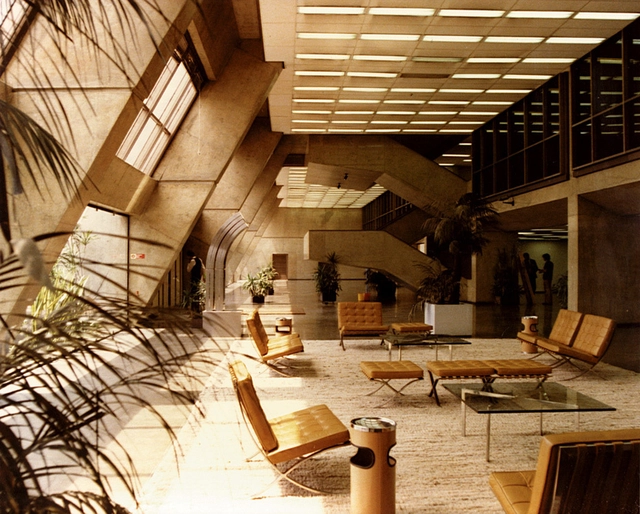
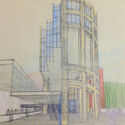
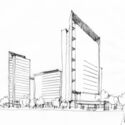
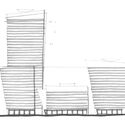
Keeping the memory of Brazilian architecture alive in a country that undervalues the profession and has systematically dismantled cultural promotion and preservation institutions can be a thankless task. Yet, this is precisely the challenge taken on by the firm aflalo/gasperini arquitetos, which has just launched a digital archive to celebrate its 60-year history.


https://www.archdaily.com/1132275/aflalo-gasperini-arquitetos-launches-a-free-digital-archive-of-its-most-iconic-worksRomullo Baratto
How to Use Building Materials to Withstand Natural Disasters?
It is well known that Australia's eucalyptus forests burn periodically. This is how the eucalyptus ensures its reproduction, as its woody fruits, known as gumnuts, feature an insulating layer that breaks open under the intense heat of a fire. Once opened, the seeds blanket the scorched soil, initiating the process of forest regeneration. Australian architect Glenn Murcutt has created a body of work deeply rooted in the country's landscape. He has designed houses engineered to withstand these frequent fires, incorporating elements that contain the flames and minimize damage. In short, these buildings are constructed from highly non-combustible materials and equipped with massive water reservoirs and a "soaking system" that allows the structure and its surroundings to survive a wildfire.
https://www.archdaily.com/1132280/how-to-use-building-materials-to-withstand-natural-disastersEduardo Souza
Camilo Restrepo: "The most interesting thing about the architecture of the tropics is the section, not the plan"
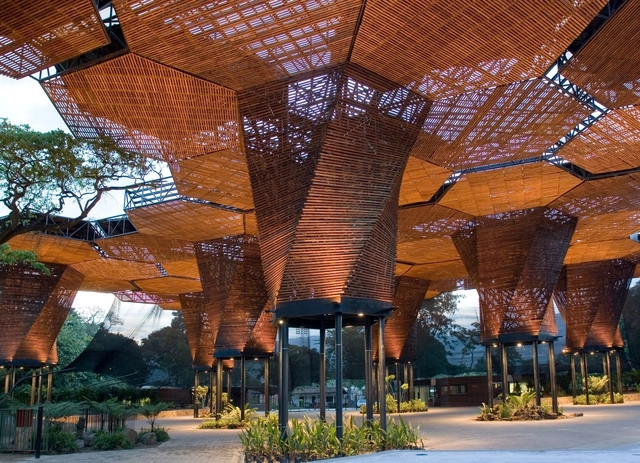
Escola da Cidade, through the Geography, City, and Architecture course of its Graduate Program, hosted architect Camilo Restrepo as a guest speaker to discuss how academic interests continue to drive professional development. During the lecture, in addressing the relationship between territory and design, Restrepo pointed to the Cordillera not as a border but as a compelling condition for architecture in the Tropics, where spatial relationships are almost never horizontal or limited to the floor plan.
https://www.archdaily.com/1132283/camilo-restrepo-the-most-interesting-thing-about-the-architecture-of-the-tropics-is-the-section-not-the-planEscola da Cidade
Low-speed zones make the city more active and safer.
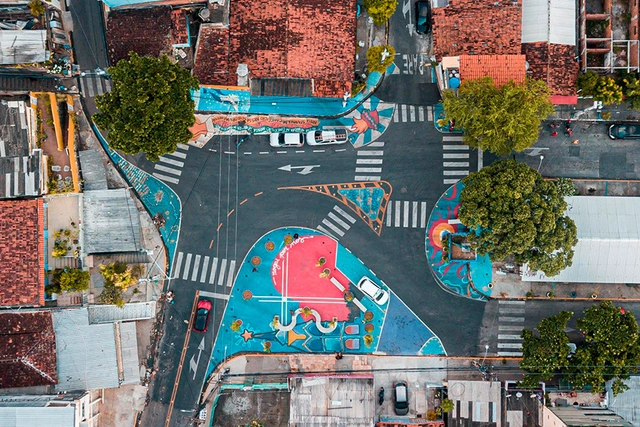
Active design and speed reduction have been transforming cities that adopt this urban planning strategy into safer, higher-quality spaces for people to walk, cycle, practice outdoor sports, and enjoy themselves.
By designing infrastructure that encourages residents of all ages to lead healthier lives, changing how they move around and experience public spaces, active cities positively impact the physical and mental health of the population, increase the appeal of these places and their economic vitality, and reduce environmental and noise pollution.
https://www.archdaily.com/1132287/low-speed-zones-make-the-city-more-active-and-saferSomos Cidade
The work of Alberto Cruz will be exhibited at the AA Gallery in London
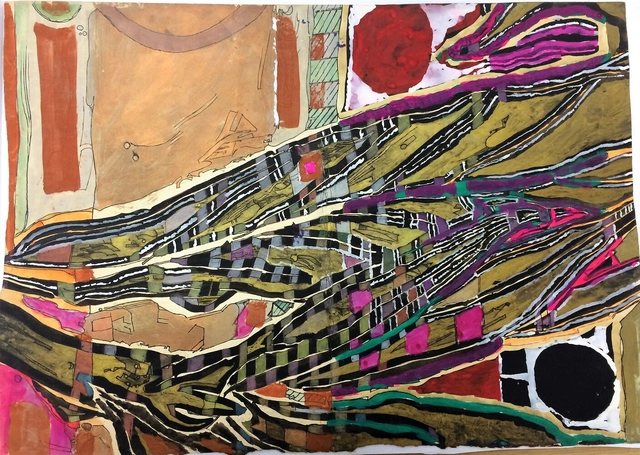
The artistic work of the prominent Chilean architect Alberto Cruz (1917–2013), recipient of the National Architecture Prize in 1975, will be exhibited at the AA Gallery of the London-based Architectural Association. The exhibition will run from November 11 to December 10, 2022, and will showcase the graphic work of the architect and academic under the title “Observation, Act, and Form.”
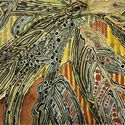
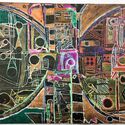
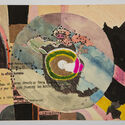

https://www.archdaily.com/1132253/the-work-of-alberto-cruz-will-be-exhibited-at-the-aa-gallery-in-londonVictoria Riquelme
Nacajuca Music House Wins the Grand Prize at the Pan-American Architecture Biennial of Quito 2022 (BAQ 2022)
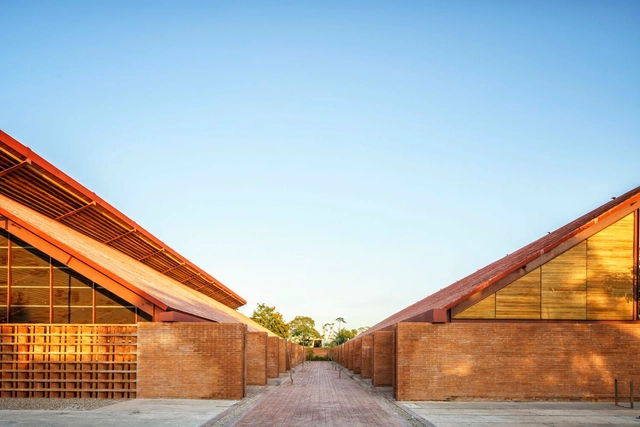
The Mexican project Casa de Música, designed by Colectivo C733, and the Bío Bío Regional Theater in Chile, by architects Smiljan Radic, Gabriela Medrano, and Eduardo Castillo, have been jointly awarded the Grand Prize at the Pan-American Architecture Biennial of Quito BAQ 2022.
https://www.archdaily.com/1132254/nacajuca-music-house-wins-the-grand-prize-at-the-pan-american-architecture-biennial-of-quito-2022-baq-2022Fabian Dejtiar