Julio Kowalwnko + Daniel Vidigal. Image Cortesía de 'Detroit, ciudad fantasma'
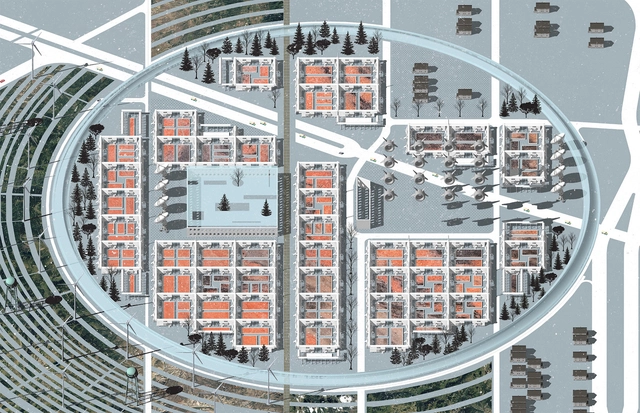
The progressive de-urbanization of Detroit—occurring, paradoxically, during what is supposedly “the era of cities” as a consequence of the collapse of economic structures and social organization—has transformed what was once one of the most economically vigorous US cities of the mid-20th century into a vast footprint of vacant plots, creating isolated islands and solitary objects on the plain.
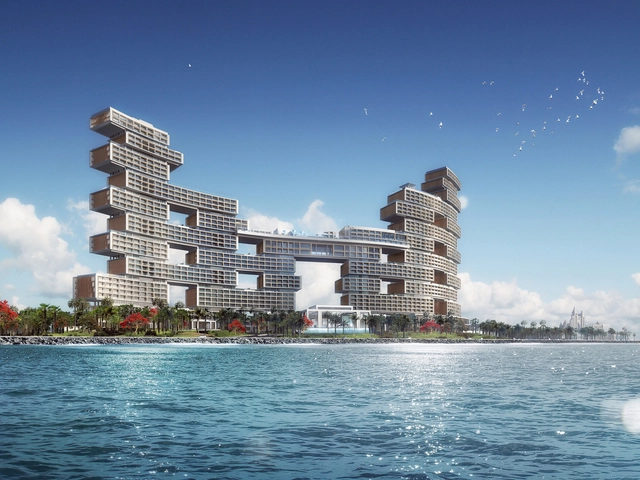
KPF has released the latest construction progress photos of The Royal Atlantis Resort & Residences. Located on Dubai’s Palm Jumeirah—the emirate’s premier resort destination—the 45-story building comprises 806 guest rooms and 256 apartments. The main structure stretches along the coast, forming an “open-air screen” against the sea.
The overall design deconstructs the traditional hotel and residential “resort block” into individual volumes. These separated masses are stacked to create fourteen “sky courts” and twenty sky terraces, offering fully open, private outdoor spaces accessible directly from the guest suites and apartments—a layout that seamlessly integrates indoor and outdoor living. Each residential apartment features a private plunge pool and garden designed to maximize shade and harness year-round breezes blowing across the water and vegetation, ensuring these private oases remain cool and comfortable throughout most of the day. While current construction photos reveal the primary massing of the main building, the sky courts are still taking shape.
https://www.archdaily.com/1114311/kpf-releases-latest-construction-photos-of-the-royal-atlantis-creating-a-screen-along-dubais-coastline舒岳康 - SHU Yuekang
Our partner Vidrio Andino has shared valuable insights into the world of glass with us, helping us better understand how the material behaves and guiding us in choosing the right glass for our architectural projects.
From A to Z, read on to discover why thermal shock should be avoided, what solar factor actually means, and exactly what tempered glass is.
Prompted by significant inefficiencies and silos in their workflow—where design, modeling, and documentation were treated as separate tasks—David Miller Architects (DMA) decided to transition the firm to the world of BIM (Building Information Modeling) in 2008. While their transition proved highly successful, the trial-and-error process yielded key lessons that are crucial for any firm looking to rethink its architectural design processes.
During a June 2018 conference in Santiago, Chile, we spoke with British architects, including representatives from Planbim, during a workshop titled “Why Implement BIM in 2020.” The session outlined seven key takeaways to help architecture practices adopt this paradigm shift.
1. The Smaller Your Practice, the Easier the Transition
Ultimately, the construction concluded with a celebration. With the completion of "Not Only a Playhouse" ("Uma Casa de Brincar e Não Só..."), Casa da Arquitectura – Portuguese Centre for Architecture handed over the facility last Friday, August 10, to the residents of the Guarda Housing Complex in Perafita, Matosinhos, Portugal. Music and performances brought a lively close to two weeks of intense work during the second edition of "O Lugar de Partilha" (The Sharing Place).
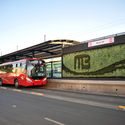
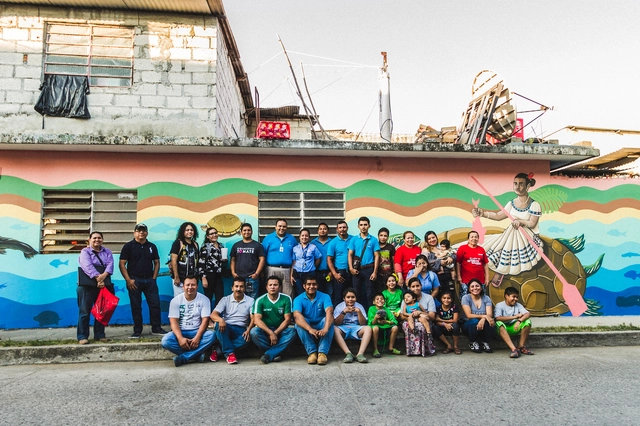
Colectivo Tomate is a Puebla-based civil organization made up of 20 artists, lawyers, architects, designers, nutritionists, and administrators who have intervened in about eight cities across Mexico. Their goal is to invite people to take action in the streets to drive transformation, demonstrate the power of citizens within their communities, and strengthen social ties.
The Ciudad Mural Villahermosa project resulted in 40 murals created through the talent of 26 artists: six local, ten national (from cities such as Oaxaca, Ciudad Juárez, Puebla, and Mexico City), and ten international (hailing from countries like Spain, Colombia, Argentina, and Brazil). These artists listened to the stories of the community and subsequently translated them into murals.
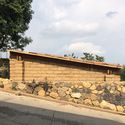
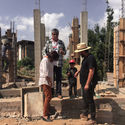
Today, we left the offices of PienZa Sostenible before dawn to head toward Tlalnepantla, in the state of Morelos—one of the many regions affected by the events of September 2017 across seven states in Mexico. After a few hours of conversation and comparing data regarding the reconstruction efforts that began almost immediately, we reached our destination, where the Rosales Milla family warmly welcomed us to show us their new home, built of adobe and wood.
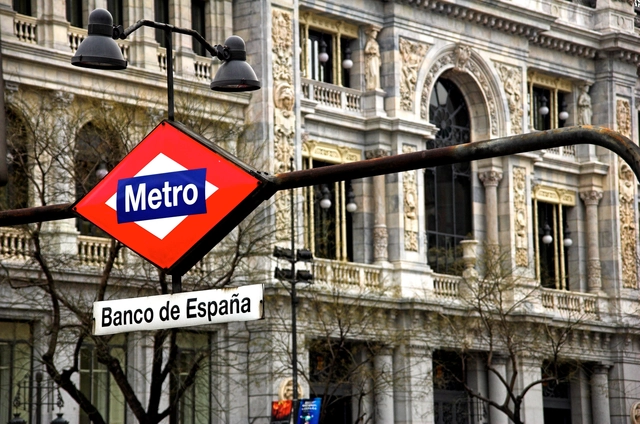
In 2019, Madrid Metro (Spain) will mark 100 years since the opening of its first line, which ran between Puerta del Sol station and the station located at the Cuatro Caminos depots. Designed by architect Antonio Palacios, the depots are currently at risk of demolition.
To commemorate this milestone, Madrid Metro launched a public call for ideas last November to design a logo that will serve as the corporate image for all centennial celebrations.
https://www.archdaily.com/1114309/architect-azucena-herranz-wins-the-competition-to-design-the-logo-for-the-100th-anniversary-of-the-madrid-metroJavier García Librero
Last November, the Comptroller General of Chile ordered the halt of construction of the so-called vertical ghettos in the municipality of Estación Central (Santiago). In response, on Friday, December 14, a group of real estate developers filed a series of injunctions against the resolution, while the Chilean Chamber of Construction raised concerns regarding the suspension of projects, as reported by the Chilean newspaper El Mercurio.
At the same time, the Colegio de Arquitectos de Chile (Chilean Association of Architects), the Association of Architectural Offices (AOA), the Association of Works Directors and Municipal Works Department Professionals of Chile, the Association of Independent Reviewing Architects of Chile, and the National Association of Independent Reviewers issued a document obtained by El Mercurio. In it, they claim they "have seen [their] right to practice their profession with confidence affected [...] due to the legal uncertainty currently facing our field."
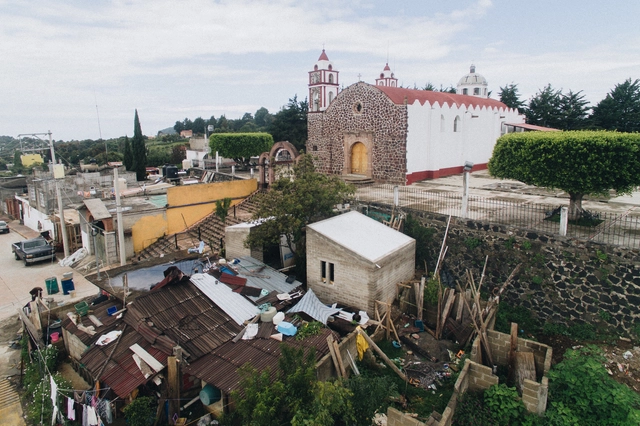
Exactly one year ago, a 7.1 magnitude earthquake shook at least nine Mexican states, leaving several areas severely damaged across Mexico City, Puebla, Morelos, Oaxaca, Veracruz, Tlaxcala, Guerrero, and the State of Mexico. Twelve months have passed in a constant struggle to rebuild from the remnants of that nightmare. Yet in those flooded streets, hope was reborn day by day through a social phenomenon that catalyzed vibrant, self-organizing communities rising to rebuild the structures that define us.
Undeniably, 19S represented a pivotal moment, reminding us of our fragility but also of how strong we can be when we work together. It underscored the importance of being physically present on the ground and engaging in dialogue to find appropriate solutions for local communities. It forced us to rethink the mechanics of cities and their peripheries, but above all, it forced us to rethink our practice as architects. We gained a stark understanding of how national politics and power operate; a genuine critique emerged, exposing the fractures left by corruption and our lack of preparation for natural disasters. 19S was, among many other things, a reminder of where we stand and our duty as inhabitants of this territory.
As Line 3 of the Santiago Metro begins its trial run on its way to becoming the Chilean capital's sixth line, other cities are starting studies to install cable cars and improve train frequencies. Meanwhile, biodiversity is celebrating great news. This and more in this edition of La ciudad chilena en la prensa, the ArchDaily section where we bring you updates on Chile's major cities.
Under the title “More Living, More Humanizing,” the 14th Spanish Biennial of Architecture and Urbanism (BEAU) presented the winning projects of its latest edition today, Thursday the 19th, in Santander. This exhibition, housed in a temporary pavilion in Santander's Pereda Gardens, showcases the works selected in the categories of Panorama of Works, 2nd Research Exhibition, and 7th Thesis Projects Exhibition.
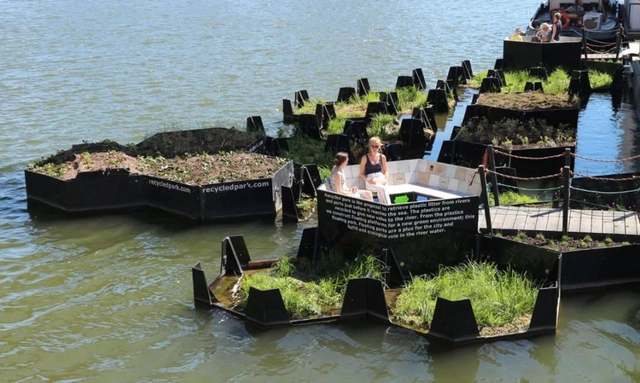
After nearly five years of design, plastic recovery, recycling, fundraising, and intensive collaboration, the first floating park made of recycled plastic has opened. The prototype was installed in the Port of Rotterdam, Europe's largest seaport, located in the second-largest Dutch city.
Measuring 140 square meters, the so-called “Recycled Park” demonstrates the potential of discarded materials. For this project, the Recycled Island Foundation collected plastics over a year and a half by installing “traps” in polluted rivers before they could reach the sea.
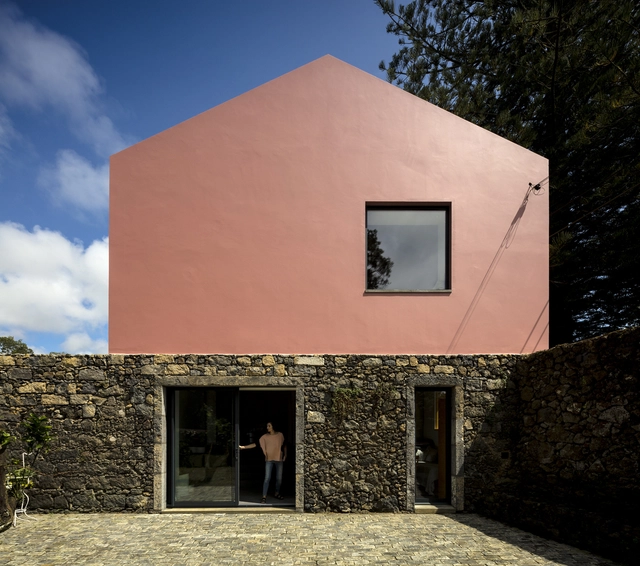
The famous and widely published Pink House, designed by Mezzo Atelier, has won the Paulo Gouveia Architecture Prize, a regional award from the Azores, Portugal, which recognizes "restoration, rehabilitation, reconstruction, and reinterpretation works whose design stands out for respecting the built heritage and prioritizing the use of local materials, without excluding the use of a contemporary language."
Works designed by renowned architects have always drawn attention, especially from tourists who, passing through new cities, seek to catch a quick glimpse of the best those places have to offer. While this phenomenon is not new, services like Airbnb, which allow short stays in rented homes, have given it a new dimension.
This is currently the case in the Bouça Neighborhood in Porto, designed by Álvaro Siza Vieira. Conceived in the 1970s as a social housing project promoted by the Local Support Ambulatory Service (SAAL), the complex—originally built as permanent housing for workers—has always attracted architecture enthusiasts and fans of Siza's work. In recent years, however, it has also begun attracting temporary residents to units listed for rent.
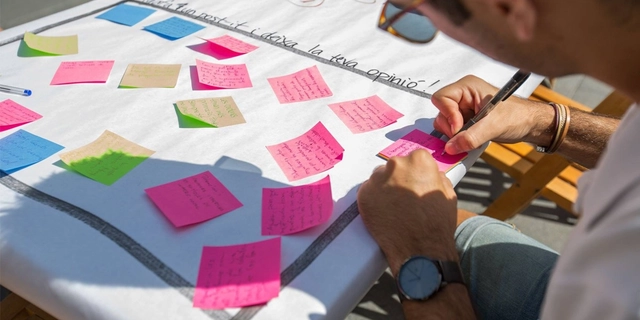
In recent years, we have witnessed the rise of the concept of “citizen participation,” particularly in the political sphere. As is often the case, this surge is not without controversy and carries inherent risks. Much like what occurred with the term “sustainability,” participation can be relegated to a smoke screen used to conceal specific types of political despotism. A clear example of this can be found in the Netherlands; in September 2013, King Willem-Alexander announced “the transition to a participatory society” to justify dismantling the welfare state through neoliberal policies and some of the harshest budget cuts the country has ever faced.
Clearly, urbanism and urban planning have not been immune to this trend. While the development of statutory urban planning instruments (General Plans, Partial Plans, Special Plans, etc.) is legally required to incorporate public participation mechanisms, the reality is that these are often reduced to public comment and exhibition periods. Consequently, actual participation is replaced by mechanisms that belong strictly to the realm of communication and information sharing.
A few weeks ago, Sweden inaugurated a road that recharges commercial and passenger vehicle batteries while driving. Named the eRoadArlanda project, the two-kilometer route was built outside Arlanda Airport in Stockholm, the country's capital.
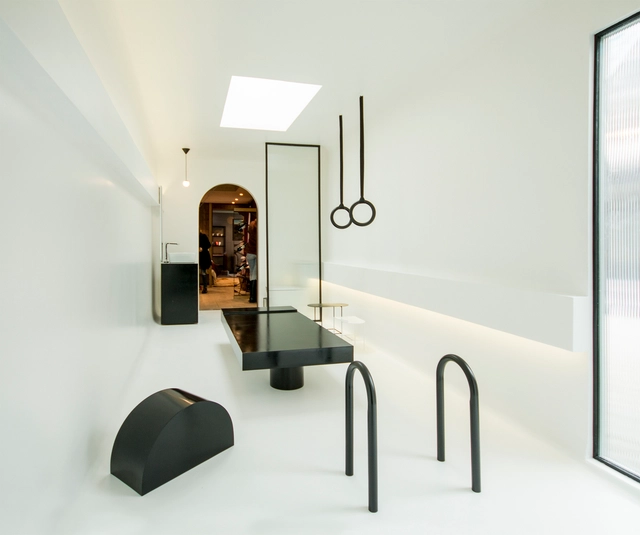
Modern and surreal, yet without compromising on functionality and comfort, the bathrooms designed by emerging architects and designers at the current Casa FOA interior design exhibition in Santiago, Chile, seek to rethink a traditional space within an innovative context, aiming to trigger a different experience for both users and spectators.
The Norman Foster Foundation is one of 21 institutions and individuals awarded Spain's 2018 Gold Medal for Merit in Fine Arts. Granted by the Spanish government through the Ministry of Culture and Sport, the distinction recognizes those globally who "have stood out in the field of artistic and cultural creation, or have rendered outstanding services in the promotion, development, or dissemination of art and culture, or in the conservation of artistic heritage."
The construction industry consumes more resources than any other sector, and the weight of the Technosphere—the urban and planetary stratum of everything we produce—reaches 30 trillion tons. Engineers, architects, and designers are at the heart of the Anthropocene.
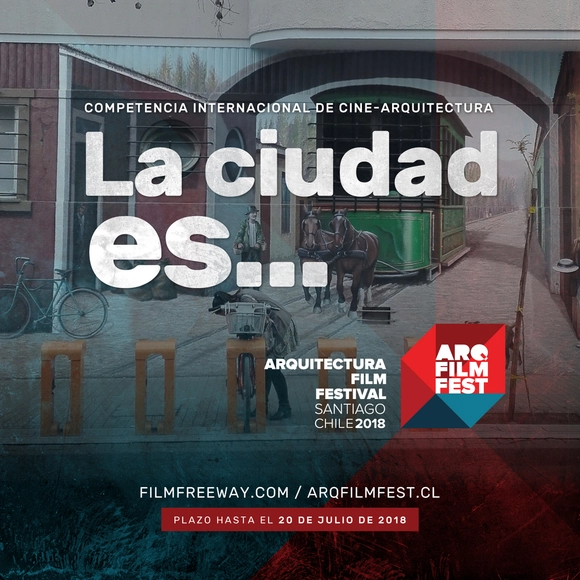
The call for entries for the international film competition on architecture, the city, and urban life—"The city is..."—organized by the Santiago Architecture Film Festival (ArqFilmFest), closed successfully with the submission of 1,518 audiovisual productions from around the world.
According to the organizers, they received more than 100 films from the United States (183), Iran (166), and India (160), and over 50 from Turkey (79), the United Kingdom (74), Italy (60), Brazil (58), and France (50), among many other countries across all continents.
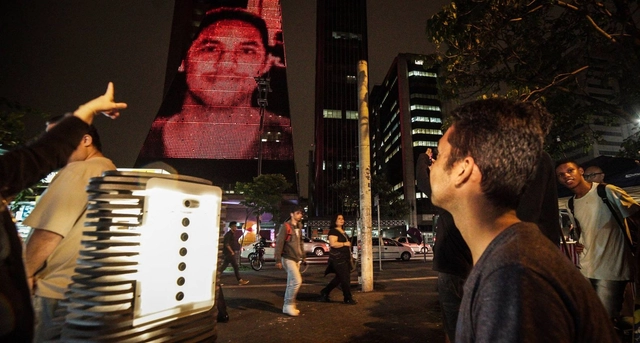
Among the images of protests along São Paulo’s Paulista Avenue that have circulated in recent years, the most recurring certainly featured as their backdrop the iconic 1979 Fiesp-Ciesp-Sesi building by architect Rino Levi, which fittingly displayed the Brazilian flag.
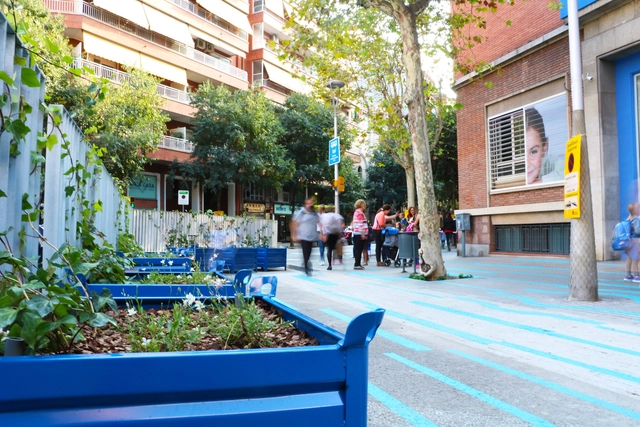
Although an internationally recognized urban planning benchmark, Barcelona's Eixample faces multiple challenges typical of a city in constant change—an urban landscape vastly different from the one envisioned by Ildefons Cerdà.
Against this backdrop, the Barcelona-based firm Leku Studio has developed a project to "humanize" several school environments in the Eixample. Through reversible urbanism, the firm is testing new uses and configurations that foster more humane, welcoming spaces, bringing the urban scale closer to children. "They must be community spaces, acting as extensions of the school; spaces for play, greenery, history, and the local life of the neighborhoods," explain Jokin Santiago Elorriaga and Marta Sola Páramo, co-founders of Leku Studio.
https://www.archdaily.com/1114209/leku-studio-tests-reversible-urbanization-strategies-in-barcelona-schoolsArchDaily Team
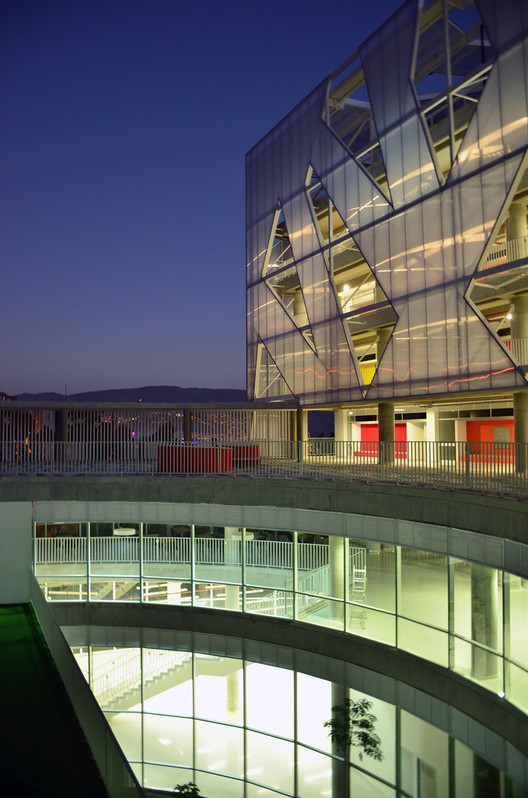
.jpg?1542810627 "España Library Park / Giancarlo Mazzanti. Image © Diana Moreno")
.jpg?1534172500&format=webp&width=640&height=580)



.jpg?1537337248&format=webp&width=640&height=580)


.jpg?1537337248)



_-Homenaje_a_la_poesia_-f01.jpg?1534629437&format=webp&width=640&height=580)