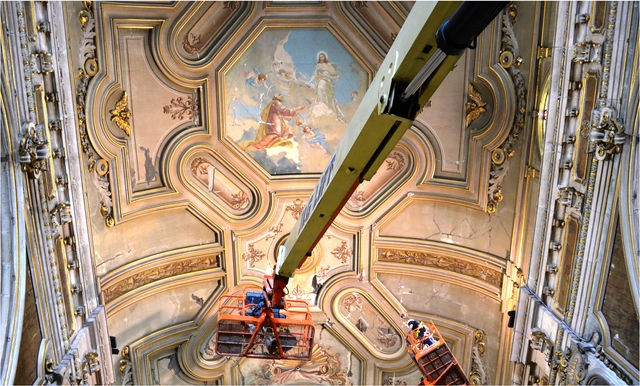
On the occasion of Pope Francis's visit to Chile, the Metropolitan Cathedral Chapter requested conservation work on the Cathedral's vaulted ceiling to improve safety and the condition of the ornamentation after recent earthquakes, aiming to safeguard the many faithful who visit the Cathedral daily.
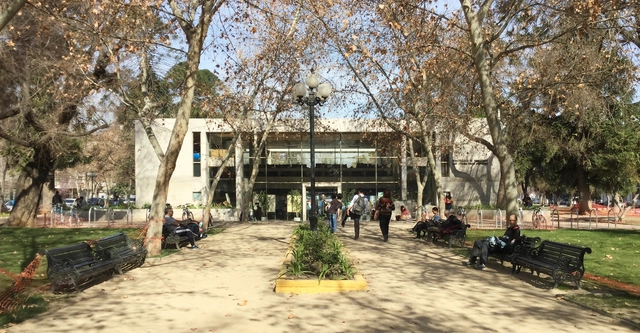
Today, Bustamante Park is one of the most frequented urban spaces in the municipality of Providencia. Completed in 1946, its design arose from the redevelopment of the former railway lines that once connected the old Pirque Station—the square that serves as our meeting point today—with the town of Puente Alto.
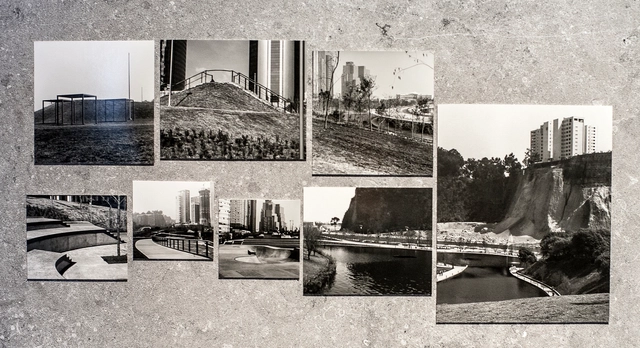
As one of the city's many linear parks, it is worth asking which qualities have turned Bustamante Park into a landmark in Santiago.
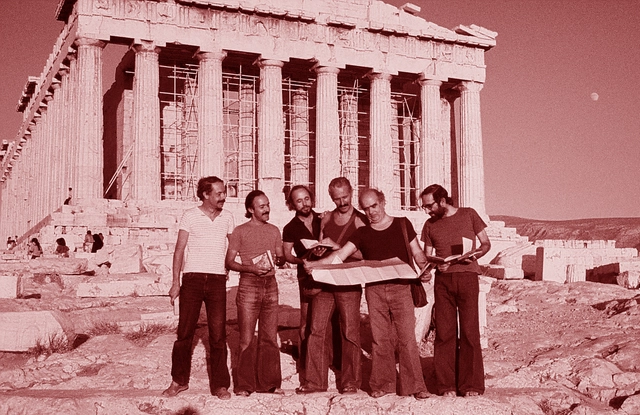
This text was written for the French edition of the exhibition catalog The Universalists: 50 Years of Portuguese Architecture, an event organized in Paris by the Delegation of the Calouste Gulbenkian Foundation to mark its 50th anniversary, in co-production with the Cité de l’architecture et du patrimoine. The exhibition is now being presented in Portugal, in 2018, at the Casa da Arquitectura in Matosinhos.
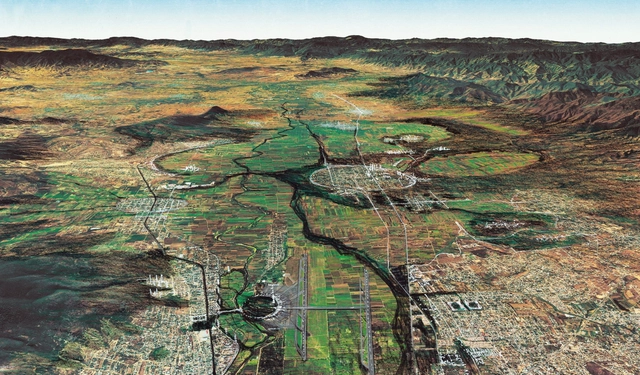
'Territories and Housing' is a project by architects Alberto Kalach and Carlos Zedillo that explores large-scale visions for different regions of the country, such as Yucatan, the Oaxaca Valley, the Trans-Mexican Volcanic Belt, and the Basin of Mexico, proposing to organize the national territory into just three zones: natural, agricultural, and urban.
Solano Benítez participated in the 13th edition of the International Seminar "Architecture is a Way of Knowing," which focused on the interpretation and production of urban space as an essential part of learning in architecture and urbanism, reflecting on the specificity of the architectural perspective regarding the built environment and its relationship with other viewpoints.
“The Place of Sharing” is already taking shape on site. On the third day of work, foundations are being prepared and steel structures installed to support the Casa de Brincar e Não Só – Not Only a Playhouse, which is being built through August 10 at the Guarda Housing Complex (CHG) in Perafita, Matosinhos, Portugal. The initiative is part of the Self-Construction Laboratory organized by Casa da Arquitectura – Portuguese Center for Architecture.
Instalación 'La forma del futuro'. Image Cortesía de Antonio Yemail
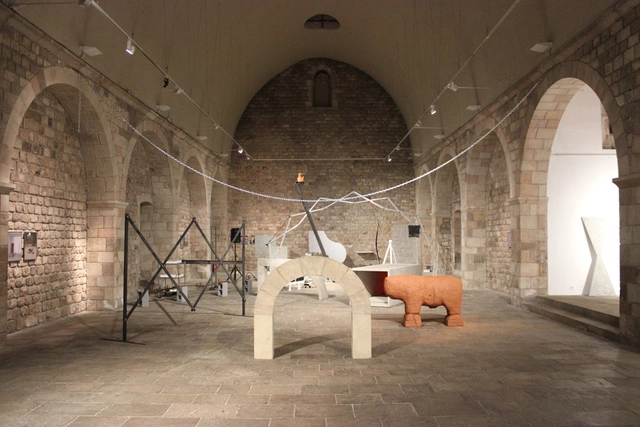
In late 2017, Colombian architect Antonio Yemail and his team moved to a new office in Bogotá. After eleven years of working in a single, open-plan space where all activities overlapped, the move became an opportunity to inventory, reconstruct, destroy, and document design processes through their physical models.
Out of 150 models produced over the years, 90 were restored and photographed again. "It is the primary visual record of how our design inclinations have evolved and linked together, because as Álvaro Siza says, a project is the model for the next," Yemail explains in a conversation with ArchDaily.
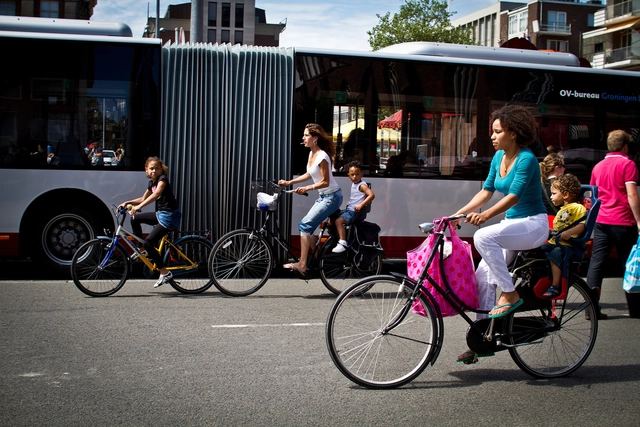
The city of Groningen, located in the north of the Netherlands, is an international benchmark for urban mobility. With just over 200,000 inhabitants, Groningen is considered the country's cycling capital—roughly 61% of all trips in the city are made by bicycle.
This shift in mindset dates back to the 1970s, when Dutch cities began to be dominated by cars and local realities were altered. The trend at the time was to redevelop older neighborhoods to make room for vehicles traveling to the center.
https://www.archdaily.com/1114738/groningen-a-dutch-benchmark-for-urban-mobilityLucas Augusto
Some projects demand a clean aesthetic, free of ornament or striking features. When it comes to windows, exterior views can be completely unobstructed by minimizing their constituent components—frames, handles, or railings—without compromising strength or safety. Here are three products that reduce these elements to their simplest expression.
In this interview, we speak with Carmelo Rodríguez and Rocío Pina, who, along with David Pérez, founded Enorme Studio. Based in Madrid, the firm is known for its radical, unconventional approach to architecture, the city, and society.
Although they began with a practice focused on architectural competitions, the young firm has since evolved to embrace other formats, including participatory urban dynamics, installations based on industrial systems, typological innovations, exhibitions, and curatorial projects.
https://www.archdaily.com/1114736/enorme-studio-the-crisis-led-to-the-recovery-of-vanished-architectural-practicesJavier García Librero
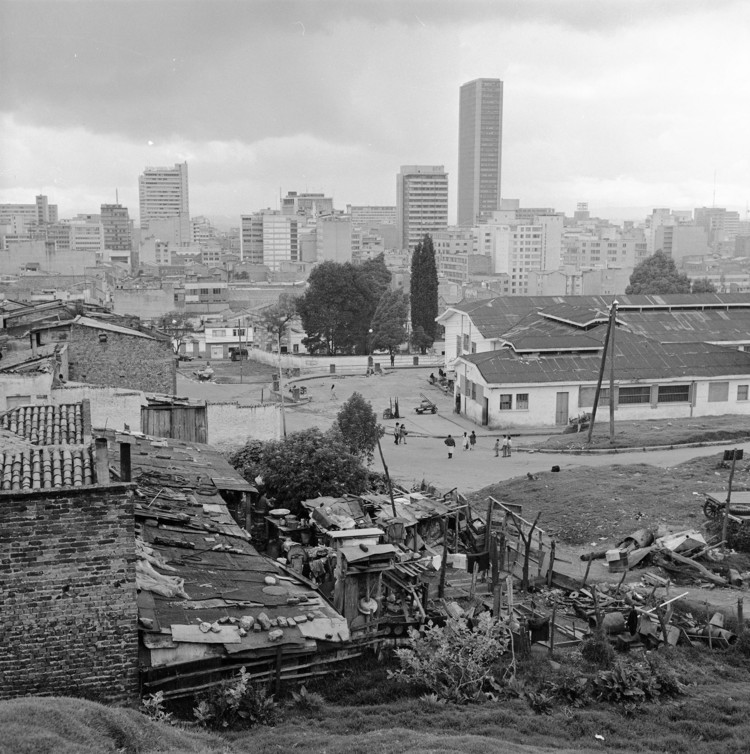
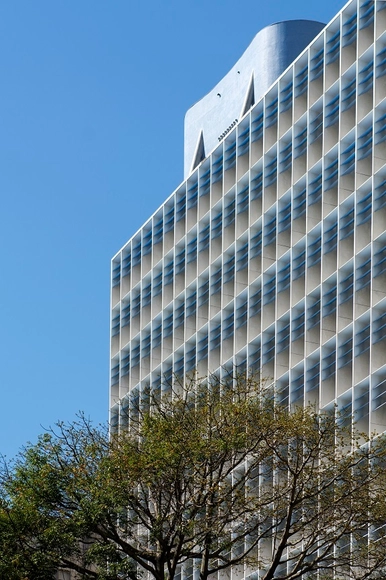
The modernization of Bogotá between 1940 and 1970, captured in urban and architectural photographic essays, has been documented in various books, magazines, and photobooks of the era, as well as in images from public and private archives across the city. These images reveal a deliberate, and even critical, approach to how modern architecture reconfigured city centers and integrated new buildings and urban spaces with the existing cityscape.
To analyze the impact of photojournalism in this era, one must look to Sady González, Manuel H., and Daniel Rodríguez. Architecture and the city serve as the backdrop for scenes of urban life, characters, events, and daily activities, making their photographs an essential visual record for understanding the city's transformation and its historical context.
Once again, anyone passing by the bustling Araújo Porto Alegre Street, on the corner of Graça Aranha Avenue in downtown Rio de Janeiro, will be able to marvel at the grandeur of the Gustavo Capanema Palace and understand why it is a Modernist icon, both for Brazil and the world. More than 70 years after the building’s inauguration in 1946, all the innovative design of its facades—introduced by the masters of architecture and art of the 1930s—has been fully restored and will be unveiled by the National Institute of Historic and Artistic Heritage (Iphan) on September 20.
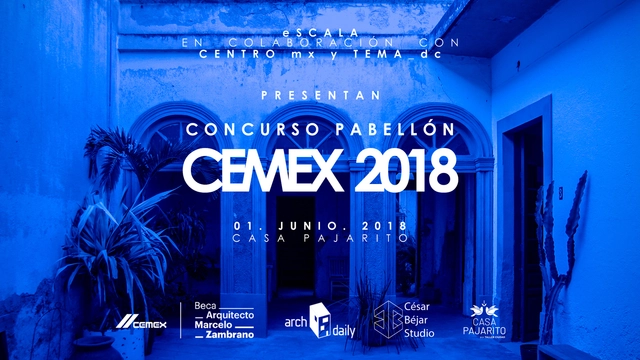
The 2018 CEMEX Pavilion competition was established to offer Guadalajara's student community an opportunity and a platform to express their aspirations, interests, concerns, and critiques of the architectural profession. This is materialized through an intervention in the courtyard of a heritage home in the city's historic center, which currently serves as both a workshop and a cultural center.
Supported by CEMEX and the Arq. Marcelo Zambrano Scholarship, the first edition of the 2018 CEMEX Pavilion competition was launched. Aimed at the student community of the Guadalajara Metropolitan Area, the competition invited participants to intervene in a heritage property in the city's downtown core, aiming to provide students with a fresh platform to express their concerns and passions about the profession through a built work, bridging the gap to professional practice.
On Monday, April 16, Chilean architect María Isabel Tuca, a prominent academic and professional association leader, passed away in Santiago. In 2000, she became the second female president of the Chilean Association of Architects, following Eliana Caraball in the mid-1980s.
In an interview with the Chilean newspaper El Mercurio after taking office, Tuca recalled that despite the warnings of the nuns at her school ("that was a career only for men," they told her), she chose to study architecture at the University of Chile, graduating in 1965.
We find ourselves in the Madrid of the 1980s. Specifically at the Superior Technical School of Architecture of Madrid [E.T.S.A.M.], a school in the shadow of the one in Barcelona, a city optimistic about its urban transformations. The latter was a city that trusted its architects, pushing them to participate in the reconstruction of its identity. Meanwhile, Madrid seemed to come alive through other avenues. The city championed other artistic sectors, leaving young architects with few opportunities to express their shared enthusiasm. Iñaki Ábalos and Juan Herreros belonged to this Madrilenian generation. They, like many others, had to wait and devise intellectual strategies to define the new professional and territorial boundaries that would reconstruct the Madrid of the future.
The work of Ábalos & Herreros is not only a virtuous exercise in surfaces and construction techniques; it also establishes mixtures, connections, and spatial relationships. It establishes links that foster a dialogue between all parts: the existing and the new, people and objects, building and landscape, and so on. Their architecture inherits the legacy of Modernism to translate its gestures into something that, while perhaps appearing new and innovative to a less attentive observer, is intrinsically charged with the accumulated technological experience of the 20th century. They do all of this in an illustratively modest way, seeking to solve age-old problems in a different manner. Theirs is not a revolutionary or radical architecture—understanding the latter term as a desire to dismantle a totality. There are no origins, only discoveries along their path. Established tropes are reconsidered, employing technologies, materials, gestures, and forms that, for various reasons, remain stored in the conceptual archives of many who have not yet figured out how to implement them in an ingenious and creative way.
In recent years, the term mobility has increasingly appeared in the media, likely driven by the establishment of the National Urban Mobility Policy (PNMU) in January 2012 and the requirement to develop Urban Mobility Plans. However, the term often loses its meaning when it becomes synonymous with transportation. Indeed, it does, as these two words do not share the same definition. Mobility is not limited to transportation.
https://www.archdaily.com/1114802/mobility-is-not-synonymous-with-transportationWRI Brasil
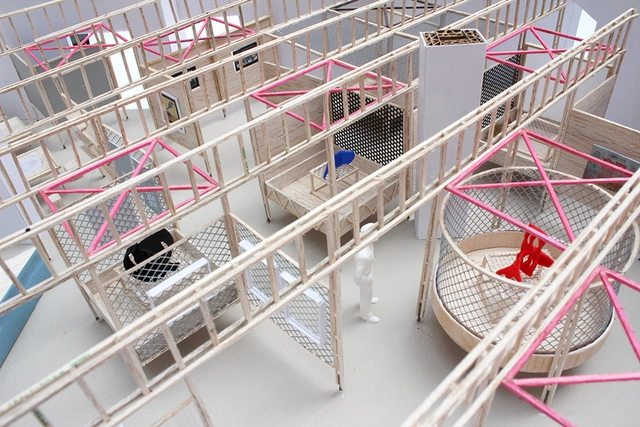
The "Amenidades Urbanas" public initiative addresses co-production based on outreach and participation, responding to the challenge of connecting "different natures" within a single system: a sector in Caracas fragmented by large-scale infrastructure projects.
The first phase of these built urban interventions consists of diverse actions aimed at reactivating civic spaces. These new dynamics seek to redefine the street as a space for dialogue and mediation, occupying neglected voids and reclaiming the city's original human scale.
Read on to learn more about the project in the words of its authors.
The reality of many Brazilian cities is so challenging that it would make many mayoral candidates hesitant to take on the task of public administration. With this in mind, and aiming to bring political and urban discussions to children and teenagers, the Brava Foundation, in partnership with the Wilson Center's Brazil Institute, developed Cidade em Jogo, a free app reminiscent of the famous game SimCity, yet featuring problems and challenges typical of Brazilian cities.
Fundación Arquia has published a new issue of its digital magazine Arquetipos, featuring an interview with sculptor and artist David Bestué, conducted by architect Moisés Puente with photography by José Hevia. The issue also includes articles on Olympic urban planning, the relationship between architecture and sculpture in the work of Chillida, Enric Miralles, Sert, Kiesler, and much more.
In the interview, titled "Language as Object," David Bestué (Barcelona, 1980) discusses how he approaches architectural space in his work, the influence of artists such as Dan Graham, Robert Smithson, Gordon Matta-Clark, and Juan Muñoz, and his interest in the formal qualities of work by architects Enric Miralles and Carme Pinós (the "local modern").
More than 50,000 people visited the Casa da Arquitectura – Portuguese Center for Architecture during its first year in the rehabilitated Real Vinícola block, in Matosinhos. To celebrate this first anniversary, the institution is organizing three days of free activities for everyone on November 16, 17, and 18.
Featuring guided tours, conferences, talks, presentations, book launches, and concerts, Casa da Arquitectura's anniversary program offers about 30 events for all audiences, including families and children. The block's outdoor space will also host various artistic performances.
Lake Verea is composed of Francisca Rivero-Lake Cortina (Mexico City, 1973) and Carla Verea Hernández (Mexico City, 1978). They have worked as a duo since 2005. Their practice focuses on experimenting with photographic techniques and formats to achieve a personal and intimate perspective. They live and work in Mexico City and around the world. Their research interests center on the portraiture of architecture and the architecture of portraiture, the search for modern ruins, and the emotional interpretation of the spatial journey.
Their latest contribution is a series commissioned by Gabriela Etchegaray for the 16th International Architecture Exhibition of the Venice Biennale. Featured in the Mexican Pavilion, “Echoes of a Land,” they conceive architectural portraits through an intimate approach, using fragments to compose a narrative where the architectural subject is personally reinterpreted.
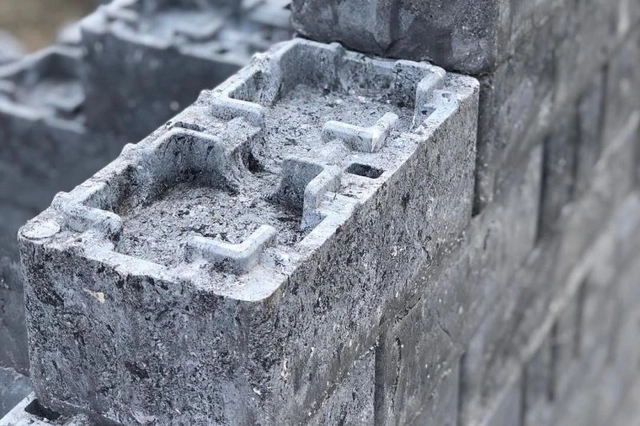
One of the most traditional festivals in Brazil's South region, Oktoberfest has launched a sustainability-focused initiative. In addition to serving thousands of liters of draft beer, the event's 2018 edition will support the environment by transforming plastic cups used during the 19-day festival into bricks and furniture for community gardens.
Dubbed "Oktober Consciente" (Conscious Oktoberfest), the initiative was created by the Instituto Gigantes da Ecologia (IGE), a non-profit civil association based in Blumenau, Santa Catarina. The project aims to raise awareness and promote environmental best practices among attendees of what is considered one of the largest German festivals in the world.
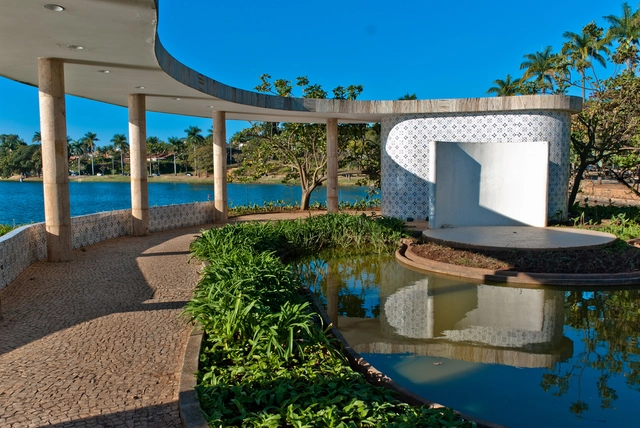
The Municipal Cultural Foundation of Belo Horizonte has launched a call for proposals to occupy the Casa do Baile, designed by Oscar Niemeyer in Pampulha. Submitted proposals must address the themes of architecture, urbanism, and design.
Bauru Railway Station. Photo: Rafael Kage/Flickr. Image via HAUS
At the height of the railways in the mid-20th century, the state of São Paulo had around 500 railway stations. With the end of long-distance passenger train services during the 1980s and early 1990s, much of this heritage was abandoned, and those structures that escaped looting and vandalism eventually collapsed due to a lack of maintenance. Today, fewer than 50% of these stations remain standing, according to the Brazilian Association of Railway Preservation (ABPF).

.jpg?1533131645&format=webp&width=640&height=580)






.jpg__José_Alberto_Bastidas.jpg?1539798976)