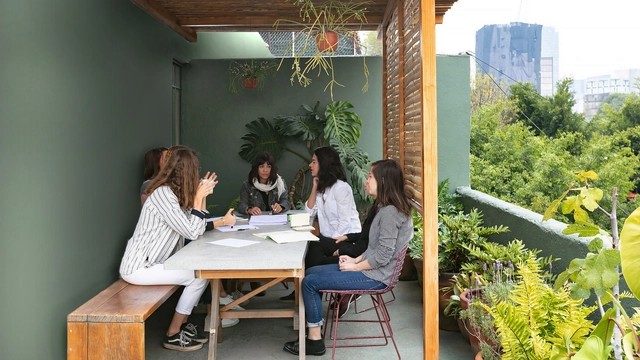
Mauro Gil-Fournier is a PhD architect, researcher, and professor who, after a 15-year career, decided to found Arquitecturas Afectivas: "a community that creates architecture with pleasure, cultivating the affects of people, other beings, and living things."
What is the process for creating affective architectures? Why are they important for the future of architecture? In the following conversation with Mauro, we delve deeper into this concept, which is fundamentally based on "enabling others to design from their truest expression."
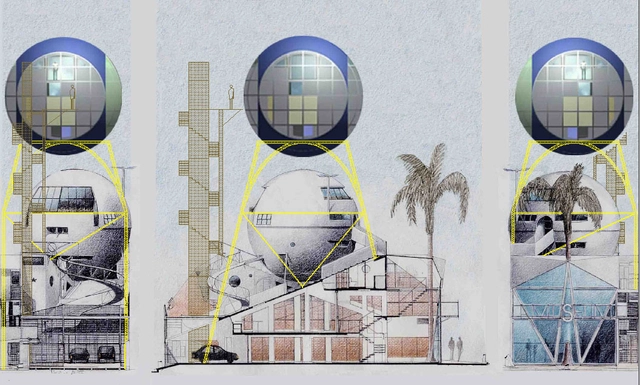
Arquicast speaks with one of Brazil's most intriguing and renowned architects, Eduardo Longo. Describing any professional's body of work is a complex task, but it is especially challenging when discussing a figure like Longo, whose career is defined by a rejection of the established principles of his time, consistently seeking innovation and experimentation in architecture.
No País dos Arquitectosis a podcast created by Sara Nunes, who is also responsible for the architectural film production company Building Pictures. The podcast aims to profile the professionals, projects, and stories behind contemporary Portuguese architecture of reference. With just over 10 million inhabitants, Portugal is a fascinating country when it comes to this professional field, and its architectural output punches far above its weight relative to its population or territorial scale.
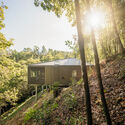
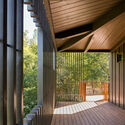
In this episode of the fifth season, Sara talks with architects Luís Tavares Pereira and Guiomar Rosa about the Mountain House in Gerês. Listen to the conversation and read part of the interview below.
Episode 213 of Arquicast explores the fascinating field of event architecture, highlighting the importance of designing spaces that transform simple occasions into memorable experiences. The robust resurgence of the event market after two challenging years during the pandemic reflects the human need to celebrate, share joy, and escape the daily routine. Behind these memorable experiences, however, are event architects and designers, whose attention to detail and creativity shape the success of every occasion.
No País dos Arquitectosis a podcast created by Sara Nunes, who also runs the architectural film production company Building Pictures. The podcast aims to profile the professionals, projects, and stories behind Portugal's leading contemporary architecture. With just over 10 million inhabitants, Portugal is a highly compelling country in this professional field, producing architecture that far exceeds what its small population and geographical footprint might suggest.
No País dos Arquitectosis a podcast created by Sara Nunes, who also runs the architectural film production company Building Pictures. The podcast aims to profile the professionals, projects, and stories behind leading contemporary Portuguese architecture. With just over 10 million inhabitants, Portugal is a fascinating country within this professional field, producing architecture that far exceeds its small population and territorial scale.
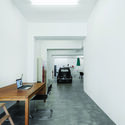
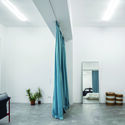
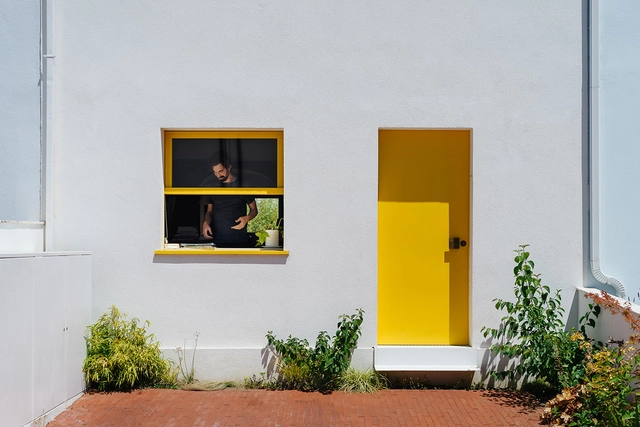
In the first episode of the fifth season, Sara talks to the architects of fala atelier about the Casa Garagem project. Listen to the conversation and read part of the interview below.
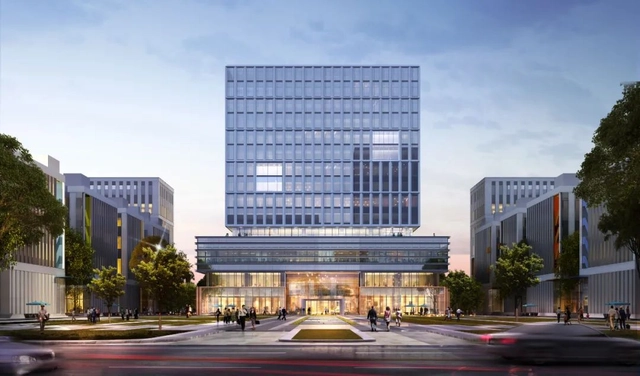
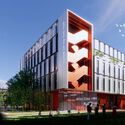
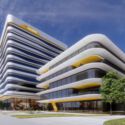
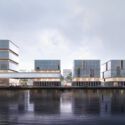
FTA Group (FTA Group GmbH) entered China in 2003, with its headquarters in Shanghai. FTA focuses on the design of offices and industrial innovation districts. Advocating for integrated services that span consulting, master planning, architecture, interior design, and landscape architecture, FTA is committed to integrating global resources, technologies, and teams to build impactful industrial communities and innovation hubs. Having designed over 1,000 office and innovation park projects, FTA has developed specialized product lines tailored to various industrial sectors, such as biopharmaceuticals, the digital economy, information technology, and artificial intelligence—with biopharmaceutical industrial parks standing out as one of its most representative sectors.
https://www.archdaily.com/1136537/fta-how-data-shapes-biomedical-park-design-in-the-age-of-algorithms-archdaily-in-depthDai Le
In this episode of Arquicast, a conversation with architects Liz Valente and Larissa Fioravante revisits the topic of work environments in architecture, bringing a new perspective to some of the discussions addressed in episode 214. The momentum for this "part 2" came from provocative comments from the audience, which prompted a deeper and more diverse reflection on the daily life of the profession. The participants shared their personal career paths, shaped by internships, experience in offices, the classroom, and even personal ventures.
No País dos Arquitectosis a podcast created by Sara Nunes, who also runs the architectural film production company Building Pictures. The podcast aims to profile the professionals, projects, and stories behind leading contemporary Portuguese architecture. With just over 10 million inhabitants, Portugal is a fascinating country in this professional field, and its architectural output far exceeds what its population or territorial scale might suggest.
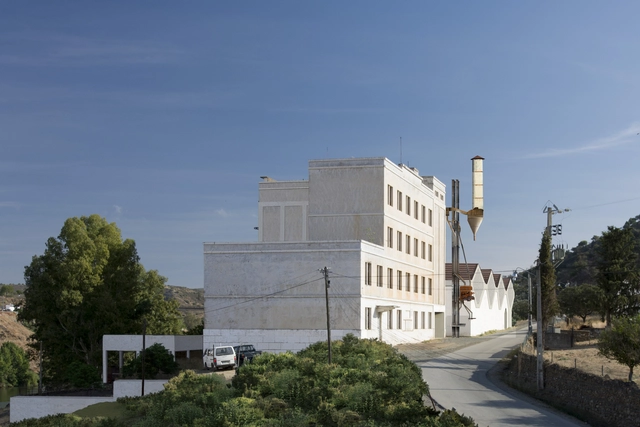
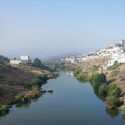
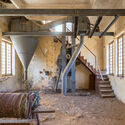
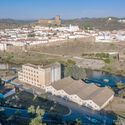
In this fifth-season episode, Sara talks with architects Teresa Novais and Jorge Carvalho from aNC arquitectos about the Biological Station and Gallery of Biodiversity in Mértola. Listen to the conversation and read an excerpt of the interview below.
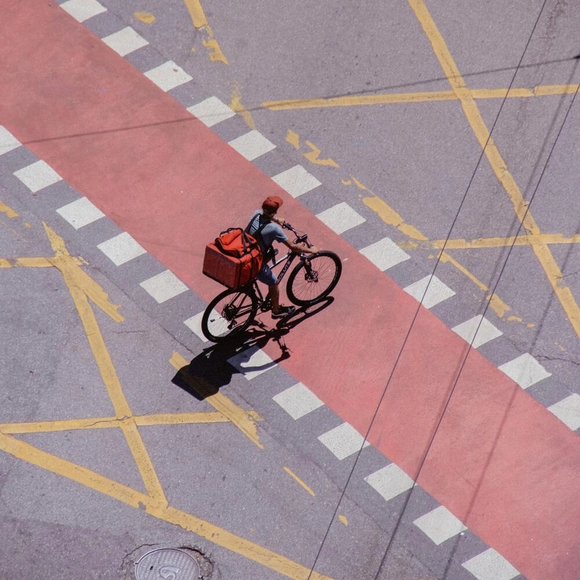
Bike lanes, with their distinct paths and dedicated signage, have increasingly shaped the urban landscape of many cities around the world. Their impacts range from reducing vehicular traffic to promoting healthier and more sustainable lifestyles. Episode 212 of Arquicast addresses this crucial topic, featuring architect and transportation engineering expert Janaína Amorim, a partner at Metrics Mobilidade. The discussion explored global best practices, design and architectural trends, and the impact of bicycle infrastructure on public health.
In the latest episode of the series, Arquicast spoke with the jury of the 9th Tomie Ohtake Akzonobel Architecture Award to understand the criteria established for the accolade. This time, joined by Sabrina Fontenele, architect, urbanist, and coordinator of the award, along with the other awardees, a roundtable discussion was held on the projects, providing a deeper look into their significance and the identity of the prize.
Doing more with less is an urgent architectural imperative. This is especially true in our recent global context, where environmental concerns are compounded by economic and social crises in various parts of the world. Within this landscape, the firm Branco Del Rio Arquitectos has been developing its practice since its founding in Coimbra in 2014. Established during a period of instability in Portugal, the office is the result of Paula del Rio and João Branco's pursuit of a simple architecture that seeks to address contemporary demands as objectively as possible.
In less than ten years of activity, the firm has garnered competition awards and international recognition, and was recently selected as one of ArchDaily's Best New Practices of 2023. We had the opportunity to speak with the architects about their experience with architectural rehabilitation, their collective housing projects, and their practice characterized by an economy of means.
No País dos Arquitectos is a podcast created by Sara Nunes, who also runs the architectural film production company Building Pictures. The podcast aims to profile the professionals, projects, and stories behind Portugal's leading contemporary architecture. With just over 10 million inhabitants, Portugal is a highly compelling country in this professional field, producing an architectural output that far exceeds its population and territorial scale.
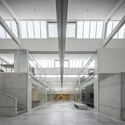
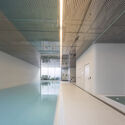
In this episode of the fifth season, Sara talks with architect Fátima Fernandes of the firm Cannatà & Fernandes about the ESAP - Porto Higher School of Arts. Listen to the conversation and read part of the interview below.
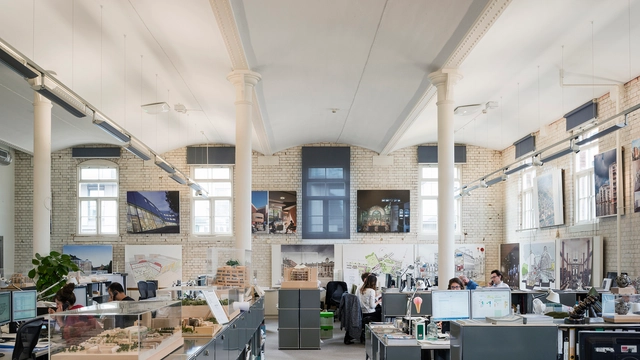
In the field of architecture, the challenges are multifaceted, including long working hours, low pay, inequality, and a lack of transparency. Yet, focusing solely on these negative aspects is often insufficient, if not simplistic. It is crucial to reflect on how we address these issues in our daily practice—promoting ethical decision-making, fostering teamwork and collaboration, and facilitating adaptation and innovation. While projects and clients often take center stage, we rarely delve deeply into the culture, work environments, routines, and dynamics of architecture firms.
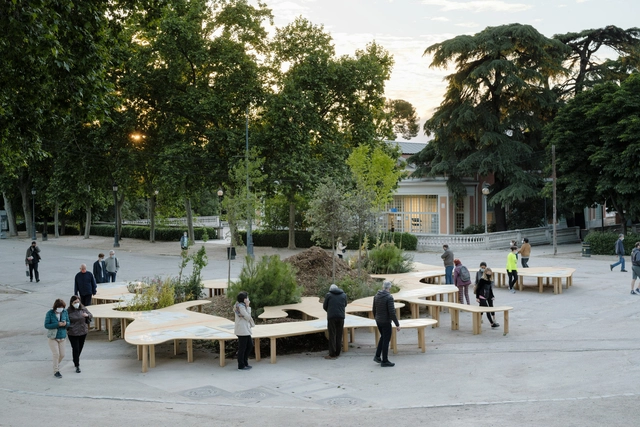
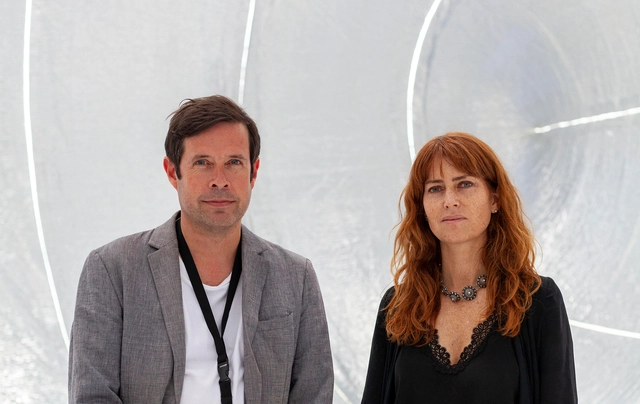
The XXII Chilean Biennial of Architecture and Urbanism is co-directed by Cristóbal Molina, coordinator of the Architecture Area of the Ministry of Cultures, Arts, and Heritage, and Loreto Lyon, director of activities of the Colegio de Arquitectos de Chile. The outcome of this joint alliance between both institutions has successfully driven this cultural event, which took over the public space around the Palacio de La Moneda to foster debate and community around the theme: "Vulnerable Habitats."
During the event, which closes on the evening of Sunday, January 22, we spoke with Cristóbal Molina and Loreto Lyon to learn more about how the pavilions and installations engage with the central theme. Below is what you cannot miss at the XXII Chilean Biennial of Architecture and Urbanism.
No País dos Arquitectosis a podcast created by Sara Nunes, who also runs the architectural film production company Building Pictures. The project aims to profile the professionals, projects, and stories behind landmark contemporary Portuguese architecture. With just over 10 million inhabitants, Portugal is a highly compelling country in this professional field, with an architectural production that far exceeds what its population or territorial scale would suggest.
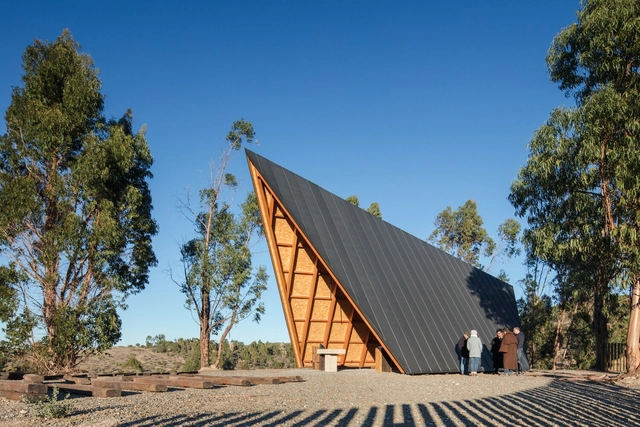
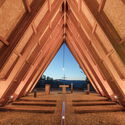
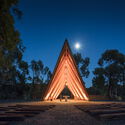
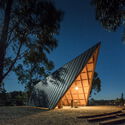
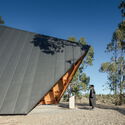
In this episode of the fifth season, Sara talks with architects Helena Vieira and Pedro Ferreira from the office Plano Humano Arquitectos about the design of the Chapel of Our Lady of Fátima. Listen to the conversation and read an excerpt of the interview below.
Nadia Somekh, a guest on Betoneira, speaks about housing for all. Drawing on her extensive experience in the public sector as an architect, manager, and activist, Somekh begins the conversation by noting that while public housing policies in Brazil are not yet where they need to be, progress is being made. Her research on verticalization shows that, since 1957, zoning and urban planning regulations in São Paulo have systematically excluded low-income populations from apartments. For instance, these regulations prohibited the construction of studio apartments on Avenida Nove de Julho and Avenida Paulista.
The latest episode of Betoneira welcomed Romullo Baratto, Victor Delaqua, and Susanna Moreira, editors of ArchDaily Brasil, to discuss the platform's trajectory and the state of architectural communication. For all three, the main challenge lies in covering current events and urgent architectural issues at the speed of digital media, rather than the traditional pace of print. Staying attuned to this rapid flow is essential; over the last twelve years, since the launch of the Portuguese-language site, shifts in digital media have fundamentally reshaped how architecture is researched and published, alongside changes in lifestyle and consumption patterns.
No País dos Arquitectosis a podcast created by Sara Nunes, who also runs the architectural film production company Building Pictures. The podcast aims to profile the professionals, projects, and stories behind leading contemporary Portuguese architecture. With just over 10 million inhabitants, Portugal is a fascinating country when it comes to this professional field, and its architectural output far outstrips its demographic and territorial scale.
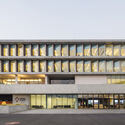
In the first episode of the fifth season, Sara talks with Chilean architect Alejandro Aravena about the new EDP headquarters in Lisbon. Listen to the conversation (in English) and read an excerpt of the interview below.
No País dos Arquitectos is a podcast created by Sara Nunes, who is also responsible for the architectural film production company Building Pictures. The podcast aims to profile the professionals, projects, and stories behind Portugal's leading contemporary architecture. With just over 10 million inhabitants, Portugal is a highly compelling country regarding this professional field, and its architectural output punches far above its population or territorial scale.
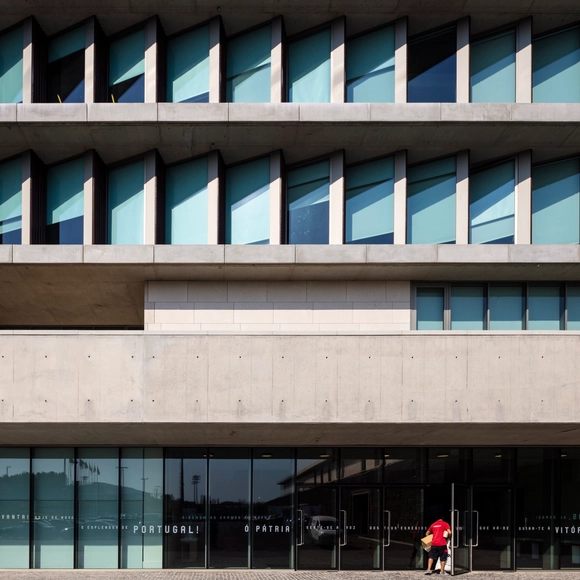
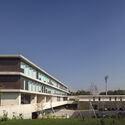
In this episode of the fourth season, Sara talks with Tomás Salgado, from the office Risco, about the Cidade do Futebol, a facility for the Portuguese Football Federation. Listen to the conversation and read part of the interview below.
Cities are constantly evolving, and technological innovations play a significant role in this process. So-called "smart cities" have been a major topic of discussion in recent years, but what does this actually mean? How can technology contribute to better urban management? And how can we ensure that these new possibilities do not further deepen social inequalities?
With an academic background in biological sciences, psychology, environmental engineering, and energy management, Salvador Rueda speaks with ArchDaily in Costa Rica about sustainable mobility, urban planning, and the implementation of superblocks in Barcelona.
https://www.archdaily.com/1136533/salvador-rueda-in-the-city-the-public-and-the-private-must-work-togetherArchDaily Team
Photographers Ana Mello and Evelyn Müller were the guests on the latest episode of Betoneira, and the conversation revolved around the work of architectural and interior photographers, author attribution, and image ownership. Müller spoke about the inception of Conafarq (Coletivo Nacional de Fotógrafos de Arquitetura) during the pandemic, when many photographers were left without work for months. Although the market was at a standstill, photographers noticed that their pre-pandemic photos continued to be used by clients in various contexts—such as social media, emails, and other channels. Small groups began to mobilize to discuss the need for photographers to be compensated whenever their photos are used commercially.